

No hay productos en la cesta.
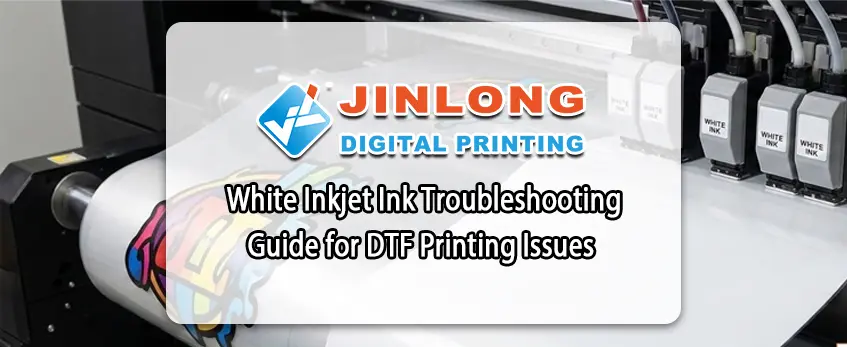

Jinlong
Guía de solución de problemas de tinta blanca para problemas de impresión DTF
Si trabaja con tinta blanca de inyección en la impresión DTF, ya sabe que es una bestia totalmente diferente en comparación con los colores CMYK. La gran carga de pigmentos -especialmente dióxido de titanio- hace que atasco de tinta blanca, sedimentacióny caídas de boquilla frustrantemente común. Tanto si su La impresora DTF no imprime en blanco o la capa blanca sale tenue y desigual, estos problemas pueden paralizar tu flujo de trabajo. En esta guía encontrarás soluciones claras y prácticas para los problemas más difíciles. solución de problemas de tinta blanca para que puedas volver a tener blancos nítidos y opacos sin perder tiempo ni tinta. Veamos qué causa realmente estos problemas y cómo solucionarlos rápidamente.
¿Por qué la tinta blanca causa más problemas?
La tinta blanca para inyección de tinta suele dar más problemas a los usuarios que los colores estándar basados en colorantes debido a las propiedades únicas de sus pigmentos. A diferencia de los tintes que se disuelven completamente, la tinta blanca se basa en pigmentos de dióxido de titanio, que son propensos a... decantación y sedimentación. Esto significa que las partículas pueden hundirse hasta el fondo del depósito de tinta u obstruir los inyectores del cabezal de impresión si no se gestionan adecuadamente.
En muchas configuraciones de impresoras directas a película (DTF), especialmente con jinlong DTF tinta blanca, a menudo no hay un sistema de recirculación para mantener el pigmento uniformemente suspendido. Esta falta de agitación, combinada con periodos de inactividad, puede hacer que la tinta blanca se espese o se seque, empeorando los atascos y las pérdidas de tinta de las boquillas. Factores ambientales como las oscilaciones de temperatura y la humedad también afectan al rendimiento de la tinta blanca, haciéndola más sensible en condiciones fluctuantes.
Esté atento a estos signos comunes de que su la tinta blanca necesita atención:
- Estampados blancos descoloridos o desteñidos
- Falta de boquillas o líneas rotas en los patrones de comprobación de boquillas
- Opacidad irregular o cobertura irregular en tejidos oscuros
Si conoce estos problemas relacionados con el comportamiento de los pigmentos de la tinta blanca y las necesidades específicas de los sistemas DTF, estará mejor preparado para solucionar los problemas y mantener una impresión blanca uniforme y nítida.
Los problemas más comunes de la tinta blanca y sus causas
Cuando se trata de tinta blanca de inyección de tinta, especialmente para la impresión DTF, surgen ciertos problemas con más frecuencia que otros. He aquí un breve resumen de los problemas habituales de la tinta blanca y sus causas:
Problema 1: No se imprime tinta blanca en absoluto (abandono total)
Esto suele significar atascos graves en los inyectores, aire atrapado en los conductos de tinta, niveles de tinta que caen por debajo de 1/3 o clips en los conductos de flujo de tinta que están cerrados. Si su impresora DTF no imprime en blanco, compruebe primero estos puntos para evitar dolores de cabeza mayores.
Problema 2: Impresiones blancas débiles, finas o desvaídas
La decoloración del blanco suele deberse a la sedimentación del pigmento, principalmente dióxido de titanio. Si la tinta no se agita bien o el depósito de tinta se está agotando, la opacidad será menor y los resultados más apagados.
Problema 3: Pérdida de boquillas o líneas rotas en las comprobaciones de boquillas
Los atascos parciales, las pequeñas burbujas de aire en los conductos o la mala circulación provocan disparos incoherentes de las boquillas que empeoran con el tiempo. Estos problemas se manifiestan cuando se comprueban las boquillas en forma de líneas perdidas o rayas rotas.
Problema 4: La tinta blanca se obstruye rápidamente tras un breve periodo de inactividad
Si la tinta blanca se obstruye después de unas pocas horas de inactividad, la acumulación de tinta seca suele ser la culpable. Esto empeora si se omite el mantenimiento diario y si fluctúa la humedad o la temperatura del lugar de trabajo.
Problema 5: Opacidad irregular o incoherencias de color en tejidos oscuros
Esto puede deberse a una mala aplicación de la base o a la sedimentación del pigmento en el interior de los depósitos y las líneas. El flujo irregular de la tinta da lugar a capas blancas irregulares que arruinan el aspecto final de la impresión en materiales más oscuros.
Estos problemas comunes de la tinta blanca ponen de relieve por qué es fundamental estar al tanto del mantenimiento de la tinta blanca DTF. Para obtener más consejos sobre cómo mantener su configuración impecable, consulte las guías detalladas sobre Mantenimiento de la impresora DTF y manejo de la tinta.
Lista de comprobación paso a paso para la resolución de problemas con la tinta de inyección blanca

Comience a solucionar problemas con esta rutina diaria y semanal para solucionar los problemas habituales de obstrucción de la tinta blanca DTF y de calidad de impresión:
- Agite o agite los depósitos/botellas de tinta blanca diariamente -manualmente o utilizando un sistema de autocirculación- para evitar la sedimentación de la tinta blanca y mantener el pigmento uniformemente suspendido.
- Compruebe regularmente los niveles de tinta, Manténgalas llenas por encima de un tercio de su capacidad para evitar que la tinta se agote y cause impresiones blancas débiles o inexistentes.
- Ejecute un patrón de comprobación de boquillas antes de imprimir para detectar a tiempo cualquier pérdida de boquilla o líneas rotas.
- Realizar ciclos de limpieza enérgicos o de limpieza del cabezal cuando sea necesario, pero limítese a 2-3 ciclos para reducir el desperdicio de tinta y el desgaste del cabezal.
- Inspeccione los conductos de tinta y los amortiguadores en busca de burbujas de aire-La ingestión de aire puede bloquear las boquillas o causar un flujo de tinta blanca inconsistente. Purgue las líneas si es necesario.
- Verificar las condiciones ambientales: Mantenga la temperatura de su espacio de trabajo entre 20-25°C (68-77°F) y la humedad entre 40-60%. Estas condiciones estables evitan que la tinta blanca se seque o espese en el interior del cabezal de impresión.
Para una solución de problemas más avanzada relacionada con la impresora DTF que no imprime blanco correctamente, compruebe también:
- Ajustes de tensión e impulsos en su impresora para un disparo óptimo del cabezal de impresión.
- Estado de la botella de tinta usada, asegurándose de que no esté lleno y activando el apagado automático.
- Filtros y tubos en busca de atascos o acumulaciones que restrinjan la circulación de la tinta blanca.
Seguir esta lista de comprobación con regularidad ayuda a evitar problemas típicos como la obstrucción del cabezal de impresión con tinta blanca o la impresión débil con tinta blanca, garantizando capas blancas nítidas y opacas para sus prendas personalizadas. Para optimizar el flujo de trabajo y el manejo de la tinta, considere el uso de la tinta blanca DTF de Jinlong recomendada y consulte los recursos sobre la eficacia de la tinta blanca DTF de Jinlong. Configuración de la impresora DTF.
Soluciones detalladas para cada uno de los principales problemas de la tinta blanca

Corregir la sedimentación y la sedimentación es fundamental para obtener una calidad de impresión uniforme. Empiece por agitar los depósitos o botellas de tinta blanca DTF jinlong a diario, para mantener el pigmento de dióxido de titanio en suspensión de forma uniforme. Si su impresora tiene una bomba de circulación, asegúrese de que funciona correctamente para resuspender continuamente el pigmento sedimentado. En el caso de sedimentos persistentes, agitar suavemente o manualmente la tinta ayuda a evitar atascos e impresiones borrosas.
La limpieza de atascos y obstrucciones de boquillas requiere un enfoque de limpieza en dos niveles. Comience con un ciclo de limpieza estándar en su impresora DTF para eliminar obstrucciones menores. Si esto no funciona, pruebe técnicas de limpieza en profundidad como sumergir el cabezal de impresión en una solución de limpieza especializada o realizar un lavado inverso para extraer los residuos. Utilice una jeringa o una purga manual sólo si lo recomienda el fabricante de su impresora, ya que un uso inadecuado puede dañar el cabezal de impresión.
La ingestión de aire y las burbujas en las líneas de tinta blanca provocan la caída de la boquilla e impresiones incoherentes. Para solucionarlo, purgue las líneas cuidadosamente aflojando las conexiones y purgando hasta expulsar el aire. Compruebe con regularidad si hay fugas o accesorios sueltos en los clips y acoplamientos para evitar que entre aire en el sistema.
Para evitar problemas recurrentes con la tinta blanca jinlong DTF es necesario ser constante con el mantenimiento. Realice un lavado semanal completo del sistema para eliminar la acumulación y ejecute patrones de impresión diarios para mantener la tinta en circulación. El uso de tinta blanca DTF original de jinlong mejora las características de flujo y reduce los riesgos de obstrucción en comparación con otras alternativas más baratas. El seguimiento de estos hábitos garantiza la estabilidad a largo plazo.
Considere la sustitución del cabezal de impresión sólo cuando observe signos de daños permanentes, como caídas continuas de la boquilla después de varias limpiezas o daños físicos. Los cuidados preventivos suelen prolongar la vida útil del cabezal de impresión y ahorran costosas reparaciones.
Para obtener más consejos sobre cómo evitar problemas comunes con los kits DTF, consulte nuestra guía sobre problemas habituales de los kits DTF de baja calidad y cómo evitarlos.
Prácticas recomendadas de mantenimiento preventivo para la tinta blanca DTF jinlong

Para que su tinta blanca jinlong DTF fluya sin problemas, debe seguir una rutina de mantenimiento sólida. He aquí una sencilla lista de comprobación diaria, semanal y a largo plazo para evitar problemas comunes de la tinta blanca de inyección de tinta como la sedimentación, la obstrucción y las caídas de la boquilla.
Lista de control diaria
- Agitar la tinta blanca: Agite o remueva los depósitos o botellas de tinta blanca para evitar la sedimentación del pigmento. Si su instalación tiene circulación automática, asegúrese de que funciona correctamente.
- Realice una comprobación de boquillas: Esto ayuda a detectar a tiempo las caídas de boquillas o los atascos antes de que se conviertan en problemas graves.
- Imprimir un patrón de prueba corto: Realizar una impresión rápida diaria mantiene la tinta fluyendo por los inyectores y reduce la posibilidad de que se seque o se bloquee.
Mantenimiento semanal
- Limpieza profunda de cabezales de impresión: Realice un ciclo de limpieza a fondo del cabezal, pero evite una limpieza excesiva para evitar el desperdicio de tinta.
- Inspeccionar tubos y filtros: Compruebe si hay signos de acumulación de tinta, burbujas de aire o filtros bloqueados que puedan causar problemas de circulación de la tinta blanca.
Cuidados de larga duración
- Almacene la tinta correctamente: Mantenga su tinta blanca en un entorno fresco y estable (20-25°C, 40-60% de humedad) para prolongar su vida útil y evitar la sedimentación prematura.
- Evite largos periodos de inactividad: Si la impresora no se utiliza durante demasiado tiempo, es más probable que la tinta blanca se seque o se obstruyan los inyectores. Realice impresiones de prueba semanalmente si no tiene trabajos diarios.
- Utilice suministros jinlong genuinos: El uso de tinta blanca y piezas oficiales jinlong DTF garantiza una calidad uniforme y ayuda a evitar los problemas de impresión habituales.
Consejos profesionales
- Ajuste la configuración del software para el canal blanco: Ajustar la densidad de impresión y la configuración de impulsos puede optimizar el flujo de tinta blanca y reducir los atascos.
- Prueba por lotes de tinta nueva: Al cambiar los lotes de tinta, pruebe pequeños lotes antes de realizar tiradas completas para detectar a tiempo cualquier problema de calidad o compatibilidad.
Seguir estos pasos preventivos reduce el tiempo de inactividad y mantiene su impresora DTF produciendo siempre impresiones blancas, nítidas y opacas. Para obtener más consejos sobre el cuidado de los cabezales de impresión y la solución de problemas con la tinta blanca, consulte nuestra guía detallada sobre Problemas y correcciones del cabezal de impresión DTF.
Preguntas frecuentes sobre la resolución de problemas de la tinta blanca para inyección de tinta
¿Por qué la tinta blanca se obstruye más rápido que la de otros colores?
La tinta blanca de inyección de tinta, especialmente la tinta blanca DTF, utiliza pigmentos de dióxido de titanio que tienden a sedimentarse y espesarse con el tiempo, a diferencia de los colores basados en tintes que permanecen disueltos. Esta sedimentación de pigmentos, combinada con el hecho de que muchas impresoras DTF carecen de sistemas de recirculación, hace que la tinta blanca sea más propensa a atascarse y a que se caigan los inyectores.
¿Con qué frecuencia debo agitar la tinta blanca DTF de Jinlong?
Para obtener un rendimiento óptimo, agite la tinta blanca DTF jinlong a diario antes de imprimir. Esto ayuda a resuspender el pigmento sedimentado y evitar la sedimentación que conduce a la impresión débil y atascos. Si la configuración de su impresora lo permite, utilice un sistema de circulación automática para conseguir un movimiento constante de la tinta.
¿Se puede conservar la tinta blanca caducada o de baja calidad?
La tinta blanca caducada o de mala calidad es difícil de conservar. Puede probar a agitarla y filtrarla a fondo para eliminar los grumos, pero la sedimentación y la descomposición de los pigmentos suelen hacer que esta tinta no sea fiable. El uso de tinta blanca DTF original de jinlong garantiza una mejor fluidez y estabilidad, lo que reduce los quebraderos de cabeza derivados del mantenimiento.
¿Y si la limpieza no restablece el blanco?
Si los ciclos de limpieza estándar del cabezal de impresión y las purgas de boquillas no solucionan los problemas de impresión con tinta blanca, es posible que se trate de obstrucciones graves o daños en el cabezal de impresión. Para los atascos más persistentes, pruebe con un remojo profundo o con una jeringa. Los problemas persistentes podrían indicar que es necesario sustituir el cabezal de impresión, especialmente si quedan microburbujas u obstrucciones permanentes en los inyectores.
Para obtener más consejos sobre cómo mantener su tinta blanca funcionando sin problemas, consulte nuestra detallada Guía de mantenimiento de la tinta blanca DTF, y explore las ventajas de utilizar productos de tinta jinlong DTF diseñada para un rendimiento fiable de la tinta blanca.



 English
 Español
 Deutsch
 Français