
No products in the cart.

Jinlong
Fluo Ink for Textile Printing Pros Cons and Best Use Cases Explained
What Makes Fluo Ink Different? The Technical Science Behind Neon DTF Printing Solutions
Fluo ink, also known as fluorescent or neon DTF ink, stands out because of its unique interaction with light physics. Unlike standard CMYK inks, fluo inks contain special pigments that absorb ultraviolet (UV) light and re-emit it as visible light. This light-reflective property creates the vibrant, glowing effect that makes high-visibility sportswear printing and custom streetwear apparel design eye-catching even from a distance.
Key Technical Features
| Feature | Description | Benefit |
|---|---|---|
| UV Reactive Textile Ink | Pigments react to UV light, boosting brightness | Stunning neon glow |
| Expanded CMYK+Neon Color Gamut | Adds fluorescent magenta and yellow ink channels | Wider, more vivid color range |
| Light Physics | Enhanced reflectance and fluorescence | Better visibility in low light |
The CMYK+Neon color gamut significantly expands your palette beyond traditional printing limits. This means you can achieve colors that pop more than standard inks, especially in urban fashion and safety gear markets. Compared to glow-in-the-dark inks, fluo inks are instantly bright under normal lighting, making them practical for everyday use.
By integrating these neon heat transfer transfers into your DTF printer spot colors setup, you gain unmatched visual impact with minimal extra effort. This technical edge makes fluo inks a smart upgrade for brands looking to stand out and access high-value markets.
The Pros: Why Upgrade to Fluo?
Fluo ink brings a whole new level of brightness and color vibrancy to textile printing that standard inks just can’t match. Thanks to its fluorescent magenta and yellow ink components, it delivers an unmatched visual impact that really makes designs pop under natural and artificial lights. This is perfect for brands wanting to stand out, especially in markets where eye-catching colors matter.
Upgrading to Fluo ink opens the door to high-value niches like high-visibility sportswear printing and neon DTF printing solutions. These sectors demand bold, vibrant colors that improve both style and safety, making Fluo ideal for activewear and safety gear. Plus, printing with a CMYK+Neon color gamut lets you tap into custom streetwear apparel design—a hot trend in the U.S. market.
Another big advantage is its versatility across different fabrics and substrates. Whether you\’re printing on synthetic blends, cotton, or performance textiles, Fluo ink adapts well, especially when paired with direct-to-film ink compatibility in DTF printers. This flexibility means you can serve a broader range of clients without needing multiple special inks.
In short, Fluo ink upgrades your printing game by delivering vivid, high-impact colors that open up new business opportunities and keep your product line fresh. For those looking to dive deeper into specialized printing tech, consider pairing Fluo ink with the right tools, as detailed in our guide to DTF printer spot colors and DTF printing trends in 2026.
The Cons: Operational Challenges & Solutions
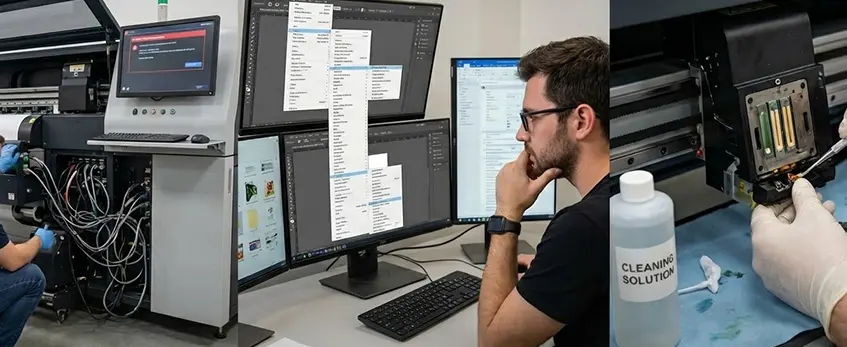
Switching to Fluo Ink for textile printing brings some challenges worth considering. Here’s a quick look at the main hurdles and how to handle them:
| Challenge | Details | Solutions |
|---|---|---|
| Printer Configuration | Some printers need hardware tweaks for neon DTF printing solutions. Not all printheads handle fluorescent magenta and yellow ink the same. | Check compatibility, upgrade printheads if needed, and consult your supplier for proper setup. |
| RIP Software Complexity | Managing CMYK+Neon color gamut and setting up neon channels can be tricky, demanding advanced RIP software that supports direct to film ink compatibility. | Use specialized RIP software for neon channels; invest in training to handle spot colors accurately. |
| Maintenance & Clogging | Fluo inks are thicker and more reactive, increasing clog risks and printhead wear. This can interrupt high-visibility sportswear printing if not managed well. | Regular cleaning cycles and using inks like Jinlong’s DTF Fluo inks, which are formulated for printhead safety, reduce downtime. |
While these issues add operational overhead, the payoff in print quality and market appeal is often worth it. For printers exploring specialty inks, understanding these challenges upfront can save time and money. For more on choosing the right printer setup, check our DTF printer buying guide with features that really matter.
Strategic Use Cases: Where Does Fluo Sell Best?
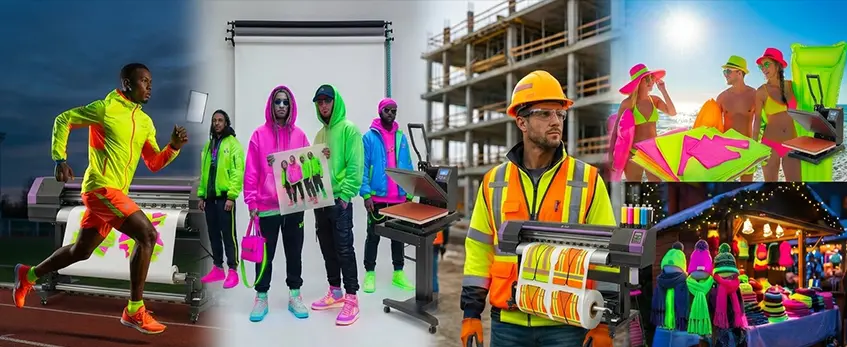
Fluo ink truly shines in markets where bold, eye-catching prints matter most. Here’s where you’ll see the biggest impact and best sales results:
Activewear & Sportswear
High-visibility sportswear printing is a top use case for fluorescent magenta and yellow ink. Athletes and enthusiasts alike need gear that stands out on the field or track, especially in low-light or early-morning workouts. Fluo inks, with their neon DTF printing solutions, boost visibility without sacrificing comfort or durability, making them a natural fit for activewear brands pushing high-performance apparel.
Streetwear & Fashion
Custom streetwear apparel design thrives on bold colors and fresh aesthetics, and fluorescent inks add that pop that truly sets pieces apart. Neon highlights and CMYK+Neon color gamut options let designers get creative, offering glow-in-the-dark vibes without the fade of traditional inks. This ink’s versatility makes it ideal for niche fashion drops targeting urban trends and youth culture.
Safety & Corporate Gear
Safety apparel relies heavily on UV reactive textile ink and bright fluorescent colors that catch attention—and meet regulations. Whether it’s reflective vests or high-visibility corporate uniforms, fluo ink ensures workers remain visible on-site. Its wash fastness of fluorescent prints means long-lasting performance, essential for safety gear used daily in tough environments.
Seasonal Merchandise
Neon heat transfer transfers make seasonal merchandise—from Halloween costumes to summer festival tees—stand out instantly. Fluo inks are perfect for limited-time offers that benefit from that extra visual punch, driving impulse buys while supporting short production runs.
Across all these categories, using DTF printer spot colors strategically lets shops expand their offerings and reach markets that demand vibrancy and durability. For businesses targeting these sectors, mastering fluo ink applications is a smart move to gain competitive advantage.
For details on maintaining printer efficiency while handling specialty inks like these, exploring a DTF machines maintenance guide is a great resource. Also, learn why DTF printing is becoming the top choice for custom apparel to fully leverage these fluorescent ink benefits.
Technical Implementation: Getting the Best Results
To maximize the impact of Fluo Ink for Textile Printing, nail the technical setup. Here’s how to get that neon DTF printing solution humming perfectly:
ICC Profiling
Matching colors with precision is key. Use ICC profiles tailored for CMYK+Neon color gamut to ensure your fluorescence pops just right on your fabric. This helps manage the bright, eye-catching tones of fluorescent magenta and yellow ink while keeping smooth gradients.
Layering Strategy
Fluo inks often need a layering approach for true vibrancy:
- Base Layer: Apply an opaque white layer first to make colors stand out on dark textiles.
- Fluo Layer: Print the fluorescent colors on top, ensuring they sit bright and bold.
- Protective Topcoat: A thin clear layer can boost wash fastness of fluorescent prints and help with durability.
Curing Temperatures
Proper curing preserves neon heat transfer transfers’ glow and durability:
| Ink Type | Recommended Curing Temp | Cure Time | Notes |
|---|---|---|---|
| Fluorescent Yellow | 150-160°C (302-320°F) | 15-25 seconds | Avoid overheating to prevent fading |
| Fluorescent Magenta | 150-160°C (302-320°F) | 15-25 seconds | Consistent heat for color hold |
| Clear Protective Coat | 140-150°C (284-302°F) | 15-20 seconds | Helps maintain wash fastness |
Tips:
- Monitor curing closely to prevent clogging and preserve printhead life.
- Adjust curing based on fabric type for best adhesion without damaging material.
For top results, combine proper ICC profiling, a smart layering strategy, and precise curing with compatible equipment. This setup helps your DTF printer spot colors shine while keeping the integrity of the print long term.
Explore more about perfecting your process with advanced DTF transfer film and machine guidelines tailored to specialty inks.
Why Choose Jinlong DTF Fluo Inks? Color Consistency, Printhead Safety, Wash Fastness
Choosing the right dtf fluo ink makes a big difference in your textile printing results, especially when working with neon DTF printing solutions. Jinlong’s DTF Fluo inks stand out because they focus on three key areas:
| Feature | Why It Matters | Jinlong DTF Fluo Benefit |
|---|---|---|
| Color Consistency | Reliable, bright fluorescent magenta and yellow ink for vivid prints | Maintains stable neon colors batch-to-batch, giving you that punchy CMYK+Neon color gamut every time |
| Printhead Safety | Specialty inks can clog or damage printheads | Formulated for smooth flow, reducing printhead maintenance and extending printer life |
| Wash Fastness | Fluorescent colors sometimes fade quickly after wash | Jinlong inks are tested for strong wash fastness, ideal for high-visibility sportswear printing and durable streetwear |
These benefits make Jinlong DTF Fluo inks a smart choice whether you’re printing custom streetwear apparel designs or safety and corporate gear requiring reliable neon heat transfer transfers. Plus, Jinlong inks are fully compatible with most direct to film ink setups, ensuring easy integration into your existing workflow.
For printing eco-friendly or sustainable options, consider blending Jinlong’s inks with their range of DTF transfer film and printers designed for cotton, polyester, and blends, all ensuring top-quality vibrant fluorescent results.



 English
 Español
 Deutsch
 Français