
No hay productos en la cesta.

Jinlong
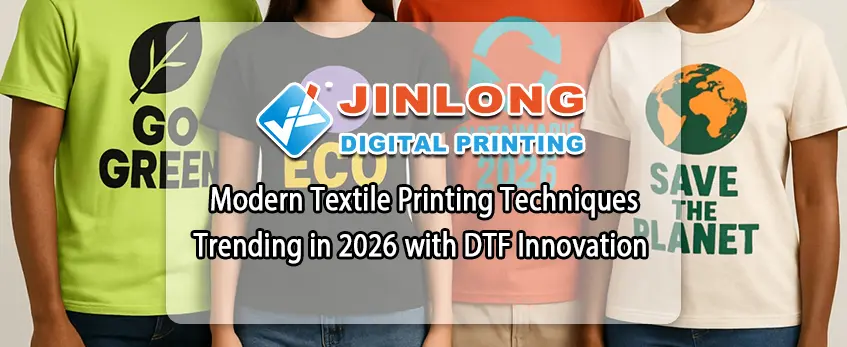
Técnicas modernas de impresión textil en tendencia en 2026 con DTF Innovation
Técnicas modernas de impresión textil: Lo que está de moda en 2026 es algo más que una frase de moda: es la puerta de entrada para seguir siendo competitivo en un sector que cambia a la velocidad del rayo. En exigencias de sostenibilidad, El auge de impresión de ropa bajo demanda, y en curso disrupción digital, Comprender los últimos avances nunca ha sido tan importante. Tanto si es diseñador, fabricante o director de marca, las innovaciones de 2026 en impresión digital textil y Tendencias de impresión directa sobre película (DTF) están redefiniendo la forma en que los tejidos cobran vida. En este artículo, nos desharemos del ruido para desvelar las técnicas, tecnologías y aplicaciones reales que impulsan esta evolución, además de cómo... jinlong DTF está a la vanguardia con soluciones versátiles y ecológicas diseñadas para las realidades del mercado actual. Sumerjámonos y descubramos qué está dando forma al futuro de la impresión textil.
Panorama general: Factores clave que determinarán la impresión textil en 2026
Si se pregunta qué es lo que realmente está impulsando el cambio en la impresión textil este año, todo gira en torno a sostenibilidad, velocidad y tecnología inteligente. He aquí lo que está configurando el panorama del sector:
Sostenibilidad y presiones normativas: La presión en favor de la impresión ecológica de tejidos es más fuerte que nunca. Las marcas y los fabricantes se enfrentan a normativas estrictas, especialmente en EE. UU. y la UE, que exigen... tintas al agua, procesos digitales sin aguay reducción de residuos. Estas exigencias ecológicas obligan a todos a replantearse los materiales y los métodos.
El auge de la personalización masiva y a la carta: El mercado quiere productos personalizados más rápidos. Los consumidores esperan series pequeñas y únicas, gracias al crecimiento de la impresión de ropa bajo demanda y personalización textil a medida. Este cambio está transformando las cadenas de suministro de las tradicionales tiradas masivas en sistemas de producción ágiles y de tiradas cortas.
Integración tecnológica: Automatización e IA: La automatización no es solo una tendencia; es una necesidad. Los flujos de trabajo integrados de IA agilizan ahora todo, desde el diseño hasta la producción, aumentando la eficiencia y reduciendo los costes. En unificación digital en todos los pasos del servicio significa plazos de entrega más rápidos y una calidad más homogénea.
Agilidad y eficacia de la cadena de suministro: La flexibilidad es fundamental para que las marcas se adapten a las fluctuaciones de la demanda y la disponibilidad de materiales. Cadenas de suministro más ágiles que resistencia de la cadena de suministro textil son vitales. Las empresas que adoptan la producción rápida y la impresión localizada aventajan a la competencia.
Juntas, estas fuerzas están dirigiendo el mundo de la impresión textil hacia la innovación, impresión textil sostenible métodos que apoyan tejidos a medida y una fabricación más inteligente y responsable. La clave está en equilibrar los objetivos ecológicos sin sacrificar la velocidad ni la calidad, un reto que gigantes como jinlong DTF están resolviendo con soluciones vanguardistas y adaptables.
Las técnicas de impresión textil más populares en 2026
En 2026, la impresión textil está evolucionando rápidamente con varias técnicas destacadas que están ganando terreno en el mercado estadounidense.
Impresión directa en película (DTF) lidera el mercado gracias a su versatilidad con distintos tejidos, sus resultados vibrantes y duraderos y su configuración rentable para lotes pequeños. Es perfecta para la impresión de ropa bajo demanda y la personalización masiva sin grandes inventarios. Además, las adaptaciones ecológicas de las tintas y procesos DTF están creciendo rápidamente. Por ejemplo, jinlong DTF ofrece soluciones innovadoras con fórmulas más ecológicas y películas de transferencia fiables que favorecen los flujos de trabajo sostenibles. Serie de películas de transferencia DTF para obtener impresiones uniformes de alta calidad.
Directo a la prenda (DTG) y variantes avanzadas siguen siendo fuertes, impulsando velocidades de producción más rápidas y la compatibilidad con una gama más amplia de sustratos mejorados. Esto ayuda a las marcas a satisfacer una mayor demanda de textiles personalizados de tiradas cortas.
Impresión digital directa sobre tela y pigmentos siguen impresionando con impresiones de alta resolución que utilizan tintas al agua en configuraciones sostenibles de rollo a rollo. Esta combinación garantiza una impresión de tejidos respetuosa con el medio ambiente sin comprometer el detalle ni la durabilidad.
Próxima generación impresión por sublimación también está evolucionando, sobre todo para los tejidos sintéticos, integrando tintas ecológicas mejoradas que reducen el impacto ambiental al tiempo que mantienen colores vibrantes.
DTF UV y métodos de impresión híbridos están llamando la atención más allá de la ropa. Estas técnicas ofrecen un gran potencial para los productos promocionales y las marcas corporativas al ampliar las superficies imprimibles y aumentar la durabilidad.
Entre las nuevas tendencias tecnológicas a tener en cuenta se encuentran la impresión rollo a rollo en un solo paso, los procesos digitales totalmente sin agua y los flujos de trabajo optimizados con IA que aumentan la eficiencia y la precisión en todas las fases de impresión.
Para cualquiera que se tome en serio las tendencias de impresión textil en 2026, adoptar estas técnicas modernas, sostenibles y escalables -especialmente con el apoyo de líderes de la industria como jinlong DTF- significa mantenerse a la vanguardia en este mercado en rápida evolución.
La sostenibilidad en el centro de las técnicas modernas
En 2026, la sostenibilidad ya no es opcional en la impresión textil, sino que está en el centro de todas las técnicas modernas. La impresión ecológica de tejidos se basa ahora en gran medida en tintas biodegradables y a base de agua que reducen el impacto ambiental. Además, los sustratos reciclados se están convirtiendo en un estándar, lo que reduce los residuos de materias primas.
La impresión directa sobre película (DTF) y otros métodos de impresión digital textil 2026 ayudan a minimizar significativamente los residuos en comparación con la serigrafía tradicional, que a menudo utiliza un exceso de tinta y agua. Estos avances están en consonancia con un cumplimiento más estricto de la normativa, especialmente tras las normas de la UE sobre emisiones y uso de productos químicos. Más allá del cumplimiento de la normativa, la ecologización ofrece claras ventajas empresariales, como el ahorro de recursos y la mejora de la reputación de la marca.
En particular, jinlong DTF ha desarrollado fórmulas más ecológicas que combinan tintas respetuosas con el medio ambiente con flujos de trabajo eficientes, haciendo que la impresión textil sostenible sea práctica y escalable. Sus soluciones, que incluyen Láminas de transferencia DTF, apoyan a los impresores que pretenden equilibrar la calidad con la responsabilidad medioambiental sin comprometer la velocidad ni los resultados vibrantes.
Personalización y producción a la carta

La personalización y la producción bajo demanda están cambiando la forma en que las prendas personalizadas y los textiles de marca llegarán a los clientes en 2026. La impresión rápida y de bajo volumen permite a las empresas producir diseños únicos y vibrantes sin el riesgo y el coste de mantener grandes inventarios. Este modelo encaja perfectamente con las plataformas de comercio electrónico, los artículos para eventos y las colecciones de edición limitada, donde la agilidad y la variación son fundamentales.
Gracias a las técnicas avanzadas de impresión digital textil y de impresión directa sobre película (DTF), las empresas pueden ofrecer gráficos detallados y de alta calidad en diversos tejidos de forma rápida y rentable. Gracias a esta flexibilidad, las marcas pueden ofrecer productos a medida que destaquen al tiempo que minimizan los residuos y las necesidades de almacenamiento.
Para aquellos que deseen iniciar o ampliar la impresión bajo demanda, la exploración de una completa Kit DTF para principiantes puede proporcionar herramientas y flujos de trabajo esenciales para aprovechar este mercado en auge.
Integración tecnológica y aumento de la eficiencia

En 2026, la integración tecnológica cambiará las reglas del juego de las técnicas modernas de impresión textil. La automatización y la IA están agilizando los flujos de trabajo de diseño a producción, haciendo que los procesos sean más rápidos y eficientes que nunca. Esto se traduce en plazos de entrega más rápidos, costes más bajos y una escalabilidad más sencilla, ventajas fundamentales para las empresas que satisfacen la creciente demanda de impresión de prendas bajo demanda y tejidos personalizados en masa.
Herramientas como las de jinlong DTF desempeñan un papel crucial en el apoyo a operaciones fluidas y automatizadas. Sus soluciones DTF ayudan a minimizar los pasos manuales, reducir los errores y optimizar el uso de tinta y material, impulsando la productividad general. Al adoptar la automatización de la impresión textil, los fabricantes estadounidenses pueden seguir siendo competitivos y ágiles en un mercado que valora la velocidad y la sostenibilidad.
Para ver ejemplos de cómo solucionar problemas y mantener sistemas DTF automatizados, explore los consejos sobre identificar los problemas de los cabezales de impresión frente a los problemas del sistema de tinta puede ser muy útil. Este enfoque proactivo mantiene las instalaciones en funcionamiento de forma eficiente, evitando costosos tiempos de inactividad.
En general, los aumentos de eficiencia impulsados por la tecnología garantizan que la impresión textil digital en 2026 no se trate solo de calidad y personalización, sino también de cumplir los objetivos empresariales con soluciones inteligentes y escalables.
Aplicaciones en todos los sectores de la impresión textil 2026
Las modernas técnicas de impresión textil están encontrando fuertes aplicaciones en diversos sectores, impulsadas por la necesidad de personalización, sostenibilidad y eficiencia. En el sector de la ropa y la moda, la impresión directa sobre película (DTF) y directa sobre prenda (DTG) domina las camisetas, la ropa deportiva y el ocio, ofreciendo diseños vibrantes y duraderos que atraen a los consumidores de hoy en día. Estos métodos admiten la personalización masiva de tejidos, lo que permite a las marcas ofrecer rápidamente prendas personalizadas.
Más allá de la moda, los textiles para el hogar y la señalización blanda se benefician de la impresión digital directa sobre tejido y pigmentada, que produce impresiones ecológicas de alta resolución muy adecuadas para cortinas, cojines y carteles. Las marcas promocionales y corporativas también han adoptado la impresión textil moderna, utilizando DTF UV y métodos híbridos para crear artículos llamativos sin grandes riesgos de inventario.
Los nichos de mercado como los textiles técnicos y los tejidos inteligentes están explorando la decoración innovadora de prendas combinada con la automatización de la impresión textil, lo que ayuda a integrar sensores y materiales de alto rendimiento con impresiones personalizadas. Este amplio espectro de aplicaciones refleja lo versátiles y esenciales que se han vuelto las técnicas de impresión digital textil 2026 en todos los sectores.
Para los interesados en opciones avanzadas, explorar la el futuro de la impresión de ropa y cómo la DTF digital lidera el mercado ofrece valiosas ideas para ampliar eficazmente estas aplicaciones.
Desafíos y cómo superarlos

Equilibrar calidad, velocidad y sostenibilidad sigue siendo un reto fundamental en las técnicas modernas de impresión textil. Muchas empresas luchan por mantener impresiones de alta calidad sin ralentizar la producción ni aumentar el impacto medioambiental. Invertir en equipos avanzados como los sistemas DTF de jinlong puede ayudar a superar estos problemas al ofrecer soluciones de impresión fiables y ecológicas que aumentan la eficiencia.
Otro obstáculo es el coste inicial de la nueva maquinaria y la falta de cualificación del personal para adaptarse a las tendencias de la impresión digital textil 2026. La formación de los equipos en las últimas tecnologías de impresión directa sobre película y sobre prenda es crucial. Asociarse con proveedores experimentados como jinlong DTF no solo ofrece acceso a herramientas de vanguardia, sino también un valioso apoyo y orientación para el desarrollo de la mano de obra.
Adoptar eficazmente estas técnicas de impresión textil de moda:
- Empezar poco a poco con proyectos escalables para minimizar el riesgo
- Utilizar tintas al agua y fórmulas más ecológicas para alinearse con los objetivos de sostenibilidad
- Aproveche las funciones de automatización de los sistemas DTF de jinlong para obtener resultados más rápidos y uniformes
- Manténgase informado sobre las mejores prácticas y actualizaciones a través de recursos del sector como opciones de tinta jinlong DTF
- Trabajar con proveedores que ofrezcan formación y asistencia técnica completas
Al abordar estos retos de frente con socios de confianza y estrategias específicas, los impresores textiles de EE.UU. pueden seguir siendo competitivos y satisfacer la creciente demanda de impresión de prendas de vestir personalizadas y sostenibles.
Mirando al futuro: Más allá de 2026
Más allá de 2026, la impresión textil evolucionará con tintas más inteligentes y una mayor integración de biomateriales. Se esperan innovaciones en tintas que se adapten automáticamente a los tipos de tejido y ofrezcan una mayor durabilidad con un impacto medioambiental aún menor. Los materiales de origen biológico desempeñarán un papel más importante, haciendo de la impresión textil sostenible no solo una opción, sino la norma.
La automatización total, desde el diseño hasta la producción final, redefinirá la eficiencia. Imaginemos flujos de trabajo completos de impresión textil impulsados por la IA, que aceleren la producción, reduzcan los errores y recorten los costes al tiempo que mantienen la máxima calidad. Esto permitirá a las marcas reaccionar al instante a las tendencias del mercado con tejidos de personalización masiva e impresión de prendas bajo demanda, sin dejar de ser respetuosas con el medio ambiente.
Los primeros en adoptar estas tecnologías avanzadas de impresión digital textil 2026 tendrán una clara ventaja. Invertir ahora en herramientas como las impresoras DTF de Jinlong significa una mayor resistencia de la cadena de suministro y la capacidad de ofrecer una decoración de prendas innovadora más rápidamente que la competencia. Mantenerse a la vanguardia de las innovaciones no solo garantiza el cumplimiento de normativas cada vez más estrictas, sino que también satisface la creciente demanda de productos únicos y sostenibles por parte de los clientes.
En un mercado que premia la rapidez, la calidad y la sostenibilidad, quienes adopten hoy las nuevas tendencias liderarán la industria de la impresión textil del mañana.


 English
 Español
 Deutsch
 Français