
No products in the cart.

Jinlong
DTF vs Vinyl Printing for T-Shirts in 2026 Which Method Is Best
If you’re diving into custom apparel in 2026, the question “DTF vs Vinyl: Which Printing Method Is Better for T-Shirts?” is more than just curious—it\’s crucial. Whether you’re a small business owner chasing vibrant, detailed designs or a hobbyist looking for quick, reliable prints, choosing between Direct-to-Film (DTF) printing and Heat Transfer Vinyl (HTV) can make or break your next project. The printing landscape is evolving fast, with new tech pushing what’s possible—and cost-effective. Ready to cut through the noise? Let’s unpack the essentials, compare the latest in quality, durability, and cost, and pinpoint which method truly shines for your 2026 t-shirt game.
Demystifying the Methods: How DTF and Vinyl Actually Work on T-Shirts
When it comes to custom apparel printing, understanding how Direct-to-Film (DTF) and vinyl heat transfer methods work is key to choosing the right approach for your T-shirt projects. Both techniques use heat to apply designs, but their processes and materials are quite different.
The DTF Printing Process Step-by-Step
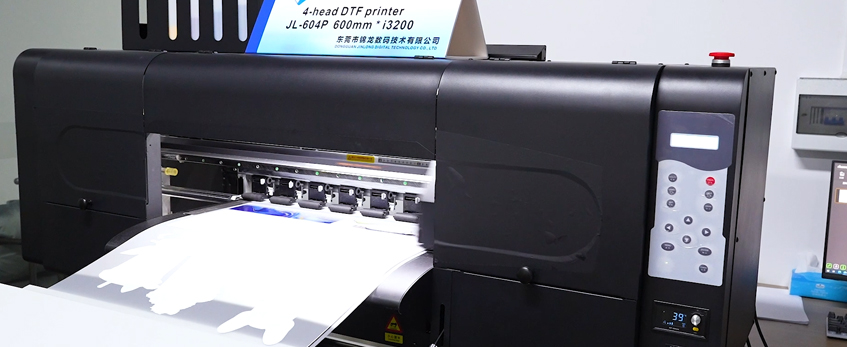
DTF, or direct-to-film t-shirt printing, uses specially formulated inks and films to create detailed, vibrant prints. Here’s how it works:
- Design Printing: First, a design is printed in reverse onto a transparent PET film using a DTF printer with water-based, eco-friendly ink.
- Powder Application: While the ink is still wet, a hot-melt adhesive powder is applied evenly on the printed film.
- Curing: The film goes through a curing process, typically in a heat tunnel, to melt and fix the adhesive powder onto the ink.
- Heat Press Transfer: Finally, the film is heat pressed onto the T-shirt fabric. The adhesive bonds the ink to the garment, creating a soft, flexible print with excellent durability.
Compared to traditional printing, DTF delivers photorealistic graphics with impressive color vibrancy and works across many fabric types, including cotton, polyester, and blends.
The Vinyl Heat Transfer Process Step-by-Step
Vinyl heat transfer involves cutting designs from colored heat transfer vinyl (HTV) sheets and pressing them onto shirts. The method looks like this:
- Design Preparation: A design is created in vector format and mirrored for transfer.
- Cutting: A vinyl cutter slices the design out of a sheet of heat transfer vinyl.
- Weeding: Excess vinyl is removed, leaving only the intended design.
- Heat Press Application: The vinyl design is placed on the shirt, then pressed with a heat press according to the vinyl manufacturer’s temperature and timing instructions.
- Cooling & Peeling: Once cooled, the carrier sheet or backing is peeled off, leaving a vinyl decal fixed on the fabric.
Heat transfer vinyl is known for its crisp, bold colors and durability, especially for simple logos or designs with solid colors. It’s a favorite for small businesses and hobbyists because of its straightforward process and low startup cost.
Both DTF and vinyl bring unique strengths depending on your design complexity, fabric type, and production scale. Next, we’ll break down how these methods stack up across critical printing metrics.
Head-to-Head Comparison: DTF vs. Vinyl Across Critical T-Shirt Metrics
When deciding between DTF vs Vinyl for your t-shirt projects, it\’s key to weigh their performance across several important factors. Here’s a quick breakdown to help you choose:
| Metric | DTF (Direct-to-Film) | Vinyl (Heat Transfer Vinyl) |
|---|---|---|
| Print Quality & Design | – Photorealistic prints with vibrant colors – Supports complex, multicolor images | – Best for solid colors and simple designs – Limited color gradients |
| Durability & Wash Performance | – High durability with excellent wash resistance, especially on cotton – Flexible prints that don’t crack easily | – Very durable with wash-resistant vinyl decals – Can crack or fade over time if not applied properly |
| Fabric Compatibility | – Works well on cotton, polyester blends, and more – Great for niche fabrics due to ink adhesion | – Best on cotton and polyester – Limited on stretchy or delicate fabrics |
| Cost: Startup | – Moderate initial investment (printer, inks, films) – Starter kits like jinlong DTF simplify setup | – Lower startup costs (vinyl cutter and heat press) |
| Cost: Per-Unit | – Cost-effective for detailed and multicolor designs – Slightly higher ink and film cost | – Very affordable per unit for simple designs – Costs rise with complex layering |
| Cost: Scaling Economics | – Scales well for small to medium runs (up to 50-100 shirts) – Faster turnaround on multicolor jobs | – Efficient for bulk runs, especially with one or two colors |
| Production Speed | – Faster for full-color prints, less manual labor than vinyl layering | – Slower if multiple vinyl layers; simpler single-color cuts are quick |
| Ease of Use & Labor | – Requires some training for print prep and curing – Less manual weeding and layering | – More manual work (cutting, weeding, layering) – Simple tools but time-consuming for complex designs |
In 2026, both methods have evolved. DTF now offers eco-friendly transfers with robust ink durability on cotton blends, while vinyl remains a go-to for simple, highly durable graphics. For a deeper dive into the technology behind DTF, check out the detailed jinlong DTF printer guide for beginners.
2026 Trends: What\’s Shaping the Future of T-Shirt Printing
As we move through 2026, the t-shirt printing industry is evolving fast, driven by new tech and shifting customer demands. One clear trend is the push for eco-friendly DTF transfers that use less water and energy while cutting waste. Brands and print shops are prioritizing sustainable options, and DTF printing fits right in with that move, thanks to its efficient, chemical-free process compared to older methods.
Another big shift is the rise of photorealistic t-shirt graphics. Customers want sharp, detailed designs that pop, and DTF excels here with high-resolution color vibrancy that’s tough to beat. Vinyl is still great for bold, simple logos or text but can’t match the color depth and gradients that modern DTF printers deliver.
On the production side, automation and scalability are becoming crucial. Print shops are leaning into machines and methods that let them grow without adding labor costs. This means scalable custom tee production is more important than ever, with DTF’s faster turnaround and simplified workflow gaining traction over vinyl’s multi-step cutting and weeding process.
Lastly, fabric compatibility printing is a hot topic. Customers now expect soft prints on a variety of materials, from cotton to blends and even nylon. DTF’s ability to bond well across fabrics gives it a big advantage in meeting diverse order needs.
If you want to stay competitive, keeping up with these 2026 trends—especially by adopting innovative DTF technology—will be key. For a deeper look at how to leverage these advancements in your print business, check out our detailed guide on why 4 head DTF printers are the best choice for growing print businesses.
Which Method Wins for Your T-Shirt Projects? Scenario-Based Recommendations

Choosing between DTF and vinyl printing depends a lot on your specific needs, project size, and fabric choices. Let’s break down which method fits best across different scenarios:
For Beginners and Hobbyists
If you’re new to custom apparel printing, DTF offers a smoother start. It’s less about cutting and weeding vinyl and more about straightforward transferring. The learning curve is gentler, and you can achieve vibrant, photorealistic designs with minimal fuss. Plus, the jinlong DTF starter kits provide everything you need to jump in without overcomplicating.
For Small Runs (1-50 Shirts)
DTF shines for small batches because setup is quick and you don’t waste material on intricate vinyl cuts or weeding. It’s cost-effective here, with excellent color detail and good durability on standard fabrics like cotton. Vinyl can work too, especially for simple, bold designs, but prep time is longer. The ability to do scalable custom tee production without slowdown leans the edge toward DTF for small businesses.
For Bulk Orders (50+ Shirts)
When printing in bulk, vinyl heat transfers tend to pull ahead on cost per unit if you have the right cutter and press. Vinyl’s durability and vibrant colors hold strong in large runs, especially for basic graphics. But with advancements in DTF, including eco-friendly options and fast curing techniques, DTF printing technology trends of 2026 make it a serious contender here too, especially if your designs are complex and photorealistic.
For Niche Fabrics and Designs
DTF comes out ahead when working with unusual or mixed fabrics. Its ink sticks well on polyester blends, dark fabrics, and even some stretchy materials without cracking. Vinyl heat transfers can be limited by fabric thickness and flexibility. If your project demands high-quality, wash-resistant graphics on diverse textiles, DTF offers better fabric compatibility and versatility.
Hybrid Strategy
Many shops combine both methods. Use vinyl for simple logos or text-heavy designs requiring sharp edges, and switch to DTF for colorful, intricate or photographic prints. This flexible approach optimizes cost, quality, and production speed based on the job at hand.
Case Study: Texas Print Shop Success with jinlong DTF
A Texas-based print shop recently expanded their operations by incorporating jinlong DTF printers. They reported dramatic improvements in turnaround time and online order capacity. The ability to produce vibrant, durable prints across cotton and polyester blends helped them land larger contracts while keeping startup costs manageable. Their success story underscores how embracing DTF today positions you well for 2026 and beyond.
For more details on integrating DTF transfers into your workflow, explore the range of jinlong DTF transfer films designed for scalability and consistent quality.
Getting Started with jinlong DTF: Your Path to Superior T-Shirt Prints
If you’re ready to take your custom apparel game up a notch, jinlong DTF is a smart choice. Known for producing vibrant, durable prints with excellent wash resistance, jinlong’s DTF technology stands out in 2026’s competitive T-shirt printing market. Whether you’re new to Direct-to-Film t-shirt printing or looking to upgrade from older methods, jinlong offers reliable equipment designed with user-friendly features and consistent quality.
Why Choose jinlong DTF?
- High-Quality Prints: Get sharp, photorealistic t-shirt graphics that hold up wash after wash thanks to jinlong DTF ink durability on cotton and other fabrics.
- Versatility: Prints well on various fabrics, including cotton, polyester blends, and even niche materials.
- Eco-Friendly Transfers: jinlong’s DTF process focuses on reducing waste, matching the eco-friendly DTF transfers trend shaping 2026 printing technology.
- Scalable Production: From small runs to bulk orders, jinlong machines handle scalable custom tee production efficiently.
Starter Kit Guide
To make your transition smooth, jinlong offers starter kits that include everything you need: a DTF printer, heat press, curing oven, pre-treatment solutions, and detailed application guides. These kits simplify setup and help you start producing high-quality prints with minimal fuss.
Exclusive Offer
Take advantage of special deals on jinlong DTF starter kits available now. Perfect for small businesses and hobbyists aiming to boost their capabilities with professional-grade equipment without breaking the bank.
Ready to jump in? Explore detailed resources on choosing the best t-shirt graphic printer for high-quality prints and learn how jinlong DTF can revolutionize your apparel business. The future of custom T-shirt printing starts here—make the move to jinlong DTF and see the difference in your prints today.


 English
 Español
 Deutsch
 Français