

How Material Innovation Shapes the Future of DTF Film: Jinlong Skin-Like Tech
The Evolution of DTF Film Materials: How Jinlong’s Skin-Like Tech Redefines Print Quality and Durability
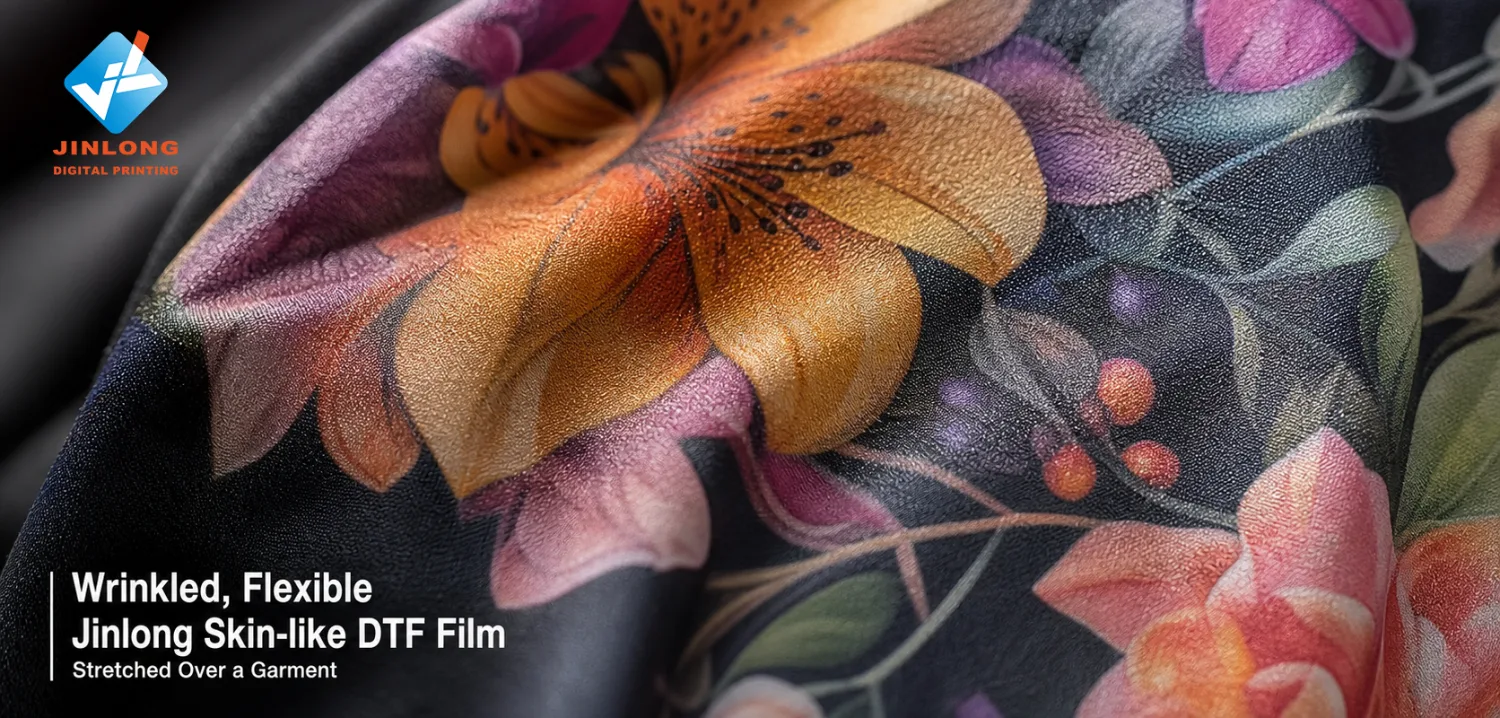
The DTF film industry has undergone a remarkable transformation, shifting from basic polymer carriers to advanced substrates that prioritize both print fidelity and tactile experience. At the forefront of this evolution is Jinlong’s skin-like film technology, a material innovation that mimics the soft, flexible feel of human skin while maintaining exceptional durability. This breakthrough addresses a long-standing trade-off in DTF film innovation: achieving high-resolution color reproduction without sacrificing the soft hand feel demanded by apparel brands. By integrating a specialized surface texture that enhances ink absorption and reduces cracking during stretching, Jinlong’s skin-feel film sets a new benchmark for print quality and long-term wear resistance. For B2B buyers seeking to differentiate their product lines, this material advancement offers a tangible competitive edge in the growing market for premium DTF transfers.
From Traditional Polymers to Smart Substrates: Material Breakthroughs Driving the Next Generation of DTF Films with Jinlong’s Skin-Like Innovation
Traditional DTF films relied on standard polyester or polyurethane layers that often delivered stiff prints with limited stretch recovery. The next generation of DTF film, however, is defined by smart substrate engineering that responds to both thermal transfer conditions and end-use demands. Jinlong’s skin-like tech represents a paradigm shift in advanced film materials, utilizing a multi-layer composite structure that balances elasticity with dimensional stability. This material innovation allows the film to conform to curved garment surfaces without lifting, while its micro-textured surface improves powder adhesion and reduces ghosting. As a result, printers can achieve consistent, high-quality transfers on challenging fabrics like performance wear and stretch knits. For converters and decorators, adopting this next-gen DTF film means fewer rejects and faster production cycles, directly impacting profitability.
Why Material Science Matters in DTF Film: Analyzing Jinlong’s Skin-Like Tech for Enhanced Adhesion, Stretch, and Hand Feel
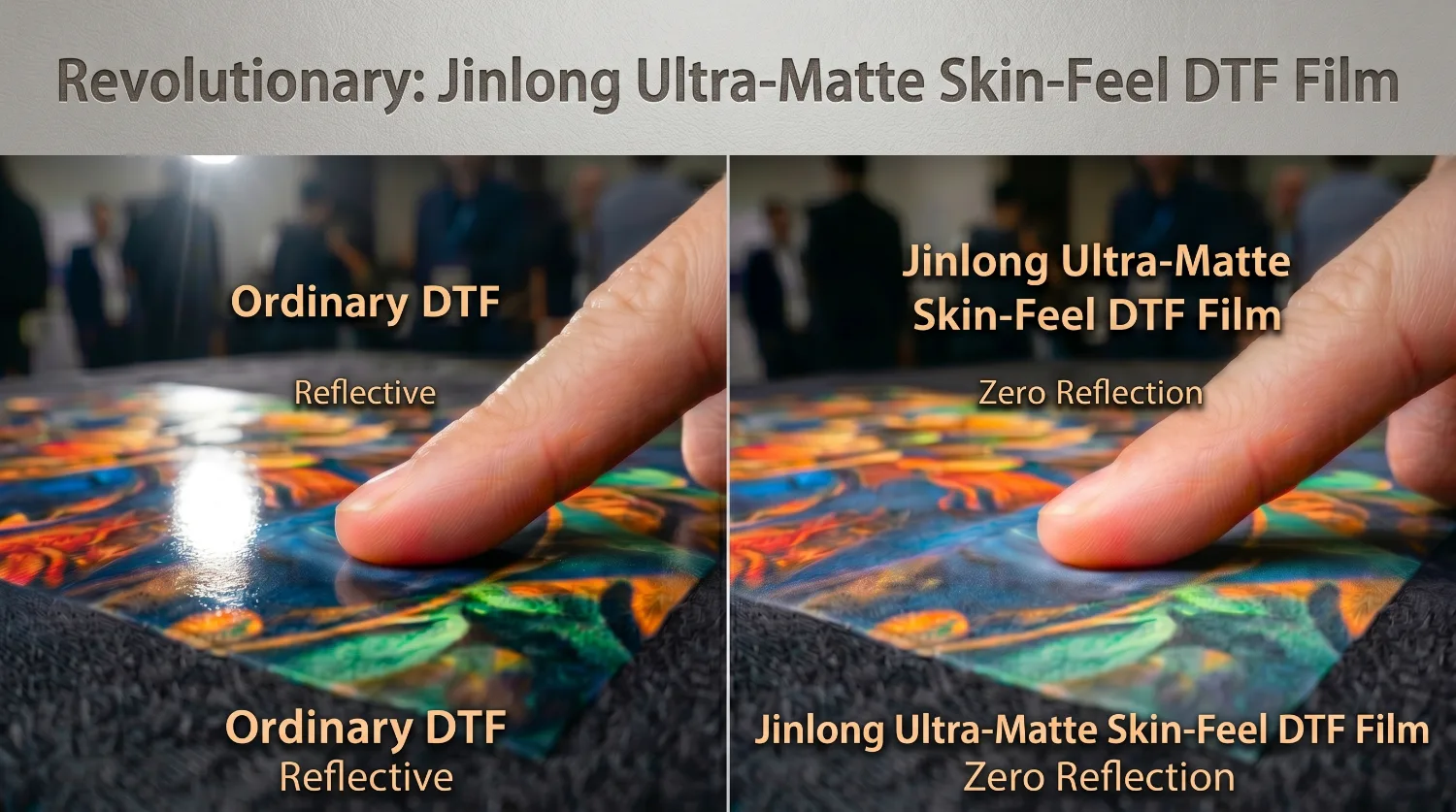
Material science is the hidden driver behind every successful DTF transfer, influencing how ink bonds to the film and how the final print interacts with fabric. Jinlong’s skin-like film technology leverages advanced polymer chemistry to optimize three critical performance metrics: adhesion, stretch, and hand feel. The film’s unique surface texture provides a mechanical grip that enhances ink anchoring without the need for aggressive primers, resulting in vivid colors that withstand repeated laundering. Simultaneously, the elastic substrate maintains up to 200% elongation without delamination, making it ideal for activewear and swimwear. The soft touch film finish is achieved by controlling the cross-link density of the polymer matrix, delivering a supple texture that feels like part of the garment rather than a plastic applique. For B2B clients, these scientific breakthroughs translate into fewer quality complaints and broader application possibilities.
Future-Proofing DTF Printing: How Jinlong’s Skin-Like Material Innovation Addresses Environmental and Performance Challenges
As sustainability regulations tighten and consumer expectations for eco-friendly products rise, DTF film manufacturers must innovate beyond mere performance. Jinlong’s skin-like tech not only enhances tactile film technology but also reduces environmental impact by enabling lower-temperature curing and eliminating the need for multiple adhesive layers. This material innovation decreases energy consumption during production and minimizes volatile organic compound (VOC) emissions. Furthermore, the film’s superior durability extends the lifespan of printed garments, aligning with circular economy principles. Looking ahead, Jinlong is actively developing bio-based alternatives for its skin-like film, further reducing reliance on fossil fuels. For forward-thinking print shops and apparel brands, adopting this next-gen DTF film is a strategic move to meet both regulatory demands and market preferences for sustainable, high-quality decorations. To explore how Jinlong’s skin-like tech can elevate your product offerings, contact us for samples and technical specifications.
FAQ
What is Jinlong’s skin-like DTF film technology?
Jinlong’s skin-like tech is a material innovation that creates a soft, flexible film mimicking human skin while maintaining durability. It uses a multi-layer composite structure to balance elasticity and dimensional stability, improving ink absorption and reducing cracking.
How does skin-like DTF film improve print quality?
It enhances print quality by integrating a specialized surface texture that grips ink better without aggressive primers, resulting in vivid colors. The film also reduces ghosting and provides up to 200% elongation without delamination, ensuring consistent transfers on stretchy fabrics.
What are the benefits of using Jinlong’s skin-like film for apparel?
The film delivers a soft hand feel that feels like part of the garment rather than a plastic applique, while resisting cracking and delamination. It conforms to curved surfaces without lifting, making it ideal for activewear, swimwear, and performance knits.
How does skin-like DTF film affect production efficiency for printers?
It reduces rejects and accelerates production cycles because of better powder adhesion and consistent transfer quality. Printers achieve fewer quality complaints and faster throughput, directly impacting profitability.
Is Jinlong’s skin-like DTF film environmentally friendly?
Yes, it enables lower-temperature curing and eliminates multiple adhesive layers, reducing energy consumption and VOC emissions. Its durability extends garment lifespan, aligning with circular economy goals, and bio-based alternatives are being developed.
Who should consider using Jinlong’s skin-like DTF film?
B2B buyers such as print shops, apparel brands, converters, and decorators looking to differentiate products with premium softness and durability. It is especially beneficial for those targeting activewear, swimwear, and high-quality transfers on stretchy fabrics.
How does skin-like film compare to traditional DTF films?
Traditional films often produce stiff prints with limited stretch recovery. Jinlong’s skin-like film offers superior elasticity (up to 200% elongation) without delamination, a soft touch finish, and better ink adhesion, solving the trade-off between print quality and hand feel.


 English
  Español
  Deutsch
  Français