
No products in the cart.

Jinlong
What Is DTF Printing on Shirts and Should Your Business Use It
What Does DTF Printing Actually Mean? (The Simple Explanation)
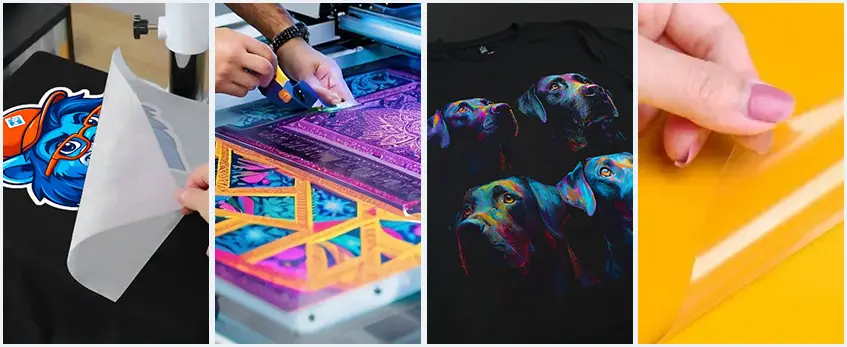
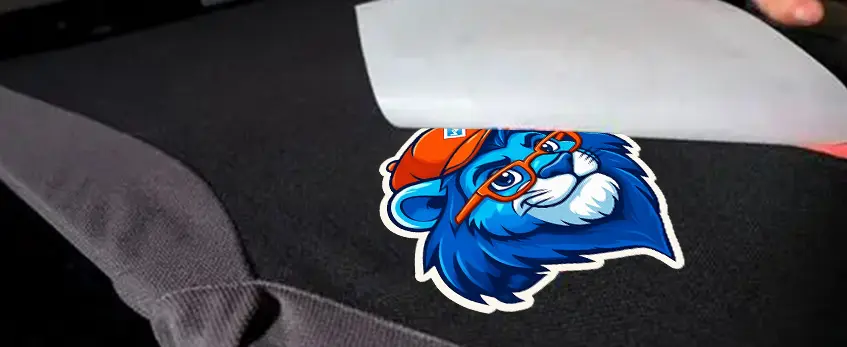
DTF stands for Direct-to-Film printing, a fresh and flexible way to print designs on shirts and other apparel. Instead of printing directly onto the fabric, DTF prints your design onto a special film first, which then transfers the image to the garment.
Here’s a quick breakdown of how it works step-by-step:
- Design creation – Start with your artwork, usually prepared in RIP software for the best color management.
- Printing on film – The design gets printed in full color (CMYK) plus white ink on a clear PET film.
- Adhesive application – A hot-melt adhesive powder covers the wet ink, sticking only to the design.
- Curing powder – The powder is dried and melted onto the film, creating a sticky layer.
- Heat transfer – You press the film onto the shirt using a heat press, transferring the design.
- Peeling – Once cooled, you peel off the film, leaving a vibrant print on the fabric.
Key components you’ll need:
- A DTF printer designed to handle white ink and precise details
- Special PET transfer film that carries the print
- Hot-melt adhesive powder, crucial for sealing the design to the fabric
- A heat press to efficiently transfer the print and cure it properly
This process makes DTF a versatile option for printing on a wide range of fabrics without any pretreatment. It’s quick, vibrant, and perfect if you want your designs to pop on light or dark shirts alike.
How DTF Works: The 6-Step Process in 2026
DTF printing on shirts follows a clear, reliable process that delivers vibrant, durable prints. Here’s how it works in 2026, step-by-step:
Design in RIP software
Create your artwork using specialized RIP (Raster Image Processor) software to optimize colors and print layout.
Print CMYK + white ink onto PET film
The design is printed in full color plus a white ink underbase directly onto a clear PET film using a DTF printer.
Automatic powder shaker applies adhesive
A machine automatically coats the printed film with hot-melt adhesive powder, which sticks to the wet ink.
Curing the powder
The adhesive powder is cured with controlled heat to fix it onto the ink, making the print ready for transfer.
Transfer onto shirt with heat press
The film is placed on the garment, then pressed under high temperature and pressure to transfer the design.
Peel and final cure
After cooling slightly, the film is peeled off, leaving the print on the shirt. A final heat press ensures durability and softness.
Each step is crucial for producing quality prints that pop on virtually any fabric. Using quality materials like professional DTF film and powder helps achieve consistent results—check out this DTF transfer film for a good example.
This straightforward process makes DTF printing a solid choice for businesses aiming for fast, colorful shirt prints with broad fabric compatibility.
DTF vs DTG vs Screen Printing vs Vinyl/Heat Transfer (2026 Comparison)
Here’s a quick side-by-side look at how DTF printing stacks up against DTG, screen printing, and vinyl/heat transfer in 2026. This will help you figure out which method fits your apparel business best.
| Feature | DTF Printing | DTG Printing | Screen Printing | Vinyl / Heat Transfer |
|---|---|---|---|---|
| Cost per Shirt | $1.50 – $3.80 (volume dependent) | $3 – $7 | $0.50 – $3 (bulk) | $2 – $5 |
| Setup Cost | Low to Medium | High (printer cost) | Medium to High (screens) | Low to Medium |
| Durability | 50–80 washes | 30–50 washes | 100+ washes | 30–60 washes |
| Fabric Compatibility | Cotton, polyester, blends, nylon, leather | Best on cotton, some blends | Most fabrics | Most fabrics |
| Minimum Order Qty (MOQ) | Low (1 shirt minimum) | Low | High (100+ shirts) | Low |
| Color Vibrancy | Very vibrant, true white underbase | Vibrant, no white underbase | Vibrant, but limited by ink | Solid colors, no gradients |
| Feel (Hand) | Soft, thin layer | Ultra-soft, ink bonded to fabric | Thick, can be stiff | Thick, vinyl feel |
| Production Speed | Fast (especially small runs) | Medium | Fast (bulk production) | Medium |
| Eco Factors | Moderate (film & powder use) | Low (water-based inks) | Varies, but uses water & chemicals | Moderate (PVC vinyl concerns) |
- DTF printing shines for vibrant, multi-fabric prints with low minimums and good durability.
- DTG is great for ultra-soft prints on light-colored cotton but struggles with dark shirts.
- Screen printing rules large runs with lower per-unit cost and excellent durability but has high setup costs and minimums.
- Vinyl/heat transfer is solid for simple designs but can feel thick and has limited color effects.
For a deeper dive into DTF printing cost structures and how it compares in real-world pricing, check out our detailed DTF printing cost breakdown.
Choosing the right print method depends on your business goals, budget, and fabric preferences — and this comparison can help you decide smartly.
The Real Pros of DTF Printing for Apparel Businesses
DTF printing offers several standout advantages that make it a game-changer for apparel businesses. First off, there’s no need for pre-treatment, saving time and extra steps. It works smoothly on a wide range of fabrics—cotton, polyester, blends, nylon, even leather—giving you versatile options for your product lineup.
One of the biggest wins is the vibrant, true-to-color output, including a solid white underbase that pops even on black or dark garments. This ensures your designs look sharp and bright every time. Plus, the print has a soft hand feel that’s much nicer than vinyl transfers, making customers more comfortable wearing your apparel.
When it comes to order size, DTF shines with low minimums and fast turnaround, ideal for small runs or on-demand printing. And compared to high-end DTG setups, the initial equipment cost is often lower, which is a big plus if you’re just starting out or want to keep overhead down.
For businesses exploring Direct-to-Film options, consider checking out how using a DTF powder shaker can boost your production volume efficiently and enhance powder application consistency for even better results. Learn more about these benefits at top benefits of using a DTF powder shaker for high-volume production.
The Cons & Limitations You Need to Know in 2026
While DTF printing has grown popular, it’s not without drawbacks. First off, prints tend to feel slightly thicker than pure DTG, especially on lightweight shirts. If you want that ultra-soft feel, DTF might not be the best fit for all garment types.
Next, the upfront investment can be a hurdle. You’ll need to buy a DTF printer, adhesive powder, and a powder shaker—or pay a premium if you outsource. Plus, the ongoing costs for film and powder add up, making consumables more expensive than DTG ink alone.
Wash durability is decent but not perfect—with prints lasting around 50 to 80 washes depending on the brand and care. Over-pressing during the heat transfer step can lead to a glossy finish, which might not suit every style or customer preference.
For a deeper dive into managing costs and materials, check out this detailed guide on how to price DTF printed holiday custom products for maximum profit.
Real-World Costs: How Much Does DTF Actually Cost Per Shirt?
When it comes to DTF printing cost per shirt, several factors add up: film, ink, adhesive powder, electricity, and labor. Here’s a quick breakdown of these costs and how they scale with volume.
| Cost Component | Small Shop (100 shirts) | Large Volume (10,000+ shirts) |
|---|---|---|
| DTF Transfer Film | $0.70 – $1.20 | $0.30 – $0.50 |
| CMYK + White Ink | $0.50 – $1.00 | $0.20 – $0.40 |
| Adhesive Powder | $0.30 – $0.50 | $0.10 – $0.20 |
| Electricity & Labor | $0.20 – $0.50 | $0.10 – $0.20 |
| Total per Shirt | $2.20 – $3.80 | Under $1.50 |
Smaller shops often pay more per shirt due to higher material costs in low volumes and slightly longer setup times. For larger orders of 10,000+ shirts, costs come down significantly thanks to bulk buying and more efficient workflow.
How Does This Compare to Other Methods?
| Method | Cost Per Shirt (100 pcs) | Cost Per Shirt (10,000+ pcs) | Notes |
|---|---|---|---|
| DTF Printing | $2.20 – $3.80 | Under $1.50 | Vibrant colors, moderate durability |
| DTG Printing | $3.00 – $5.00 | Around $2.00 | Ultra-soft feel but higher equipment cost |
| Screen Printing | $1.00 – $3.00 | $0.40 – $1.20 | Best for large runs, minimal colors |
| Vinyl/Heat Transfer | $3.00 – $5.00 | $1.50 – $3.00 | Good for simple designs, less breathable |
DTF printing strikes a sweet spot between cost, quality, and versatility—especially for small to medium-sized apparel businesses. For more detailed pricing on consumables like inks and films, check out our DTF ink and transfer film options that fit most budgets and needs.
Who Should Use DTF Printing in 2026?
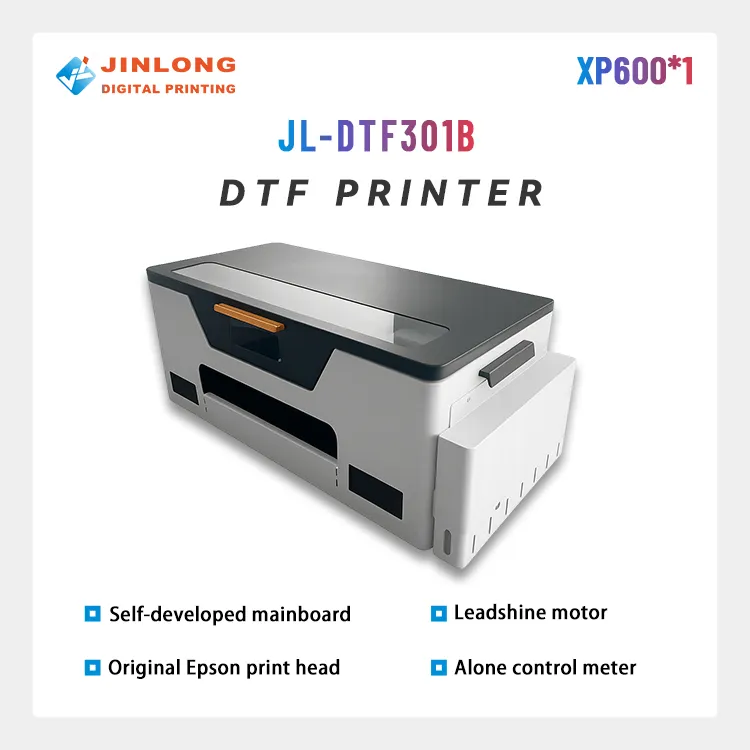
JL-DTF301B A3 DTF Printer XP600 【Applicable to beginner sets】
View more View more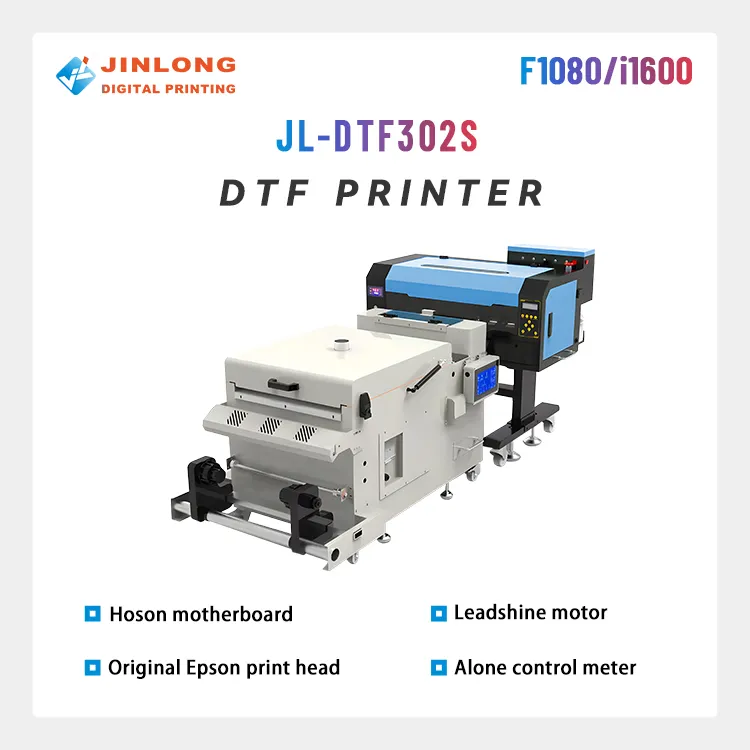
JL-DTF302S DTF Digital Printer
View more View more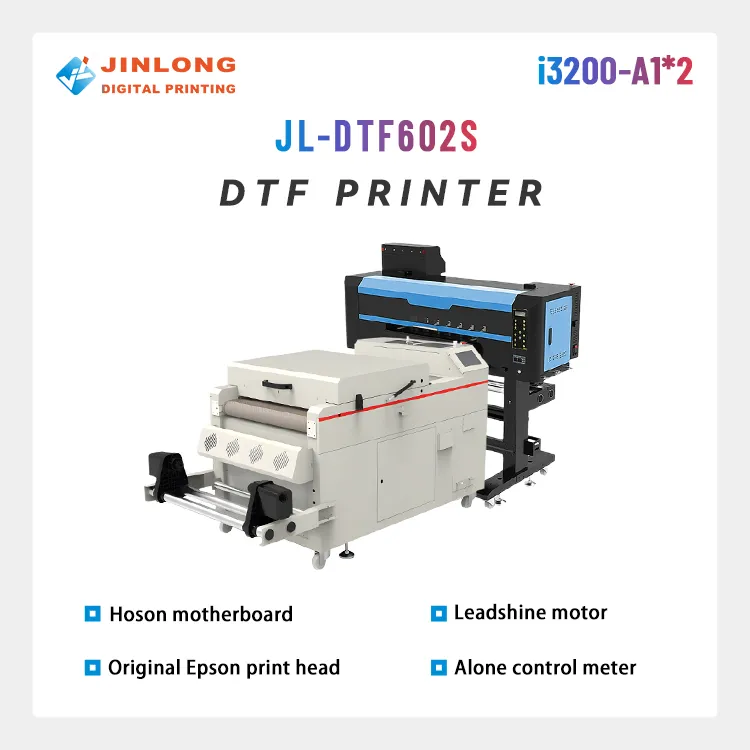
JL-DTF602S DTF Digital Printer Best Product Print Quality Package
View more View more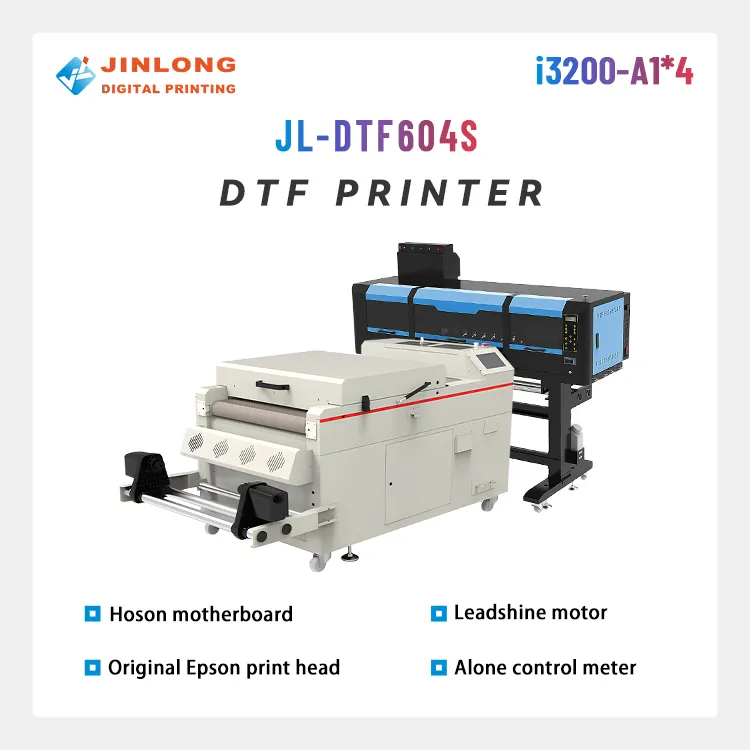
JL-DTF604S DTF Digital Printer Best Product Print Quality Package
View more View more![JL-DTF604P DTF Digital Printer [Pro Series]](https://jinlongprints.com/wp-content/uploads/2025/07/JL-DTF604P.webp)
JL-DTF604P DTF Digital Printer [Pro Series]
View more View more
DTF printing is a solid choice for a variety of businesses and applications in 2026. It’s especially ideal for:
- Print-on-demand (POD) sellers who need fast turnaround and low minimums.
- Startup merch brands looking for vibrant, full-color designs without huge upfront costs.
- Sports teams and workwear providers who want durable prints on different fabrics like polyester and nylon.
- Those printing mainly on dark garments, since DTF’s true white underbase really makes colors pop.
- Designs that are complex and full-color, where screen printing might get too pricey or slow.
That said, some businesses might find better fits with other methods:
- DTG printing excels if you want an ultra-soft feel, especially on light-colored cotton shirts.
- Screen printing is more cost-effective and faster for really large orders with 10,000+ identical shirts.
- Sublimation works best if you only print on all-polyester items and want vibrant, permanent colors without any “hand” or feel.
Choosing the right method depends on your specific needs, volume, fabric choice, and design complexity. If you’re focusing on versatility, low minimums, and print quality on dark and blended fabrics, DTF printing is worth a serious look.
Why Thousands of Shops Are Switching to jinlong DTF Solutions
Many apparel businesses are moving to jinlong DTF solutions because they deliver outstanding print quality and reliability without breaking the bank. jinlong’s DTF printers are known for vibrant colors and excellent wash fastness—prints stay bright and durable through 50–80 washes, which is a key selling point for many customers. The OEM hot-melt adhesive powders ensure strong bonding with fabrics and resist clogging, keeping downtime low and productivity high.
Shops appreciate the wide variety of equipment jinlong offers. Whether you need compact A3/A2 DTF printers for smaller runs or large 24\”/60cm roll systems for higher volume production, jinlong has you covered. They also provide ready-to-press transfers, simplifying the process for newcomers or businesses wanting to outsource part of the workflow.
Real users have shared positive feedback, highlighting how jinlong equipment helped them increase output, reduce costs, and improve print consistency—even on tricky fabrics like black cotton or polyester blends. For those interested in the full workflow, jinlong provides detailed guides to help get started quickly and confidently with their products.
If you\’re looking for reliable, efficient DTF printing gear and consumables, consider exploring the best jinlong DTF printers and their official TPU hot-melt adhesive powders to ensure top-notch transfer quality from day one.
How to Get Started with DTF for Your Business
Getting into DTF printing is easier than you might think, and there are two main ways to get started.
Option 1: Buy Your Own jinlong DTF Printer
Investing in a jinlong DTF printer gives you full control over your production. Jinlong offers high-quality models perfect for small to mid-sized businesses, including A3 and A2 size printers as well as roll-to-roll systems for larger runs. Their printers come with vibrant inks and reliable adhesive powders, helping you deliver sharp, durable prints.
Recommended starting steps:
- Choose the right jinlong model based on your volume and fabric needs
- Purchase essential supplies like jinlong DTF hot-melt adhesive powder and high-quality inks
- Set up your workspace with proper ventilation and a heat press
- Train your team or yourself on RIP software and the printing process
- Follow curing guidelines for best print quality—this guide on white ink curing is a great resource
- Start with small test runs to master your workflow
Option 2: Outsource to a DTF Transfer Supplier
If upfront costs or learning curves are barriers, outsourcing DTF transfers is a smart alternative. You can order ready-to-press prints and focus on printing shirts or fulfilling orders without managing the entire production process. This option works especially well for startups testing the market or businesses wanting to scale quickly without extra equipment investment.
First 30 Days Checklist
- Research your niche and target customers — know your fabric and design needs
- Decide buying vs. outsourcing based on budget and volume goals
- Set up the workspace or establish a relationship with a trusted DTF transfer supplier
- Order sample prints to evaluate quality and color vibrancy
- Test heat press settings on different shirt materials
- Plan your product lineup: consider popular designs, colors, and garment types
- Promote your new DTF-printed apparel with social media or local sales outreach
- Track costs and turnaround times carefully to refine your pricing strategy
- Gather customer feedback to keep improving quality and service
- Consider investing in your own jinlong printer after initial growth, guided by ROI insights like those found in this expert DTF printer investment analysis
Starting DTF printing the right way helps you achieve vibrant, durable designs on any fabric—giving your business a competitive edge.
Frequently Asked Questions About DTF Printing in 2026
Is DTF better than DTG in 2026?
DTF printing is not strictly “better” or worse than DTG—it depends on your needs. DTF excels on darker fabrics, a wider variety of materials like nylon and leather, and offers brighter whites and colors with a soft feel. DTG often delivers a softer hand on light-colored cotton shirts but can struggle with dark colors and blends. For startups or businesses wanting flexibility without pre-treatment hassles, DTF is a top choice.
How long do DTF prints really last?
DTF prints generally last between 50 to 80 washes, depending on the brand of ink, powder, and curing process. That’s comparable to average screen printing durability and often better than typical heat transfer vinyl. Proper care—like washing inside out in cold water—helps maintain print longevity.
Can you do DTF on hoodies, hats, and bags?
Yes, DTF works great on a wide range of apparel beyond just t-shirts. Hoodies, bags, hats, nylon, leather, and polyester blends all take DTF prints well. The adhesive powder and curing process make DTF transfers very versatile compared to DTG, which mainly works on cotton or cotton blends.
Is DTF printing profitable for small shops?
Absolutely. With lower equipment costs than high-end DTG printers and no need for pretreatment, small shops can get started affordably. DTF’s low minimum order quantities and fast turnaround times improve cash flow and customer satisfaction. Outsourcing transfers is also an option to reduce upfront costs.
How eco-friendly is DTF compared to other methods?
DTF is more eco-friendly than traditional screen printing, which uses water and chemicals for screens. It uses less water than DTG and creates minimal waste since you print transfers on-demand. However, the plastic PET film and adhesive powders are consumables, so look for suppliers offering recyclable or biodegradable films to reduce your footprint.
For those looking to dive deeper into choosing the right DTF printer, check out our detailed guide on the best DTF printers in 2026 and explore the impact of different PET films on print quality.


 English
 Español
 Deutsch
 Français