

T-Shirt Printer Types Explained DTF DTG Sublimation Comparison Guide
What Are T-Shirt Graphic Printers?
If you’re wondering how those vibrant images and designs get onto your favorite t-shirts, graphic printing is the answer. T-shirt graphic printers are specialized machines that apply ink or designs directly or indirectly onto fabric. This process transforms plain tees into custom, wearable art.
There are two main printing categories: direct and transfer methods. Direct methods apply ink straight onto the fabric, while transfer methods print the design onto a separate medium (like a film or vinyl) before moving it to the shirt. Each approach offers unique benefits depending on your project.
Common printer types include:
- Direct-to-Garment (DTG) printers that work like inkjet printers, printing directly on cotton fabrics.
- Direct-to-Film (DTF) printers, which print designs onto a film before heat-transferring to shirts made from cotton, polyester, or blends.
- Sublimation printers that bond dye to polyester fibers for vivid, all-over prints.
- Traditional options like screen printing, heat transfer vinyl (HTV), and embroidery also remain popular for specific needs.
Choosing the right printer depends on several factors:
- Fabric type (cotton, polyester, blends)
- Order volume (small custom runs vs. large batches)
- Design complexity (photorealistic images vs. simple logos)
- Budget constraints
- Durability requirements
Understanding these basics helps you pick the perfect printing method to match your needs, whether it’s creating a detailed custom tee or producing durable bulk merchandise.
Direct-to-Garment (DTG) Printing
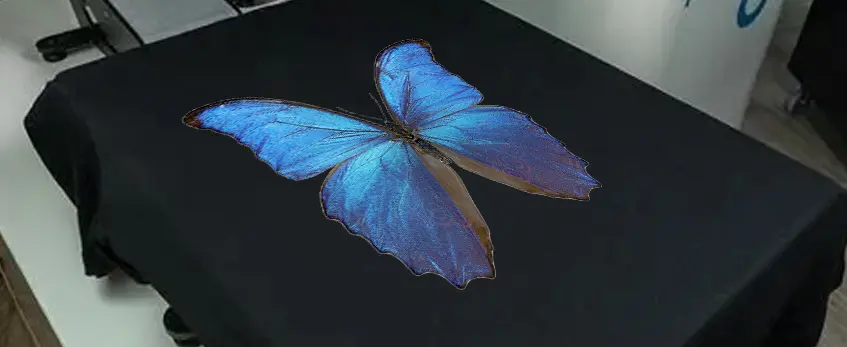
Direct-to-Garment (DTG) printing works like an inkjet printer for paper but prints directly onto fabric. The printer sprays water-based inks straight onto the cotton shirt, allowing for incredibly detailed, full-color designs right on the garment’s surface. DTG is best suited for 100% cotton fabrics because the fibers absorb the ink well. For dark-colored tees, shirts usually require a pre-treatment to help the ink adhere and keep colors vibrant.
Pros of DTG printing:
- Soft hand feel since ink soaks in instead of sitting on top
- Excellent detail, making it perfect for photorealistic and complex images
- Unlimited color options without extra costs
- No minimum order sizes—great for one-off or small batches
Cons of DTG printing:
- Higher per-shirt cost compared to bulk methods like screen printing
- Slower for large runs due to printer speed and curing time
- Less durable on fabric blends and may fade faster without proper care
DTG printing is ideal for small custom orders, detailed designs, and mainly cotton tees. If you want high-quality, vibrant graphics with a soft feel and no minimums, DTG is a strong choice. For bigger volume and varied fabrics, other methods might be better suited.
Direct-to-Film (DTF) Printing
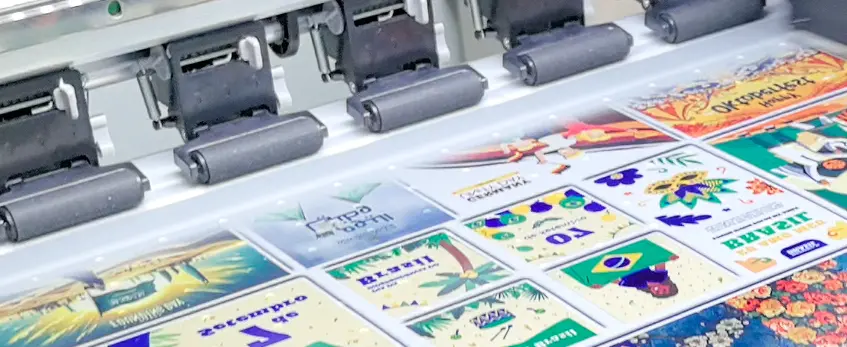
Direct-to-Film (DTF) printing involves a few clear steps: first, the design is printed onto a special film using a printer with white ink as a base layer to ensure vibrant colors. Next, an adhesive powder is applied to the printed film. Finally, the film is heat-pressed onto the fabric to transfer the design. This process allows printing on a wide variety of fabrics without the need for pre-treatment.
Jinlong DTF printers stand out in the market for delivering consistent, high-quality prints with impressive efficiency. Their systems simplify the workflow while ensuring strong adhesion and vibrant results, making them a popular choice for businesses scaling up or just starting with DTF.
Pros of DTF printing:
Compatible with cotton, polyester, blends, and nylon
Produces bright, vivid colors thanks to the white ink base
Durable and flexible prints that hold up well over time
Ideal for small to medium-sized print runs
No pre-treatment of garments required
Cons:
Printed designs have a slightly textured feel compared to the softer DTG prints
Requires a separate heat press for transferring the design to fabric
Ideal for:
Versatile custom graphics on both dark and light fabrics, beginner-friendly setups, and businesses looking to grow efficiently with a reliable DTF printer.
For more on efficient film options, check the best hot peel DTF film roll designed for faster, high-quality production runs.
Dye Sublimation Printing
Dye sublimation printing works by turning special dye inks into a gas that bonds directly with polyester fibers. This process creates vibrant, full-color designs that become part of the fabric, not just sitting on top. To get started, you need a sublimation printer, sublimation paper, and a heat press to transfer the design.
Pros:
- Produces bright, all-over prints with rich colors
- Extremely durable and resistant to fading or cracking after washing
- Keeps fabric breathable and soft since ink is infused into the fibers
Cons:
- Works only on polyester or very light-colored synthetic fabrics
- No white ink available, so white areas in designs remain the color of the fabric
Ideal for: Sportswear and activewear, especially for full-bleed or all-over designs on polyester-based shirts. Dye sublimation is perfect when you need high durability and vibrant prints on synthetic fabrics.
Other Popular T-Shirt Printing Methods
Screen Printing
Screen printing is a classic method where ink is pushed through a stencil (or screen) onto the fabric. It’s great for bulk orders and high-volume runs because once the screens are set up, the per-shirt cost drops significantly. The prints are vibrant and highly durable, standing up well to repeated washing. The downside is the initial setup cost can be high, making it less ideal for small or custom orders. It works best on cotton and cotton blends.
Heat Transfer Vinyl (HTV)
HTV involves cutting designs out of colored vinyl, then using heat to transfer those shapes onto the fabric. It’s perfect for simple text or logos and small production runs. HTV offers clean edges and is user-friendly for beginners, but the color range is limited compared to digital methods, and complex or photographic designs aren’t possible. HTV works on most fabric types but tends to feel heavier on the shirt.
Embroidery
Embroidery stitches thread directly into the garment for a premium, textured look. It’s commonly used for logos on polo shirts and uniforms, providing a classy finish. While embroidery adds a professional touch and durability, it’s not suitable for complex, detailed graphics or full-color designs. It also costs more upfront and per piece than most print methods.
Quick Comparison Table
| Method | Fabric Compatibility | Cost per Shirt | Best Volume | Durability | Ideal Use |
|---|---|---|---|---|---|
| Screen Printing | Cotton, blends | Low (bulk), High (small) | Large orders | Very high | Bulk merch, simple & bold designs |
| HTV | Most fabrics | Moderate | Small runs | Moderate | Simple logos, small batch custom |
| Embroidery | Most fabrics | High | Small to medium | Very high | Premium logos, textured branding |
| DTG | Mainly cotton | High | Small to medium | Moderate | Photorealistic, detailed custom orders |
| DTF | Cotton, polyester, blends | Moderate | Small to medium | High | Versatile custom graphics |
| Sublimation | Polyester/light fabrics | Moderate | Medium to large | Very high | All-over prints, sportswear |
This quick overview helps you pick the best t-shirt graphic printer type based on your specific needs, balancing cost, durability, and fabric. For example, while screen printing is unbeatable on bulk orders, methods like DTF and DTG shine for flexible, full-color custom jobs.
For a deeper dive into modern transfer methods, check out our detailed guide on the DTF printer ink and how it works, especially if you’re curious about a cost-effective, versatile printing approach.
DTF vs DTG vs Sublimation: Head-to-Head Comparison
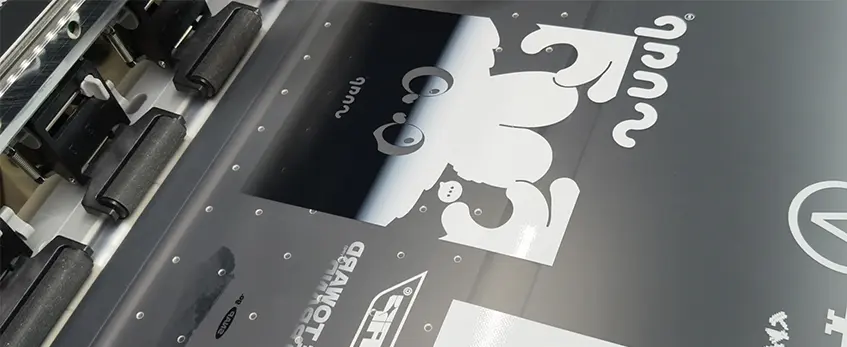
When choosing a t-shirt graphic printer type, comparing DTF, DTG, and sublimation side-by-side helps you pick the right method for your needs.
| Feature | DTF Printing | DTG Printing | Dye Sublimation |
|---|---|---|---|
| Fabric Compatibility | Works on cotton, polyester, blends, nylon | Best on 100% cotton; needs pre-treatment | Polyester or light synthetic fabrics only |
| Print Quality & Feel | Vibrant colors, slightly textured feel | Soft hand feel, excellent detail | Vibrant, smooth, breathable feel |
| Durability & Wash | Very durable, flexible print | Good on cotton, less so on blends | Extremely durable, wash-resistant |
| Production Speed | Moderate; great for small to medium runs | Slower; best for small orders | Fast for large volumes, all-over prints |
| Cost Efficiency | Mid-range per unit cost | Higher per unit cost | Cost-effective for bulk polyester prints |
| Best Use Cases | Versatile customization, mixed fabrics | Photorealistic cotton designs, small batches | Sportswear, activewear, full-bleed prints |
Why DTF Often Wins for Modern Needs
- Versatility: Handles multiple fabrics including cotton, polyester, and blends—no pre-treatment needed.
- Reliable Vibrancy: Produces bright colors with a durable white ink base.
- Durability: The heat-pressed adhesive powder creates long-lasting, flexible designs.
- Ease of Use: Simple workflow making it friendly for beginners scaling up production.
For businesses juggling various fabric types or seeking a balance between quality, cost, and order size, DTF printing, especially with advanced systems like the jinlong DTF solution, offers a winning combo. For a deeper dive on achieving durable prints and avoiding issues, check out our guide on preventing cracking and fading in DTF transfers.
How to Choose the Right Printer Type for Your Needs
Picking the best t-shirt graphic printer depends on a few key factors: order quantity, fabric type, design complexity, budget, and turnaround time. Here’s a quick guide to help you decide:
| Factor | Consideration | Recommended Printing Method |
|---|---|---|
| Order Quantity | Small runs or custom jobs | DTF or DTG for flexibility and quality |
| Large bulk orders | Screen printing for cost efficiency | |
| Fabric Type | 100% cotton or blends | DTG or DTF (no pre-treatment needed for DTF) |
| Polyester or synthetic activewear | Sublimation for vibrant, durable prints | |
| Design Style | Detailed, photorealistic | DTG shines with fine detail |
| Simple logos or text | Heat Transfer Vinyl or screen printing | |
| Budget | Lower upfront, higher per shirt | DTG or DTF for no setup fees |
| Higher upfront, low cost per unit | Screen printing fits bulk budgets | |
| Turnaround Time | Fast turnaround needed | DTF (especially using systems like jinlong DTF) |
| Higher volume with longer deadlines | Screen printing |
Typical Scenarios
- Small business POD (Print on Demand): DTF or DTG gives you quality prints without high setup costs. The jinlong DTF systems offer a reliable way to handle variable orders and scale efficiently.
- Bulk merchandise: Screen printing wins with low cost per shirt and durability.
- Polyester activewear or full-color sportswear: Sublimation is unbeatable for vibrant, breathable designs.
Tips for Testing and Investment
- Always test sample prints on your chosen fabric before large runs.
- Consider investing in proven systems like jinlong DTF printers for their ease of use, durability, and color vibrancy.
- Factor in maintenance and consumables costs to avoid surprises.
Choosing the right printer type is about balancing quality, cost, and your specific business needs — with options like DTF, DTG, and sublimation leading the way for different scenarios.
Maintenance and Tips for High-Quality Results
Keeping your t-shirt graphic prints looking sharp means paying attention to maintenance and troubleshooting common issues. For DTG printing, make sure to properly pretreat dark garments before printing to avoid ink fading and color dullness. When working with DTF prints, uniform powder application is key; uneven powder can lead to poor adhesion or rough textures. Regularly check your equipment, especially if you\’re using white ink in DTF, as it can cause printer head clogs—resources like jinlongprints.com offer helpful solutions to these problems.
For garment care, turn printed shirts inside out before washing in cold water and use gentle detergents to keep colors vibrant. Avoid high-heat drying to prevent cracking or peeling over time.
Looking ahead to 2026, the trend is moving toward eco-friendly inks and hybrid printing methods. These options aim to reduce environmental impact while maintaining print quality and durability—something that’s becoming increasingly important for US customers and businesses focused on sustainability. Staying updated with these innovations can keep your printing business competitive and responsible.


 English
  Español
  Deutsch
  Français