
No products in the cart.

Jinlong
How to Prevent Cracking and Fading in DTF Transfers 2026
Cracking and fading in DTF transfers hit profitability and reputation hard. If your prints don’t last 50+ washes without showing wear, you’re losing customers before you even realize it. The 2026 guide shifts the focus from guesswork to precision—combining the right consumables, optimal curing temperatures, and exact application pressure. This isn’t about luck; it’s about engineering prints that move with the fabric and resist wash cycles. Ready to future-proof your DTF transfers against cracking and fading? Keep reading.
The Science of Failure: Why Prints Crack and Fade
Cracking and fading are the two biggest challenges in DTF transfers that can make even the best prints look worn out fast. Understanding why these issues happen is the first step to preventing them.
Understanding Cracking: Elasticity Mismatch and Under-Curing
Cracks mostly appear because of an elasticity mismatch between the DTF ink layer and the fabric. When the fabric stretches, if the ink can’t stretch as much, it cracks. This happens often with polymerization issues or if the TPU adhesive powder melting point wasn’t properly reached during the curing process, causing under-curing. Under-cured prints don’t fully bond, making them fragile and prone to cracks.
Understanding Fading: Ink Migration and Fibrillation
Fading is typically caused by DTF ink migration, where ink particles move or settle unevenly during washing and wear. This weakens the print’s color and sharpness over time. Another key factor is fibrillation, a phenomenon where fabric fibers push through the print surface after washing, making it look dull and worn out. Both conditions lower DTF wash fastness rating, which measures how well prints hold color and durability.
By addressing these root causes—ensuring proper curing, matching the elasticity of materials, and preventing ink migration—you set the stage for durable, vibrant DTF transfers that last.
Step 1: Consumable Quality (The Foundation)
When it comes to avoiding cracking and fading in DTF transfers, starting with high-quality consumables is essential. The foundation of a durable print lies in the materials you choose—especially white ink and TPU powder.
The Role of White Ink
White ink isn’t just a base layer; it significantly impacts the elasticity and opacity of your transfers. Poor-quality white ink can dry too brittle or cause DTF cracking problems due to its lack of flexibility. Opt for premium white inks designed for direct to film ink elasticity to ensure smooth stretchability and better adhesion. Jinlong DTF offers high-performance white inks that maintain elasticity and vibrancy even after multiple washes—critical for long-term durability.
TPU Powder Selection: Coarse vs. Fine Powder
Selecting the right TPU powder mesh is key. Fine powder offers smooth coverage but risks under-curing if the powder layers are too thick, leading to problems like cracking. On the other hand, coarse powder facilitates better air flow during curing but might result in rough surfaces that fade quicker due to poor bonding. The sweet spot is using a high-quality TPU powder that balances melt flow with adhesion, matching your heat press and oven parameters.
The Jinlong DTF Advantage
Jinlong DTF consumables come optimized for the perfect balance of stretch and durability. Their powder particles melt uniformly at the ideal TPU adhesive powder melting point, preventing brittleness and print peeling. Using Jinlong’s dedicated consumables also reduces ink migration and helps avoid the common fading issues caused by poor materials.
PET Film Release
Finally, don’t underestimate your PET film’s release quality. A smooth, reliable PET release film ensures even ink distribution and crisp designs. It also aids in a clean peel without stressing the print, which can cause micro-cracks and faint areas over time.
For more on making the most of your consumables in DTF printing, check out this detailed explanation of the DTF printer with powder shaker–why automation improves print quality. High-quality consumables combined with precise processing form the foundation to avoid cracking and fading in your DTF transfers.
Step 2: Pre-Press and RIP Software Optimization
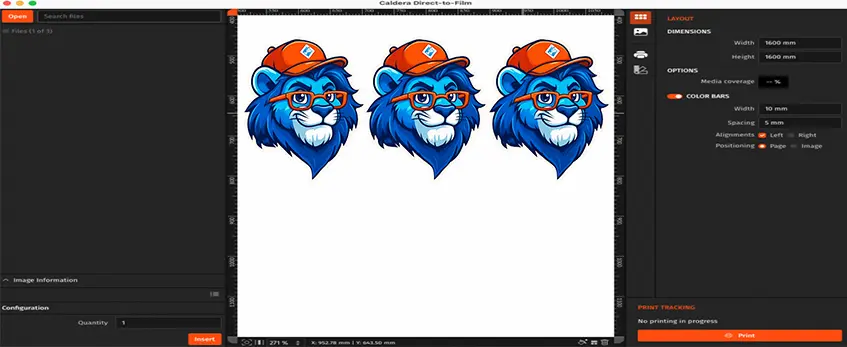
One of the most overlooked steps in avoiding cracking and fading in DTF transfers is optimizing your pre-press and RIP software settings. The key here is managing the \”breathability\” of the print, which is where rasterization or halftone patterns come into play.
The \”Breathability\” Factor: Rasterization (Halftones)
Rasterization breaks up solid ink areas into tiny dots, allowing the fabric to flex and breathe more naturally under the print. This helps prevent cracking caused by direct to film ink elasticity mismatches. Halftones reduce the total ink load, making the transfer less rigid and better suited to the stretching and movement experienced during wear and washing.
Why It Works
- Elasticity Balance: Halftone dots offer flexibility, reducing stress on the print when the garment is stretched.
- Less Ink Build-Up: With a lower ink density, prints avoid becoming stiff—key for long-lasting transfers.
- Improved Wash Durability: Balanced ink loads help prevent common issues like ink migration and fibrillation during washing cycles.
Ink Load Management
Managing ink volume in your RIP software ensures your prints don’t get oversaturated, which often leads to fading and cracking problems down the line. Most DTF printers support fine-tuning ink limits and saturation levels—adjusting these settings helps achieve the perfect balance between vibrant colors and print durability.
If you’re using Jinlong DTF consumables, their inks respond especially well to rasterization settings optimized for elasticity, helping you reduce cracking while maintaining rich colors.
Proper pre-press adjustments paired with the right consumables can save you time and headaches, making it an essential step in any professional DTF workflow. For more insights on consumables and printing quality, check out the best DTF transfer printer buying guide.
Step 3: The Curing Process (Oven Settings)
Curing is a make-or-break step for avoiding cracking and fading in DTF transfers. It’s where the TPU adhesive powder melts and bonds the ink to the fabric. Understanding the melting point and following the right oven settings ensure durability and wash fastness rating.
The Melting Point
TPU powder typically melts between 160°C to 180°C (320°F to 356°F). If the temperature is too low, the powder won\’t properly melt, leading to under-curing, weak bonding, and cracking. Too high, and you risk overheating, causing yellowing or fading.
2026 Recommended Oven Parameters
| Parameter | Recommended Range | Notes |
|---|---|---|
| Temperature | 165°C to 175°C (329°F-347°F) | Optimal for TPU melting without damage |
| Curing Time | 30 to 45 seconds | Adjust based on fabric thickness |
| Airflow | Moderate | Avoid direct hot air on prints |
Stick within this range for the best polymerization of DTF ink and adhesive. New Jinlong DTF systems optimize temperature profiles automatically, making consistent curing easier.
Visual Curing Check
Always do a quick visual check after curing:
- Surface should be smooth and evenly melted, not shiny or rough.
- No white residue or powder dust should remain.
- Test cold peel; if the print lifts easily, you need more curing.
For more detailed tips on perfect curing and to choose the right film, check out the Jinlong DTF transfer film series.
Getting curing right is critical to lock in color vibrancy and prevent cracks later on. Keep an eye on temperature and curing time for consistent results.
Step 4: Heat Press Application (The Critical Bond)
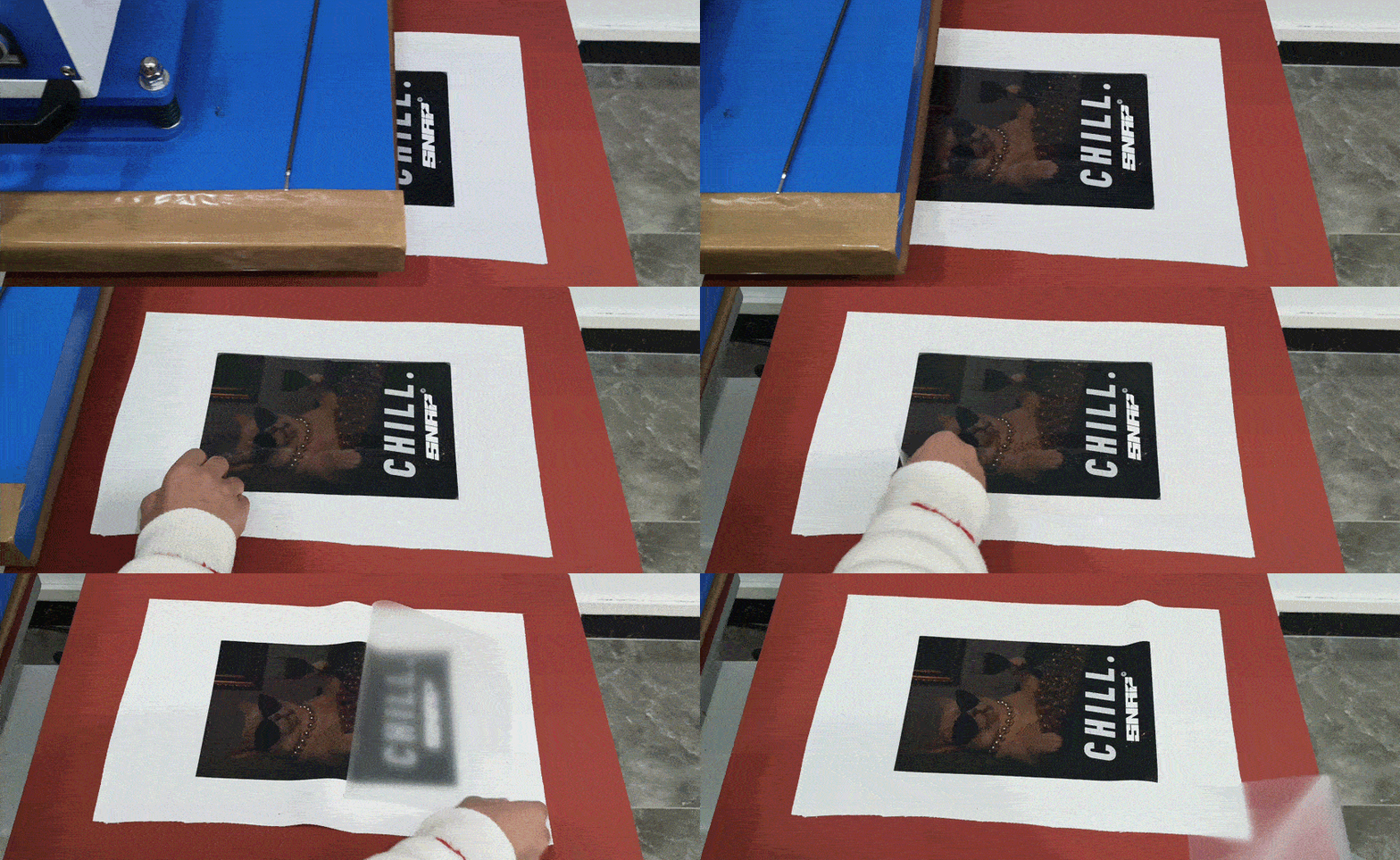
Achieving a strong, long-lasting bond in your DTF transfers boils down to proper heat press application. This step is critical to avoid problems like cracking, peeling edges, or fading after just a few washes.
Moisture Removal
Before pressing, make sure the garment is dry. Any moisture trapped in the fabric can cause poor adhesion or uneven bonding. Pre-treatment with moisture removal techniques is essential to prevent weak spots in the transfer.
Pressure is Key
Apply firm, even pressure throughout the heat press cycle. Insufficient pressure is a common cause of peeling edges and weak bonds. Use the recommended heat press pressure settings specific to your TPU adhesive powder and film type. Too little pressure won’t fully activate the adhesive’s melting point, while too much can damage the print or fabric.
The Second Press (Post-Peel): The Secret to Longevity
After peeling off the PET release film, apply a second press for 5-10 seconds at a slightly lower temperature. This post-peel step improves polymerization of DTF ink and ensures the adhesive cures completely into the fabric. The second press is your best defense against cracking and fading, boosting overall wash durability.
Result
Following these heat press guidelines creates a durable bond that maintains elasticity. Your DTF print will resist cracking and fading, even after multiple washes and wear cycles. For best results, combine these tips with quality consumables like Jinlong DTF consumables and follow your oven curing parameters closely.
For more details on TPU adhesive powder options and heat press settings, check out the TPU DTF hot-melt adhesive powder 25kg standard series.
Step 5: Wash Durability and Aftercare
Proper care during the first 24 hours is crucial to prevent cracking and fading in DTF transfers. Right after pressing, avoid wearing or washing the garment for at least one full day. This waiting period allows the TPU adhesive powder to fully cure and bond, ensuring better wash durability and helping prevent early DTF cracking problems.
When it comes to washing, advise end-users to:
- Turn the garment inside out to protect the print surface.
- Use cold or warm water, avoiding hot water that can soften the adhesive.
- Choose a mild detergent without bleach or harsh chemicals.
- Opt for gentle wash cycles and avoid heavy agitation.
- Skip fabric softeners, as they can affect DTF ink elasticity.
- Air dry or use a low-heat dryer setting to prevent heat-related fading.
Following these aftercare steps significantly improves the DTF wash fastness rating and reduces the risk of ink migration or fibrillation over time. For long-lasting results, proper post-press care completes the chain of quality from print to wear.
For more tips on consumables and curing, check out our detailed DTF printer buyers guide.
Troubleshooting Guide (Quick Fixes)
Problem: Vertical Cracking After One Wash
- Fix: Check the grain direction of your fabric. Prints applied against the natural stretch of the textile often crack quickly.
- Increase the transfer’s stretchability by optimizing rasterization for DTF in your RIP software. This helps the print flex with the fabric, reducing cracking caused by elasticity mismatch.
Problem: Fading/Dullness
- Fix: Boost the white ink density during printing to improve opacity and color vibrancy.
- Consider switching to high-gamut, durable Jinlong DTF inks designed to resist ink migration and fading. These inks offer better color retention and wash durability, improving overall print life.
Problem: Peeling Edges
- Fix: Increase your heat press pressure and lengthen the pressing time. Proper pressure and duration ensure a strong polymerization of DTF ink and TPU adhesive bond to the garment fibers.
- Don’t forget the second press (post-peel), which enhances adhesion and extends DTF wash fastness rating.
For more tips on maintaining your DTF powder and prints, check out the DTF powder shaker maintenance tips to extend machine lifespan on Jinlong Prints.


 English
 Español
 Deutsch
 Français