
No products in the cart.


Jinlong
Best DTF Printer for Cotton Polyester Shirt Printing in 2026
Understanding DTF Printing Technology
Direct to film (DTF) printing is a game-changer for customizing shirts made from cotton, polyester, and blends. This versatile DTF printer for shirts uses a simple yet effective process to deliver vibrant, durable designs that feel soft on the fabric.
Here’s the step-by-step DTF process in easy terms:
- Design – Create your artwork digitally using any graphic software.
- Print on PET film – The design prints in reverse on a special clear PET film using DTF inks, including white ink for opacity.
- Apply adhesive powder – A fine adhesive powder is evenly sprinkled on the wet print on the film.
- Cure powder – The powder is melted or cured using a hot air dryer or oven, bonding it to the ink.
- Heat press transfer – Finally, the film is heat pressed onto the shirt, transferring the design permanently.
What makes DTF special is how the DTF inks and powder work together to create a flexible, wash-resistant bond. The adhesive powder ensures the ink binds securely to the fabric fibers without cracking or peeling. This results in a smooth, soft print that stretches with the shirt and keeps vibrant colors even after multiple washes.
Because of this technology, DTF transfer printing delivers exceptional quality on a wide range of fabrics, making it a favorite for both custom t-shirt printers and larger businesses looking for versatility and reliability.
Why DTF Excels on Cotton, Polyester, and Blends
DTF printing works exceptionally well across cotton, polyester, and their blends, making it a top choice for versatile fabric printing.
On 100% cotton, DTF transfers stick with excellent adhesion, delivering vibrant colors while keeping the fabric soft to the touch. Unlike some printing methods, the prints won’t crack or peel even after repeated washing, so your cotton shirts maintain their fresh look and feel.
For 100% polyester, DTF is a game-changer. It prevents dye migration—a common issue where colors bleed and blur over time—ensuring crisp, vivid prints. This is why DTF is ideal for sportswear and any polyester apparel needing sharp, durable designs.
When printing on cotton-poly blends, DTF balances durability and comfort beautifully. Results stay consistent across various blend ratios, which means you can confidently print on poly-cotton without worrying about fading or stiffness.
In real-world tests, DTF transfers hold strong through 50+ washes with minimal fading, proving reliable longevity whether you’re printing custom t-shirts or bulk orders. For a deeper dive into how this printing method achieves such durability, check out insights on the top benefits of using a DTF printer, shaker, and oven in your printing workflow.
DTF vs. Other Printing Methods for Mixed Fabrics
When it comes to printing on cotton, polyester, and blends, DTF (Direct to Film) stands out compared to other popular methods.
DTF vs. DTG (Direct to Garment):
DTG works great on 100% cotton because it soaks ink directly into the fabric, delivering a soft feel. But it struggles with polyester and blends, often needing costly pretreatment to avoid print issues. Meanwhile, DTF wins here: it handles polyester and cotton-poly blends effortlessly, with no special pretreatment required. Plus, DTF transfers create vibrant, durable prints that stay flexible and don’t crack.
DTF vs. Sublimation:
Sublimation printing produces vivid colors but only works well on light-colored polyester fabrics. It’s not suitable for cotton or dark fabrics. DTF, on the other hand, prints on all fabric colors and types, including cotton, polyester, and blends. This makes DTF far more versatile if you want to offer a wide range of shirt options.
DTF vs. Screen Printing:
Screen printing is a classic for bulk orders, but it’s less cost-effective for small runs or complex designs with many colors. DTF shines here by offering quick, detailed prints with minimal setup. It’s perfect for smaller orders, custom designs, or varied fabric mixes without sacrificing quality.
When to Choose DTF
If your business prints on mixed fabrics—cotton, polyester, or blends—and needs flexibility in design and order size, DTF is often the clear choice. It combines durability, color vibrancy, and ease of use, making it ideal for U.S.-based t-shirt businesses focusing on custom or multi-fabric printing.
For a deeper understanding of how DTF compares with other methods—especially HTV and DTG—you can explore this detailed comparison on DTF vs. HTV printing methods.
Key Factors to Consider When Buying a DTF Printer
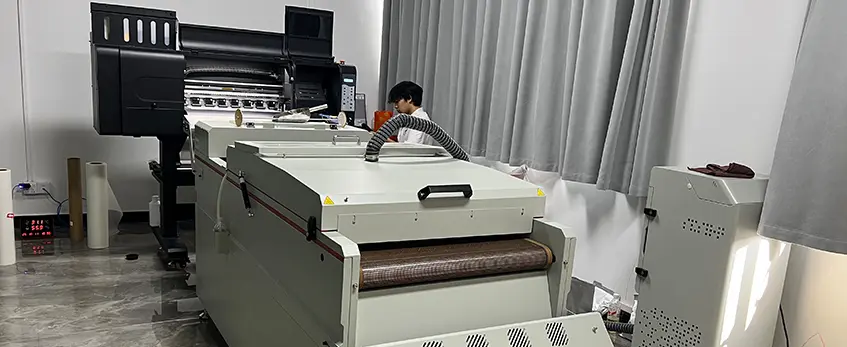
When looking for the best DTF printer for shirts on cotton, polyester, and blends, there are several crucial factors to keep in mind:
Print width and speed: If you’re just starting out or running a small shop, an A3 or A4 size printer might be enough. For higher volume production, consider wider printers that handle larger prints faster.
Printhead quality and white ink circulation: High-quality printheads deliver sharper designs, but it’s equally important they have effective white ink circulation systems to prevent clogs. This ensures smoother operation and reduces downtime.
Ink and consumables costs: Continuous expenses like DTF inks, adhesive powder, and PET films add up. Look for printers that balance good print quality with affordable ink and supplies to keep your margins healthy.
Ease of use, software compatibility, and maintenance: Choose a printer with user-friendly controls and reliable software that works well with your design tools. Also, check how easy it is to clean and maintain the machine to avoid costly repairs.
Build quality and warranty/support: A sturdy build means less chance of breakdowns, especially in busy shop environments. Good warranty coverage and responsive customer support can save you headaches long-term.
Budget ranges:
- Entry-level: Around $2,000–$5,000, suitable for hobbyists or startups focusing on small runs.
- Mid-range: $5,000–$10,000, ideal for growing businesses needing better speed and color accuracy.
- Professional: Above $10,000, these printers offer production-grade speeds, wider print widths, and advanced features for heavy workloads.
For more details on high-quality inks and PET films that work well with reliable DTF printers, check out this guide on Pro Series High Concentration DTF Ink and PET Film. You can also explore the advantages of investing in top-tier DTF machines for maximizing your t-shirt printing profits here.
Keeping these factors in mind will help you pick a custom t-shirt printer that meets your print needs across cotton, polyester, and poly-cotton blends efficiently and cost-effectively.
Top DTF Printer Recommendations for Cotton, Polyester, and Blends
When looking for a reliable DTF printer for shirts that works great on cotton, polyester, and blends, the jinlong DTF printer stands out. It offers consistent performance with excellent color accuracy across different fabric types. Its user-friendly features make it ideal for both beginners and pros, while keeping operation costs low. Jinlong printers also support smooth white ink circulation, reducing the chance of clogs—an important factor to maintain high-quality prints.
To get the best results from your DTF setup, consider your print volume, fabric types, and budget carefully. For more insight into using advanced film options, check out this detailed guide on DTF transfer film for professional printing.
With the right printer, inks, and supplies, you’ll be ready to deliver durable, vibrant prints that customers will love on any cotton, polyester, or poly-cotton blend shirt.
Essential Accessories and Setup Tips for DTF Printing
To get the most out of your DTF printer for shirts on cotton, polyester, and blends, having the right accessories is a must. Here\’s what you’ll need:
- Heat press: Essential for transferring prints onto your fabric with consistent heat and pressure.
- Curing oven or powder shaker: These help cure the adhesive powder evenly after application, ensuring strong, durable transfers.
- PET film: The special film that you print your designs on before applying adhesive powder. Choosing the right quality PET film affects print clarity and durability.
- Adhesive powder: This powder bonds the DTF ink to the shirt. Using high-quality powder avoids cracking and peeling.
Optimizing Settings for Each Fabric
Different fabrics need slightly adjusted heat press settings for the best results:
| Fabric Type | Temperature | Pressure | Peel Method |
|---|---|---|---|
| 100% Cotton | 320-330°F (160-165°C) | Medium-High | Hot peel |
| 100% Polyester | 300-320°F (150-160°C) | Medium | Cold peel |
| Cotton-Poly Blends | 310-320°F (155-160°C) | Medium | Hot or Cold peel* |
*Blends vary, so test small areas first.
Common Beginner Mistakes and How to Avoid Them
- Over- or under-curing the adhesive powder: Use a curing oven or shaker consistently to avoid poor adhesion or powder buildup.
- Incorrect heat press settings: Too much heat or pressure can cause prints to crack or fade quickly. Use manufacturer guidelines to dial in your press.
- Skipping test prints: Always test print on a sample before the actual run — this saves costly fabric and time.
- Poor film handling: Avoid touching the printable side of PET film with bare hands to prevent smudges or powder contamination.
For a thorough guide on setting up your DTF printer system, including choosing the right powder shaker and PET film, check out the detailed DTF printer with powder shaker setup guide. This will help ensure your prints onto cotton, polyester, and blends come out vibrant and long-lasting every time.
Cost Breakdown and ROI for T-Shirt Businesses
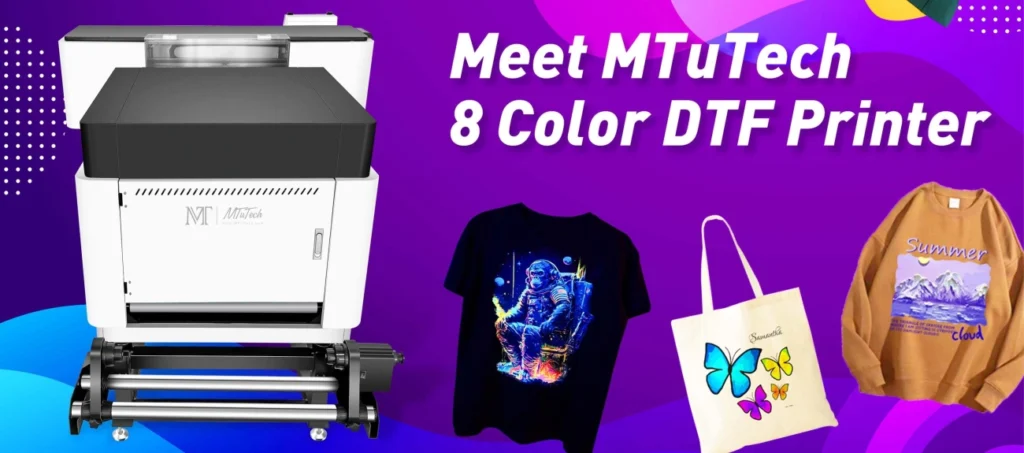
Starting with a DTF printer for shirts can feel like a big investment, but understanding the cost breakdown and potential return on investment (ROI) makes it clearer. The initial investment for a reliable DTF printer typically ranges from $2,000 for entry-level models to $10,000+ for professional machines, depending on print width, speed, and features.
Per-Print Costs:
The main ongoing expenses are DTF ink, adhesive powder, PET film, and electricity. On average, per-print costs can range from $1 to $3, depending on your design size and fabric type. These costs are balanced by DTF’s fast printing and transfer times, plus no need for pretreatment on polyester or blends, which saves labor and materials compared to other methods.
Scaling from Home Setup to Small Business:
If you’re starting at home or as a hobby, smaller format printers (A4 or A3) help keep costs down while testing the market. As demand grows, upgrading to wider, faster models allows higher production without sacrificing print quality on cotton, polyester, and blends alike. This scalability is key for t-shirt businesses looking to expand without replacing their entire setup.
Maximizing Profits with Multi-Fabric Versatility:
Because DTF printing works well on 100% cotton, polyester, and poly-cotton blends, you can target a wider customer base. This versatility means you can print sportswear, casual wear, and fashion tees without switching equipment or wasting supplies, improving profitability. Also, durable DTF transfers maintain vibrant colors and soft hand feel after 50+ washes, encouraging repeat buyers.
For an in-depth guide on selecting the best consumables to keep per-print costs low, check out our advice on choosing the best DTF transfer film and DTF ink.
By carefully balancing initial costs, consumable expenses, and fabric versatility, a DTF printer for shirts is a smart investment for t-shirt businesses aiming for solid ROI and growth in the U.S. market.
Maintenance and Troubleshooting for Your DTF Printer
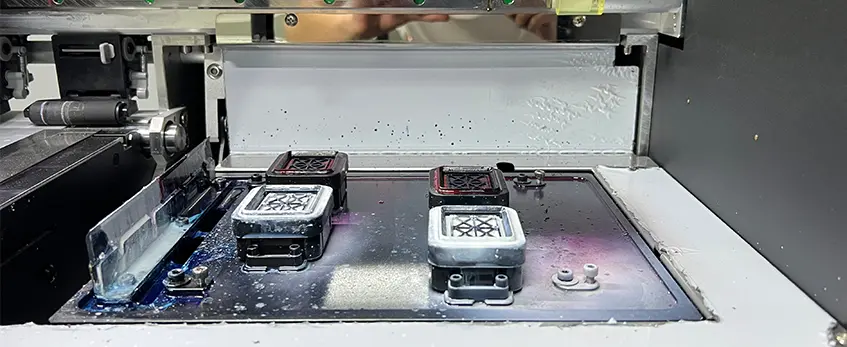
Keeping your DTF printer running smoothly is key to getting consistent, high-quality prints on cotton, polyester, and blends. Here’s a simple daily and weekly routine to extend your printer’s life and avoid common problems:
Daily Maintenance
- Clean the printhead nozzles to prevent ink clogs — wipe gently and run nozzle checks before printing.
- Shake and circulate the DTF ink well, especially the white ink, since it settles quickly and can cause blockages.
- Check the adhesive powder dispenser and make sure powder is evenly applied with no build-up.
Weekly Maintenance
- Deep clean the printheads using manufacturer-recommended cleaning solutions.
- Inspect the rollers and feeder system for dust or leftover powder.
- Verify software settings and recalibrate the printer if colors start shifting.
Fixing Common Issues
- Clogged heads: Run automatic or manual cleaning cycles. If the problem persists, soak the heads with cleaning fluid overnight.
- Poor adhesion on blends: Check the curing step. Insufficient powder curing or wrong heat press settings can cause this, so adjust temperature, pressure, or curing time.
- Ink smudging or fading: Ensure you use quality DTF ink and powder — for example, using proven products like Jinlong DTF ink helps maintain durability.
By sticking to these simple maintenance steps, your DTF printer will deliver durable, vibrant prints on various fabrics, from pure cotton to tricky polyester blends — without downtime or costly repairs.
FAQs About DTF Printer for Shirts on Cotton, Polyester, and Blends
Does DTF work on 100% polyester without issues?
Yes, DTF transfer printing works exceptionally well on 100% polyester fabrics. Unlike traditional DTG or sublimation, DTF prevents dye migration problems, giving you sharp, vibrant prints on polyester shirts every time.
How durable are DTF prints on cotton blends?
DTF prints on cotton-poly blends are highly durable, maintaining color vibrancy and adhesion even after 50+ washes. The flexible ink and adhesive powder create a strong bond that withstands everyday wear while keeping the fabric comfortable.
What’s the best starter DTF printer?
For beginners, an entry-level DTF printer with A3 or A4 print width hits the sweet spot between ease of use, affordability, and quality. Models like the Jinlong DTF printer offer reliable color accuracy, smooth white ink circulation, and user-friendly software to get you started right.
Can I print dark and light colored shirts with DTF?
Absolutely! DTF excels at printing on both dark and light colors without losing color vibrance. The white ink layer under the design ensures prints pop against any fabric color, including black and navy shirts.
Is special pretreatment needed for DTF printing?
No pretreatment is necessary, unlike DTG printing. The DTF process uses adhesive powder and curing steps that allow printing directly on cotton, polyester, or blends without extra prep.
What maintenance should I expect for a DTF printer?
Daily tasks include flushing printheads and checking the white ink system to avoid clogs. Weekly deep cleans and keeping the curing oven or heat press in good condition will extend your printer’s life.
How does DTF compare cost-wise to screen printing?
DTF printers have a higher upfront cost but lower setup fees and less waste, making them ideal for small runs or custom jobs. Screen printing often beats DTF on large-scale runs but lacks the flexibility on mixed fabric types.
Are DTF prints soft to the touch?
Yes, DTF prints have a soft, flexible finish, especially on cotton fabrics. The thin adhesive and ink layer ensure the print feels comfortable without cracking even after multiple washes.
Can I use any heat press with DTF prints?
You should use a heat press that offers adjustable temperature, pressure, and timer settings. Proper curing is essential for wash resistance and print longevity on cotton, polyester, and blends.
For more details on choosing the right film and powder for your DTF setup, check out our in-depth guides on best DTF papers for vibrant prints in 2026 and the role of DTF ink and adhesive powder.


 English
 Español
 Deutsch
 Français