

No products in the cart.


Jinlong
Durable Flexible TPU Powder DTF for Custom Apparel Printing
Understanding TPU Powder in DTF
Thermoplastic Polyurethane (TPU) powder is a key player in Direct-to-Film (DTF) printing, acting as a hot-melt adhesive that ensures your designs stick securely and stretch comfortably. This powder is made from tiny, fine granules of thermoplastic polyurethane—a flexible polymer known for its durability and elasticity.
When heated, TPU powder melts and bonds directly to the printed ink on the film, creating a strong yet soft layer that adheres to various fabrics. Its unique composition helps maintain fabric breathability and softness, avoiding the stiff or plastic feel that some adhesives cause. With excellent physical properties like elasticity, resistance to cracking, and a low melting point, TPU powder offers a perfect balance between strength and flexibility—making it ideal for custom apparel that needs to move and last.
How TPU Powder Works in Direct-to-Film Printing
In Direct-to-Film (DTF) printing, TPU powder acts as the hot melt adhesive that makes your designs stick and stay flexible. After the ink is printed on the film, the wet ink gets evenly coated with TPU powder. When heated, the TPU powder melts and forms a strong, stretchy bond between the ink and fabric.
This melting process is key—it creates a flexible layer that moves with the fabric instead of cracking or peeling, keeping your apparel soft and comfortable to wear. Because TPU powder maintains fabric breathability and softness, it\’s ideal for a wide range of garments, from cotton tees to stretchy activewear. This balance of strong adhesion and fabric-friendly results sets TPU powder apart in DTF transfer printing processes.

For tips on perfecting your curing step with TPU powder and ink, check out our detailed guide on white ink curing essentials, how temperature and time affect final print quality.
TPU Powder vs Alternatives
When choosing a hot melt adhesive powder for DTF transfer printing, TPU powder outshines common alternatives like PES (polyester) and PA (nylon) powders. Here’s a quick comparison:
| Feature | TPU Powder | PES Powder | PA Powder |
|---|---|---|---|
| Elasticity | High—stretches without cracking | Medium elasticity | Low elasticity |
| Print Durability | Lasts 50+ wash cycles | Moderate wash resistance | Prone to wear after repeated washes |
| Fabric Softness | Maintains fabric hand-feel | Can stiffen fabric | Often feels rough |
| Heat Sensitivity | Low melting point, safe for delicate fabrics | Higher heat needed | Higher heat required |
| Adhesion Quality | Strong, flexible bond | Good, but less stretch | Moderate adhesion |
TPU powder’s superior elasticity means graphics stay flexible on stretchy fabrics without cracking or peeling. It also maintains softness, making your custom apparel comfortable to wear. Compared to PES and PA powders, TPU’s durability takes the lead with excellent wash resistance and softer, more natural hand-feel.
For users looking to produce vibrant, durable prints on a variety of materials, TPU offers a clear advantage in quality and feel. You can find premium TPU powders like the TPU DTF Hot Melt Adhesive Powder 5kg Basic Series for consistent, high-performance results in your DTF workflow.
Key Benefits of TPU Powder for Custom Apparel
TPU powder in DTF printing offers big advantages for custom apparel, especially when durability and comfort matter.
| Benefit | What It Means for You |
|---|---|
| Long-lasting durability | Stays vibrant and intact after 50+ wash cycles without cracking or fading |
| Extreme flexibility | Perfect for stretchy fabrics like Lycra and spandex—no stiffness or cracking |
| Soft hand-feel | Keeps prints feeling smooth and comfortable, not heavy or rigid on fabric |
This combination means your custom t-shirts, sportswear, and activewear keep their look and feel even after frequent wear and wash. TPU’s ability to create flexible heat transfers works great with a variety of fabrics, maintaining softness without compromising print strength.
For vibrant custom sportswear that lasts, TPU powder is a reliable choice. If you want to explore inks that pair well for long-lasting results, check out our range of DTF ink CMYK Basic Series designed to complement TPU powder transfers perfectly.
Versatility of TPU Powder

One of the biggest advantages of TPU powder DTF is its wide compatibility with various fabrics. Whether you’re working with cotton, polyester blends, nylon, denim, Lycra, or even leather, TPU powder consistently delivers strong, flexible adhesion. This makes it perfect for custom apparel across many fabric types, including stretchy or textured materials.
Thanks to its low-melt temperature, TPU powder offers gentle heat protection, which is ideal for sensitive fabrics like Lycra or delicate leather. This minimizes damage during the curing process, keeping your garments looking great without compromising fabric integrity.
If you want to explore options that combine durability with fabric versatility, our high-quality TPU powder ensures flexible heat transfers that maintain softness and stretch across different materials. For more on TPU powders designed for reliable polyester fabric adhesion and beyond, check out our detailed TPU DTF hot melt adhesive powder product page.
Eco-Friendly and Safety Advantages of TPU Powder DTF
One of the biggest wins with TPU Powder in DTF printing is its non-toxic, odorless formula. This makes it safe for producing kids\’ apparel and any garments that demand a higher safety standard. You don’t get harsh chemical smells, which means a more pleasant working environment and no worries about skin irritation or allergic reactions from the finished product.
On top of that, TPU powder is crafted with environment-conscious manufacturing practices. It’s a more sustainable choice compared to some traditional hot melt adhesive powders because it avoids harmful emissions and reduces waste during production. If you’re focusing on eco-friendly custom apparel, TPU powder helps keep your prints greener without sacrificing durability or flexibility.
By choosing TPU powder DTF, you get vibrant, long-lasting transfers that are kinder to both people and the planet—a key advantage in today’s apparel market where safety and sustainability matter. For those starting out or wanting to dive deeper into DTF printing methods, check out this comprehensive DTF beginners guide covering everything from equipment to your first print.
Step-by-Step TPU Powder DTF Application Guide
Applying TPU powder in your DTF process is straightforward once you get the hang of it. Here’s a simple guide to ensure great results from start to finish:
Design and Print Your Image
Use a high-quality DTF printer to print your design in reverse on PET DTF transfer film. Make sure your inks are fresh and vibrant for the best color payoff. For reliable film, consider using jinlong’s DTF transfer film known for consistent performance.
Apply TPU Powder Evenly
While the ink is still wet, evenly shake or sift TPU powder over the printed film. A powder shaker works best here to spread the powder thinly and uniformly, preventing clumps and ensuring good adhesion.
Cure the Powder Properly
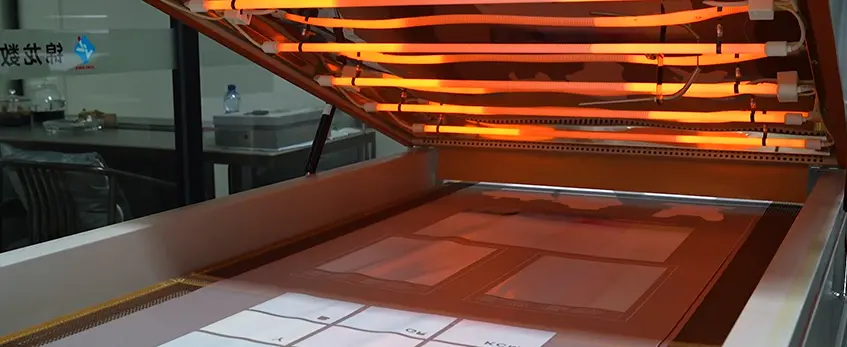
After powder application, cure the film at a low and controlled temperature (usually around 140–160°C) just long enough to melt the TPU powder. The powder will melt and fuse with the ink, creating that flexible, durable adhesive layer without damaging the film.
Make the Final Heat Transfer
Place your cured, powdered film on your target fabric and use a heat press at the recommended temperature (typically 160–180°C) for around 15–20 seconds. This step bonds the TPU adhesive firmly to the fabric, keeping it soft and flexible.
Post-Press Care
After pressing, let the transfer cool before peeling off the film backing. For best durability, consider a quick post-press (5–10 seconds) to lock in the bond and reduce any curl or stretch issues.
Following these steps carefully helps you get consistent, long-lasting custom apparel prints with TPU powder. If you’re starting out or want in-depth software tips, check out the DTF printing machine guide for beginners for detailed instructions that tie into the whole process.
Pro Tips and Troubleshooting for TPU Powder Use
Getting the most out of TPU powder DTF means paying attention to some key details. Here are some pro tips and common fixes to keep your prints flawless:
Choose the right granularity: Finer powders melt more evenly and create smooth bonds, ideal for detailed designs. Coarser powders work well for thicker inks and heavier fabrics but may need extra curing time.
Storage best practices: Keep your TPU powder sealed in a cool, dry place to prevent clumping or moisture absorption. Use airtight containers or resealable bags and avoid extreme temperatures to maintain powder quality.
Fixing adhesion issues: If your prints peel or crack, check your curing time and temperature first. Under-curing often causes poor bonding, while over-curing can make prints stiff. Adjust your heat press settings gradually and test on scraps.
Batch processing insights: Work in manageable batches to ensure consistent powder distribution and curing across prints. Using a calibrated powder shaker helps apply even layers every time, reducing waste and improving durability.
Regular equipment cleaning: Clean powder residue off your equipment often to avoid contamination and maintain smooth powder flow. This keeps your transfers sharp and your machine running smoothly.
Mastering these tips will boost the quality and lifespan of your custom apparel. For more detailed guidance on DTF printing setups and pricing strategies, check out the clear guide to jinlong DTF printer warranty and after-sales support.
Scaling Up TPU Powder DTF for Business
When growing your custom apparel business, scaling up TPU Powder DTF printing is all about efficiency and consistency. Using bulk packs of TPU powder cuts down your cost per transfer, making large orders more profitable without sacrificing quality. Buying in bulk also means less downtime between jobs since you’re always ready to keep printing.
To maintain top-notch results across batches, integrating RIP software into your workflow is a game-changer. This software helps with precise color management and controls ink deposit, ensuring your prints stay vibrant and crisp every time. It also streamlines the production process, from design to final print, saving time and reducing errors.
Cost-efficiency tips:
- Purchase TPU powder in larger quantities to reduce unit cost
- Optimize powder shaker usage to avoid waste
- Schedule batch prints to maximize material and time efficiency
- Use reliable curing methods to prevent reprints and material loss
By combining bulk TPU powder purchases with good production practices and RIP software, you’ll keep your custom apparel orders consistent, durable, and flexible—exactly what customers expect. For best results, pair your powder with reliable films like the DTF transfer film 30cm single pro series to ensure seamless transfers at scale.
Applications in Custom Apparel
TPU powder DTF is a game-changer for a variety of custom apparel projects. It’s perfect for streetwear and athleisure lines that demand durable, stretchable prints that keep their look through daily wear and washing. Whether you’re designing graphic tees, hoodies, or activewear, TPU ensures vibrant colors and flexible heat transfers that move with the fabric.
Beyond clothing, it works well on accessories like hats and bags, offering durable graphic transfers that resist cracking or peeling. The powder\’s adaptability also shines with sustainable fabric options such as organic cotton blends, recycled polyester, and other eco-friendly textiles, meeting today’s growing demand for environmentally conscious fashion.
If you’re crafting for markets where softness and flexibility matter — like kids’ apparel or performance gear — TPU powder gives a soft hand-feel without sacrificing wash resistance. Its compatibility with a wide range of fabrics makes it a top choice for custom brands looking to blend quality with versatility.
For the best results, pair TPU powder with quality materials like the DTF transfer film that’s specifically designed to optimize the DTF curing process and ensure long-lasting prints.

Why Choose jinlong DTF TPU Powder
When it comes to TPU Powder DTF for durable and flexible custom apparel, jinlong DTF TPU powder stands out. Here’s why it’s a preferred choice for professionals across the U.S.:
| Feature | Benefit |
|---|---|
| High Purity Formula | Ensures smooth melting and strong bonding with vibrant, wash-resistant prints. |
| Wide Fabric Compatibility | Works well on cotton, polyester, denim, nylon, Lycra, and leather without compromising softness. |
| Value Packs Available | Bulk sizes give you cost savings and steady supply for scaling your business. |
| Consistent Granularity | Enables easy powder shaker application and reliable curing every time. |
| Eco-Friendly, Non-Toxic | Safe for kids’ apparel and meets environmental standards. |
| User-Friendly | Designed for easy curing and great results, even if you\’re new to DTF printing. |
Plus, jinlong DTF TPU powder pairs perfectly with high-quality DTF transfer film to deliver flexible heat transfers that last over 50 washes while maintaining fabric softness.
Choosing jinlong means getting a thermoplastic polyurethane adhesive powder that supports stretchable DTF ink bonding and keeps your custom prints looking sharp and soft. For businesses, this powder also integrates smoothly with RIP software and bulk packaging options, boosting your efficiency and quality control.
Explore the full product range and detailed specs on the jinlong DTF TPU powder product page to get started with a reliable, professional-grade hot melt adhesive for your next custom apparel project.
Getting Started and Resources for TPU Powder DTF
Ready to dive into TPU powder DTF printing? Start by ordering samples to test how the powder performs with your fabrics and designs. This hands-on approach helps you get familiar with powder application, curing methods, and transfer quality before committing to larger runs.
For tutorials and step-by-step guides, check out comprehensive beginner-friendly resources like the DTF for Beginners section. Here, you’ll find practical tips on everything from powder shaking techniques to optimal curing temperatures, making your learning curve much smoother.
Don’t forget to tap into community support through forums and social media groups focused on direct-to-film printing. Sharing experiences and solutions can save time troubleshooting and improve your print outcomes with TPU’s hot melt adhesive powder.
By combining sample testing, trusted tutorials, and active community engagement, you’ll build the confidence and skills needed to master durable, flexible, and vibrant custom apparel with TPU powder DTF.



 English
 Español
 Deutsch
 Français