


Top Textile Printing Techniques Guide for Beginners 2026
If you’re stepping into the world of custom apparel or fabric printing in 2026, you probably already know how crucial textile printing techniques are for shaping your brand and product quality. But with so many options out there—from classic screen printing to the innovative DTF printing methods—where do you even start?
Whether you’re a complete beginner, an Etsy seller, or a small print shop owner, this complete beginner’s guide will break down the top textile printing techniques you need to know. No jargon, just clear comparisons to help you quickly find which method fits your budget, fabric choice, design style, and order size.
By the end, you’ll see why DTF printing, especially with jinlong DTF technology, is turning heads in 2026 as the modern, cost-effective game changer for small to medium runs. Ready to find your perfect printing match? Let’s jump right in.
Screen Printing (The Classic King)
When it comes to textile printing techniques, screen printing is the classic king—and for good reason. It’s the tried-and-true method that’s been around for decades, delivering bold, durable prints with vibrant colors that stand the test of time.
How Screen Printing Works
Screen printing uses a simple yet clever process:
- Stencil creation: You start by making a stencil (or “screen”) for each color in your design.
- Mesh screens: The stencil is applied to a fine mesh screen, blocking areas where ink shouldn’t pass through.
- Squeegee action: Ink is then pushed through the mesh using a squeegee, transferring the design onto the fabric beneath.
This process is repeated for each color, layer by layer.
Best for / Not Ideal for
Screen printing works best if you’re planning:
- Larger runs (think 50+ shirts)
- Simple designs with limited colors (up to 6 colors usually; more colors mean complex setup)
- Durable, bold prints that hold up through many washes
It’s less ideal if you want:
- Small batches or one-offs (setup time & costs can be high)
- Complex, photorealistic designs
- Lots of colors or gradients (can get pricey and time-consuming)
Screen Printing Pros & Cons
| Factor | Pros | Cons |
|---|---|---|
| Cost | Low cost per piece on large runs | High upfront setup cost |
| Durability | Excellent wash fastness | – |
| Setup Time | Moderate (screens take time) | Not suited for fast, small orders |
| Color Limits | Great for limited colors | Complex to do many colors or gradients |
Minimum Orders & Pricing Reality
While some screen printers may quote low per-shirt costs, don’t be fooled—the minimum order quantities (often 25–50 shirts) and setup fees can add up quickly. For smaller projects, costs per shirt can be surprisingly high. For beginners or small businesses, keep that in mind before committing.
Eco Notes: Plastisol vs Water-Based Inks
Environmental impact matters more than ever. Screen printing typically uses:
- Plastisol inks: Popular for their durability and brightness, but they’re plastic-based and less eco-friendly.
- Water-based inks: Softer feel and more eco-friendly, but require more drying time and careful handling.
Choosing the right ink depends on your sustainability goals and print quality expectations.
Screen printing remains the champion for durability and boldness, especially for bulk orders and limited-color designs. But if you’re after something quicker, complex, or smaller scale, some of the newer techniques might better fit your needs.
Direct-to-Garment (DTG) Printing: Inkjet Technology on Steroids
DTG printing works like a giant inkjet printer for clothes. It sprays water-based inks directly onto cotton fabrics, capturing detailed, colorful designs—perfect for complex artwork and photo prints.
Best Fabrics & Designs
- Ideal fabrics: 100% cotton or high-cotton blends (works best on light colors)
- Design types: Detailed, multi-color images or small batches with lots of colors
Pros & Cons of DTG Printing
| Pros | Cons |
|---|---|
| No minimum order requirements | Ink cost is high per print |
| Great for full-color designs | Works best on cotton only |
| Soft, breathable prints | Requires pretreatment step |
| Quick turnaround for small runs | Less durable on polyester |
Pretreatment Made Simple
Before printing, cotton garments need a pretreatment spray. This helps ink bond better and prevents colors from fading after washing. The process adds a step, but it boosts print quality and durability.
How DTG Compares with Screen Printing
- DTG is best for low orders and complex designs with many colors.
- Screen printing is more cost-effective for bulk orders and simple designs with limited colors.
- DTG prints feel softer, as the ink soaks into the fabric, while screen printing sits on top, creating a thicker layer.
Overall, DTG is a flexible choice for custom, highly detailed prints but watch your budget because ink costs add up fast.
Direct-to-Film (DTF) Printing – The Game Changer
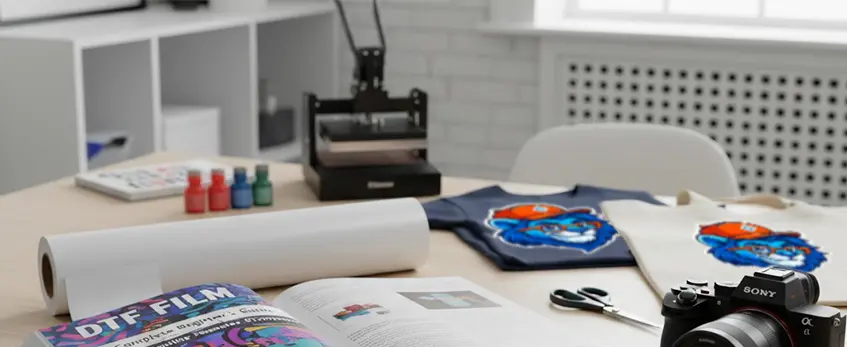
DTF printing is quickly becoming the go-to for small-to-medium runs thanks to its flexibility and cost-effectiveness. Here’s how it works: first, the design is printed onto a special film using a DTF printer. Next, a layer of adhesive powder is applied to the wet print. Finally, the film goes through a heat press that melts the powder, bonding the print to the fabric once transferred.
What sets jinlong DTF apart in 2026 is its advanced film and powder technology, enabling vibrant, durable prints on almost any fabric—cotton, polyester, nylon, leather, and blends. This versatility makes it ideal for various projects, from custom t-shirts to bags and more.
DTF offers brilliant colors with excellent wash fastness, standing up well to repeated laundering without cracking or fading. Compared to direct-to-garment (DTG) printing, DTF can cut costs by 50-70% on polyester fabrics, making it a budget-friendly option without sacrificing quality.
Here’s a quick pros and cons snapshot:
| Pros | Cons |
|---|---|
| Works on nearly all fabric types | Slight setup time for powder |
| Vibrant, long-lasting colors | Not fully soft on very thin fabrics |
| No pretreatment needed | Initial equipment investment |
| Lower cost per print than DTG on poly | Powder waste if not handled well |
For those interested, jinlong offers a range of quality DTF transfer films and supplies that have helped many small businesses grow efficiently. You can check out their DTF transfer film options and learn more about their high-volume 4-head DTF printers to see why they’re dominating the market.
In short, DTF printing is the hottest textile printing technique in 2026 for anyone needing vibrant prints on almost any fabric without breaking the bank.
Heat Transfer Vinyl (HTV)
Heat Transfer Vinyl (HTV) uses a cutting plotter to precisely cut designs out of colored vinyl sheets. Then, a heat press applies the cut vinyl onto your fabric with high temperature and pressure. This technique is perfect for adding names, numbers, and simple logos on shirts, hats, and bags.
Best For
- Customizing sports jerseys (names & numbers)
- Simple, bold logos or text
- Small runs or one-offs without setup hassles
Pros & Cons
| Pros | Cons |
|---|---|
| Very durable and long-lasting | Limited color blending (solid colors only) |
| Great for layered designs | Layering too many vinyl pieces can cause stiffness |
| Fast turnaround for small orders | Not ideal for intricate, full-color artwork |
HTV offers excellent durability, especially for sportswear and work uniforms. However, its main downside is that colors can’t blend like ink, so more complex designs might require another printing method. Also, stacking multiple vinyl layers can make the fabric feel stiff.
If you want a simple, clean look with great durability, HTV is a solid choice—especially when printing names and numbers.
Sublimation Printing: Bright Colors on Polyester Only
Sublimation printing uses heat to turn special dye inks into gas, which then bonds directly with polyester fibers or polymer-coated surfaces. There are two main types: dye sublimation, known for vivid, full-color prints, and pigment sublimation, which offers slightly different color options mainly for industrial uses.
Key Points:
- Works only on polyester fabrics or polymer-coated items like mugs and phone cases. Natural fibers like cotton won’t hold the print.
- Famous for all-over printing capabilities, perfect for socks, sportswear, flags, and any item where you want full coverage and vibrant, detailed designs.
- The print feels soft and breathable since the ink dyes the fabric itself, not just laying on top.
- Not suitable for dark garments as the process relies on white or light-colored polyester for colors to pop. Dark fabrics will mute or hide the design.
Sublimation is unbeatable for bright, durable designs on polyester, but if you want to print on cotton or dark colors, other textile printing techniques might fit better.
Embroidery (Is It Printing? Bonus Section)
While embroidery isn’t a printing technique, it’s often grouped with textile decoration because it offers a distinct look and feel. Instead of ink or toner, embroidery uses thread stitched directly into the fabric to create logos, names, or decorative designs.
When Stitching Beats Printing
- Durability: Embroidery stands out for its long-lasting quality. Threads can withstand countless washes without fading or cracking.
- Premium Feel: It adds texture and a high-end look that printing methods can’t match, making it perfect for corporate apparel, hats, and uniforms.
- Simple Designs Win: Best for logos, monograms, or small to medium-sized designs with limited color complexity.
Cost vs. Perceived Value
- Higher Setup Costs: Embroidery machines require digitizing the design and longer setup times, which can make small orders pricier.
- Value Boost: Customers often perceive embroidered items as more valuable and professional, allowing you to charge a premium.
- Not Ideal for Complex or Full-Color Prints: Large, detailed images with many colors are better suited to printing.
Embroidery remains a solid choice when your project calls for durability and a premium finish. It might not replace printing entirely, but combining both can elevate your product lineup.
7. Vinyl & Cad-Cut Transfers
Vinyl and Cad-Cut transfers work much like Heat Transfer Vinyl (HTV) but with one key difference: the designs come pre-cut by factories instead of being cut on your own plotter. This makes them a convenient option for small businesses or hobbyists who want professional-looking, ready-to-apply graphics without the setup hassle.
How It Works
- Factories prepare the vinyl designs with precision cutting machines.
- You receive the cut transfers ready to apply with a heat press.
- Simply position, press, and peel for a durable finish.
Best For
- Simple logos, lettering, and numbers.
- Small runs with no need for custom cutting equipment.
- Quick turnaround with consistent quality.
Pros
- Saves time on design prep compared to DIY HTV.
- Factory-cut edges mean cleaner, sharper designs.
- Great durability, especially on cotton and polyester blends.
Cons
- Limited to simpler designs—complex, multi-layer prints can get expensive.
- Less flexibility if you want to tweak or customize on the spot.
- Not ideal for all-over prints or photographic images.
For those exploring efficient fabric printing methods, vinyl and Cad-Cut transfers can be a cost-effective option that balances durability and ease of use without needing heavy equipment.
If you’re curious about similar techniques, our complete heat transfer printing guide offers a helpful overview of these methods and when to use them.
Dye & Pigment Printing (Traditional Rotary/Reactive)
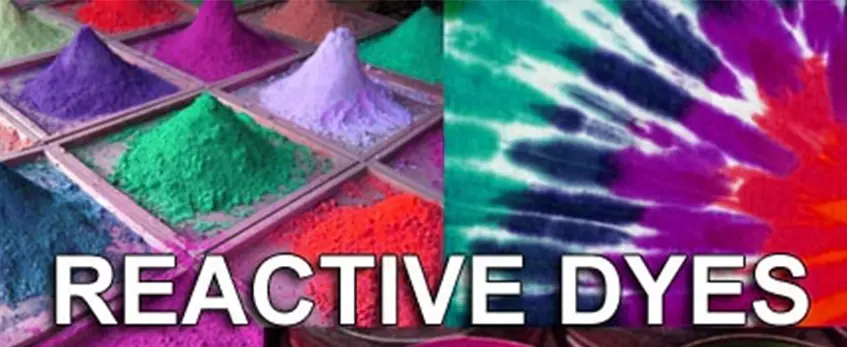
Dye and pigment printing, especially the traditional rotary or reactive methods, remain a staple in large-scale textile production. This technique involves applying color directly onto fabric yarns or finished yardage using large rotary screens or rollers. It\’s widely used for mass production because it’s fast, cost-effective, and can handle big volumes without compromising fabric quality.
Why it’s still popular:
- Works well on natural fibers like cotton and linen.
- Produces vibrant, long-lasting colors thanks to reactive dyes binding chemically with fibers.
- Suitable for creating seamless, all-over patterns on bolts of fabric.
- Ideal for apparel manufacturers needing yardage before cutting and sewing.
Limitations to keep in mind:
- Setup costs are high, so it\’s best for large runs.
- Less flexibility in small batches or custom designs.
- Requires specialized machinery not available to most small businesses.
This method is less common for finished garment printing but remains essential in the broader fabric printing industry. For anyone looking to produce custom garments in smaller runs, newer digital options like DTG or DTF often offer more affordable and versatile alternatives.
If you\’re curious about industrial-scale digital printing that’s shaping the future, check out our insights on digital pigment printing for a modern twist on fabric printing.
Digital Pigment Printing (The Industrial Future)
Digital pigment printing is quickly becoming the go-to method for large-scale textile production, offering unmatched precision and color control. Unlike traditional dye-based inks, pigment inks sit on top of the fabric rather than soaking in, which means they work well on a wide range of materials without the need for special pretreatments.
How It Works
Using advanced industrial printers, pigment inks are jetted directly onto fabric in high resolution. The fabric undergoes heat curing to fix the pigments, resulting in vibrant, durable prints. This process supports detailed designs and complex color gradients, perfect for fashion brands and home textiles aiming for quality and consistency.
Advantages
- Wide fabric versatility: Works on cotton, polyester, blends, and more, without demanding fabric prep.
- Eco-friendliness: Pigment inks are low-impact, often water-based with fewer VOCs than conventional dyes.
- Durability: Prints resist fading and washing better than many traditional methods.
- No minimum orders: Digital setup means quick turnarounds and no large batch requirements.
Limitations
- Higher initial cost: Industrial pigment printers and curing machines require significant investment.
- Cost per print: While great for quality and scalability, pigment printing can be pricier per unit for small runs than DTF or DTG.
For businesses scaling up production or aiming for intricate designs on diverse fabrics, digital pigment printing is the future-ready option. It blends efficiency with sustainability, making it a strong candidate as the industry moves forward.
If you\’re exploring advanced fabric printing methods comparison, pairing digital pigment printing with other techniques like DTF can optimize cost and quality depending on your order size and fabric needs. For more on how DTF stacks up against other options, check out this detailed direct-to-film printing explained guide.
Side-by-Side Comparison Table (The Money Section)
Here’s a clear, quick comparison of the top textile printing techniques to help you weigh costs, quality, and practicality for your project.
| Technique | Min. Order | Fabric Versatility | Color Vibrancy | Softness | Wash Fastness | Cost per Shirt (1-100 pcs) | Startup Cost | Best Use Case |
|---|---|---|---|---|---|---|---|---|
| Screen Printing | 20+ | Cotton, blends | High (limited colors) | Medium (ink layer) | Excellent | $3–$7 | High (screens, setup) | Large runs, simple designs |
| Direct-to-Garment (DTG) | 1 | Cotton, light fabrics | Very High | Very Soft | Good | $8–$15 | Medium (printer) | Detailed, colorful prints |
| Direct-to-Film (DTF) | 1 | Almost all (cotton, polyester, nylon, leather) | Very High | Soft | Excellent | $4–$9 | Medium-Low | Small-to-medium runs, blends |
| Heat Transfer Vinyl (HTV) | 1 | Most fabrics | High | Medium | Good | $5–$10 | Low (cutter, press) | Names, numbers, simple logos |
| Sublimation Printing | 10+ | Polyester, polymer-coated | Very High | Very Soft | Excellent | $6–$12 | Medium | All-over prints on sportswear |
| Embroidery | 10+ | Most fabrics | N/A | N/A | Excellent | $8–$20 | High (machine) | Logos, premium look |
| Vinyl/Cad-Cut Transfer | 1 | Most fabrics | High | Medium | Good | $5–$9 | Low | Simple logo runs |
| Dye & Pigment Printing | 100+ | Natural fabrics (cotton, silk) | Medium | Medium | Good | $2–$5 | Very High | Mass production yardage |
| Digital Pigment Printing | 100+ | Wide range fabrics | High | Soft | Very Good | $3–$7 | High | Industrial-scale production |
Notes:
- Min. Order refers to the minimum quantity typically required to be cost-effective. DTG and DTF are great for one-offs.
- Softness rates how the print feels on fabric—higher means softer and more comfortable.
- Wash Fastness shows how well the print holds up after repeated washing.
- Startup Cost includes equipment and initial setup expenses.
- Pricing depends on design complexity, size, and ink costs.
For quick runs with vibrant colors and fabric versatility, DTF printing is leading the pack, especially with innovations like jinlong DTF’s technology making small business garment printing easier than ever. Screen printing still rules for big orders with simple designs, while DTG shines on cotton-only, vivid prints with no minimums.
Choose wisely based on your project goals!
How to Choose the Right Method for Your Project
Picking the right textile printing technique can be tricky. To simplify, here’s a checklist and a quick flow to help you decide based on your quantity, fabric, budget, design complexity, and turnaround time.
Quick Decision Checklist
| Factor | What to Consider | Best Printing Methods |
|---|---|---|
| Quantity | Small (1-50) vs Large (100+) orders | DTG, DTF, HTV for small; Screen printing for large |
| Fabric Type | Cotton, polyester, blends, leather, etc. | DTF works on almost everything; Sublimation for polyester |
| Budget | Startup cost vs cost per print | HTV and Screen Printing have low cost per shirt at scale; DTG and DTF have higher startup but flexible batch sizes |
| Design Complexity | Multi-color, gradients, all-over, simple logos | DTG and DTF handle complex designs best; Screen printing great for simple multi-color |
| Turnaround Time | Fast vs flexible delivery needed | DTG and DTF provide quicker setups than screen printing |
Simple Flowchart to Pick Your Method
How many shirts?
- Less than 50 → Go to step 2
- More than 50 → Screen Printing or Dye/Pigment Printing
Fabric type?
- Polyester or polymer-coated → Sublimation
- Cotton, blends, leather → DTF or DTG
Design complexity?
- Complex, full-color, photographic → DTG or DTF
- Simple logos/numbers → HTV or vinyl transfers
Budget & Speed?
- Low budget & can wait → Screen Printing
- Need fast & flexible runs → DTF or DTG
Using this guide, you can quickly narrow down your options before diving into the technical details. For example, if you want vibrant prints on blends with quick turnaround and low minimum orders, check out the rising popularity of DTF printing for beginners with easy setup and low ink costs. For a deep dive, consider exploring more on how does DTF printing work.
Getting the right technique upfront saves money, time, and hassle—especially if you’re starting a small business or customizing shirts for events.
The Rise of DTF in 2026 – Why Jinlong DTF Leads the Pack
DTF printing has truly taken off in 2026, and Jinlong is at the forefront of this revolution. What sets Jinlong DTF apart is its superior film and powder technology, giving prints that pop with vibrant colors and stay durable wash after wash. Unlike traditional DTG or screen printing, Jinlong’s process requires no pretreatment, meaning less hassle and faster turnaround times.
Another big selling point is the freedom from color limits. Whether your design is simple or packed with gradients, Jinlong DTF can handle it without issues like cracking or peeling that plague other methods. This makes it a top choice for small-to-medium runs where quality and efficiency matter most.
Real customer feedback backs this up — many report excellent wash durability and sharp detail even after multiple washes. For those curious about the curing process, Jinlong provides detailed guides on how to get perfect results without causing film warping, which helps maintain print quality.
If you’re ready to jump into DTF printing or want to switch to the best supplies in the market, you can find authentic Jinlong DTF materials at trusted suppliers. They offer reliable products that make your printing smooth and your prints long-lasting.
Explore the full details on Jinlong’s quality control and testing process and learn how to cure DTF powder properly with a heat press for the best results. These resources make starting or upgrading your DTF setup much easier.
- Discover more about their quality control and testing process
- Learn effective how to cure DTF powder with heat press without causing film warping
Jinlong DTF isn’t just a trend—it’s becoming the go-to choice for durable, cost-effective, and vibrant textile printing in the US market in 2026.


 English
  Español
  Deutsch
  Français