
No products in the cart.

Jinlong
Hot Melt Glue Powder Guide How It Works in DTF Printing
What Is Hot Melt Glue Powder?
Hot melt glue powder is a type of thermoplastic adhesive commonly used in the DTF printing process. It’s made from polyurethane (TPU) or similar synthetic materials that melt when heated and solidify quickly as they cool. This powdery form of hot melt adhesive allows for easy application onto freshly printed ink before transferring the design onto fabric.
You’ll often hear it called DTF powder, DTF adhesive powder, or simply hot melt powder. It’s called glue powder because, unlike liquid adhesives, it comes as a fine powder that “glues” or bonds the printed ink firmly to textiles once heated. This powder behaves like a hot glue in granular form, making it perfect for creating durable, high-quality direct-to-film transfers.
In short, hot melt glue powder is the key ingredient that ensures your DTF prints stick well, stay vibrant, and last through multiple washes.
The Role of Hot Melt Glue Powder in DTF Printing
Hot melt glue powder is essential in the DTF printing process because it bonds the printed ink firmly to the fabric. Without this powder, ink would easily peel or wash away, making the print weak and short-lived.
Why Hot Melt Glue Powder Matters:
- Adhesion: It sticks the ink layer to the fabric tightly, ensuring the design holds up through wear and washing.
- Durability: The powder adds strength, allowing prints to last over 50 washes without cracking or fading.
- Softness: Unlike some adhesives, quality hot melt powders keep the fabric feeling soft and flexible.
- Color Vibrancy: It helps maintain vibrant colors, preventing dulling or blotchiness after heat pressing.
How It Stands Against Other Adhesives
| Feature | Hot Melt Glue Powder | Other Printing Adhesives |
|---|---|---|
| Wash Fastness | 50+ washes | Often less durable |
| Soft Hand Feel | Soft and flexible | Can be stiff or rubbery |
| Compatibility | Works on most fabrics | Limited fabric compatibility |
| Color Brightness | Maintains vivid prints | Sometimes dulls ink colors |
Using the right DTF adhesive powder ensures the print looks great and lasts long, which is why it outperforms many other adhesives in direct-to-film printing. For a solid start on the entire printing process, check out this detailed DTF beginners guide.
Types of Hot Melt Glue Powder
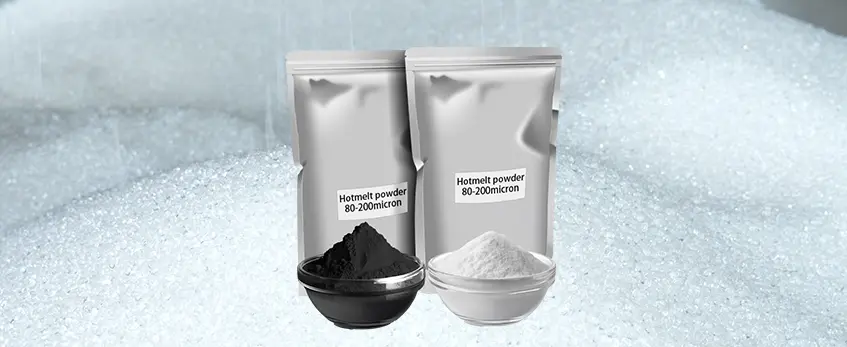
Hot melt glue powder comes in a few main types, each designed to tackle specific needs in the DTF printing process. The most common is white powder, which is essential for making bright, vivid prints. It offers excellent coverage, especially on dark or colored fabrics, ensuring colors pop and the design stands out sharply.
For dark fabrics, many printers use black anti-sublimation powder. This variant prevents dye migration from dark textiles into the design, helping to keep the colors crisp and vibrant without unwanted fading or discoloration.
Particle size also plays a big role. Finer powders spread more evenly, giving better detail on intricate designs and smoother hand feel. Coarser particles are easier to handle but may result in a grainier finish. So, choosing the right DTF adhesive powder particle size depends on your design detail and fabric type.
There are also specialized variants, like powders formulated for stretchy or delicate fabrics. These powders are designed to maintain flexibility and softness after curing, perfect for activewear or sensitive materials that require a gentle touch.
Selecting the proper hot melt glue powder tailored to your fabric and design needs ensures stronger adhesion, better durability, and a superior finish overall. For more insights on optimizing your DTF setup, check out this detailed guide on DTF printing process.
How Hot Melt Glue Powder Works: Step-by-Step in the DTF Process
The hot melt glue powder plays a crucial role in the Direct to Film (DTF) printing process, ensuring your design sticks well and lasts long. Here’s how it works, step-by-step:
Printing the Design on PET Film
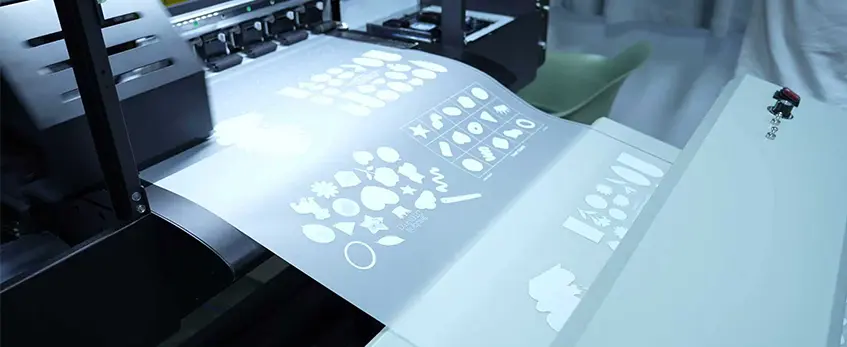
The process starts by printing your design in mirror mode onto a PET film using CMYK colors plus white ink. The white layer acts as a base, helping colors pop on darker fabrics.
Applying Powder to Wet Ink
While the ink is still wet on the film, hot melt glue powder (also called DTF transfer adhesive) is either manually or automatically sprinkled over the ink. This powder sticks only where the ink is wet.
Removing Excess Powder
After application, excess powder is gently shaken off or blown away to leave an even coat only on the printed parts. This avoids powder buildup and ensures smooth transfers.
Curing and Melting the Powder
The film with powder goes through a curing step to melt the hot melt adhesive powder into a smooth layer. This usually happens between 140–160°C (284–320°F) using specialized curing ovens or heat presses designed for DTF powder curing. Proper melting is key for strong adhesion later.
Transferring Design to Fabric
Next, the cured film is placed ink/powder side down on your fabric. A heat press applies high pressure and heat (typically around 160–170°C for 15-25 seconds), transferring the design from the PET film onto the garment.
Peeling and Final Pressing
Once heated, the PET film is peeled off—either hot or cold peel depending on powder type—and the garment often gets a final press for a few seconds to improve durability and softness.
Visual Cues to Check Proper Melting
A well-cured hot melt glue powder layer has a distinct “orange peel” texture. If you see clumps, powder residue, or a sticky surface, it indicates curing or powder application issues that might hurt adhesion and washability.
This stepwise process with carefully handled hot melt glue powder ensures your DTF prints look vibrant, stay soft, and hold up wash after wash. For beginner-friendly tips on powder curing equipment and techniques, check out this detailed guide on how to cure DTF powder with a heat press.
Benefits of Using Quality Hot Melt Glue Powder
Using a high-quality hot melt glue powder in your DTF printing ensures the best results. Here’s why it matters:
| Benefit | Details |
|---|---|
| Superior Adhesion | Bonds ink firmly to fabric for lasting prints |
| Wash Fastness 50+ Washes | Keeps designs vibrant and intact after many washes |
| Soft, Stretchy Feel | Maintains garment softness and stretch without cracking |
| Multiple Fabric Compatibility | Works well on cotton, polyester, blends, and more |
| Vibrancy & Durability | Prevents fading, peeling, or yellowing over time |
To get these benefits, choosing powders like jinlong DTF premium powder is key. This powder provides consistent particle size and excellent curing properties that boost print quality and durability.
For the best overall performance and softness in your DTF projects, investing in quality hot melt adhesive for DTF will save time and avoid common issues. You can also check out quality films to pair with your powder, such as this high-quality DTF transfer film, for optimal bonding and vibrant prints.
Choosing the Right Hot Melt Glue Powder
Picking the right hot melt glue powder for your DTF printing job depends on a few key factors:
- Fabric type: Different powders are designed for cotton, polyester, blends, or stretch fabrics. For example, black anti-sublimation powder works best on dark polyester fabrics to prevent ink bleeding.
- Design detail: Fine, intricate designs need powders with smaller, uniform particle sizes to ensure smooth adhesion without losing detail.
- Hand feel: If softness is a priority, opt for powders formulated for a soft, stretchy finish that won’t feel stiff or heavy on garments.
- Anti-sublimation needs: For polyester or dark-colored fabrics, choose powders labeled as anti-sublimation to avoid ink bleeding during heat pressing.
When evaluating quality, look for:
- Particle distribution: Evenly sized particles mean consistent powder application and better bonding.
- Moisture resistance: Good powders resist clumping and maintain adhesion even in humid environments.
- Certifications: Trusted powders often come with quality or safety certifications ensuring reliable performance.
For best results, store your hot melt glue powder in a cool, dry place, away from moisture and direct sunlight. Keep containers sealed tight to prevent clumping and contamination, which can affect powder flow and bonding.
If you’re exploring premium options, check out reliable choices like the TPU hot melt adhesive powder designed specifically for DTF printing, offering excellent adhesion and wash durability.
Common Mistakes and Troubleshooting
When working with hot melt glue powder in DTF printing, there are a few common issues that can trip you up:
Uneven powder application: If the DTF powder isn’t spread evenly on the wet ink, adhesion suffers. This leads to weak spots where the design might peel off or crack after washing.
Insufficient curing: Not melting the hot melt adhesive powder fully can make transfers sticky or prone to damage. Proper DTF powder curing is essential to lock the design to the fabric securely.
Overheating risks: Too much heat or time during curing or pressing can cause yellowing, brittleness, and loss of flexibility in the print. This affects both the look and feel of your DTF transfers.
How to Fix These Issues
Calibrate your equipment regularly to ensure temperature and timing are spot on. Heat presses and curing ovens must run within the recommended ranges.
Remove excess powder after application to avoid clumps that can interfere with adhesion or texture.
Maintain proper ventilation during curing to prevent overheating and ensure even heat distribution.
By keeping these factors in check, you’ll get stronger, softer, and longer-lasting prints every time. For tips on how temperature and time impact your print quality, check out this guide on Jinlong DTF white ink curing essentials.
Safety and Best Practices
When working with hot melt glue powder in DTF printing, safety is key. Always wear proper personal protective equipment (PPE) like masks, gloves, and eye protection to avoid inhaling fine powder particles. Make sure your workspace is well-ventilated to reduce dust buildup and fumes, especially during the powder curing stage.
For a greener approach, consider environmentally friendly practices such as using reusable DTF powder and proper powder disposal methods. This not only minimizes waste but also ensures safer handling of hot melt adhesive for DTF in your printing process. Following these simple steps protects both you and the environment while maintaining high-quality, washable DTF adhesive transfers.
For premium yet safe options, check out TPU hot melt powder designed for a soft hand feel and reliable adhesion. Proper safety and best practices give you peace of mind and better results every time.


 English
 Español
 Deutsch
 Français