


What Are Ready to Press DTF Transfers and Why They Are Popular
What Exactly Are Ready to Press DTF Transfers?
Ready to press DTF transfers are pre-made, no-prep decals designed for quick and easy application on garments using a heat press. They are made using direct to film transfers, a process that involves:
- Digital printing of vibrant, full-color designs onto a PET film
- Applying a layer of specially formulated Polvo adhesivo DTF over the printed film
- Curado the powder by heating, which readies the transfer for immediate use
The key feature is that these transfers come fully prepared—meaning you don’t need to handle any adhesive powder or perform additional steps. Just pick your garment, apply with heat, and peel.
| Característica | Ready to Press DTF | Custom DTF / Other Transfers |
|---|---|---|
| Preparation Required | None, transfers are pre-coated | Requires powder application and curing |
| Método de aplicación | Heat press, peel immediately | Heat press, sometimes multiple steps |
| Uso ideal | Small runs, quick customization | Large runs, fully customized designs |
| Equipo necesario | Standard heat press only | Heat press plus powder applicator |
| Typical Cost | Menor coste inicial | Higher setup and material cost |
Compared to custom DTF or other transfer types like serigrafía or HTV, ready to press DTF transfers save time and effort by eliminating all preparation. They offer an easy, clean, and consistent solution for applying transferencias DTF with vibrant colors and great durability, especially popular for DTF transfers for t-shirts and other apparel.
How Ready to Press DTF Transfers Work: Step-by-Step Application

Using ready to press DTF transfers is straightforward, making them a favorite for both beginners and pros. Here’s how to get the best results:
1. Selecting Designs and Garments
Choose vibrant full-color DTF printing designs that match your project. Ready to press heat transfers come pre-made, so you skip design prep or weeding. Pair these transfers with suitable garments—cotton, polyester, blends, nylon, or leather all work well. Keep in mind fabric type to ensure proper heat pressing and durability.
2. Heat Press Settings
Set your heat press to around 300°F (149°C) with medium pressure. Press time usually ranges from 10 to 15 seconds for optimal adhesion, but always check supplier recommendations. Lower temperature pressing can help prevent scorching or adhesive issues. For detailed info on getting your temperature right, see why incorrect DTF temperature causes peeling or cracking.
3. Peeling Methods: Hot Peel vs. Cold Peel
- Exfoliación en caliente: Remove the transfer film immediately after pressing while it’s still warm. This is common for many ready-to-press DTF transfers and works great on most fabrics.
- Exfoliación en frío: Let the transfer cool completely before peeling. This method suits some adhesive types and avoids smudging on delicate images.
Check the transfer instructions closely, as peeling method impacts final print quality and durability.
4. Tips for Consistent Adhesion and Avoiding Issues
- Use a heat press with even pressure and temperature distribution.
- Pre-press garments for 3-5 seconds to remove moisture and wrinkles.
- Avoid over-pressing to prevent fabric scorching or transfer distortion.
- Store transfers properly to maintain adhesive strength; improper storage can reduce tackiness.
- For best results, pair with high-quality DTF adhesive powder and inks.
These steps ensure your ready to press DTF transfers stick well, look vibrant, and hold up wash after wash.
Why Ready to Press DTF Transfers Have Become So Popular

Ready to press DTF transfers have taken off because they make custom garment decoration super easy, especially for beginners. Unlike other methods, you don’t need design software or any weeding — the transfers come pre-made and ready to apply. This no-fuss approach is perfect if you want fast, professional results without extra steps.
They’re also very cost-effective for small runs or one-off projects, which helps keep waste and inventory low. No need to order bulk or store lots of stock—just pick the transfers you want and press them on demand.
What really stands out is the vibrant full-color output you get with ready to press heat transfers. The details stay sharp, and the prints have a soft hand feel that’s comfortable to wear. Plus, these durable custom apparel transfers hold up well in the wash—no cracking, peeling, or fading after multiple cycles.
Ready to press DTF is incredibly versatile, too. It works on cotton, polyester, blends, nylon, leather, plus accessories like hats, bags, and hoodies. That means you can experiment with a wide range of products without switching gear or techniques.
For small businesses and crafters, these transfers offer big advantages: quick turnaround times, low equipment costs, and minimal learning curve. If you’re looking to expand your offerings or start a custom apparel side hustle, ready to press DTF transfers provide a reliable, cost-efficient way to get vibrant, durable results every time.
Ready to Press DTF vs. Other Printing Methods
When choosing a printing method for custom apparel, it helps to know how ready to press DTF transfers stack up against other popular options like screen printing, HTV (heat transfer vinyl), and DTG (direct-to-garment). Here’s a quick comparison to guide your choice.
| Método | Tiempo de preparación | Color & Design Limits | Lo mejor para | Durabilidad y tacto | Notas |
|---|---|---|---|---|---|
| Ready to Press DTF | Very short, no prepping | Unlimited colors, full-color prints | Small runs, multi-color designs | Soft feel, durable, wash-resistant | Ideal for vibrant prints on cotton, blends, polyester, and more |
| Serigrafía | Long setup; screens needed | Limited colors per screen | Large orders, simple designs | Very durable, but thicker feel | Not cost-effective for short runs or full-color designs |
| HTV/Vinyl | Moderate; requires design prep and weeding | Often single-color or layered designs | Simple logos, fewer colors | Slightly thicker, can crack or peel | Weeding can be time-consuming; less complex for one- or two-color designs |
| DTG | Quick digital prep | Excellent for full-color, detailed designs | Soft fabrics, pure cotton | Soft print, but may fade faster on blends | Needs fabric prep; can be slower for large volumes |
Why Ready to Press DTF Stands Out
- No weeding or design prep: Unlike HTV, ready to press DTF transfers come pre-made, cutting out the tedious steps of weeding vinyl.
- Full vibrant colors with sharp details: Great for complex or photographic designs where screen printing falls short.
- Funciona en una gran variedad de tejidos: Perfect for blends or synthetics where DTG struggles.
- Fast and simple for small batches: No screen setup needed, making it more cost-effective and less wasteful for small runs or custom orders.
For a deep dive into how DTF films and powders affect print quality and ease of use, exploring resources like the detailed A3 DTF printer features and benefits can be a game-changer in understanding the technology behind these transfers.
Who Benefits Most from Ready to Press DTF Transfers?
Ready to press DTF transfers are a game-changer for many in the custom apparel world. Here’s a quick rundown of who gains the most from using these hassle-free, vibrant transfers:
| Beneficiary Group | Benefits of Ready to Press DTF Transfers |
|---|---|
| Small Apparel Businesses & Etsy Sellers | Low upfront costs, easy to use, perfect for small batch DTF designs without inventory headaches. |
| Crafters, Hobbyists & Print Shops | No weeding DTF application saves time and effort, making full-color DTF printing simple and accessible. |
| Schools, Clubs & Event Merch Creators | Fast turnaround for event gear and merch, durable custom apparel transfers that hold up in washes. |
| Print-on-Demand Operators | Ideal for doing vibrant DTF on dark fabrics and mixed materials, with minimal investment in equipment. |
These groups appreciate how ready to press heat transfers cut down on prep time and skill needed, allowing them to focus more on creativity and sales. Whether you’re printing hoodies, hats, or bags, these transfers bring versatility and professional results without the complications of traditional methods. If you’re looking to expand your custom garment decoration methods with less hassle, ready to press DTF transfers are a solid choice.
Tips for Choosing High-Quality Ready to Press DTF Transfers

When picking ready to press DTF transfers, quality matters a lot. Start by evaluating your suppliers carefully—look for consistent ink quality, durable transfer films, and reliable Polvo adhesivo DTF application. These factors ensure your transfers stick well and last longer without peeling or fading.
Always choose transfers with professional grade prints known for vibrant colors and excellent wash performance. This means your custom apparel transfers will hold up wash after wash, keeping designs sharp and soft to the touch.
Keep these considerations in mind:
- Tipo de pelado: hot peel or cold peel depending on your heat press and fabric.
- Design variety and size options: make sure the supplier offers the styles and sizes that fit your needs.
- Atención al cliente: responsive help can save time when troubleshooting.
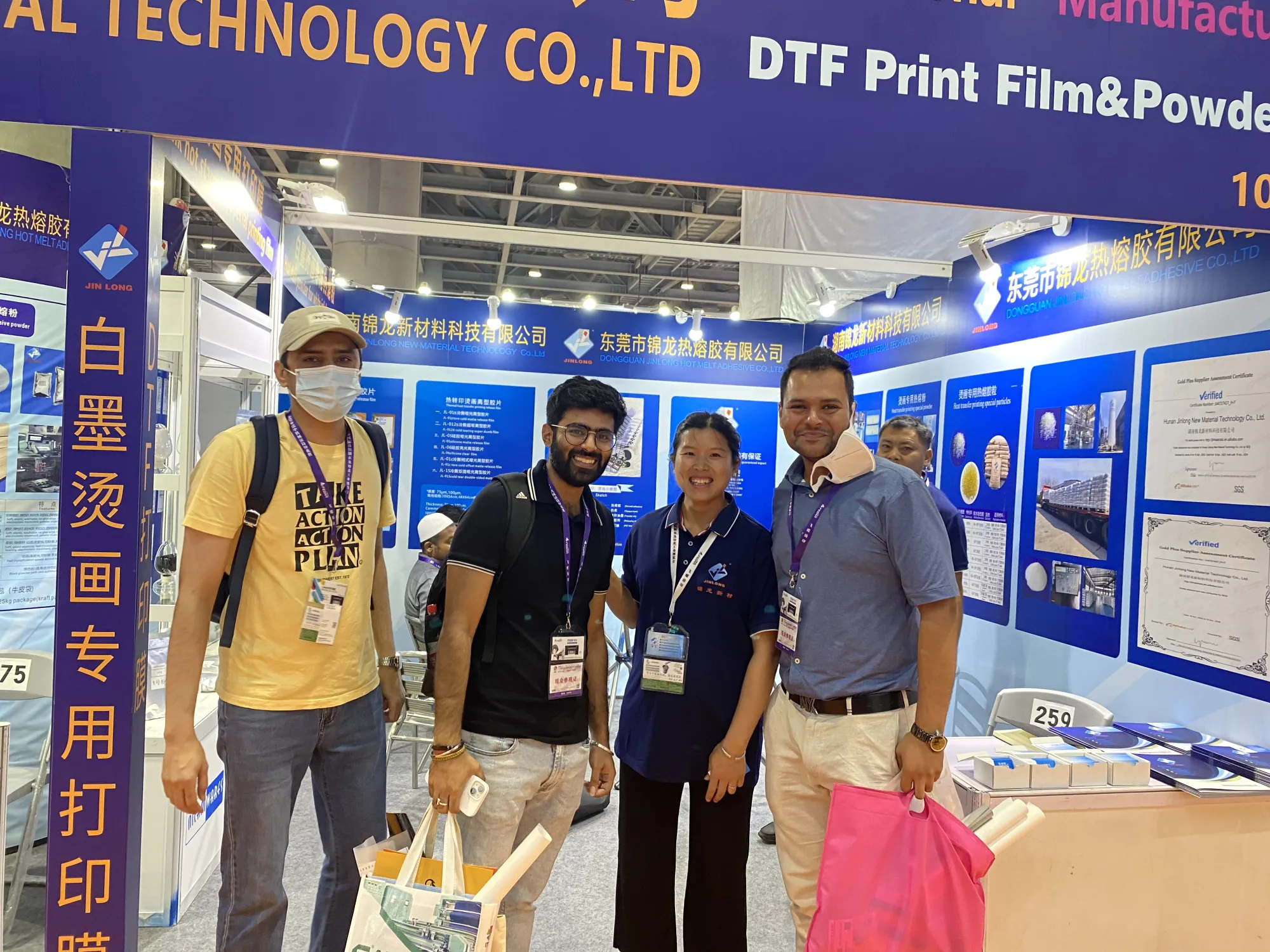
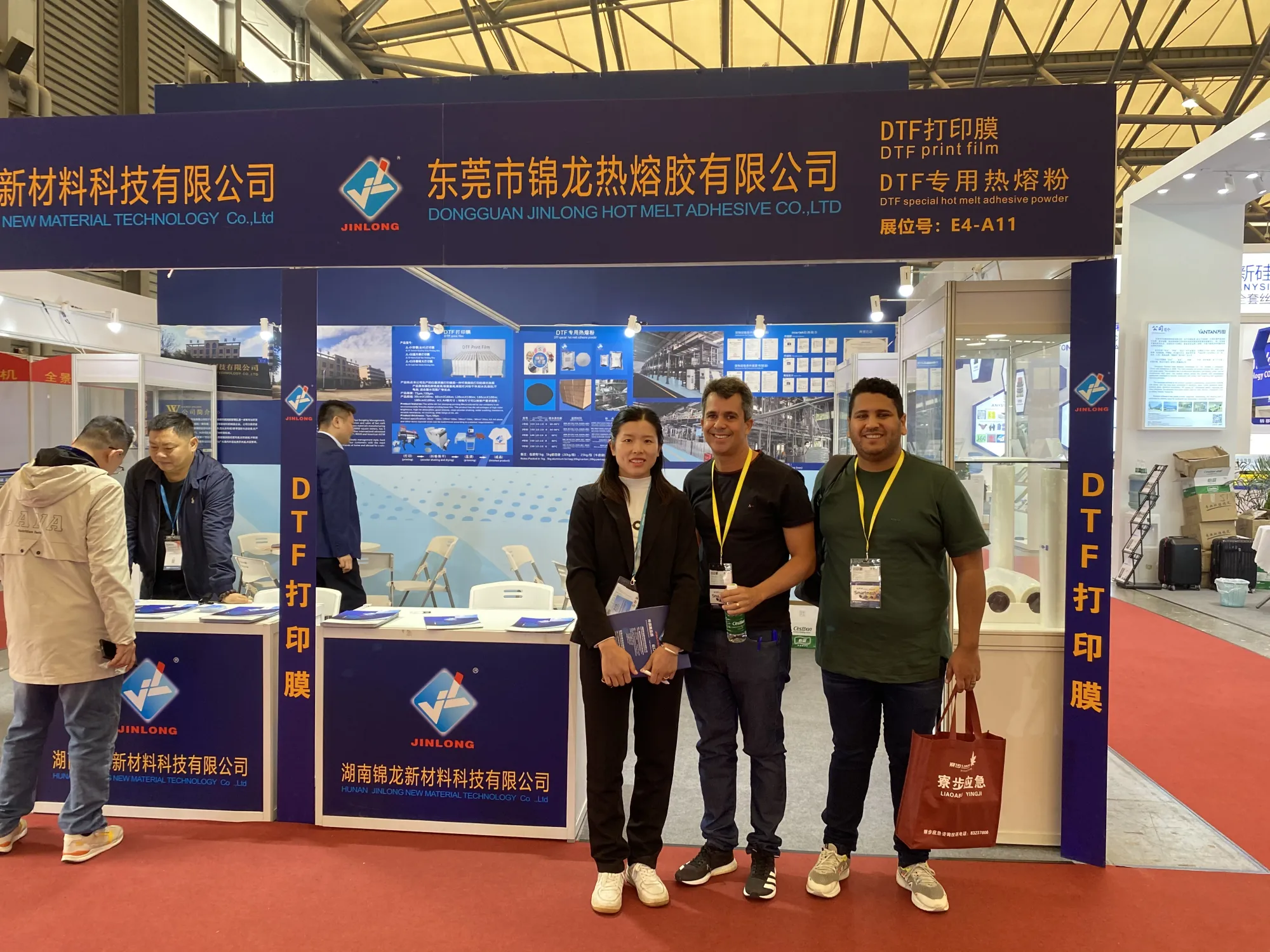
For trusted products, many small businesses and crafters in the US rely on jinlong DTF for superior films and inks. Their range of Láminas de transferencia DTF y high-quality inks stands out for sharp, vibrant prints and durability, helping you get the best results for ready to press heat transfers.
Common Questions and Troubleshooting for Ready to Press DTF Transfers
Caducidad y almacenamiento
Ready to press heat transfers have a decent shelf life when stored properly. Keep your DTF transfers in a cool, dry place away from direct sunlight to prevent adhesive breakdown. Ideally, store them flat and sealed in airtight bags to avoid moisture exposure that can affect the DTF adhesive powder performance.
Washing Instructions for DTF Decorated Garments
To maintain vibrant colors and durability:
- Turn the garment inside out before washing.
- Use cold or warm water on a gentle cycle.
- Evite el uso de lejía y detergentes agresivos.
- Hang dry or tumble dry on low heat to prevent peeling and cracking.
Following these steps ensures your durable custom apparel transfers stay intact, wash after wash.
Heat Press Compatibility: Home vs. Commercial
While commercial heat presses often provide more consistent temperature and pressure, many home heat presses work great for ready to press DTF transfers if set up correctly. Stick to recommended settings—usually around 320°F for 15 seconds with medium pressure—and avoid overly low or high temperatures that cause adhesion issues or scorching.
Solución de problemas comunes
- Adhesion Failures: Often caused by insufficient pressure, temperature, or time. Double-check your heat press settings and ensure even pressure on the garment.
- Scorching or Discoloration: Usually due to high heat or prolonged pressing. Use a protective sheet and adjust press time or temperature lower if you notice fabric damage or color shifts.
- Color Shifts or Fading: Can happen if the transfer wasn’t fully cured or if washing instructions aren’t followed. Using quality DTF films and inks, like those available with professional-grade DTF equipment, helps minimize these issues.
Keeping these tips in mind helps you get the best from your ready to press heat transfers, ensuring sharp, vibrant designs that last.


 English
  Español
  Deutsch
  Français