


Why My DTF Sticks Every Time High-Quality Film and Powder Guide
If you’ve ever gone through the whole DTF process—printed your design perfectly on film—only to pull the transfer and watch it peel, crack, or fade after a wash, you know how frustrating inconsistent adhesion can be. The secret to why your DTF sticks every time isn’t just in your printer settings or heat press technique; it’s deeply rooted in choosing high-quality DTF film and powder that work seamlessly together. These essentials control ink absorption, powder bonding, and durability—turning your prints from unreliable to professional-grade. In this guide, you’ll discover exactly what makes top-tier Película DTF y Polvo DTF different, how to select the right products, and practical tips to ensure strong, stable, and wash-proof transfers every single print. Let’s get into the core of what guarantees flawless DTF adhesion for your apparel business.
Understanding DTF Adhesion: Why Transfers Fail to Stick
Direct-to-Film (DTF) printing relies on a precise interaction between the ink, adhesive powder, and fabric to create lasting transfers. At its core, DTF sticking happens when the hot-melt TPU powder bonds firmly to both the printed film and the garment fibers during heat pressing. This bond secures vibrant, durable designs that withstand washing and wear.
However, several common failure points can cause your DTF transfers to peel or lift:
- Poor ink-powder bonding on film: If the film’s surface or the ink layer is low quality, the powder won’t adhere properly. This weakens the initial bond, leading to transfer failure.
- Weak powder melt and fabric penetration: The TPU powder must melt evenly and flow into fabric fibers. Cheap or incompatible powders often melt poorly, resulting in a fragile bond.
- Factores medioambientales: Excess humidity and static electricity in your workspace can amplify adhesion problems, making powders clump or stick unevenly.
- Mismatched film/powder combinations: Not all DTF films and powders are made to work together. Using mismatched materials often causes poor bonding and inconsistent results.
Low-quality consumables intensify these issues. Inferior DTF powder or film can dramatically reduce adhesion strength, cause cracking, leave residue, and degrade washing durability. To achieve consistent, flawless sticking every time, investing in high-quality DTF powder and film essentials is crucial for small businesses and makers alike.
The Role of High-Quality DTF Film in Perfect Adhesion
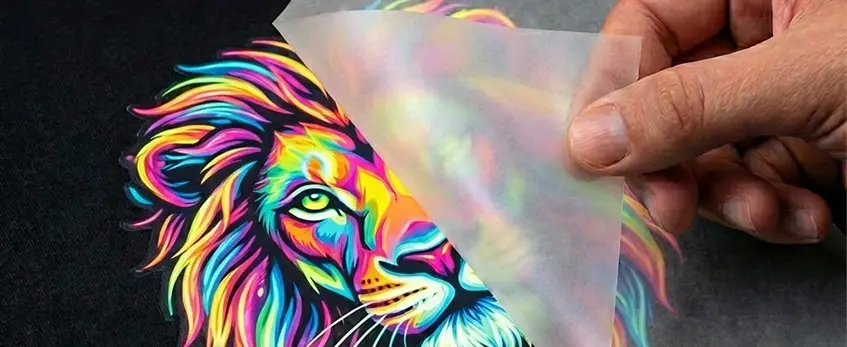
High-quality DTF film is a game-changer when it comes to getting transfers that stick every time. The secret lies in advanced coating technology that balances ink absorption and release perfectly. This ensures the ink bonds well with the film but also releases smoothly during pressing. Plus, features like anti-static and anti-cling coatings keep the film clean and easy to handle, which helps prevent transfer sticking issues.
Film thickness and type matter a lot. Whether you choose matte or glossy, or single-sided versus double-sided film, each option affects how the powder adheres and melts into the fabric. Thicker films provide better heat resistance and stability during curing, reducing the risk of warping or bubbling. Superior films also prevent powder over-adhesion — this means less residue and a clean, sharp print with maximum hold.
Look for signs of quality film like consistent thickness, smooth surface, and strong ink compatibility. Red flags include uneven texture, easy tearing, or films that cause excessive powder clumping. Choosing the right high-quality DTF film can dramatically improve your results and is essential for consistent, vibrant transfers. For a reliable option, you can check out the jinlong DTF Transfer Film Double Basic Series, which is designed to work seamlessly with premium powders and inks.
The Critical Importance of Premium DTF Powder
DTF powder acts as the hot-melt TPU adhesive particles that bond your transfer onto fabric. The right powder ensures a strong, lasting stick, while cheap powder can cause major headaches.
Key Factors to Consider in DTF Powder
| Factor | Por qué es importante |
|---|---|
| Tamaño de las partículas | Affects even powder spread and smooth melting |
| Melting Temp/Flow | Controls how well the powder melts and bonds |
| Purity | Prevents weak spots and residue on your print |
| Compatibilidad de tejidos | Ensures the powder works with your garment type |
Using low-quality powder often leads to:
- Weak bonds that peel after just a few washes
- Cracking or powder residue ruining print appearance
- Harsh hand-feel making garments uncomfortable
On the flip side, high-grade DTF powder delivers:
- A soft hand-feel that keeps prints feeling natural
- Strong, durable adhesion that stands up to washing
- Cleaner prints with less residue and clogging
Choosing premium powder is key for consistent results and vibrant, long-lasting DTF transfers. For best outcomes, match your powder specs to your fabric and workflow to avoid common DTF transfer sticking issues.
How jinlong DTF Film and Powder Work Together for Consistent Results
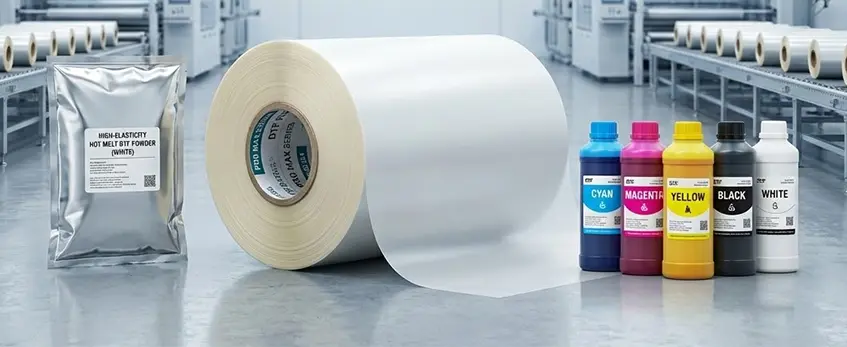
When it comes to perfect DTF powder adhesion and vibrant prints, the secret lies in the synergy between jinlong DTF film and powder. Both are engineered to fit together, creating a reliable bond that sticks every time.
Why This Pair Works:
| Característica | jinlong DTF Film | jinlong TPU Powder |
|---|---|---|
| Coating Technology | Anti-static, optimal ink absorption | Uniform particle size, high purity |
| Resistencia al calor | Stable during curing, prevents over-adhesion | Melts evenly for strong fabric penetration |
| Compatibilidad | Matched matte/glossy options | Custom melting point for different fabrics |
| Resultado | Smooth release, no clumping or residue | Soft hand feel, durable wash fastness |
Benefits of Using jinlong Essentials:
- Reduced waste thanks to precise powder melt and minimal residue
- More vibrant colors because of superior ink-film bonding
- Excelente resistencia al lavado with TPU powders designed for flexibility and durability
- Reliable sticking every single time, cutting down on rejects and reprints
Switching to jinlong’s DTF film and powder essentials means less guesswork and more consistent results from batch to batch. If you want a real edge and fewer headaches, this pairing is your go-to combo. For tips on optimizing your workflow with these materials, check out this guide on maximizar el potencial del papel y el polvo de transferencia DTF.
Choosing the Right DTF Film and Powder: Expert Buying Guide
Picking the perfect DTF powder and film combo makes all the difference in getting your transfers to stick every time. Here’s what I focus on to avoid common DTF transfer sticking issues:
Match powder mesh size to your design and fabric weight: Finer powders work best for detailed prints and lightweight fabrics, while coarser powders suit heavy garments and bold designs. This helps ensure consistent DTF powder adhesion without excess residue.
Consider melting points for heat-sensitive garments: If you’re working with delicate or heat-sensitive materials, choose powders with lower melting temperatures to prevent scorching or fabric damage during curing.
Evaluate certifications, customer reviews, and batch consistency: Reliable powders and films should come with quality certifications and positive user feedback. Consistency between batches guarantees repeatable success, so avoid unknown or untested brands.
Follow proper storage and shelf-life practices: Keep your DTF film and powder in a cool, dry place, sealed tight to prevent moisture or static buildup — key factors in preventing adhesion failures. Remember, expired or poorly stored consumables won’t stick right.
Budget vs value: It’s tempting to cut costs with cheap DTF powder or film, but low-quality
Pro Tips and Best Practices for Flawless DTF Sticking Every Time
Getting your DTF powder adhesion right every time takes more than just good materials—it’s about fine-tuning your whole process. Here are some proven tips to help you avoid common pitfalls and achieve consistent, high-quality transfers:
Controle su entorno
- Humedad: Keep humidity between 40-50%. Too much moisture weakens powder melt, while too little causes static cling and uneven powder pickup.
- Static Management: Use anti-static devices and avoid synthetic clothing that causes static to reduce powder clumping and improve even coverage.
Perfect Powder Application
- Apply powder evenly and avoid heavy spots. Use a shaker system designed for consistent layer thickness—this helps prevent over-adhesion or stubborn residue.
- Shake off all excess powder; leftover powder causes rough texture and can peel off after washing.
Get Curing and Pressing Right
- Temperatura: Stick to your powder’s melting point, often between 270-300°F. Too low means weak bonding; too high risks scorching the film or fabric.
- La hora: Follow powder and film specs closely, generally around 8-12 seconds for curing.
- Presión: Moderate, even pressure ensures the powder melts into the fabric fibers properly, enhancing bond strength without damaging the print.
Handle and Store Prints Carefully
- Allow transfers to cool before peeling to avoid premature lifting.
- Store finished garments flat or hung in a dry, dust-free environment to maintain adhesion and print quality.
Consejos para solucionar problemas
- Over-sticking: Usually caused by too much powder or excessive pressing time. Lighten powder application and shorten curing time.
- Under-sticking/Peeling: Often from low-quality powder, insufficient heat, or poor powder-film compatibility. Check materials and adjust heat/pressure accordingly.
Workflow Checklist for Repeatable Success
- Verify environment conditions daily (humidity, static).
- Always use high-quality powder matched to your film type.
- Shake and remove excess powder thoroughly.
- Set press temperature/time/pressure per product specs.
- Cool transfers fully before removal.
- Store prints properly to prolong durability.
Following these best practices along with premium DTF consumables ensures you get soft hand feel DTF prints that last wash after wash. For the best results, combining high-quality products like película de transferencia jinlong DTF y the best TPU powder for DTF printing can make all the difference in consistent DTF bonding and preventing common transfer sticking issues.
Real Results: Before and After with High-Quality Essentials
When you switch to high-quality DTF film and powder, the difference is clear right from the first print. Before using premium products like jinlong DTF film and powder, you might have dealt with transfers that barely stick, feel rough or crack after a few washes. Low-quality powder leaves behind residue, and poor film causes uneven ink absorption, leading to faded colors and peeling.
After upgrading to jinlong’s premium DTF essentials, you’ll notice much stronger adhesion on fabrics, preventing the all-too-common peeling or flaking. The prints feel noticeably softer with a smooth hand feel, so your garments stay comfortable without sacrificing durability. Wash resistance improves dramatically—DTF powder adhesion stays consistent even after multiple cycles, keeping colors vibrant and designs intact.
Jinlong DTF’s perfectly engineered film and TPU powder work together for consistent bonding, reducing sticky powder residue and ensuring every transfer sticks every time. For those who struggled with inconsistent setups, switching to jinlong DTF consumables transforms your entire workflow, making your heat presses more reliable and your finished products professional-grade.
Check out jinlong’s proven line of Opciones de película de transferencia DTF and complement them with their quality DTF powders to see these real results firsthand.


 English
  Español
  Deutsch
  Français