


Riesgos de toxicidad del polvo DTF Consejos de seguridad para fabricantes y usuarios
¿Qué es el polvo DTF y cuál es su composición?
El polvo DTF, o polvo termofusible directo a película, es un adhesivo especializado que se utiliza en la industria de la estampación textil. Normalmente, se trata de un adhesivo termoplástico a base de poliuretano que ayuda a transferir diseños de la película al tejido. Este polvo termofusible se ablanda cuando se calienta, lo que le permite adherir firmemente las imágenes impresas al tejido durante el proceso de curado.
La mayoría de los polvos DTF están hechos de resinas de TPU (poliuretano termoplástico) combinadas con diversos polímeros. Estos ingredientes pueden variar ligeramente de una marca a otra para optimizar la adherencia, el punto de fusión y el tacto en diferentes fibras textiles. Los finos gránulos del polvo se adhieren a la tinta impresa en la película antes del prensado térmico, y después se funden y curan para crear una unión duradera y flexible con la prenda.
Comprender esta composición es crucial porque influye no sólo en la calidad de las impresiones, sino también en las posibles consideraciones de seguridad durante la manipulación y el curado de los polvos DTF.
Riesgos potenciales para la salud: Separar la realidad de la preocupación
Cuando se trabaja con polvo DTF, los riesgos de inhalación son una preocupación común. Las finas partículas suspendidas en el aire que se liberan durante la aplicación pueden irritar el sistema respiratorio si no se toman las precauciones adecuadas. Esto es especialmente cierto en espacios mal ventilados donde se acumula el polvo.
El calentamiento y curado del polvo -especialmente los polvos DTF basados en TPU- puede liberar humos. Éstos pueden incluir compuestos orgánicos volátiles (COV) y trazas de vapores de MDI, compuestos a veces presentes en los adhesivos de poliuretano. La exposición a corto plazo a estos humos puede provocar irritación ocular y cutánea, dolores de cabeza o molestias respiratorias leves, especialmente en personas sensibles.
Aunque hay informes de la comunidad que comparten casos anecdóticos sobre posibles efectos a largo plazo, los datos científicos sobre la exposición crónica siguen siendo limitados. La mayoría de los hallazgos sugieren que los riesgos para la salud relacionados con los humos y el polvo de DTF se deben principalmente a una manipulación inadecuada o a la falta de ventilación, más que a la toxicidad inherente de los productos certificados y bien formulados.
Lo más importante: cuando se utiliza de acuerdo con las directrices de seguridad, los riesgos de toxicidad del polvo DTF son mínimos. Un uso adecuado, que incluya una ventilación eficaz y equipos de protección, mantiene los riesgos muy bajos para fabricantes y usuarios.
Datos de seguridad de fabricantes y fuentes reguladoras
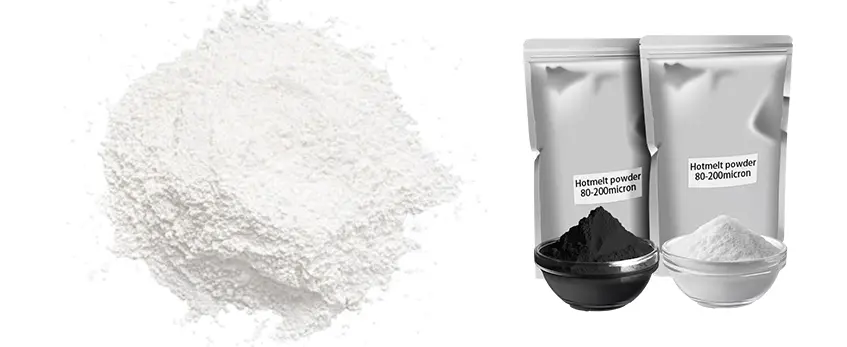
Las Fichas de Datos de Seguridad (FDS) típicas del polvo DTF muestran que estos materiales no suelen ser peligrosos a temperatura ambiente, sin que se haya registrado toxicidad aguda. Sin embargo, los fabricantes aconsejan tener cuidado al manipular el polvo en su forma pulverulenta o cuando está fundido durante el proceso de curado, ya que estas condiciones pueden plantear riesgos de inhalación o contacto. Por ello, es importante conocer DTF polvo adhesivo FDS es esencial para una manipulación segura, especialmente en entornos de producción con mucho trabajo.
Certificaciones como la Pasaporte Ecológico OEKO-TEX y CPSIA desempeñan un papel crucial a la hora de garantizar formulaciones de bajo riesgo. Estas certificaciones confirman que los polvos cumplen estrictas normas de seguridad y medioambientales relevantes tanto para los fabricantes como para los usuarios finales. Los polvos certificados suelen tener emisiones controladas y partículas en suspensión reducidas, lo que minimiza los problemas de salud relacionados con Peligros de la inhalación de polvo DTF y humos.
Elegir proveedores reputados como jinlong DTF es clave. Jinlong prioriza la total transparencia y el cumplimiento de las normas de seguridad, proporcionando lotes consistentes con perfiles de seguridad verificados. Sus polvos están diseñados no solo para mejorar el rendimiento, sino también para proteger la salud del usuario, ofreciendo propiedades de curado y manipulación más seguras que reducen la exposición a sustancias potencialmente irritantes. Riesgos para la salud de los humos DTF. Para más detalles sobre la composición y el rendimiento de los materiales, puede consultar cómo funcionan sus el polvo de cola termofusible funciona en la impresión DTF.
Buenas prácticas para una manipulación segura: Guía para fabricantes y usuarios
Cuando se trabaja con polvo DTF, la seguridad empieza por utilizar el equipo de protección individual (EPI) adecuado. Utilice siempre mascarillas o respiradores con clasificación N95 o superior, junto con guantes y gafas de seguridad para limitar la exposición a Peligros de la inhalación de polvo DTF y prevenir la irritación de la piel o los ojos.
La ventilación adecuada del espacio de trabajo es otro requisito imprescindible. Equipe su zona con extractores de humos y utilice filtros HEPA o de carbón activado combinados con sistemas de extracción locales para reducir las partículas suspendidas en el aire y minimizar la contaminación. Riesgos para la salud de los humos DTF durante el proceso de curado.
Para que todo funcione con seguridad y sin problemas:
- Evite sobrecalentar el polvo para evitar el exceso de humos.
- Utilice agitadores cerrados para la aplicación de polvo a fin de limitar la dispersión de polvo.
- Mantenga un espacio de trabajo limpio y sin acumulaciones de polvo.
- Almacenar los polvos en recipientes herméticos alejados de fuentes de humedad y calor.
La supervisión periódica es esencial. Realice comprobaciones de la calidad del aire y sustituya los filtros con frecuencia para garantizar la eficacia de su sistema de ventilación. Seguir estas buenas prácticas reduce la posibilidad de irritación respiratoria y otros problemas relacionados con Seguridad del polvo termofusible DTF.
Si desea más información sobre cómo gestionar eficazmente el uso de la pólvora, consulte nuestra guía sobre cómo reducir sus costes de impresión DTF sin renunciar a la calidad.
jinlong DTF: dar prioridad a la seguridad en cada lote
En jinlong DTF, la seguridad no es una ocurrencia tardía, sino que está integrada en cada lote que producimos. Nuestros polvos se elaboran con materiales certificados de alta calidad que cumplen las normas de seguridad más estrictas, garantizando unas emisiones mínimas durante su uso. Este enfoque ayuda a mantener su espacio de trabajo más saludable al reducir el polvo en suspensión y limitar los humos en el proceso de curado de DTF.
Hemos formulado los polvos DTF de jinlong específicamente para reducir la generación de polvo y promover unas condiciones de curado más seguras, dando a los fabricantes y usuarios tranquilidad a la hora de manipular el producto. Nuestros materiales también cumplen con importantes certificaciones, para que sepa que está trabajando con polvos de confianza y probados, diseñados para la impresión segura directa sobre película.
A los usuarios que se pasen a DTF o que deseen optimizar los flujos de trabajo, les recomendamos:
- Utilizando ventilación adecuada y sistemas de control del polvo para minimizar los riesgos de inhalación.
- Seleccionar nuestro Polvo DTF certificado OEKO-TEX reducir la exposición a sustancias nocivas.
- Seguir las temperaturas recomendadas durante el curado para evitar sobrecalentamientos o humos excesivos.
- Combinando los polvos DTF de Jinlong con equipos fiables como el Impresora digital DTF JL-DTF302S para obtener resultados uniformes y seguros.
Al elegir jinlong DTF, está invirtiendo en un producto diseñado pensando en su seguridad y productividad, haciendo que su experiencia de impresión directa sobre película sea eficiente y gestionada de forma responsable.
Preguntas frecuentes
¿Es tóxico el polvo DTF cuando se calienta?
El polvo DTF, especialmente los polvos termofusibles basados en TPU, pueden liberar pequeñas cantidades de humos durante el proceso de curado. Estos pueden incluir COV o trazas de vapores de MDI, que pueden causar irritación a corto plazo en los ojos, la piel o el sistema respiratorio si no se utiliza una ventilación adecuada. Sin embargo, si se manipulan correctamente con una buena Requisitos de ventilación para la impresión DTF, el riesgo es mínimo. Los polvos certificados como jinlong DTF se centran en reducir las emisiones para mantener la seguridad de la exposición.
¿Puede la exposición prolongada causar problemas graves?
Los datos científicos sobre los efectos crónicos para la salud de la exposición a largo plazo a los humos de polvo DTF son limitados. Algunos informes anecdóticos sugieren una posible sensibilidad respiratoria si la exposición es excesiva. La conclusión clave: los riesgos a largo plazo están relacionados principalmente con una seguridad deficiente en el lugar de trabajo, como la inhalación repetida de polvo en suspensión sin protección. El uso de EPI y ventilación adecuados reduce drásticamente cualquier problema potencial.
¿Qué certificaciones debo buscar?
Busque polvos con certificaciones reconocidas que garanticen una baja toxicidad y una manipulación más segura, como OEKO-TEX Eco Passport y el cumplimiento de la CPSIA. Estas certificaciones confirman que los polvos cumplen estrictas normas químicas y de seguridad. Elegir polvos como el DTF de jinlong, que vienen con hojas de datos de seguridad (SDS) y certificaciones claras, ayuda a garantizar que está utilizando alternativas en polvo DTF no tóxicas adecuadas para uso comercial y doméstico.
¿Cuál es la seguridad del DTF de Jinlong?
Los polvos DTF de jinlong se fabrican con la seguridad como máxima prioridad. Destacan por su baja generación de polvo y la reducción de emisiones durante el curado. Esto se traduce en un menor riesgo de irritación respiratoria o de exposición a humos nocivos en el lugar de trabajo. Sus productos también incluyen completas FDS y cumplen las normas de certificación, lo que los convierte en una opción de confianza para fabricantes y usuarios que desean una solución en polvo DTF fiable y segura. Para aquellos interesados en optimizar su configuración, explorando una completa Desglose del sistema de impresión DTF también puede ayudar a garantizar una manipulación más segura y flujos de trabajo eficientes.



 English
  Español
  Deutsch
  Français