



Eco-Friendly DTF Ink for Vibrant Durable Prints and Environmental Safety
Looking for eco-friendly DTF ink that delivers both stunning colors and long-lasting durability? You’re in the right place. Environmental protection DTF ink isn’t just a buzzword—it’s the secret ingredient behind vibrant, fade-resistant prints that stand up to countless washes, all while reducing harmful emissions and supporting sustainable production. If you want your custom apparel to shine brilliantly without compromising on safety or environmental standards like PASAPORTE ECOLÓGICO OEKO-TEX, keep reading. This guide breaks down why choosing the right water-based, low VOC DTF ink is a game-changer for print shops and creators serious about quality and responsibility.
What Is Environmentally Protective DTF Ink?
Direct-to-film (DTF) ink is a special type of pigment ink designed for printing vibrant images onto films before transferring them onto fabric. Environmentally protective DTF ink takes this a step further by focusing on sustainability and safety, making it an ideal choice for businesses and individuals aiming to reduce their ecological footprint.
Composition of Eco-Friendly DTF Ink
Typically, environmentally safe DTF ink is a base de agua and uses bio-based pigments, which reduces reliance on harsh chemicals and solvents. This kind of ink is formulated to emit low VOCs (volatile organic compounds), minimizing air pollution during use. The result is a non-toxic DTF ink for apparel that’s safer for both users and the environment.
Leading Eco-Certifications for DTF Ink
To ensure genuine sustainability, many eco DTF inks hold industry-recognized certifications like:
- PASAPORTE ECOLÓGICO OEKO-TEX: Verifies that every chemical in the ink is tested for harmful substances and meets strict ecological criteria.
- Green Seal or similar environmental marks: Indicate adherence to environmental safety and reduced emissions.
Using DTF ink with these certifications guarantees you’re choosing a product that supports sustainable DTF printing without compromising print quality.
By selecting an environmentally protective DTF ink, you embrace a greener printing process that’s safe, vibrant, and built to last.
Why Environmental Protection Matters in DTF Ink
Traditional DTF inks often contain harsh chemicals and solvents that can harm the environment and pose health risks during printing and handling. These inks usually release volatile organic compounds (VOCs), contributing to air pollution and indoor air quality problems. The waste generated from conventional ink production and disposal can also contaminate soil and water, creating a lasting environmental impact.
Eco-friendly DTF ink offers a solution by using water-based DTF pigment inks and bio-based ingredients that reduce harmful emissions. Low VOC DTF ink formulations minimize airborne toxins, making printing safer for workers and customers alike. These environmentally safe DTF inks also degrade less in the environment, reducing landfill waste and pollution risks.
Choosing sustainable DTF printing means you’re not only creating vivid, long-lasting prints but also supporting cleaner air, less toxic waste, and safer print shop conditions. This approach aligns with growing consumer demand in the US for green DTF printing solutions that protect both quality and the planet.
By switching to an OEKO-TEX ECO PASSPORT DTF ink certified option, you get the best of both worlds: powerful print performance and a much smaller environmental footprint. For those interested, pairing eco inks with quality materials like Jinlong’s DTF transfer film enhances the overall sustainability and print quality of your projects. Check out our DTF transfer film 50cm single pro series to see how pairing eco inks with premium substrates makes a difference.
The Science Behind Brilliant, Long-Lasting Prints
When it comes to eco-friendly DTF ink, the secret to vibrant, long-lasting prints lies in the quality of the pigments and how well they stick to the fabric. High-quality water-based DTF pigment ink uses pigments that are finely ground for rich, bright colors that don’t easily fade. The pigments are designed to bond tightly with the adhesive on the transfer film, creating a strong connection to the garment’s fibers.
Fade resistance is another key factor. Environmentally safe DTF ink formulas include UV blockers and anti-oxidants that protect prints from sunlight and washing wear—resulting in wash-durable DTF prints that stay sharp over time. This durability is boosted by the ink’s ability to maintain adhesion during repeated laundering and heavy use, preventing cracks or peeling.
Durability mechanisms in eco DTF inks also focus on low VOC content, minimizing chemical breakdown and reducing harmful emissions during printing. This not only helps the planet but ensures prints remain consistent and resilient without sacrificing safety or print quality.
For those interested in the materials behind the process, understanding how the ink interacts with DTF paper and adhesive layers is crucial. You can find useful details on suitable transfer materials in resources like the explanation of DTF paper for inkjet printers, which can help optimize your eco-friendly printing setup.
By combining pigment quality, strong adhesion, and fade-resistant ingredients, environmentally protective DTF inks deliver brilliant, long-lasting prints that meet the high standards of sustainable DTF printing.
Key Advantages of Jinlong DTF Environmentally Protective Ink
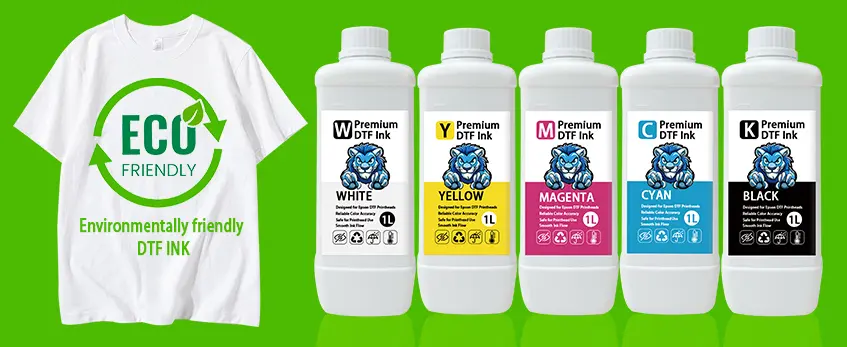
Jinlong’s environmentally protective DTF ink stands out with its vibrant colors that deliver eye-catching prints every time. Thanks to its water-based DTF pigment ink formulation, it ensures bright and consistent hues that don’t fade easily, making your designs last wash after wash. This ink also excels in clog-free performance, reducing downtime and maintenance for your DTF printer, which means smoother workflows and fewer interruptions.
Safety is another strong point. Jinlong’s ink carries trusted eco-certifications like OEKO-TEX ECO PASSPORT, confirming it’s a non-toxic DTF ink for apparel. This gives peace of mind to both printers and customers concerned about health and environmental impact. The environmentally safe DTF ink formulation produces low VOC emissions, contributing to a cleaner workspace and greener printing operations.
Practically speaking, Jinlong’s ink works seamlessly with high-quality DTF transfer films and adhesive powders, which you can find in their extensive product lineup. This compatibility helps achieve excellent DTF ink adhesion and durability on a variety of fabrics—from custom apparel to sportswear—perfect for businesses focused on sustainable DTF printing solutions.
For a closer look at how Jinlong maintains top-tier ink quality while protecting print heads and ensuring longevity, check out their detailed insights on DTF white ink and its impact on print head life. Combining vibrant color and environmental responsibility, Jinlong’s eco DTF ink is a reliable choice for any eco-conscious print shop.
How to Choose and Use High-Quality Eco DTF Ink
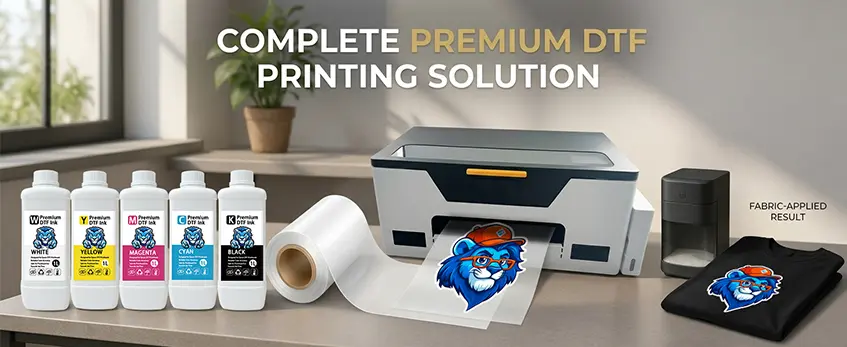
Picking the right environmentally safe DTF ink is key to great prints and lasting results. Here’s a quick guide to selecting and using high-quality eco-friendly DTF ink, including water-based DTF pigment ink and low VOC options, for vibrant, durable, and safe prints.
Selection Tips
- Check Certifications: Look for OEKO-TEX ECO PASSPORT DTF ink or similar eco-certifications that ensure non-toxic, sustainable DTF printing.
- Pigment Quality: Choose inks labeled as bio-based or fade-resistant DTF transfers for long-lasting garment prints.
- Compatibilidad: Confirm the ink works well with your printer and TPU powder used for adhesion (learn more about Polvo de TPU en impresión DTF).
- User Reviews: Search for reliable feedback about clog-free performance and vibrant color output.
Usage Best Practices
- Proper Curing: Use recommended curing temperatures and times to lock in wash-durable DTF prints and boost adhesion and durability.
- Consistent Printer Maintenance: Clean printheads regularly to avoid clogging common with some eco inks.
- Pruebas de impresión: Always run test prints before full production to check color vibrancy and fade resistance.
Storage Tips for Eco DTF Ink
| Storage Condition | Recomendación |
|---|---|
| Temperatura | Store between 50°F – 77°F (10°C – 25°C) |
| Avoid Exposure | Keep away from direct sunlight and freezing temperatures |
| Seal Properly | Always close caps tightly to prevent drying or contamination |
Avoiding Common Pitfalls
- Don’t mix eco DTF ink brands without testing, as chemical differences can affect print quality.
- Avoid over-curing; this can degrade both pigment and fabric.
- Use original or high-quality compatible consumables to maintain print consistency.
Following these tips ensures your sustainable DTF printing delivers vibrant, wash-durable prints with minimal environmental impact. For setting up your printer right, check out the detailed professional DTF printer setup guide to get the best performance from your eco DTF ink.
Comparing Eco-Friendly DTF Ink to Conventional Options
When choosing between eco-friendly DTF ink and traditional inks, several factors come into play, including print quality, environmental impact, health safety, costs, and emerging industry trends. Here’s a quick breakdown to help you decide:
| Característica | Tinta DTF ecológica | Conventional DTF Ink |
|---|---|---|
| Print Performance | Vibrant color DTF ink with excellent fade resistance and adhesion | Good colors but may fade faster and clog more often |
| Impacto medioambiental | Low VOC DTF ink, reduced emissions, bio-based pigment options | Contains harsher chemicals, higher VOCs, and waste issues |
| Health & Safety | Non-toxic DTF ink, often with OEKO-TEX ECO PASSPORT certification | Some inks contain harmful solvents and irritants |
| Coste | Slightly higher upfront cost but reduces waste and downtime | Generally cheaper initially, but long-term costs may rise due to maintenance |
| Trends | Growing demand for sustainable DTF printing in US markets and beyond | Declining use as green regulations tighten |
Eco-friendly DTF inks offer a sustainable alternative without compromising on print durability or vibrancy. For those investing in long-term quality and looking to meet stricter safety standards, these inks are a smart choice.
For best results, pair your eco-safe ink with quality materials and reliable equipment—see our guide on digital DTF equipment, including printers and ovens to maximize performance while keeping your process green.
Aplicaciones reales e historias de éxito
Environmentally protective DTF ink is making waves across various industries, especially in custom apparel, promotional gear, and sportswear. The vibrant color DTF ink combined with its long-lasting DTF garment prints ensures brands can deliver eye-catching designs that hold up to frequent washing and wear. Sports teams appreciate the fade-resistant DTF transfers, which keep logos sharp and colors bright through intense activity.
Sustainable print shops in the US are shifting to eco-friendly DTF ink options like Jinlong’s water-based DTF pigment ink, which offers non-toxic, low VOC DTF ink formulations. This switch reduces emissions and waste, supporting greener business practices while maintaining high print quality and durability. These shops often report fewer clogs and less downtime, translating to smoother runs and happier clients.
Whether it\’s custom t-shirts, promotional bags, or sports jerseys, the combination of DTF ink adhesion and durability delivers both performance and environmental safety—showcasing how sustainable DTF printing can meet modern demands without compromising on style or longevity. For tips on how to pick the right materials for your projects, including compatible films and powders, check out guides on DTF film rolls compatibility with ink powder and printers.



 English
  Español
  Deutsch
  Français