


DTF vs Vinyl Printing Which Is Easier to Learn for Beginners
Quick Overview: What Are DTF and Vinyl Printing?
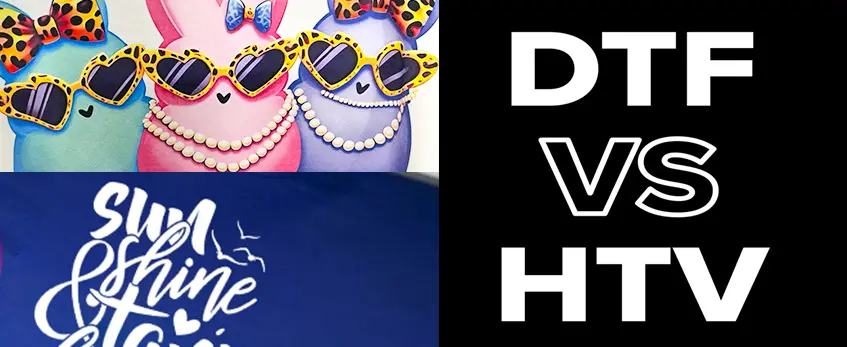
When starting a new printing business, it helps to understand the basics of popular methods like DTF and vinyl printing. DTF (Directo a película) printing is a relatively new technology that involves printing designs directly onto a special transfer film using a digital inkjet printer. After printing, the design is coated with a powder adhesive, cured, and then heat-pressed onto fabric. Setting up a DTF system requires a DTF printer, powder shaker, curing oven, and heat press. It offers vibrant, photo-quality prints with good durability, especially on a variety of fabric types.
Vinyl printing, often called Vinilo de transferencia térmica (HTV), uses sheets or rolls of colored vinyl that are cut into shapes or designs with a vinyl cutter. These vinyl pieces are then heat-pressed onto fabric. HTV is popular for simple, bold graphics and lettering. Setting up vinyl printing needs a vinyl cutter, weeding tools to remove excess material, and a heat press. It’s straightforward but mainly limited to solid colors and simpler designs.
In terms of use cases, vinyl excels with one-color or few-color logos, numbers, and text, common in sports jerseys and small-scale custom apparel. DTF, by contrast, handles complex, multi-color, or photographic designs, making it great for detailed t-shirt prints or fashion items.
The key difference boils down to flexibility and design complexity: DTF offers high-detail prints with a slightly more involved setup, while vinyl keeps things simple but is limited in color and design intricacy. Understanding these basics sets the foundation for choosing which method fits your new printing business best.
Defining “Easier to Learn”: Criteria for New Printing Businesses
When we talk about which method—DTF or vinyl—is easier to learn for new printing businesses, it boils down to what \”ease of learning\” actually means for startups. For many newcomers, it\’s not just about picking up skills fast but also managing workflow smoothly without costly mistakes.
Here’s how to look at it:
- Learning Curve: How quickly can a beginner understand and confidently operate the equipment and complete a job from start to finish?
- Workflow Simplicity: Does the process involve fewer steps and less coordination? A straightforward workflow helps reduce overwhelm.
- Risk of Errors: How forgiving is the method when beginners make mistakes? Errors can mean wasted materials, time, and money—big factors for startups.
- Budget Limits: New businesses often have tight budgets, so methods that require less upfront investment in training or equipment tend to feel easier.
- Space Requirements: Small workspaces are common. Techniques needing minimal footprint or simpler setups are often more beginner-friendly.
- Experience Level: Most beginners don’t have background knowledge in printing or design software, so methods that require less technical skill at the start are preferred.
By considering these factors together, a new printing business can decide which method aligns better with its current resources, goals, and capacity to learn efficiently.
Learning Curve Breakdown: DTF Printing for Beginners

When starting with DTF printing, your first week is all about getting comfortable with the core skills: operating the DTF printer, preparing designs properly, applying the powder evenly, and mastering curing and heat pressing. You\’ll need to understand color management basics and how to handle the special DTF inks and powders to get good print quality.
Common mistakes beginners make include uneven powder application, skipping proper curing times, and not calibrating the printer well, which can lead to poor adhesion or faded prints. Another frequent error is rushing the heat press process, resulting in edges lifting or cracking.
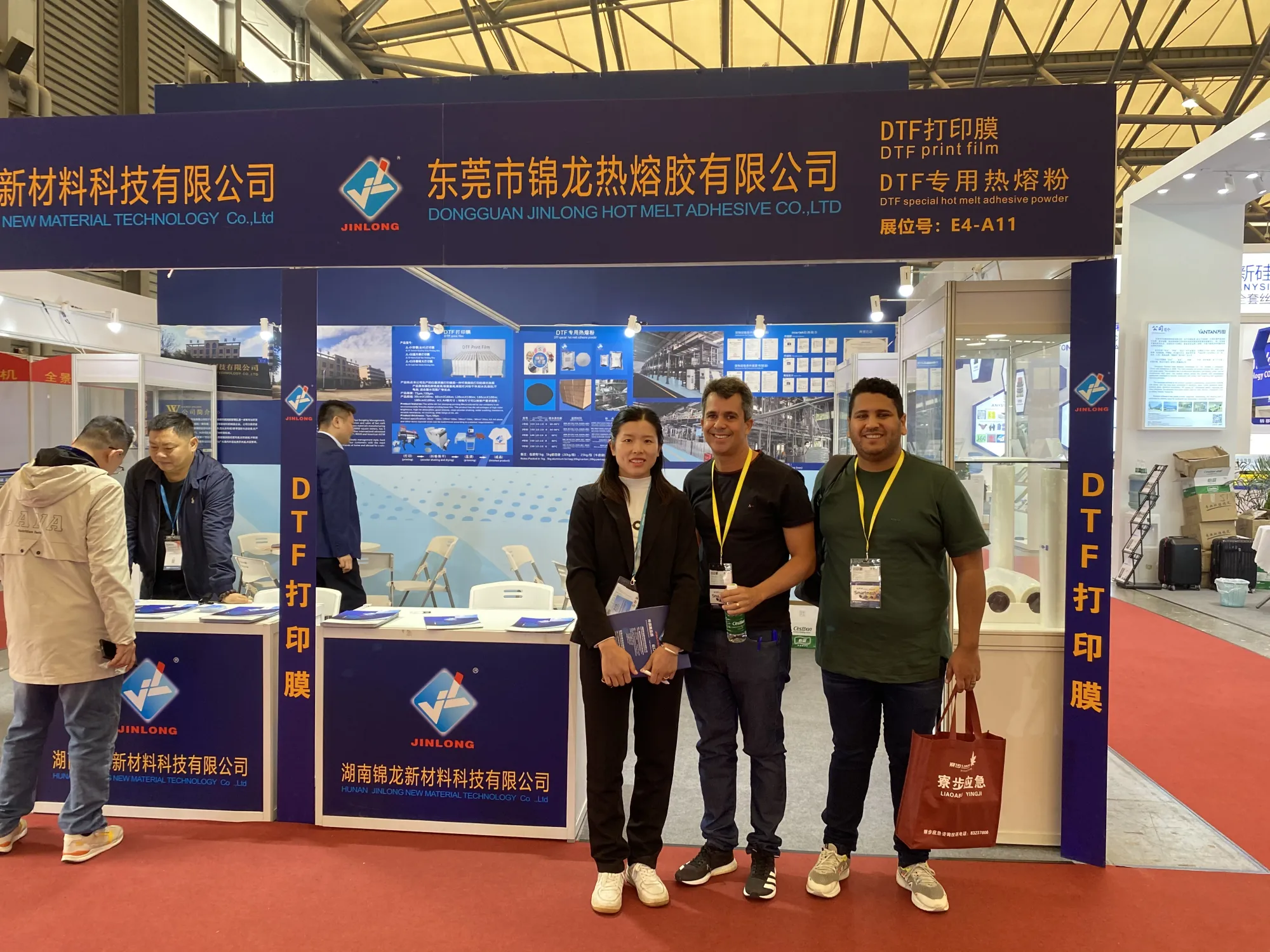
Typically, it takes about 2 to 4 weeks for new users to feel confident producing consistent, quality prints. Throughout this learning curve, jinlong DTF support plays a vital role by offering detailed guides, preset settings, and customer support that reduce trial-and-error time, helping startups overcome common hurdles faster and minimize material waste. For more on maintaining consistency, the full DTF workflow and powder shaker essentials can keep beginners on track early on.
Learning Curve Breakdown: Vinyl (HTV) Printing for Beginners
When you\’re just starting with vinyl (HTV) printing, the first week is all about getting hands-on with a few key skills. You\’ll need to learn how to:
- Use design software to create or adjust cut files
- Operate the vinyl cutter correctly (loading materials, setting blade depth)
- Weed excess vinyl without damaging the design
- Position and press the vinyl onto garments with a heat press
Beginners often stumble on common mistakes like cutting too deep, which wastes material and dulls blades, or failing to weed properly, leading to messy prints. Another challenge is applying the right amount of heat and pressure—too little and the vinyl won’t stick; too much can damage the fabric or vinyl.
Typically, most new users feel confident with the basic HTV workflow in about one to two weeks of steady practice. The straightforward setup and fewer steps compared to other printing methods make vinyl a popular choice for new printing businesses starting out. For those looking for a clear starter guide, vinyl printing offers a smoother entry point before exploring more complex options like DTF printing.
Step-by-Step Workflow Comparison: DTF vs Vinyl for a Single Order

When printing a 3-color, 20-shirt order, the workflows for DTF and vinyl differ quite a bit. Here’s a clear breakdown showing how each method handles the job, where they get easier or trickier, and the risks beginners might face.
| Paso | DTF Printing Workflow | Vinyl (HTV) Printing Workflow | Notes & Comparison |
|---|---|---|---|
| Preparación del diseño | Prepare a digital print file with separate color layers | Create separate cut files for each color | DTF handles gradients and fades easily; vinyl needs solid colors and precise cutting |
| Printing Transfers | Print full-color design on special DTF film | Cut colored vinyl sheets by color | DTF prints all colors at once; vinyl cuts each color separately, more setup time |
| Aplicación en polvo | Apply hot-melt adhesive powder by shaker | Not required | Extra DTF step; critical for print durability |
| Curing Transfers | Cure powder with heat (oven or heat press) | Weed excess vinyl by hand or tools | Vinyl weeding can be labor-intensive, especially with fine details |
| Heat Pressing Shirts | Press DTF print directly onto shirts | Press each vinyl layer sequentially | Vinyl multi-layer presses take more time and precision |
| Post-Press Checks | Inspect for color clarity and adhesion | Check vinyl alignment and layering | Vinyl errors often need re-cuts; DTF errors can often be reprinted faster |
Time and Error Risk for Beginners
DTF Printing: The biggest learning curve is in powder application and curing steps. Because prints are done in one go, the risk of color misalignment is lower. Beginners may spend more time in setup but less in multi-step pressing.
Vinyl Printing: Cutting, weeding, and layering multiple vinyl colors increases time and error opportunities. Color registration (aligning layers) can be tricky and often results in wasted material if off.
Which is simpler? For a multi-color order, DTF tends to be easier and faster for beginners once you\’re familiar with powder and curing. Vinyl printing requires patience, especially during detailed weeding and layering. However, for very simple designs, vinyl might feel more straightforward since it involves less equipment.
For those starting out, the right setup can make a huge difference. Consider checking products like the mejor película DTF de 2026 to speed up your DTF workflow and reduce transfer issues.
Complexity by Design Type: Which Is Easier for What?
When it comes to design complexity, both vinyl and DTF have their strengths—but which is easier depends largely on the design type.
One-color text and simple logos:
Heat transfer vinyl (HTV) shines here. It’s straightforward to cut single-color shapes or lettering, making it perfect for beginners handling basic custom prints. Vinyl’s clean edges and simple layering make setup and application less intimidating for first-timers.
Multi-color and photographic designs:
DTF printing takes the lead for more complex, multi-color, or photographic-style prints. It handles gradients, shading, and a wide color range in one go, without the need to cut and layer multiple vinyl sheets. However, such designs demand a bit more learning initially to master color management and printer settings.
Fine details and personalization:
For intricate details or personalized touches like small text or delicate lines, DTF generally offers higher accuracy. Vinyl cutting has limits on how thin or detailed a shape can be before it tears or loses definition, so very fine designs may be tougher for beginners on vinyl.
Tips for Design-Based Decisions
- Start with vinyl if your focus is on simple, bold, single-color designs. It\’s more forgiving and easier to troubleshoot.
- Choose DTF when you want to scale into colorful, photographic, or highly detailed prints without layering hassle.
- Experiment within your comfort zone first, then grow into more complex designs by leveraging support from DTF ink compatibility and guidelines for smoother color results.
For new printing businesses, matching your design needs to the method can make all the difference in how quickly you gain confidence and produce quality results.
Equipment, Space & Setup: What a New Business Must Handle
When starting out, understanding the equipment and space needs for DTF vs vinyl printing is crucial.
DTF equipment includes a specialized DTF printer, a powder shaker, and a heat press. It demands a well-ventilated, clean environment to ensure powder adhesion quality and to avoid dust contamination. The footprint is moderate—larger than a vinyl cutter but still manageable for most small workspaces. For new printing businesses, this means planning for enough table space and airflow. Luckily, Jinlong DTF systems are designed to be compact and startup-friendly, helping businesses get up and running without needing a full industrial setup. Their system integrates well into small shops, balancing functionality with space efficiency.
Por otro lado, vinyl printing setups involve a vinyl cutter, weeding tools, and a heat press. These machines usually take up less room than DTF setups and are simpler to maintain. Vinyl printing requires less environmental control, making it a popular choice for home-based beginners with limited space. The setup is straightforward—plug in, load your vinyl rolls, and you’re mostly ready to print.
Cuando se trata de setup complexity and reliability, vinyl printing often edges out as the simpler method to start. The learning curve around equipment operation is slightly lower, and there are fewer parts to maintain regularly. However, DTF’s growing popularity comes with more automated and user-friendly solutions, such as the Jinlong systems, which lower barriers for new businesses wanting high-quality prints right from the start.
If you want to explore the equipment options in detail, check out Jinlong’s DTF transfer film products that pair perfectly with their printers to streamline your startup process.
Maintenance & Troubleshooting: Hidden Part of the Learning Curve

When starting with DTF or vinyl printing, maintenance and troubleshooting play a big role in how quickly you gain confidence and consistency.
DTF daily and weekly maintenance routines
- Clean the printheads regularly to prevent clogging.
- Check the ink levels and refill when needed.
- Keep the printer environment dust-free and stable in temperature.
- Run nozzle checks and head alignments weekly to maintain print quality.
- Proper cleaning of the heat press and rollers extends equipment life.
Following these simple steps helps avoid common print errors that frustrate beginners early on.
Vinyl cutter and blade upkeep
- Replace blades when they get dull to keep clean cuts.
- Clean the cutter’s pinch rollers and mat to avoid material slipping.
- Calibrate pressure settings regularly to prevent vinyl waste.
- Remove leftover scraps after each job to keep work space tidy and cutter smooth-running.
Good upkeep reduces cutting errors and wasted vinyl, saving money and time.
Troubleshooting common beginner issues per method
- For DTF: misprints, color fading, or peeling transfers often come from poor maintenance or incorrect curing times.
- For vinyl: improper cutting pressure, weeding errors, and poor heat press settings cause design flaws and wasted materials.
Recognizing signs early and addressing maintenance gaps shortens the learning curve.
Effect of maintenance on confidence and consistency
Keeping equipment clean and calibrated builds trust in your process. It reduces surprises on order day and cuts down on wasted time fixing mistakes later. For beginners, this steady performance is crucial to developing a smooth workflow and a professional final product.
If you want a comprehensive starter guide, check out this DTF film beginner’s guide for detailed maintenance tips that make a big difference for new print shops.
Cost of Learning: Mistakes, Waste, and Training Investment
For new printing businesses, learning any method involves some financial risks—mostly from mistakes and wasted materials. With Impresión DTF, early errors like misprints or improper curing can lead to wasted films, ink, and adhesives, which add up quickly. Because DTF uses specialized heat transfer films and inks, these consumables tend to be pricier, making mistakes more noticeable in your budget. Plus, the upfront cost for DTF equipment means investing in good training or vendor-supported learning is key to avoiding costly trial-and-error.
Por otro lado, vinyl printing tends to be a bit more forgiving financially. Heat transfer vinyl (HTV) rolls are generally less expensive, and cutting mistakes often mean trimming and re-cutting smaller sections rather than scrapping an entire sheet. However, blade wear and improperly set cutting pressures can cause waste, which also adds up over time but usually remains less costly than wasted DTF film or ink.
Many vendors, including Jinlong, offer strong support and clear training resources designed to help beginners cut down on learning mistakes. This support can shorten your learning curve and reduce costly waste for both methods. Generally, for startups on a strict budget, vinyl printing is easier on the wallet during the learning phase, but with proper guidance, DTF’s investment can pay off faster thanks to its higher speed and design flexibility.
For a detailed look at the hidden costs and savings in DTF setup, check out the true DTF printing cost and hidden expenses breakdown to plan your budget wisely.
Realistic Beginner Profiles: Which Method Fits You Better?
Profile A: Solo Home-Based Beginner
For someone starting solo at home, vinyl printing (HTV) often feels more approachable. The setup is smaller and usually less expensive upfront, with simpler tools like a vinyl cutter and heat press. Vinyl lets you focus on basic designs, one or two colors at a time, which keeps learning manageable. However, HTV can get tricky with multi-color or intricate designs, and layering vinyl takes time. DTF printing might seem intimidating at first due to the dedicated printer and curing steps, plus the need for proper ventilation and space. But once set up, DTF offers more design freedom and faster multi-color production. If space and budget are tight, vinyl is easier; but if you\’re ready to invest a bit more, DTF provides scalability.
Profile B: Designer / Tech-Savvy Beginner
For users comfortable with technology and design software, DTF printing is a great match. It leans heavily on digital workflows, allowing direct printing of intricate, multi-color, and photographic designs without complicated layering. The learning curve includes mastering the printer and transfer process, but your tech skills speed this up, especially when adjusting color profiles and managing ink usage. Support from systems like Jinlong’s makes this smoother, helping new printers avoid common pitfalls. Vinyl printing feels more manual here and might limit creativity compared to DTF’s versatility.
Profile C: Experienced Vinyl User Transitioning to DTF
If you\’re coming from a vinyl background, adding DTF to your toolkit can unlock more complex designs and faster bulk runs. The biggest challenge is learning the printer workflow, from prepping transfers to curing prints properly. But your heat press skills transfer directly, and some design habits overlap. It might feel like a step up in complexity at first, but the payoff is a broader product range. Many experienced vinyl users appreciate how Jinlong DTF printers support newcomers with user-friendly features and training options to bridge that gap.
Hybrid Approach and Scaling Advice
Many new businesses start with vinyl for simplicity, then add DTF as they grow. This hybrid approach combines vinyl’s low entry cost with DTF’s design flexibility and speed. Scaling up often means investing in better equipment, more space, and learning new maintenance routines for DTF, but it diversifies your offerings and income streams. Whether you lean toward vinyl or DTF, choosing systems that offer strong support and beginner-focused features—like Jinlong’s startup-friendly setups—makes every step smoother.
Choosing which method fits you really depends on your budget, space, tech confidence, and design goals. Both have strong points, so planning your growth alongside your skills will set you up for success.
DTF vs Vinyl: Side-by-Side “Ease of Learning” Comparison
| Aspecto | Impresión DTF | Vinyl Printing (HTV) |
|---|---|---|
| Setup | Moderate complexity; requires printer, powder shaker, and heat press. More space needed for equipment and ventilation. | Simple setup; mostly vinyl cutter and heat press. Smaller footprint, easier for home use. |
| Curva de aprendizaje | Steeper at start due to printing, powder application, curing. Takes 2–3 weeks to gain confidence. | Gentler learning curve; cutting, weeding, and pressing basics quicker—about 1–2 weeks. |
| Design Handling | Best for multi-color, photographic, and detailed designs. Handles gradients and fine details well. | Excels in simple, single-color or layered designs; struggles with photos or complex gradients. |
| Workflow Complexity | More steps involved—printing, powdering, curing, pressing. Higher chance of small errors early on. | Fewer steps focused on cutting, weeding, and applying heat. Lower error risk for beginners. |
| Maintenance Needed | Daily care like powder shaker upkeep adds to learning but supported by guides like DTF powder shaker maintenance tips. | Basic blade and cutter maintenance; generally more straightforward and less time-consuming. |
| Escalabilidad | Highly scalable with the right equipment and support, ideal for growing startups. | Scalable but limited by color layering complexity and design type. |
| Error Cost | Mistakes can waste prints and powders, higher initial investment. | Mistakes mostly waste vinyl film, usually cheaper and less resource-heavy. |
Principales conclusiones
- Vinyl printing is easier to pick up quickly, especially for simple designs and smaller spaces. Great for solo beginners working from home.
- Impresión DTF requires a bit more time to learn but opens doors to complex, vibrant designs with scalable potential. Supported by resources like Jinlong’s reliable DTF systems, it’s a strong choice for tech-savvy or growth-focused startups.
- Both methods have their place; your choice depends largely on design needs, workspace, and growth plans.
This clear comparison helps new printing businesses choose the best method based on what’s easier for their skill level and business goals.
Recommendations for New Printing Businesses
When Vinyl Is Easier for Beginners
- You have a tight budget and limited workspace—vinyl (especially HTV) requires less expensive equipment and a smaller setup.
- Your designs are mostly simple, one-color logos or text, with minimal color layering.
- You want a straightforward start with fewer maintenance tasks and less regular equipment calibration.
- You prefer hands-on cutting and weeding without managing printers or powders.
- Your focus is mainly on custom T-shirts, bags, or hats with basic personalization.
When DTF Is Better for New Users
- You want to offer vibrant, multi-color, photographic designs with smooth gradients right away.
- Your business aims to scale quickly with faster print times per order on complex designs.
- You have some experience or support system to handle a slightly steeper learning curve.
- You value a more versatile printing method that works on various fabrics beyond cotton.
- Your workspace can accommodate a DTF printer setup, including curing with heat presses and powder application.
Tips to Make Either Path Beginner-Friendly
- Start small: Pick simple designs or fewer colors to build confidence and reduce waste.
- Invest in quality starter gear: Reliable vinyl cutters or Jinlong’s beginner-friendly DTF printers like the JL DTF301B can reduce headaches.
- Learn step-by-step: Follow guides on vinyl cutting techniques or DTF powder curing methods to avoid early mistakes and loss.
- Use presets and training: Rely on vendor-supported profiles and tutorials to speed up your learning curve.
- Plan maintenance routines early: Keeping your cutter blades sharp or cleaning your DTF printer daily avoids costly downtime and frustration.
- Connect with communities: Join local groups or online forums for troubleshooting advice and business tips from others who started where you are.
Choosing between DTF and vinyl comes down to your specific goals, budget, and design needs. Both are beginner-friendly with the right approach, and platforms like Jinlong provide tools and support that make starting easier no matter which path you take.
How jinlong DTF Helps New Printers Get Up to Speed Faster
Starting with DTF printing can feel overwhelming, but jinlong DTF makes it easier for new businesses with equipment designed specifically for startups. Their printers come with presets that simplify color profiles, heat settings, and print speeds, so you spend less time guessing and more time creating.
On top of the gear, jinlong offers solid training and responsive support, helping you avoid costly trial-and-error moments common in the beginning stages. This hands-on guidance accelerates your learning curve and boosts confidence fast.
If you\’re moving from vinyl to DTF, jinlong also provides tailored advice and resources to ease your transition. Their system is built to help you adapt without losing productivity, making it a smart choice for those ready to expand their printing capabilities smoothly.
Check out the reliable DTF printing supplies jinlong provides as you start your journey.


 English
  Español
  Deutsch
  Français