


DTF vs Vinilo de Transferencia Térmica ¿Qué es mejor para camisetas y sudaderas?
¿Qué es la impresión DTF?
DTF printing, or Direct to Film transfers, is a popular method for adding vibrant, full-color designs to apparel like t-shirts and hoodies. The process begins by printing your design onto a special clear film using a DTF printer that lays down water-based ink. After the print, an adhesive powder is evenly applied to the wet film to help the design stick. This powder-coated film is then cured with heat to set the adhesive.
Once prepared, the film is placed onto the garment, and a heat press applies firm pressure and high temperature to transfer the ink and adhesive onto the fabric. The result? A detailed, colorful print that adheres well to a variety of materials.
Key DTF Equipment Includes:
- Impresora DTF: Specialized for printing direct to film using water-based inks
- Polvo adhesivo: Stick-on powder that bonds the printed film to fabric
- Prensa térmica: Transfers the design from film to garment with heat and pressure
The big advantage of DTF printing is its ability to achieve complex, full-color, photorealistic designs with fine details that stand out on cotton, polyester, blends, and more. Plus, it offers a soft hand feel and excellent wash fastness, making it a standout choice for custom apparel projects looking for both quality and durability.
What Is Heat Transfer Vinyl (HTV)?
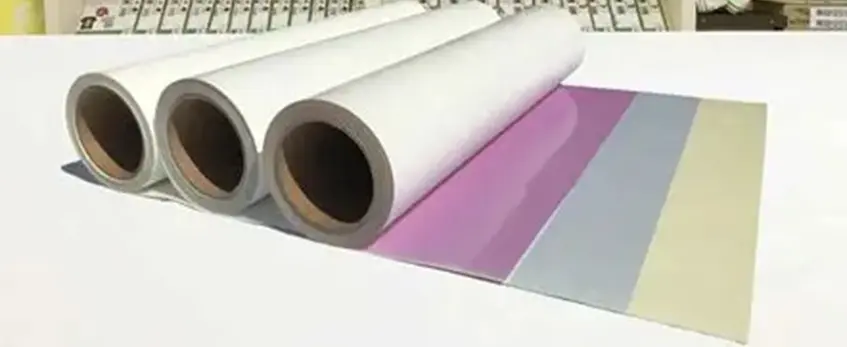
Heat Transfer Vinyl, or HTV, is a popular method where a vinyl design is cut out, weeded (removing excess vinyl), and then applied to fabric using a heat press. The process starts by designing your graphic, then a cutting machine slices the vinyl material into shape. After cutting, you carefully weed away any unwanted parts, leaving just your design on the carrier sheet. Finally, a heat press or iron is used to transfer the vinyl onto your garment.
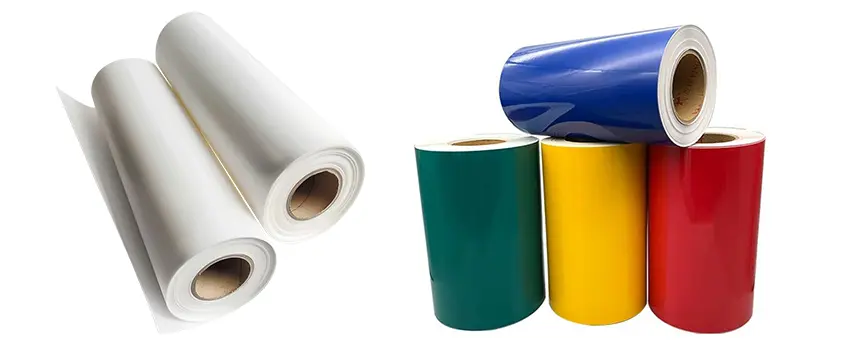
HTV comes in various types to suit different looks and projects. Standard HTV offers solid colors, while specialty options include glitter, metallic, and flock vinyl, giving you a range of textures and finishes. This variety makes HTV perfect for adding bold logos, simple text, or fun effects.
Because the process is straightforward and requires minimal equipment, HTV remains a go-to for beginners and small batch projects. Plus, it’s ideal for creating custom T-shirts, hats, or simple hoodies where uncomplicated designs shine. Whether you’re starting a small apparel business or personalizing garments at home, heat transfer vinyl is a reliable, budget-friendly choice for quick, solid-color prints.
Head-to-Head Comparison: DTF vs. HTV
A la hora de decidir entre DTF printing vs HTV for custom apparel, several factors like design, fabric compatibility, durability, feel, ease of use, and cost come into play. Here’s a quick breakdown to help you decide which method suits your needs:
| Característica | DTF (Directo a película) | HTV (Vinilo de transferencia térmica) |
|---|---|---|
| Capacidades de diseño | Full-color, photorealistic prints with complex details | Solid colors, special finishes (glitter, metallic, flock), fewer color options |
| Compatibilidad de tejidos | Funciona en algodón, poliéster, mezclas, nailon, etc. | Best on cotton & blends; limited on nylon and polyester |
| Durability & Wash Test | High wash fastness; resists fading and cracking longer | Moderate durability; prone to cracking and peeling over time |
| Sensación y confort | Soft, breathable print with minimal stiffness | Can feel stiff or raised, affecting comfort |
| Ease of Use & Production Time | No weeding; faster turnaround for multiple colors | Requires weeding after cutting; slower for complex designs |
| Coste | Higher upfront investment (DTF printer, powder, heat press), but lower per-print cost for multi-color runs | Lower initial cost (vinyl cutter, heat press) but higher per-item cost and labor on multi-color or complex jobs |
| Escalabilidad | Ideal for medium to large runs with varied designs | Best for small batches or single-color logos |
DTF offers the advantage of vibrant, detailed, full-color transfers that hold up well on various fabrics with a soft hand feel—a significant point if you’re targeting quality hoodies or polyester tees. On the other hand, HTV shines for simple, bold designs and special effects like glitter or flock, making it a favorite among beginners or those focusing on quick, smaller runs.
For more on the core DTF process and how it aims for superior print quality, check out this detailed guide on DTF printing for beginners.
This side-by-side comparison can help you pick the best apparel printing technique for your next project depending on your design complexity, budget, and fabric choice.
Best for T-Shirts
When it comes to T-shirts, Impresión DTF often takes the lead for vibrant, detailed designs. Its direct-to-film transfers allow for full-color, photorealistic prints that really pop on everyday tees. Whether you want a complex graphic or a colorful photo, DTF handles these with ease—especially on different fabric types like cotton, polyester, or blends. Plus, DTF prints offer a soft hand feel, making your shirts comfortable to wear without that stiff vinyl texture.
Por otro lado, Vinilo de transferencia térmica (HTV) shines for simpler projects. It’s perfect for bold text, solid colors, or when you’re producing small batches. The variety of HTV options like glitter, metallic, and flock adds decorative effects that are hard to replicate with DTF alone. Since HTV involves cutting and weeding vinyl pieces, it’s more hands-on but works great for custom names, numbers, or logos on shirts.
Here are a few user tips for both methods:
- If you want quick, detailed prints without the hassle of weeding, go with DTF.
- For limited runs with eye-catching solid colors or special finishes, HTV fits the bill.
- Consider fabric type: DTF is generally more versatile, especially with polyester fabrics.
- In budget-conscious setups, HTV gear often has a lower upfront cost.
For those interested in stepping up their game with Impresoras DTF, the Impresora digital JL DTF302S is a solid choice known for high-quality output and durability on apparel.
In short, for vibrant, complex designs on T-shirts, DTF impresses; for quick, simple graphics that stand out, HTV is still a reliable pick.
Best for Hoodies and Sweatshirts
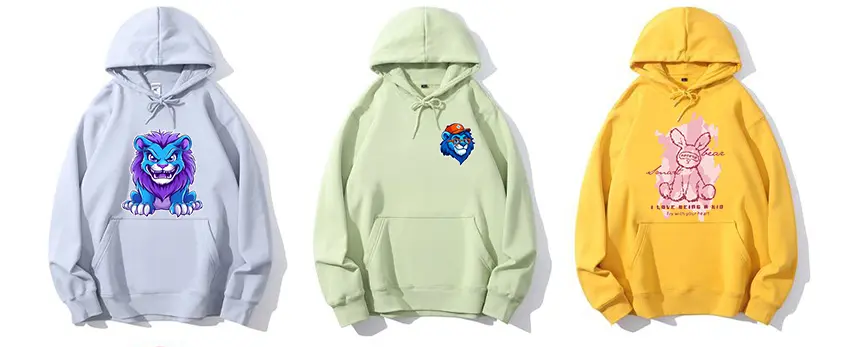
Printing on hoodies and sweatshirts comes with its own set of challenges because these garments are thicker and often made from blends that stretch. This can make adhesion tricky and affect the softness and durability of your design.
DTF printing really shines here. The prints stick well to stretchy fabrics without cracking or peeling, and they keep a soft hand feel that won’t make your hoodie stiff or uncomfortable. Plus, DTF’s strong adhesion works great on heavier fabrics, ensuring your custom hoodie printing lasts through washes. If you\’re looking for durability and comfort, especially on fleecy or blended sweatshirts, DTF is usually the better choice.
HTV can still work, but it’s worth considering the fabric texture. With thick or heavily textured garments, HTV can sometimes struggle to stick properly or feel stiff, especially with larger or more complex designs. It’s better suited for simple, bold graphics or smaller areas on hoodies. Also, keep in mind that HTV requires careful weeding and a precise heat press, so it might take extra time to get perfect results on these heavier materials.
For custom hoodie printing methods, DTF is often preferred for its stretchability, softness, and lasting adhesion—making it a top pick for durable, comfortable hoodies and sweatshirts.
If you want to explore the cost and equipment side of DTF printing for hoodies, the complete breakdown for beginners and print shops is a handy resource.
Other Applications (Hats, Bags, and More)
DTF and heat transfer vinyl (HTV) aren\’t just for t-shirts and hoodies—they work well on a variety of items like hats, tote bags, and even some non-fabric surfaces. When it comes to versatility beyond apparel, both methods have their spots.
DTF shines on flexible, slightly textured surfaces. Its adhesive powder and heat press process let the design stick well on polyester bags or backpacks, delivering full-color custom transfers with great detail. Plus, the soft hand feel of DTF prints adds comfort without bulk, which is perfect for items that get handled a lot.
HTV, meanwhile, offers options like glitter or metallic finishes that stand out on hats and bags, especially for simple logos or bold graphics. However, the vinyl’s thicker layer can sometimes feel stiff or crack with heavy folding or wear, which might not be ideal for all bag materials or curved surfaces like caps.
For non-fabric items like mousepads or laminated surfaces, DTF’s direct to film transfers often outperform HTV in adhesion and durability, but in some cases, special HTV types and adhesives can handle these too.
Overall, if you’re looking to do vibrant, full-color designs or work with various fabrics and textured items, DTF is your go-to. For spot colors, shimmery finishes, or quick customizations on hats and bags, HTV is still a reliable choice.
For a deeper dive into DTF equipment helping handle diverse materials, check out the complete DTF printer setup and buying guide, which highlights tools that improve print quality across many surfaces.
Ventajas e inconvenientes
Here’s a quick look at the strengths and weaknesses of DTF vs heat transfer vinyl for t-shirts, hoodies, and more:
DTF Pros:
Full-color custom transfers with vibrant, detailed designs
Works well on a variety of fabrics including cotton, polyester, and blends
Soft hand feel transfers that stay breathable and flexible
No weeding required, speeding up production time
Durable with excellent wash fastness, great for hoodies and heavy use
DTF Cons:
Higher upfront cost for DTF printer and materials
Slightly more complex setup and maintenance
Best suited for medium runs, not ideal for extreme small batches
HTV Pros:
Affordable starter option with low equipment costs
Easy for beginners due to simple cutting and weeding process
Wide range of specialty vinyl options like glitter, metallic, and flock
Great for bold, simple logos and small batch custom tees
HTV Cons:
Limited color options compared to direct to film transfers
Can feel stiff or heavy on apparel, especially on sweatshirts and hoodies
Weeding can be time-consuming and labor-intensive
Not ideal for polyester or stretchy fabrics without special vinyl
Hybrid Approach:
Some businesses combine both methods, using DTF for full-color prints and HTV for text or special effect accents. This mix can maximize design options while managing cost and production time effectively.
Choosing the best printing method depends on your design complexity, fabric types, production volume, and budget. For professional quality and versatility, a top-tier DTF system like those from Jinlong is a solid investment. For quick, simple, and cost-effective customizations, HTV remains a go-to solution.
Cuándo elegir DTF
La impresión DTF brilla cuando se necesita complex designs with vibrant, full-color details. It’s perfect for:
- Medium runs where producing consistent high-quality prints is key
- Printing on varied fabrics like cotton, polyester, and blends without losing print quality
- Projects requiring a tacto suave that’s breathable and comfortable
- Professional-quality prints that last, thanks to excellent wash fastness and durability
If you’re after top-notch ink quality and long-lasting transfers, consider using jinlong DTF inks and films. Jinlong’s products stand out for vivid colors, sharp details, and strong adhesion on all your apparel, from t-shirts to hoodies.
| ¿Por qué elegir DTF? | Beneficios |
|---|---|
| Diseños complejos a todo color | Photorealistic prints, no color limits |
| Medium batch production | Efficient, consistent output |
| Fabric versatility | Works on cotton, polyester, nylon, blends |
| Larga duración | Prints resist fading and cracking |
| Soft hand feel transfers | Comfortable for daily wear |
Choosing DTF is a smart move when you want professional-grade, durable prints on a range of fabrics without the hassle of weeding vinyl designs.
Cuándo elegir HTV
Heat Transfer Vinyl (HTV) shines in specific scenarios where simplicity, budget, and speed matter most. Here’s when HTV is the smart choice:
- Simple Logos & Designs: Perfect for solid colors or basic shapes without complex gradients or photographic details.
- Special Finishes: Glitter, metallic, flock, and other textured vinyl options add flair that DTF can’t easily match.
- Low-Budget Startups: HTV gear is generally more affordable upfront, ideal for small businesses just getting started.
- Quick Personalization: Small runs or one-off customizations benefit from HTV’s fast turnaround and easy setup.
- No Need for Full-Color: When you don’t require full-color or photorealistic prints, HTV keeps things straightforward.
| Factor | HTV Advantage | Notas |
|---|---|---|
| Complejidad del diseño | Simple, solid colors | Not ideal for photo prints |
| Finish Options | Glitter, metallic, flock | Great for eye-catching effects |
| Costes de puesta en marcha | Lower upfront investment | HTV cutters and heat press |
| Tiempo de producción | Faster for small runs | Labor-intensive weeding needed |
| Compatibilidad de tejidos | Funciona bien en algodón y mezclas | Limited on polyester or nylon |
If your project calls for bold text, quick changes, or special vinyl textures, HTV is an easy and reliable pick. For anyone focusing on simple logos or startup apparel printing, HTV is a proven go-to method.


 English
  Español
  Deutsch
  Français