


DTF Ink Printer vs DTG and Sublimation Best Apparel Printing Tech 2026
¿Qué es la impresión DTF?
Direct to Film (DTF) printing is a cutting-edge apparel printing technology that uses specialized DTF ink and adhesive powder to create vibrant, durable designs. The process starts by printing your artwork with DTF ink onto a special film. Once printed, an adhesive powder is evenly applied to the wet ink. This powder sticks to the design and is then cured, forming a flexible layer that can be heat-transferred onto any fabric using a heat press.
One standout aspect of DTF printing is its versatility—it requires no pre-treatment of fabrics, which greatly simplifies production. Whether you’re working with cotton, polyester, blends, or even specialty materials, DTF prints adhere reliably without extra surface preparation.
Jinlong DTF printers are well-regarded in the custom apparel industry for their ink reliability and consistent output. Their printers maintain vivid color saturation and sharp details, supported by high-quality DTF ink and powder that contribute to lasting prints. This technology is an excellent choice for businesses seeking a hassle-free setup, low maintenance, and the ability to print on cualquier tejido with excellent washability and wear resistance.
¿Qué es la impresión DTG?
Direct to Garment (DTG) printing uses an inkjet process to print designs directly onto pretreated fabric. It works best on cotton and other natural fibers because the ink soaks into the fabric, creating highly detailed, soft prints that feel breathable and comfortable to wear. This makes DTG ideal for custom t-shirt printing methods that require fine detail and a natural hand feel.
However, DTG printing has its limitations. The fabric needs a special pre-treatment before printing to help the ink bind properly and maintain vibrancy. This extra step adds time and complexity to the process. Also, DTG printers typically require more frequent maintenance to keep print heads clean and functioning at their best. Despite these downsides, DTG remains a popular choice for small business printing solutions focused on high-quality prints on cotton apparel.
What Is Sublimation Printing?
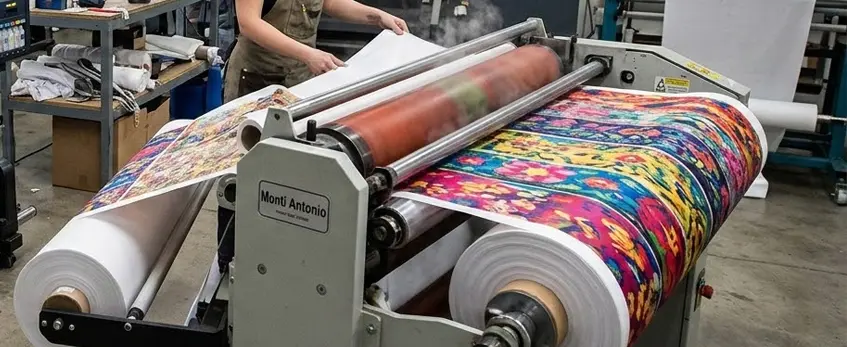
Sublimation printing uses a dye sublimation process where special sublimation inks are first printed onto transfer paper. Then, heat and pressure from a heat press cause the inks to turn into gas and permanently bond with polyester fibers. This creates vibrant, photorealistic prints that are fully embedded into the fabric, resulting in a seamless finish without any feel or texture on the surface.
The biggest advantage of dye sublimation printing is its ability to produce sharp, full-color designs with smooth gradients and incredible detail. It’s perfect for high-quality custom apparel printing methods, especially when you want that “invisible” print feel.
However, sublimation is limited to polyester or polyester-coated materials. Natural fabrics like cotton won’t hold the sublimated dyes well, so this method is best when working with polyester or polyester blends only. This can restrict fabric compatibility printing options compared to technologies like DTF and DTG.
For those interested in the full sublimation setup, using a good-quality heat press is essential to achieve crisp, durable results. You can check out automatic heat press machines that simplify and speed up production workflows for sublimation jobs.
(See more on auto heat press machines and how they work)
Head-to-Head Comparison: Fabric Compatibility and Versatility
When it comes to fabric compatibility, each printing method shines in different areas:
| Printing Technology | Compatibilidad de tejidos | Puntos fuertes |
|---|---|---|
| Impresión DTF | Works on cotton, polyester, nylon, blends, and more | Versatile across multiple fabrics without pre-treatment |
| Impresión DTG | Lo mejor en algodón 100% | Excellent detail and soft feel on cotton, but limited beyond that |
| Impresión por sublimación | Only works on polyester and polymer-coated fabrics | Produces vibrant, photorealistic prints but restricted to polyester |
DTF printing stands out as the most adaptable option. Thanks to its DTF ink and adhesive powder process, it bonds well with almost any fabric type—no pre-treatment required. This makes it ideal for small businesses and custom apparel shops handling diverse orders.
DTG printing excels mainly on cotton, where its inkjet process delivers soft, detailed prints. However, it struggles with non-cotton fabrics and always needs pre-treatment, which can slow production.
Sublimation printing offers unmatched vibrancy but only on polyester. If your business caters to sportswear or polyester apparel, sublimation is unbeatable. But for anything else, it’s a no-go.
For a flexible printing solution that covers a wide fabric range, DTF ink printers—especially reliable models like those from Jinlong—are your best bet. Check out their full range including quality Tinta DTF CMYK y polvo adhesivo to see how they can fit your operation.
Head-to-Head Comparison: Print Quality and Vibrancy
Cuando se trata de print quality and vibrancy, each apparel printing technology shines in different ways:
| Printing Technology | Calidad de impresión | Vibración del color | Ideal Use on Fabrics |
|---|---|---|---|
| DTF Ink Printer | Sharp, vibrant colors, especially on dark fabrics | Bright and bold, holds up well over time | Funciona en algodón, poliéster, mezclas y más |
| Impresión DTG | Soft, embedded ink with fine detail | More muted on dark fabrics, best on light cotton | Best on pretreatment cotton |
| Sublimación | Photorealistic, smooth gradients | Exceptionally vibrant on polyester fabrics | Limited to polyester and light-colored fabrics |
Impresión DTF is known for producing vivid and durable prints on dark and light fabrics alike. The DTF ink and powder process ensures colors pop without fading quickly, making it a solid choice for vibrant custom apparel.
Impresión DTG offers a silky-soft finish where ink soaks into the cotton fibers, delivering fine detail and subtle color on lighter backgrounds. However, on dark shirts, colors can look less saturated compared to DTF.
Sublimation printing stands out for photorealistic images with seamless color blending, showing off bright, crisp designs—but only on polyester or specially coated polyester blends, limiting fabric choices.
In short, if your priority is bold, vibrant prints on a variety of fabrics, DTF printing, especially with reliable equipment like the Impresoras Jinlong DTF, gives you a clear edge. DTG is great for soft, detailed cotton prints, while sublimation rules for high-definition color on polyester.
This difference in color vibrancy and sharpness is a key factor when choosing between DTF vs DTG comparison or dye sublimation printing in your apparel business.
Durability and Washability: DTF Ink Printer vs. DTG and Sublimation
When it comes to print longevity, each technology has its pros and cons:
| Tecnología | Durabilidad | Lavabilidad | Notas |
|---|---|---|---|
| Impresión DTF | Highly durable and crack-resistant | Holds up well through many washes | Uses DTF ink and adhesive powder for lasting prints on various fabrics without cracking or peeling |
| Impresión DTG | Prone to fading and wear over time | Requires gentle washing to preserve print | Best on cotton, but prints tend to lose vibrancy faster than DTF |
| Sublimación | Exceptionally permanent | Washes out well without fading | Prints bond directly with polyester fibers; unbeatable permanence but limited fabric use |
DTF printing really stands out for durability, especially when using reliable Tinta DTF y polvo adhesivo from trusted brands like Jinlong. Its prints resist cracking and fading through multiple wash cycles, perfect for garments that need long-lasting quality.
DTG prints provide a softer feel but generally don’t last as long, especially with frequent washing. Sublimation offers the best permanence but is limited to polyester fabrics, which can restrict its use.
So, if durable and washable prints are your priority, DTF printing often offers the best balance, especially for mixed-fabric apparel.
Hand Feel and Comfort: DTF Ink Printer vs. DTG and Sublimation
When it comes to hand feel and comfort, each printing method has its own distinct texture and fit, which can influence your choice depending on the apparel\’s end use.
| Método de impresión | Hand Feel Description | Comfort Level |
|---|---|---|
| Impresión DTF | Slight texture from the adhesive powder, yet remains flexible and wearable | Good—textured but comfortable over long wear |
| Impresión DTG | Softest print feel, ink embeds directly into pretreated cotton fibers | Best for breathability and softness |
| Impresión por sublimación | Invisible print feel—dye becomes part of the fabric itself | Excellent—no added texture, feels like original fabric |
DTF Ink Printer: Prints produce a thin film on the fabric surface, which has a slight texture. However, with quality DTF ink and proper curing, the print stays flexible without cracking or stiffness. This makes DTF a solid choice for versatility in apparel comfort, especially across different fabric types.
Directo a prenda (DTG): Known for the softest hand feel. The inks soak into the fabric, especially cotton, resulting in breathable and natural-feeling prints that maintain comfort even in warmer climates. Ideal for customers wanting the print to feel like part of the shirt.
Sublimación: Offers virtually no texture because the dye sublimates into polyester fibers themselves. This creates an invisible feel, perfect for high-performance sportswear and seamless designs but only works on polyester or polyester blends.
En , DTG leads in softness and breathability, sublimation in invisibility of printy DTF balances flexibility with fabric versatility, making it a practical option for many apparel printing needs.
Production Speed and Ease of Use: DTF Ink Printer vs. DTG and Sublimation
When it comes to getting prints out quickly and with minimal hassle, each custom t-shirt printing method has its pros and cons.
| Tecnología | Velocidad de producción | Facilidad de uso | Notas |
|---|---|---|---|
| Impresión DTF | Fast—no pretreatment needed | Simple setup and quick turnaround | Works on any fabric, saving prep time. Reliable with Jinlong DTF printers and ink. Learn about DTF transfer films for smooth workflow. |
| Impresión DTG | Slower due to fabric pretreatment | More steps, higher maintenance | Requires prepping fabric beforehand, adding time and complexity. |
| Sublimación | Quick print process | Easy but limited to polyester | Fast transfer with heat press, but restricted fabric choices affect versatility. |
DTF printing shines for small businesses needing fast setups without extra fabric prep, thanks to its no pre-treatment advantage. On the other hand, DTG demands time-consuming pre-treatment and ongoing maintenance, slowing production. Sublimation is speedy but only works on polyester, limiting your order options.
For those prioritizing speed and easy handling with diverse fabric types, especially using dependable Jinlong DTF kits, DTF ink printers offer a clear
Head-to-Head Comparison: Cost Breakdown
When deciding between DTF ink printer, DTG, and sublimation, understanding the cost side is key. Let’s break down entry-level expenses, ongoing costs, and what impacts your return on investment (ROI).
| Tecnología | Coste de entrada | Costes corrientes | ROI Considerations |
|---|---|---|---|
| Impresión DTF | Moderate initial cost for DTF printer and consumables like ink and adhesive powder. Reliable options like Jinlong DTF printers offer good value. | Ink and powder refills, low pretreatment costs, minimal maintenance. Costs stay reasonable over time. | Quick setup saves labor. Versatility on any fabric boosts order variety and reduces waste—great ROI for small/medium businesses. |
| Impresión DTG | Higher startup cost due to specialized printers and pretreatment equipment. | High ink cost, regular pretreatment supplies, and printer maintenance can add up. | Best if mainly printing on cotton. Prepping fabric slows production, impacting throughput and profit for bigger runs. |
| Sublimación | Printer and heat press upfront investment. Requires polyester materials only, which may limit stock variety. | Low ink cost, minimal maintenance, but fabric costs can be higher if polyester is premium. | Very permanent prints reduce returns or complaints. Best ROI comes from polyester-focused niches, less so for mixed products. |
DTF printing shines in balancing startup and operating costs, especially with no pretreatment needed, reducing labor expenses. It’s flexible for diverse fabric orders, helping recoup investment faster. DTG suits mostly cotton-based customers but demands more upkeep and supply spending. Sublimation has moderate running costs but locks you into polyester, narrowing your market.
Check key factors like fabric compatibility against your order types to choose the best custom apparel printer for 2026 and beyond. For reliable consumables and ink, see why many trust Jinlong DTF printers and ink for cost-effective production.
Best Use Cases and Order Volumes
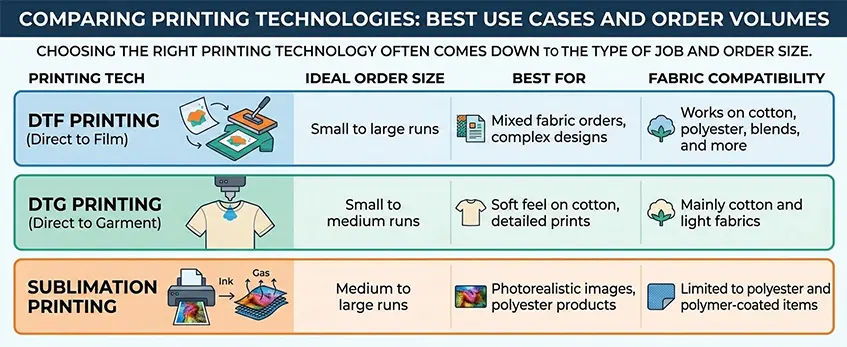
Choosing between DTF ink printer, DTG, and sublimation printing often comes down to the type of job and order size. Here\’s a quick look at what each technology handles best:
| Printing Tech | Tamaño ideal del pedido | Lo mejor para | Compatibilidad de tejidos |
|---|---|---|---|
| Impresión DTF | Small to large runs | Mixed fabric orders, complex designs | Funciona en algodón, poliéster, mezclas y más |
| Impresión DTG | Tiradas pequeñas y medianas | Soft feel on cotton, detailed prints | Mainly cotton and light fabrics |
| Impresión por sublimación | Medium to large runs | Photorealistic images, polyester products | Limited to polyester and polymer-coated items |
¿Por qué elegir DTF?
DTF printing shines when you need versatility across fabrics or mixed fabric orders without pre-treatment hassles. Complex designs with vibrant, durable prints come out consistent, making it a great choice for small businesses or custom runs that require quick turnaround.
DTG Best Uses
DTG is your go-to if you’re focused on detailed, soft prints on cotton shirts, especially when the order size is small to medium. While it requires fabric pre-treatment and higher maintenance, it delivers that premium custom t-shirt printing feel.
Sublimation Strengths
If your client base prefers photorealistic, seamless prints on polyester, sublimation is the clear winner. It suits medium to large orders, especially for products like sportswear or polyester accessories, but keep in mind its fabric limits.
For reliable DTF solutions tailored to small workshops or larger production runs, Jinlong\’s DTF printers offer the technology and support to scale effectively. Their versatility helps cover orders ranging from small custom batches to bigger projects.
In sum, your choice should align with fabric needs, print complexity, and order volume. DTF’s flexibility across fabrics and order sizes makes it the most adaptable for today’s diverse apparel printing demands.
Which Technology Wins? The Verdict
There’s no one-size-fits-all winner when it comes to DTF ink printer vs. DTG and sublimation. Each technology brings its strengths depending on your specific needs.
For most modern apparel printing, DTF stands out as the most versatile and durable option. It works on any fabric without pre-treatment, delivers vibrant and long-lasting prints, and handles a wide range of order sizes and fabric types. When looking for reliable gear and supplies, I recommend going with a impresora jinlong DTF and their trusted ink and powder process to ensure consistent quality and rugged durability.
That said, DTG printing still shines for pure cotton items, especially when you want that soft, embedded print feel. It’s a great pick if you’re focused on natural fibers and detailed artwork. Sublimation remains unbeatable for vibrant, photorealistic prints on polyester garments, but its fabric limitations mean it’s better suited for niche polyester-only runs.
En :
- Elija DTF for all-around versatility, cost-effectiveness, and tough, colorful prints.
- Elige DTG if you specialize in 100% cotton and want super-soft finishes.
- Go with sublimación when working exclusively with polyester and prioritizing photo-level color quality.
Knowing when each method fits your business or hobby will get you the best results. For high-quality transfers and dependable performance, check out jinlong’s full range of DTF solutions that fit your printing goals perfectly.


 English
  Español
  Deutsch
  Français