


Best DTF Heat Press Guide 2026 Sizes Pressure Types Pricing
If you\’re diving into the world of Impresión DTFElegir bien prensa de calor isn’t just a step—it’s the foundation of your success. Whether you\’re a beginner or scaling a custom apparel business, knowing how to navigate DTF heat press sizes, pressure types, and pricing can save you time, money, and headaches down the road. Getting these factors right means flawless adhesion, vibrant prints, and durable results every time. In this guide, we break down everything you need to pick the mejor prensa térmica DTF for your specific workflow and budget—so you can focus on creating outstanding garments, not troubleshooting equipment. Let’s get started!
Why DTF Transfers Demand a Specialized Heat Press
Direct-to-Film (DTF) transfers require a heat press designed specifically for their unique temperature and pressure demands. Unlike traditional heat pressing methods, DTF printing needs precise control of heat and pressure to ensure the adhesive properly bonds the printed film to the fabric. Achieving distribución uniforme del calor and consistent pressure prevents issues like peeling, cracking, or fading, which are common with generic presses.
DTF transfers typically require temperatures around 305°F (about 150°C) and firm pressure applied evenly across the platen for 15-20 seconds. Using the wrong heat press or incorrect pressure settings often results in incomplete adhesion or damage to the print, reducing the durability and washability of the design.
Avoiding common heat press failures, such as uneven heat, weak pressure, or temperature fluctuations, is crucial for producing long-lasting, high-quality DTF prints. Investing in a specialized DTF heat press—like models compatible with jinlong DTF systems—ensures you get the necessary precision for flawless transfers, making your prints stand up to regular wear and washing.
Essential Features to Look for in a DTF Heat Press
Choosing the best DTF heat press means focusing on a few key features that guarantee quality and ease of use. Here’s what to look for:
Even Heat Distribution & Digital Controls
- Consistent temperature across the platen is crucial for smooth, vibrant transfers.
- Digital temperature and timer controls allow precise settings for different fabrics and inks. These controls help avoid guesswork and improve print durability.
Adjustable Strong Pressure & Sturdy Build
- Pressure affects how well your DTF transfers stick; adjustable pressure settings let you customize per job.
- Look for a robust frame and steel construction to maintain pressure over time without warping. Durability matters, especially for frequent use.
Safety Features & Maintenance
- Heat press machines with auto-shutoff, thermal fuses, and heat-resistant handles keep the operator safe.
- Easy-to-clean platens and accessible parts simplify maintenance—important to keep your press running smoothly.
Buyer Checklist for DTF Heat Press
| Característica | Por qué es importante | Recommended For |
|---|---|---|
| Even Heat Distribution | Avoids blotchy or weak prints | All users, especially pros |
| Controles digitales | Precision in time & temp settings | Beginners to advanced users |
| Adjustable Pressure | Perfect adhesion for various fabrics | Small to high volume |
| Solid Build | Fiabilidad a largo plazo | Frequent users & businesses |
| Características de seguridad | Protects operator & equipment | All users |
| Easy Maintenance | Reduces downtime | Busy production settings |
For those starting out, investing in a heat press with these essentials is key for consistent DTF transfer quality. For enhanced results, consider compatibility with jinlong DTF materials like their Polvo adhesivo termofusible TPU to ensure top durability and finish.
Understanding Platen Sizes: Which One Fits Your Workflow?
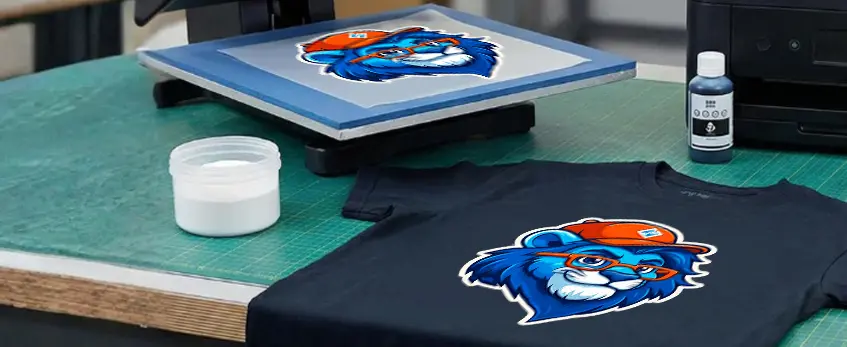
Choosing the right platen size for your DTF heat press is key to matching your production needs and workspace. Here’s a quick breakdown to help you decide:
Compact and Small Platen Sizes
Ideal for beginners or hobbyists with limited space. Small platens save room and cut down on power use but may slow you when working on bigger designs.
Standard 15×15 Platen
The go-to choice for many t-shirt businesses. This size fits most shirts comfortably, offering versatility without taking up too much space. If you’re comparing 15×15 vs 16×20 heat press DTF options, 15×15 hits the sweet spot for small to medium runs.
Large 16×20 and Jumbo Sizes
Perfect for hoodies, sweatshirts, and larger apparel items, or when you need faster output because of high volume. Bigger platens can boost your workflow but require more room and investment.
Pros, Cons, and Upgrade Advice
| Talla | Pros | Contras | Upgrade Tips |
|---|---|---|---|
| Small | Space-saving, affordable | Limits design size | Great starting point |
| 15×15 | Versatile, good for tees | May not fit jumbo designs | Consider if mainly shirts |
| 16×20+ | Handles large prints | Bigger, heavier, costlier | Upgrade if scaling up |
Match your platen size to the type of apparel and volume you plan to run for best results. For more on optimizing prints, check out the DTF transfer temperature and time chart, which pairs well with platen considerations.
Choosing the right platen is about balancing your space, production, and product requirements – and it’s one of the biggest factors in picking the best DTF heat press for your business in 2026.
Pressure Types Explained: Manual, Swing-Away, Pneumatic, and Auto-Open
When picking the best DTF heat press for your setup, understanding pressure types is key. Each style affects how consistent your prints turn out and how easy it is to run your operation.
Concha manual
This is the basic, budget-friendly option. You press down by hand to apply pressure. It’s simple and compact, great for beginners or small runs. But manual clamshells can struggle with uneven pressure and operator fatigue during longer sessions. They’re best if you’re low volume or just starting out.
Basculante
Swing-away presses let you move the upper platen aside, giving you safer and easier access to line up transfers. They offer better control over pressure settings, especially for thicker items like hoodies. This type minimizes the risk of accidental burns and is a solid mid-level choice for growing businesses.
Pneumatic and Auto-Open
For consistent pressure without tiring your arms, pneumatic or air-powered presses are the way to go. They deliver steady force every time, which is crucial for high-quality DTF transfers. Auto-open features also release the platen automatically at the set time, saving you manual effort and speeding up production. These are ideal if you plan high volume or frequent runs.
Hydraulic and Dual-Platen
On the industrial side, hydraulic presses offer powerful, even pressure suitable for large-scale operations. Dual-platen setups multiply output by allowing simultaneous presses. These are typically found in professional apparel businesses focusing on heavy DTF production. If operator fatigue and speed are top concerns, these heavy-duty options shine.
Comparison Tips:
- Manual = low cost, more effort, basic volume
- Swing-away = safer, more control, versatile for different fabrics
- Pneumatic/auto-open = consistent pressure, less fatigue, great for medium to high volume
- Hydraulic/dual-platen = industrial strength, max production, higher investment
Choosing the right pressure type is about balancing your production goals with budget and workspace needs. For a deeper dive into settings and compatibility, check out our guide on DTF heat press pressure settings.
Pricing Breakdown: What to Expect in 2026
When shopping for the best DTF heat press in 2026, understanding the price ranges helps you match your budget with the right features for your needs.
Entry-level clamshell models under $500:
Ideal for beginners or hobbyists, these compact presses handle basic DTF heat press pressure settings and offer decent even heat distribution. They’re great for small runs but may lack advanced controls or high durability.
Mid-range presses $500–$1,500:
These models step up with digital controls, stronger adjustable pressure, and sturdier builds. Many include swing-away or auto-open features, which reduce operator fatigue during frequent use. Mid-range presses are perfect for small businesses looking to grow, offering reliable performance for standard 15×15 vs 16×20 heat press DTF needs.
Professional auto and pneumatic presses above $1,500:
Built for volume and consistency, auto-open and pneumatic heat presses ensure precise pressure and faster production cycles—ideal for high volume DTF production equipment. Prices reflect robust construction, advanced safety features, and integration options ideal for scaling operations.
Cost Factors to Keep in Mind
Brand reputation (like jinlong DTF compatible models), warranty coverage, and potential hidden fees such as shipping or replacement parts can impact the final cost. Investing in a well-supported heat press often pays off in print quality and longevity.
If you’re starting out or upgrading, consider checking out the DTF kit for beginners with jinlong compatibility to see recommended equipment bundles that fit different budgets and needs.
Top DTF Heat Press Recommendations by Budget and Use Case
Whether you\’re just starting out or scaling a professional operation, choosing the mejor prensa térmica DTF for your needs and budget is crucial. Here’s a straightforward guide based on common buyer profiles in the US market:
Best Models for Beginners and Budget Buyers
- Affordable DTF heat press recommendations often include compact 12×10 or 15×15 clamshell models under $500.
- Pros: Easy to use, small footprint, good for hobbyists and home businesses.
- Cons: Limited platen size and pressure control can affect print durability on thicker fabrics.
- Example: Entry-level clamshell presses work well with standard t-shirts and small projects.
Value Picks for Small Business Owners
- Mid-range presses ($500–$1,500) with adjustable pressure and digital temperature controls are great for growing shops.
- Look for models with even heat distribution and solid build quality to avoid common failures.
- These presses handle a variety of fabric types including hoodies, and support higher volume.
- Compatible with reliable brands like Jinlong DTF equipment for consistent results.
Medium Volume and Pro-Level Presses
- Presses in the $1,500–$3,000 range often feature swing-away or pneumatic pressure types.
- They offer larger platens (16×20 or bigger) to handle hoodies and bulk orders smoothly.
- Pros: Precise pressure settings, faster cycle times, and increased operator safety.
- Cons: Higher initial investment but suitable for scaling businesses aiming for quality and speed.
High-Production Auto Options
- Industrial press options over $3,000 come with hydraulic systems and dual platen setups for maximum output.
- Ideal for high volume DTF production equipment where operator fatigue is a concern.
- They provide consistent pressure and temperature for extended runs with minimum downtime.
- Invertir en Jinlong DTF compatible heat press models can significantly improve ROI for commercial operations.
Table:
| Presupuesto | Tipo de prensa | Tamaño de la platina | Lo mejor para | Pros | Contras |
|---|---|---|---|---|---|
| Under $500 | Clamshell (Manual) | 12×10, 15×15 | Beginners, hobbyists | Affordable, compact | Limited pressure |
| $500 – $1,500 | Digital Clamshell | 15×15, 16×20 | Pequeñas empresas | Adjustable pressure, stable | Moderate platen size |
| $1,500 – $3,000 | Swing-Away/Pneumatic | 16×20+ | Medium volume, pros | Consistent, fast cycle | Mayor coste inicial |
| $3,000+ | Hydraulic/Dual Platen | Jumbo (16×20+) | Producción de gran volumen | High output, less fatigue | Expensive, large |
Choosing the right press depends on your workflow, volume, and fabric types. For deeper insights on avoiding low-quality prints and ensuring your DTF heat press lasts, check out problemas habituales de los kits DTF de baja calidad y cómo evitarlos.
How to Match a Heat Press to Your Business Stage
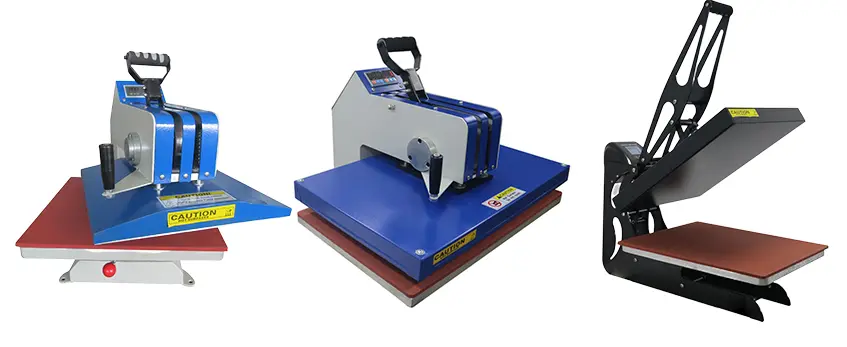
Choosing the right DTF heat press depends largely on where you are in your business journey. For hobbyists or those just starting out, a compact, affordable model like a 15×15 DTF heat press for beginners makes sense. These take up less space, have simple controls, and fit low-volume needs perfectly.
Si está ejecutando un home business or a small operation, consider mid-range presses with a standard platen size, such as the 15×15 or 16×20 heat press DTF options. These give you more flexibility for various apparel, like t-shirts and hoodies, and usually offer stronger, adjustable pressure and digital temperature settings. This helps ensure consistent prints as your orders grow.
For businesses scaling up to high volume production, swinging over to larger, more durable machines like pneumatic or auto-open presses can boost efficiency and reduce operator fatigue. These models pair well with a jinlong DTF printing workflow, especially if you want to keep quality high while speeding up output. High-production setups often need bigger platen sizes—like 16×20 or jumbo plates—to handle diverse apparel and larger runs.
Production Volume and Space Tips
- Small quarters? Opt for clamshell or swing-away models with a smaller footprint.
- Need speed and consistency? Pneumatic or auto-open presses help maintain even pressure for professional DTF apparel heat press jobs without tiring your staff.
- Scaling fast? Dual-platen or hydraulic presses offer industrial-grade performance but require ample space.
Make sure your heat press choice aligns with both your production goals and available workspace to avoid bottlenecks or overspending.
For businesses interested in integrating smoothly with their printers, pairing your heat press with a compatible model like the Jinlong JL-DTF604P digital printer makes the process seamless. This ensures your entire DTF transfer setup—from print to press—is optimized for consistent, high-quality results.
Matching your heat press not only saves money but sets your business up for success at every stage.
DTF Heat Press Setup, Operation, and Best Practices
Obtener tu Prensa térmica DTF ready is key for consistent, high-quality transfers. Right after unboxing, start with a thorough inspection to ensure no parts are loose or damaged. Next, calibrate the temperature and pressure settings based on the manufacturer’s guidelines—this step is crucial to avoid uneven heat distribution and poor print durability. For beginners, digital controls make calibration easier to set precise heat and time.
Recommended Settings by Fabric Type
- Cotton and polyester: 320°F for 15 seconds at firm pressure
- Mezclas: Slightly lower temperature around 300°F and moderate pressure
- Tejidos delicados: Use a heat-resistant cover sheet and reduce time to avoid scorching
Always refer to a detailed DTF transfer temperature and time chart to fine-tune these settings depending on your ink and fabric.
Solución de problemas comunes
- Blurry or washed-out prints: Check if the pressure is too light or heat uneven
- Peeling prints: Increase pressure or extend pressing time slightly
- Wrinkles under print: Use a heat-resistant mat or adjust platen size
Maintenance and Safety Tips
- Clean the platen regularly to avoid residue buildup that affects transfer quality
- Inspect pressure and temperature sensors periodically for accuracy
- Always unplug the machine before maintenance
- Use gloves during operation to prevent burns
- Ensure your work area has proper ventilation, especially with powders and inks
For detailed workflow integration, pairing your heat press setup with a Jinlong DTF compatible printer can streamline your production process and guarantee top-tier prints. Check out the complete DTF printing workflow guide for tips on syncing heat press and printer settings successfully.
Common Mistakes to Avoid When Buying and Using a DTF Heat Press
When shopping for the best DTF heat press, it\’s easy to get swayed by price or flashy features. But skipping key factors can cost you time, money, and print quality down the line. Here are the top mistakes to watch out for:
Ignoring Heat and Pressure Consistency
DTF transfers demand precise temperature and pressure. If your heat press doesn’t maintain consistent heat or strong, even pressure, your prints won’t cure properly and won’t last. Check for models with digital controls and adjustable pressure settings to avoid this problem.
Choosing the Wrong Platen Size
Picking a platen that\’s too small or unnecessarily large for your products hurts productivity and results. Beginners often go for compact sizes, but if you’re growing, consider standard 15×15 or larger 16×20 platens suited for hoodies and bulk work. Knowing the right size upfront avoids costly upgrades or limits your workflow. Read up on the DTF platen size guide to make the best choice.
Overlooking Warranty and Support
A solid warranty and responsive customer support are must-haves. DTF heat presses have delicate electronics and parts that need servicing. Don’t skip digging into warranty terms or buyer reviews on service responsiveness before making a purchase.
Buying Solely on Price
Entry-level clamshell models under $500 can be tempting, but cheap presses often sacrifice durability and precision. Investing a bit more in mid-range or professional-grade heat presses pays off with consistent results, longer lifespan, and compatibility with premium products like Jinlong DTF transfers.
Avoiding these common pitfalls ensures you pick a heat press that fits your needs and keeps your DTF prints top-notch. For a practical setup from start to finish, check out how to get the best results with Jinlong DTF-compatible equipment.


 English
  Español
  Deutsch
  Français