

No hay productos en la cesta.

Jinlong
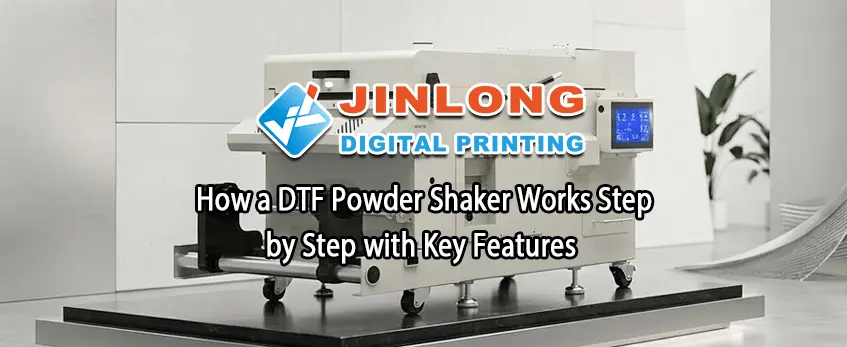
Cómo funciona un agitador de polvo DTF Paso a paso con las principales características
Si te estás sumergiendo en el mundo de Impresión DTF, ...entendiendo exactamente... cómo funciona un agitador DTF cambia las reglas del juego. Tanto si eres principiante como si quieres afinar tu proceso, dominar el flujo de trabajo paso a paso para esta máquina crucial significa una aplicación de adhesivo más consistente, menos desperdicio y transferencias más fuertes. En esta guía, obtendrá una explicación clara y sin rodeos de cómo la agitador de polvo jinlong DTF automatiza y perfecciona la fase de polvo, para que pueda evitar los errores más comunes y mejorar la calidad de impresión en todo momento. ¡Empecemos!
Introducción a los agitadores de polvo DTF y su función en la impresión
En el mundo de la impresión directa sobre película (DTF), lograr impresiones impecables requiere una aplicación precisa del polvo. A Máquina agitadora de polvo DTF desempeña un papel crucial en este proceso al distribuir uniformemente el polvo adhesivo termofusible sobre las películas impresas. Este paso es esencial porque el polvo adhiere el diseño impreso al tejido durante el prensado térmico. Sin una cobertura de polvo uniforme, sus impresiones corren el riesgo de tener una adhesión deficiente, texturas desiguales o materiales desperdiciados.
El agitador de polvo garantiza distribución uniforme del polvo en DTF, evitando la formación de grumos y el exceso de residuos que pueden comprometer la calidad. Al automatizar el proceso de esparcimiento y agitación del polvo, estas máquinas ayudan a mantener resultados uniformes al tiempo que minimizan el desperdicio de polvo. Tanto si dirige un pequeño taller como una línea de producción de gran volumen, la integración de un agitador de polvo fiable como el equipo jinlong DTF mejora la eficacia del flujo de trabajo y la durabilidad de la impresión.
Comprender cómo encaja un agitador de polvo en el Proceso de impresión DTF paso a paso es la clave para dominar la preparación de transferencias y garantizar siempre resultados de impresión de primera calidad.
¿Qué es un agitador de polvo DTF? Explicación de los componentes clave

Un agitador de polvo DTF es una máquina fundamental en el proceso de impresión directa sobre película (DTF), diseñada para aplicar uniformemente polvo adhesivo termofusible sobre la película recién impresa. Este paso garantiza una fuerte adhesión e impresiones vibrantes. Las piezas principales de un agitador de polvo DTF incluyen:
- Tolva de polvo: Mantiene el polvo adhesivo termofusible listo para su aplicación.
- Mecanismo de propagación: Distribuye el polvo uniformemente sobre la tinta húmeda para evitar la formación de grumos y garantizar una cobertura uniforme.
- Sistema de agitación: Vibra para eliminar el exceso de polvo, evitando los bordes gruesos y manteniendo limpia la película.
- Cajón de recogida de polvo sobrante: Recoge el polvo sobrante para facilitar el reciclaje y minimizar los residuos.
- Cinta transportadora/trayectoria de la película: Mueve la película de forma constante a través del agitador para una aplicación uniforme del polvo.
- Cámara de calentamiento/curado (si está integrado): Funde parcialmente el polvo para fijarlo firmemente a la película.
- Sensores y panel de control: Automatice el proceso, controle los niveles de polvo, la alineación de la película y garantice la seguridad.
- Sistema de extracción de humos: Mantiene limpia la zona de trabajo eliminando cualquier partícula o humo suspendido en el aire.
Los modelos de agitadores de polvo DTF de Jinlong destacan por la optimización de estos componentes para ofrecer una distribución uniforme del polvo con un desperdicio mínimo. Sus avanzados sistemas de esparcimiento y agitación garantizan un flujo de polvo preciso y bordes limpios, mientras que los sensores integrados se aseguran de que la película se alimente sin problemas en todo momento. Esta combinación se traduce en una mayor calidad de impresión y un menor tiempo de inactividad, ventajas clave para los clientes de EE.UU. que dependen de configuraciones de producción eficientes y fiables.
Para obtener más información sobre la automatización de su flujo de trabajo de impresión, consulte nuestra guía detallada sobre el Explicación de la impresora DTF con agitador de polvo.
El flujo de trabajo DTF completo: Dónde encaja el agitador de polvo
En el proceso completo de impresión DTF paso a paso, la máquina agitadora de polvo DTF desempeña un papel crucial justo después de imprimir la tinta sobre la película. Una vez que aparece la capa de tinta húmeda sobre la película DTF, el agitador de polvo aplica uniformemente el polvo adhesivo termofusible sobre la superficie impresa. Este paso garantiza que el polvo se adhiera perfectamente a la tinta húmeda, sentando las bases para una adhesión fuerte y duradera.
Tras la aplicación del polvo, el sistema de agitación del agitador elimina el exceso de polvo, evitando la formación de grumos y bordes irregulares que pueden comprometer la calidad de impresión. A continuación, la película pasa a la fase de curado, donde el calor funde el polvo y lo adhiere a la capa de tinta antes de la transferencia.
Sin un agitador de polvo automático para DTF, conseguir una distribución uniforme del polvo en las transferencias DTF sería difícil y llevaría mucho tiempo, lo que daría lugar a resultados poco uniformes y material desperdiciado. El agitador encaja a la perfección entre la impresión y el curado, haciendo que todo el flujo de trabajo de espolvoreado de películas DTF sea fluido y eficiente.
Para aquellos que buscan mejorar u optimizar esta parte del proceso, los equipos DTF de jinlong ofrecen máquinas fiables diseñadas para un flujo de polvo constante, una eliminación eficaz del exceso de polvo y una fácil integración en las configuraciones rollo a rollo. Esto es vital para una producción de gran volumen y unos resultados de calidad profesional.
Para más detalles sobre cómo empezar con buen pie sus impresiones DTF, consulte nuestra guía para Opciones de película de transferencia DTF que funcionan perfectamente con estos polvorones.
Paso a paso: Cómo funciona el agitador de polvos DTF de jinlong

Comprender el flujo de trabajo del agitador de polvo DTF de jinlong es clave para una impresión fluida y eficaz y una calidad uniforme. He aquí un desglose claro de cada paso de cómo esta máquina gestiona la aplicación de polvo adhesivo termofusible en el proceso de impresión DTF:
Paso 1: Preparación y carga de la máquina
Empiece por colocar y nivelar el agitador de polvo sobre una superficie estable. Encienda la máquina y llene el depósito de polvo con el polvo adhesivo termofusible adecuado. Si utiliza polvo de alta calidad, como el Polvo adhesivo termofusible TPU de jinlong, garantiza una distribución uniforme y una fuerte adherencia.
Paso 2: Alimentación de la película DTF impresa
Introduzca la película DTF recién impresa en el agitador. La alineación correcta de su impresora DTF es crucial aquí. Los sensores del agitador detectan la película y ayudan a evitar atascos o errores de alimentación. Para las configuraciones de rollo a rollo, se utiliza una hoja guía para guiar la película suavemente a través de la etapa de pulverización.
Paso 3: Extendido y aplicación del polvo
A medida que la tinta húmeda de la película DTF pasa por debajo de la tolva, el agitador esparce uniformemente el polvo termofusible. La cuchilla o mecanismo esparcidor garantiza una capa uniforme sobre la capa adhesiva, lo que es vital para una buena transferencia y durabilidad de la impresión. Este paso aprovecha la precisión de los equipos DTF de Jinlong para proporcionar una cobertura de polvo uniforme y consistente.
Paso 4: Sacudir el exceso de polvo
A continuación, los sistemas de vibración sacuden el exceso de polvo que no se ha adherido a la película. Esto evita que se formen grumos y mantiene los bordes limpios y nítidos. Al controlar el flujo de polvo, el sistema reduce los residuos y mantiene ordenado el entorno de impresión.
Paso 5: Curar/fundir el polvo
La cinta transportadora traslada la película recubierta de polvo al horno de curado integrado. Aquí, los ajustes de calor entre aproximadamente 285-320 °F funden y adhieren el polvo a la capa de tinta. La velocidad del transportador puede ajustarse al tipo de polvo y a la anchura de la película, lo que garantiza una fusión perfecta sin sobrecalentamiento.
Paso 6: Salida y recogida de la película
Por último, la película sale del agitador y se recoge en una bobina de recogida para la operación rollo a rollo o se coloca plana para su uso inmediato. Si es necesario, se puede aplicar frío para estabilizar la película y la unión del polvo antes de su manipulación.
Este proceso paso a paso integrado en el agitador de polvo DTF de jinlong agiliza el Flujo de trabajo de pulverización de películas DTF con automatización, ofreciendo una aplicación de adhesivo de calidad y ayudando a los talleres de impresión a aumentar la productividad con un mínimo de residuos.
Configuraciones y ajustes óptimos para los agitadores de polvo DTF de jinlong
Para obtener los mejores resultados de su agitador de polvo DTF de Jinlong, los ajustes adecuados y la puesta a punto son cruciales. Esto es lo que necesita saber:
- Ajustes de temperatura: Para el curado, mantenga la temperatura del horno entre 285 °F y 320 °F, dependiendo del polvo adhesivo termofusible utilizado. Ajuste dentro de este rango para asegurarse de que el polvo se funde correctamente y se adhiere bien sin quemarse ni dejar residuos.
- Velocidad del transportador: Adapte la velocidad de la cinta transportadora a la temperatura de curado y al tipo de polvo. Las velocidades más lentas permiten un tiempo de curado más largo, lo que ayuda a que los polvos más gruesos se adhieran mejor. Una velocidad excesiva puede provocar una fusión incompleta y una adhesión deficiente.
- Caudal de polvo: Controle la cantidad de polvo que dispensa la tolva. Demasiado polvo provoca desperdicios y grumos; demasiado poco causa una cobertura desigual. Los ajustes ajustables de la tolva de jinlong ayudan a lograr una distribución uniforme del polvo en la impresión DTF.
- Ventilador y aspiración para el control de humos: Utilice ventiladores integrados o sistemas de extracción de humos para mantener el espacio de trabajo seguro y limpio. Un flujo de aire adecuado también evita la acumulación de polvo y mantiene un flujo de polvo constante.
Consejos de calibración
- Ancho de película: Ajuste la anchura de distribución del polvo y las guías del transportador cuando cambie de tamaño de película para evitar la acumulación de bordes o huecos de polvo.
- Densidad de tinta: Las capas de tinta más gruesas pueden necesitar velocidades de transporte más lentas o un mayor flujo de polvo para una cobertura completa. Las tintas más finas requieren menos polvo para evitar la formación de grumos.
El ajuste fino de estos parámetros garantiza un funcionamiento sin problemas y reduce el exceso de polvo desperdiciado, lo que hace que su agitador de polvo automático para DTF más eficaz. Si desea más información sobre los tipos de polvo y su fácil aplicación, consulte nuestra guía sobre mejor polvo DTF para principiantes.
Consejos de configuración e instalación para un mejor rendimiento
Configurar correctamente su agitador de polvo DTF jinlong es clave para obtener los mejores resultados de su proceso de impresión DTF paso a paso. He aquí algunos consejos prácticos para garantizar un funcionamiento sin problemas:
Espacio necesario: Asegúrese de que dispone de espacio suficiente para la máquina y de un acceso fácil a su alrededor para cargar el polvo y controlar el recorrido de la película. Un espacio adecuado también facilita la ventilación y el mantenimiento.
Electricidad y toma de tierra: Confirme que su fuente de alimentación se ajusta a las necesidades de la máquina y que está correctamente conectada a tierra para evitar problemas eléctricos. La seguridad es fundamental cuando se utiliza un agitador de polvo automático para DTF.
Ventilación: Un buen flujo de aire o un sistema de extracción de humos evitan la acumulación de polvo y humos, manteniendo su espacio de trabajo seguro y limpio.
Carga inicial de pólvora: Llene la tolva con polvo adhesivo termofusible con cuidado, evitando derrames. Una carga adecuada garantiza una distribución uniforme del polvo en la impresión DTF.
Enhebrado y alineación de películas: Alinee correctamente la película DTF impresa en la cinta transportadora, utilizando hojas guía si es necesario para el funcionamiento rollo a rollo. Compruebe los sensores para detectar la presencia de película y asegurar una alimentación suave.
Controles de seguridad: Pruebe las paradas de emergencia y verifique el funcionamiento de los sensores antes de ejecutar trabajos completos. Estas funciones de seguridad protegen tanto a los operarios como a los equipos.
Si sigue estos pasos de configuración, evitará problemas comunes como el apelmazamiento del polvo o el atasco de la película y agilizará el funcionamiento de su agitador DTF. Para obtener más información sobre la elección del equipo y los materiales adecuados, consulte nuestra guía detallada sobre impresoras de transferencia DTF asequibles.
Problemas comunes y resolución de problemas con los agitadores de polvo DTF de jinlong
Cuando se trabaja con máquinas agitadoras de polvo DTF de Jinlong, algunos contratiempos comunes pueden afectar a la calidad de su producción. A continuación le indicamos a qué debe prestar atención y cómo solucionar o prevenir estos problemas:
Cobertura desigual del polvo: Esto suele ocurrir si el depósito de polvo no se ha llenado correctamente o si el mecanismo de distribución necesita un ajuste. Asegúrese de que la tolva se carga uniformemente y limpie con regularidad cualquier obstrucción en las cuchillas de esparcimiento para garantizar una distribución uniforme del polvo en su flujo de trabajo de pulverización de películas DTF.
Exceso de residuos de polvo: Si se acumula demasiado polvo en los bordes de la película o en el transportador, compruebe la intensidad de vibración del sistema de agitación. Ajustar la intensidad de agitación puede ayudar a eliminar el exceso de polvo y reducir los residuos.
Adhesión deficiente: Que el polvo no se adhiera bien durante el curado puede deberse a un ajuste incorrecto de la temperatura o de la velocidad del transportador. Para los agitadores de polvo DTF de Jinlong, el curado a 285-320 °F según el tipo de polvo y el ajuste de la velocidad del transportador ayudan a garantizar que la aplicación de polvo adhesivo termofusible se funda correctamente y se adhiera a la superficie de la película.
Atasco de películas: Los problemas de alimentación de la película suelen deberse a errores de alineación o de los sensores. Confirme la alineación correcta de la película DTF impresa y asegúrese de que los sensores están limpios y funcionan. El uso de una hoja de guía para las configuraciones de rollo a rollo, como se recomienda en las directrices de configuración y funcionamiento del agitador DTF de jinlong, puede minimizar los atascos.
Sobrecalentamiento: El sobrecalentamiento es poco frecuente, pero puede producirse si el sistema de calefacción o de extracción de humos está bloqueado o funciona mal. Inspeccione y limpie periódicamente las zonas de ventilación y los extractores de humos para evitar este problema.
Errores del sensor: Los sensores defectuosos o sucios pueden interrumpir los procesos automatizados. Limpie los sensores con cuidado y compruebe las conexiones eléctricas para eliminar lecturas falsas o errores.
Siguiendo estas correcciones específicas de jinlong y un mantenimiento preventivo regular, puede evitar el tiempo de inactividad y mantener su agitador DTF funcionando sin problemas para impresiones consistentes y de alta calidad. Para obtener más información sobre cómo configurar su flujo de trabajo DTF con materiales de calidad, puede consultar la página de jinlong Opciones de película de transferencia DTF diseñados para una compatibilidad y unos resultados óptimos.
Buenas prácticas de mantenimiento para los agitadores de polvo DTF
Para que su agitador DTF de Jinlong se mantenga en plena forma, es fundamental realizar un mantenimiento regular. Esto es en lo que debes centrarte:
Limpieza diaria y semanal
Limpie regularmente el depósito de polvo, el cajón de recogida del exceso de polvo y la cinta transportadora para evitar acumulaciones. De este modo se evitan atascos y se garantiza una distribución uniforme del polvo en las aplicaciones DTF.
Controles de calidad del polvo
Compruebe siempre si el polvo adhesivo termofusible presenta grumos o contaminación antes de cargarlo. El uso de polvo limpio y de alta calidad ayuda a evitar una mala adhesión y una cobertura desigual.
Sustitución de filtros y lubricación
Sustituya los filtros de aire según lo previsto para mantener una extracción de humos y un flujo de aire adecuados. Lubrique las piezas móviles según las recomendaciones para que el mecanismo de agitación y el transportador funcionen sin problemas.
Cuidado de máquinas a largo plazo
Programe inspecciones periódicas para comprobar el desgaste de las correas, los sensores y las cuchillas de dispersión. Apriete las piezas sueltas y recalibre los controles según sea necesario. Este cuidado proactivo prolonga la vida útil de su agitador DTF y mantiene una producción constante.
El mantenimiento rutinario minimiza el tiempo de inactividad y mejora la fiabilidad de su equipo DTF jinlong, ayudándole a mantener una aplicación de polvo impecable en todo momento. Para obtener consejos detallados sobre la solución de problemas y el mantenimiento, consulte la página web de jinlong Solución de problemas de agitadores DTF para que su sistema funcione sin problemas.
Ventajas de elegir los agitadores de polvo DTF de jinlong
Cuando se trata de máquinas agitadoras de polvo DTF, jinlong destaca por varias razones. En primer lugar, sus equipos son conocidos por fiabilidad-construida para soportar un uso continuo sin averías frecuentes, lo que es crucial para entornos de producción de gran volumen. El sitio distribución uniforme del polvo garantizan una adhesión y una calidad de impresión uniformes en todas las impresiones, reduciendo los rechazos y las mermas.
Los agitadores de polvo DTF de jinlong también destacan en minimizar los residuos de polvo gracias al control preciso del flujo de polvo y a los eficaces sistemas de eliminación del exceso de polvo. Esto no solo reduce los costes, sino que también mantiene su espacio de trabajo más limpio.
En controles fáciles de usar y los paneles de control claros facilitan la configuración y los ajustes, incluso si no está familiarizado con el funcionamiento de las mezcladoras de polvo automatizadas. Incluyen funciones como sensores y calibración automática para adaptarse a diferentes anchuras de película y densidades de tinta, lo que agiliza todo el flujo de trabajo de pulverización.
Además, los agitadores de polvo DTF de jinlong son altamente compatibles con una amplia gama de impresoras DTF. Esta flexibilidad, combinada con un rendimiento optimizado, los convierte en la opción perfecta para las empresas que desean ampliar su producción sin renunciar a la calidad.
Para obtener más información sobre la integración de equipos jinlong en su flujo de trabajo, consulte nuestro Impresora DTF con agitador de polvo para principiantes y fácil automatización guía. Ofrece consejos prácticos sobre cómo estas máquinas encajan a la perfección para lograr procesos de impresión DTF más fluidos.



 English
 Español
 Deutsch
 Français