

No hay productos en la cesta.

Jinlong
Guía de características de la tinta blanca DTF para sistemas de circulación 2026
Cómo funcionan realmente los sistemas de circulación de tinta blanca (y por qué falla la tinta normal)
La tinta blanca de las impresoras DTF no es como la tinta normal: es una suspensión compleja de pigmentos de dióxido de titanio (TiO2) que son pesados y propensos a sedimentarse. Para mantener esa tinta lista para el chorro, los sistemas de circulación están diseñados específicamente para evitar la sedimentación, razón por la cual la tinta normal no es suficiente.
Explicación de la agitación frente a la recirculación total (bomba piezoeléctrica)
- Sistemas de agitación utilizan un agitador mecánico para mantener las partículas en suspensión. Este método sólo proporciona una mezcla superficial y a menudo no evita la sedimentación en el fondo o en el interior de las líneas de tinta.
- Sistemas de recirculación completa, Por el contrario, las impresoras de chorro de tinta TiO2 utilizan bombas piezoeléctricas para hacer circular continuamente todo el volumen de tinta a través del cabezal de impresión y el depósito. Este movimiento constante mantiene las partículas de TiO2 suspendidas uniformemente, garantizando un chorro estable y sin atascos.
Física de la sedimentación del TiO2 y tamaño de las partículas de pigmento
Las partículas de dióxido de titanio son densas y tienden a sedimentar rápidamente debido a la gravedad. Esta velocidad de sedimentación depende en gran medida del tamaño y la densidad de las partículas:
- El tamaño de las partículas (D50) debe ser por debajo de 300 nanómetros para una suspensión efectiva.
- Las partículas más grandes o desiguales se depositan más rápidamente, lo que provoca atascos.
- Sin una circulación constante, estas partículas forman capas de sedimentos que perjudican el rendimiento del cabezal de impresión.
Por qué la tinta blanca barata o sin grado de circulación destruye su impresora en semanas
Utilizar tinta blanca no formulada para sistemas de circulación es una receta para el desastre:
- Los pigmentos sedimentados obstruyen las boquillas y dañan los delicados elementos piezoeléctricos.
- Los sedimentos se acumulan en el interior de los conductos de tinta y del cabezal de impresión, provocando fallos repetidos.
- Las tintas baratas suelen estar mal filtradas y tener una distribución del tamaño de las partículas incoherente.
- ¿Resultados? La sustitución del cabezal de impresión cuesta hasta $600-$1.000 y tiempos de inactividad que pueden acabar con los ingresos de los pequeños comercios.
- Hemos visto impresoras arruinadas en tan sólo 3-4 semanas debido al uso de tinta blanca incompatible.
En resumen, los sistemas de circulación de tinta blanca se basan en un movimiento de tinta continuo y de gran volumen y en unas propiedades de los pigmentos estrictamente controladas. Sin la tinta adecuada adaptada para la circulación, está invitando a costosos tiempos de inactividad y daños en el hardware.
Las 7 especificaciones críticas que DEBE tener su tinta DTF blanca para sistemas de circulación
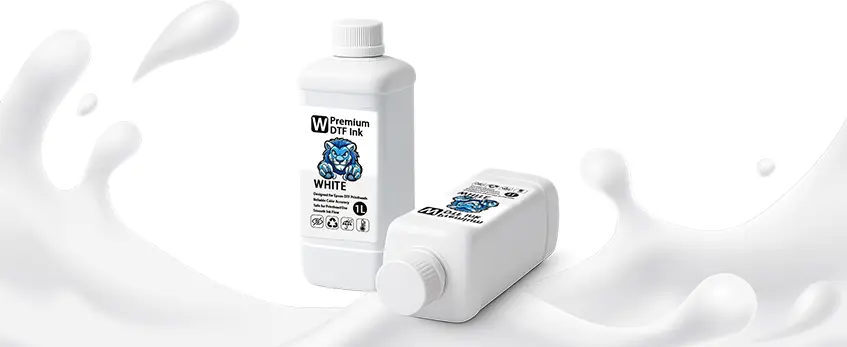
La elección de la tinta blanca adecuada para el sistema de circulación de su impresora DTF no es sólo una cuestión de color, sino de química y física que funcionen a la perfección con su equipo. He aquí las 7 especificaciones imprescindibles la tinta blanca que necesita para que su impresora funcione sin problemas ni atascos:
| Especificación | Por qué es importante | Rango/Valor ideal |
|---|---|---|
| Tamaño de las partículas de pigmento (D50) | Las partículas más pequeñas evitan la obstrucción y la sedimentación | ≤ 300 nm |
| Viscosidad | Afecta al caudal y al rendimiento del chorro | 3,5-5,5 cPs a temperatura de inyección |
| Gravedad específica y aditivos | Mantiene el pigmento TiO2 en suspensión; evita la sedimentación | Equilibrado con agentes antisedimentación |
| Estabilidad del pH | Evita la descomposición química con el paso del tiempo | 8.0-9.5 |
| Compuestos orgánicos volátiles | El bajo contenido en COV prolonga la vida útil de la bomba y reduce la evaporación | Lo más bajo posible |
| Tensión superficial | Garantiza la correcta formación de gotas y la calidad de impresión | 28-32 mN/m |
| Filtración certificada | Elimina partículas >0,2 micras para evitar daños en la bomba | Filtración <0,2 micras |
Por qué son importantes estas especificaciones
- Tamaño de las partículas (D50 ≤ 300 nm): La tinta blanca utiliza dióxido de titanio (TiO2), un pigmento propenso a la sedimentación. Las partículas demasiado grandes obstruyen rápidamente las bombas de los sistemas de circulación. Mantener el tamaño por debajo de 300 nm significa que la tinta permanece suspendida y fluye sin problemas.
- Viscosidad: Si es demasiado gruesa, la tinta no sale bien. Si es demasiado fina, la calidad de impresión disminuye. Las tintas de circulación dan en el clavo, equilibrando el rendimiento del chorro y el control de los sedimentos.
- Gravedad específica y aditivos: Esto evita que el TiO2 pesado se deposite en el fondo del depósito, un problema común con las tintas blancas normales.
- Estabilidad del pH: La tinta que se sale del intervalo de 8,0-9,5 corre el riesgo de apelmazarse y dañar la bomba con el tiempo.
- Bajo VOC: Los compuestos volátiles pueden evaporarse y atascar las piezas de la bomba, reduciendo la vida útil de la impresora.
- Tensión superficial: Controla el modo en que la tinta forma gotas y se adhiere a la película, lo que resulta crucial para obtener impresiones nítidas.
- Filtración: La filtración a nivel de micras evita que los contaminantes diminutos rayen o atasquen las delicadas bombas piezoeléctricas utilizadas en los sistemas de circulación.
Utilizar tinta blanca sin estas especificaciones es una forma rápida de arruinar su impresora. Para obtener información más detallada sobre el mantenimiento de los sistemas de circulación, consulte nuestro Guía de mantenimiento de máquinas DTF.
El coste oculto de utilizar la tinta incorrecta en las impresoras de circulación
Utilizar la tinta blanca incorrecta en un sistema de circulación no es sólo una molestia menor, sino que puede provocar problemas graves y costosos rápidamente. En casos reales, las impresoras que utilizan tinta barata o de calidad no apta para la circulación suelen atascarse en cuestión de semanas. Esto da lugar a cabezales de impresión dañados, cuya sustitución es costosa y requiere mucho tiempo. Por ejemplo, un cabezal de impresión típico de alta calidad para impresoras de circulación como la Epson i3200 puede costar más de $500, mientras que la inversión en tinta adecuada para la circulación puede suponer sólo $50-$100 más por litro por adelantado.
Más allá del precio, el tiempo de inactividad es el que más afecta a las pequeñas empresas. Incluso un solo día de impresión perdida significa menos pedidos y clientes descontentos. A lo largo de un mes, el incumplimiento de plazos y las reparaciones pueden superar fácilmente el ahorro inicial que supone comprar tinta más barata. En resumen, lo que parece una opción económica al principio acaba costando mucho más en reparaciones, piezas de repuesto y pérdida de ingresos.
Para evitarlo, merece la pena elegir tinta blanca DTF antiatascos diseñada específicamente para sistemas de circulación. Si quiere entender cómo la tinta de circulación avanzada ayuda a evitar estos costosos fallos, vea cómo funciona el sistema automático de circulación de tinta blanca de jinlong.
jinlong DTF Circulation-Series Tinta Blanca - Diseñada para no atascarse
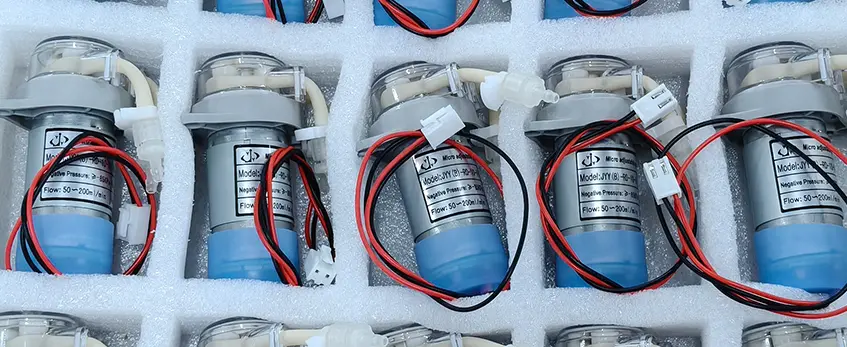
Hemos desarrollado la tinta blanca jinlong DTF Circulation-Series específicamente para impresoras con sistemas de circulación de tinta blanca. A diferencia de las tintas blancas habituales que solo agitan el pigmento, nuestra fórmula admite la recirculación completa mediante bombas piezoeléctricas, lo que evita el problema habitual de la sedimentación del pigmento TiO2 que arruina los cabezales de impresión rápidamente. Esta tinta específica para circulación mantiene las partículas uniformemente suspendidas, protegiendo su impresora de atascos y tiempos de inactividad.
He aquí una comparación rápida para mostrar cómo la tinta blanca DTF de Jinlong se compara con las tintas blancas DTF genéricas o normales:
| Especificación | Tinta de circulación jinlong DTF | Tinta blanca genérica/regular |
|---|---|---|
| Tamaño de las partículas de pigmento (D50) | ≤ 300 nm | A menudo > 500 nm |
| Velocidad de sedimentación | Casi cero después de 24 horas | Asentamiento significativo |
| Viscosidad a temperatura de chorro | 3,5-5,5 cPs | Inconsistente, a menudo superior |
| Prueba de bombeo (1000 horas) | Sin atascos, flujo suave | Atascos frecuentes, daños en la bomba |
Pruebas de laboratorio independientes respaldan estas afirmaciones. La tinta jinlong muestra un tamaño de partícula consistente, una sedimentación mínima y ha superado una rigurosa prueba de longevidad de la bomba de 1000 horas sin un solo atasco o caída en la calidad del flujo.
Si desea evitar los dolores de cabeza de los fallos de los cabezales de impresión y mantener su sistema de circulación Epson i3200 o XP600 funcionando sin problemas, la tinta blanca jinlong DTF Circulation-Series está diseñada para ello. Para aquellos que utilizan conversiones de circulación o modelos chinos específicos como Procolored y Hi-Print, esta tinta es igual de fiable.
Para obtener una experiencia de impresión perfecta en sistemas de circulación, es fundamental combinar esta tinta blanca de primera calidad con adhesivos termofusibles TPU de calidad o transferencias. Polvo adhesivo termofusible TPU DTF Serie Pro para completar la configuración.
Lista de compatibilidad probada: impresoras que funcionan a la perfección con la tinta de circulación jinlong DTF
Elegir la tinta blanca adecuada es sólo la mitad de la batalla: asegurarse de que funciona perfectamente con su impresora es igual de crucial. La tinta blanca jinlong DTF de la serie de circulación está probada y demostrada para funcionar sin problemas con una amplia gama de impresoras que dependen de sistemas de circulación de tinta blanca.
Impresoras más compatibles
- Modelos de circulación Epson i3200 e i1600: Estas son las impresoras de circulación más populares del mercado estadounidense, y la tinta DTF de Jinlong está diseñada para cumplir sus exigentes especificaciones, garantizando una calidad de impresión constante y sin atascos.
- Conversiones de circulación XP600 y DX11: Muchos talleres convierten los cabezales Epson estándar a sistemas de circulación. Nuestra tinta de grado de circulación mantiene una viscosidad estable y la suspensión de pigmentos para que estas impresoras convertidas funcionen a la perfección.
- Marcas chinas de impresoras de circulación: La tinta DTF de jinlong también funciona a la perfección con marcas populares como Procolored, Hi-Print y PUNEHOD. Estos modelos suelen requerir tinta blanca de alta opacidad y resistente a la sedimentación para evitar tiempos de inactividad.
Utilizar la tinta adecuada desde el primer día significa menos quebraderos de cabeza y una mayor vida útil de la impresora. Si desea ver cómo se compara la tinta de circulación jinlong con las opciones habituales, consulte nuestro tinta blanca jinlong DTF para profundizar en el tema.
Para quienes trabajan con impresoras en circulación, ajustar cuidadosamente la tinta ahorra tiempo y dinero, sobre todo en los entornos bajo demanda que dependen de un rendimiento constante e impecable.
Rutina de mantenimiento diaria y semanal cuando se utiliza tinta de circulación adecuada
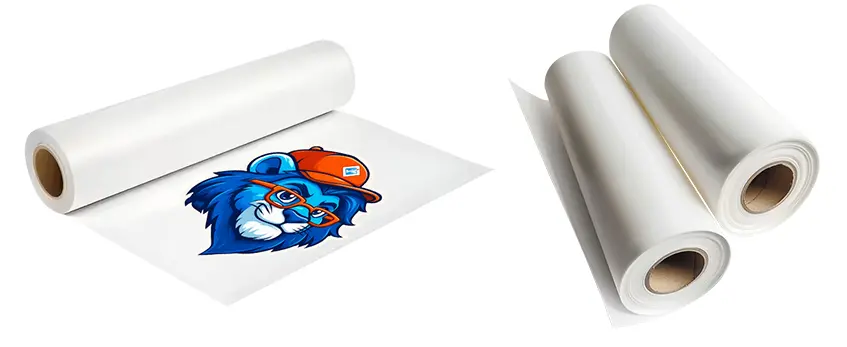
Utilizar la tinta blanca adecuada para el sistema de circulación de su impresora DTF es clave para evitar atascos y tiempos de inactividad, pero incluso la mejor tinta necesita algunos cuidados. Siga esta sencilla rutina de mantenimiento diario y semanal para que su impresora funcione sin problemas.
Lista de control diaria de 5 minutos
- Realice una comprobación rápida de la boquilla antes de imprimir para detectar a tiempo cualquier obstrucción.
- Agitar o hacer circular la tinta suavemente si su sistema lo recomienda, garantizando que el pigmento TiO2 permanezca en suspensión.
- Limpie la superficie del cabezal de impresión ligeramente con un paño que no suelte pelusa para eliminar los restos de tinta seca.
- Comprobar los niveles de tinta y la filtración para asegurarse de que no entran contaminantes en el sistema.
- Enjuague brevemente los conductos con una pequeña cantidad de solución limpiadora. si se detecta algún problema de flujo de tinta.
Consejos semanales de mantenimiento
- Realizar un lavado de circulación completo utilizando los líquidos de limpieza recomendados para eliminar cualquier acumulación de sedimentos.
- Inspeccione y limpie la bomba piezoeléctrica y los tubos para evitar la acumulación de sedimentos.
- Verificar el pH y la viscosidad si dispone de herramientas de ensayo, garantizar la estabilidad química.
- Sustituir filtros según sea necesario para evitar que las partículas inferiores a 0,2 micras dañen su bomba.
Cómo detectar los primeros signos de un uso incorrecto de la tinta
- Obstrucciones frecuentes de la boquilla o patrones de pulverización irregulares
- Acumulación inusual de sedimentos de tinta en el interior de los tubos o depósitos
- Viscosidad inesperadamente alta o capas de tinta separadas
- Cambios en el ruido de la bomba o tensión del motor
Detectar estos síntomas a tiempo puede evitarle a su impresora costosas reparaciones posteriores. Para obtener una tinta de grado de circulación aprobada por expertos que minimice estos problemas, eche un vistazo a nuestra jinlong DTF Circulation-Series Tinta blanca, especialmente formulado para resistir la sedimentación y la obstrucción.
Mantener esta rutina mantiene su sistema circulatorio sano y sus impresiones siempre nítidas.
Cómo cambiar a tinta de grado de circulación sin purgar todo el sistema
Cambiar de tinta blanca genérica a tinta de grado de circulación como jinlong DTF no significa que tenga que purgar todo el sistema de impresión. Una transición cuidadosa ayuda a evitar atascos y protege los cabezales de impresión sin desperdiciar tinta ni tiempo.
Pasos para una transición segura
Paso 1: Reduzca gradualmente el uso de tinta genérica
Empiece mezclando una pequeña cantidad de tinta jinlong de grado de circulación con su tinta actual. Esto ayuda a que el sistema se adapte sin cambios bruscos que puedan causar bloqueos.
Paso 2: Utilizar los líquidos de limpieza recomendados
Utilice periódicamente una solución de limpieza segura para la circulación para eliminar suavemente la acumulación de pigmentos. Jinlong ofrece líquidos de limpieza diseñados para trabajar con su tinta DTF, que ayudan a mantener la bomba y la salud de la boquilla.
Paso 3: Ciclos regulares de purga
Realice ciclos cortos de purga diariamente durante la transición. Esto elimina cualquier sedimento o partículas más gruesas dejadas por la tinta antigua. La purga ayuda a mantener la fluidez de la tinta y evita la formación de grumos de pigmento TiO2.
Paso 4: Controlar la viscosidad y el caudal
Vigile la viscosidad y el caudal de la tinta. Si el flujo empieza a disminuir o las impresiones de comprobación de la boquilla muestran incoherencias, ejecute de nuevo el proceso de limpieza antes de continuar.
Por qué es importante
Si se pasa directamente a la tinta de grado de circulación sin transición, se corre el riesgo de que se produzcan atascos graves, ya que las tintas normales carecen de los aditivos de dispersión y antisedimentación adecuados. Con la tinta blanca DTF de jinlong, estas medidas le garantizan las ventajas de una tinta de primera calidad resistente a la sedimentación sin tiempos de inactividad ni costes adicionales.
Para obtener más información sobre cómo mantener su impresora en perfecto estado durante los cambios de tinta, consulte nuestra guía sobre elegir la tinta DTF adecuada para una durabilidad de impresión y una vivacidad óptimas.
Siguiendo estos sencillos pasos, protegerá su impresora y disfrutará de todo el rendimiento de la tinta blanca con grado de circulación sin necesidad de purgar todo el sistema.
Preguntas frecuentes sobre la tinta DTF para sistemas de circulación de tinta blanca
¿Puedo mezclar tinta circulante con tinta blanca normal?
No, mezclar tinta blanca de circulación con tinta blanca normal es una mala idea. Las tintas de circulación están especialmente formuladas con pigmentos de tamaño fino, aditivos antisedimentación y pH estable para evitar atascos. Las tintas blancas normales suelen carecer de estas cualidades y pueden provocar la acumulación de sedimentos, lo que puede obstruir los inyectores y dañar la bomba. Si desea obtener resultados uniformes y prolongar la vida útil del cabezal de impresión, utilice siempre tintas específicas para circulación.
¿Funcionará la tinta de circulación en impresoras que no sean de circulación?
Sí, la tinta blanca de grado de circulación puede funcionar técnicamente en impresoras sin sistemas de circulación, pero no es la opción más rentable. Las tintas de circulación tienden a ser ligeramente más gruesas y tienen aditivos diseñados para un movimiento continuo, lo que podría afectar al rendimiento del chorro si la tinta permanece inmóvil durante largos periodos. Para las impresoras sin circulación, es mejor utilizar tintas formuladas para sistemas estáticos a fin de evitar cualquier problema imprevisto.
¿Cuánto dura una botella de 1 litro en un sistema de circulación?
El consumo de tinta varía según el volumen de impresión y el tipo de máquina, pero, por término medio, un bote de 1 litro de tinta blanca con circulación en un taller pequeño o mediano puede durar entre 2 y 4 semanas. Los sistemas de circulación mantienen la tinta en constante movimiento, lo que reduce los residuos y la sedimentación, haciendo que el suministro sea más eficiente que en las configuraciones sin circulación. Un mantenimiento adecuado también ayuda a maximizar el uso de la tinta.
¿Merece la pena pagar más por la tinta de circulación?
Por supuesto. Aunque la tinta blanca de grado de circulación premium cuesta más por adelantado, evita costosos tiempos de inactividad, sustituciones de cabezales de impresión y bombas obstruidas. Las tintas de calidad inferior suelen carecer de propiedades antiobstrucción, lo que provoca fallos en cuestión de semanas que pueden provocar el cierre temporal de su negocio. Invertir en tinta de circulación de calidad como la de jinlong Tinta blanca DTF de la serie de circulación ahorra dinero y molestias a lo largo del tiempo al garantizar impresiones uniformes y equipos duraderos.
Si desea obtener más información sobre cómo optimizar el rendimiento de su impresora o conocer mejor la compatibilidad de las tintas, nuestro detallado guía básica de gestión del color puede ayudarle a obtener siempre resultados coherentes y de alta calidad.



 English
 Español
 Deutsch
 Français