


DTF Printer A3 with Powder Shaker Upgrade Benefits and ROI Guide
Understanding the Hardware: Standalone A3 vs. A3 with Shaker
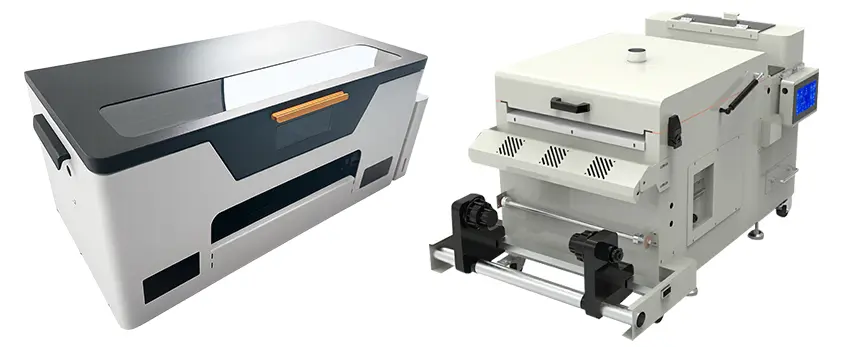
When it comes to DTF printer A3 setups, choosing between a standalone printer and one equipped with a powder shaker makes a big difference in workflow and efficiency. Let’s break down how each hardware operates in your Direct to Film production process.
Manual Workflow: Standalone A3 Printer
A standalone A3 DTF printer involves a sheet-fed printing process—meaning you manually load PET film sheets into the printer for each print job. After printing the design with white ink circulation systems and color layers, you then apply hot melt powder by hand. This manual powder application requires careful, even distribution to avoid inconsistencies. Once powdered, the sheets are placed into a curing oven or heat press by hand to cure the powder, sealing the design for durability.
While straightforward for low-volume shops or startups, this manual workflow demands constant operator presence and precise timing, limiting throughput and increasing labor intensity.
Automated Workflow: A3 Printer with Powder Shaker
Upgrading to an A3 DTF printer with an automated powder shaker transforms your workflow entirely. Instead of individual sheets, it often supports continuous roll-to-roll DTF printing, enabling longer, uninterrupted print runs. Here’s what changes:
- Automatic Powder Application: The shaker evenly coats hot melt powder over prints on the fly, producing consistent powder thickness critical for wash durability.
- Integrated Curing: Combined with a commercial heat transfer curing oven, the system automatically cures prints immediately after powdering, securing the design without manual handling.
- Set and Forget Capability: The operators can focus on other tasks as the machine handles powdering and curing seamlessly—significantly reducing downtime.
This automated process boosts production speed, lowers the chances of material waste caused by film misalignment or smudges, and minimizes labor requirements, making it ideal for higher-volume garment customization businesses.
Understanding this core difference helps businesses evaluate whether investing in a DTF printer A3 with powder shaker is the right step toward textile printing automation and improved production efficiency.
The \”Worth It\” Analysis: Key Performance Indicators
When deciding if upgrading to an A3 DTF printer with an automated powder shaker is worth it, focus on a few key performance areas that impact day-to-day operations and long-term profitability.
Production Speed & Volume
With a standalone A3 printer, you’re limited by manual powder application and curing, which slows things down significantly. The automated shaker system enables continuous roll-to-roll DTF printing, letting you handle bulk orders of 20+ units or more without constant operator intervention. This “set and forget” capability boosts throughput and lets you scale production effortlessly.
Consistency and Quality Control
Even powder distribution is critical for crisp print quality and wash durability. Manual powdering often leads to uneven application, risking poor adhesion or color inconsistencies. An automated DTF powder shaker ensures consistent powder layering and stable curing, giving each print uniform quality and better long-term wear on garments.
Labor Cost Reduction
Manual powder application and curing require a lot of hands-on time. Automated systems cut operator time dramatically, freeing up staff for other tasks. This means fewer employees are needed to manage the printing process, which reduces labor costs and streamlines workflow—especially important for small business printing equipment setups.
Material Waste Reduction
Manual workflows increase the chance of errors such as film smudges or misalignment during powdering. Automated shaker systems minimize these costly mistakes, reducing DTF consumables cost and film waste. Less material waste means better margins and a cleaner, more efficient PET film transfer workflow.
In sum, upgrading to an A3 DTF printer with an automated powder shaker meaningfully improves production speed, print consistency, and cost efficiency, making it a smart move if you’re ready to increase output and better control product quality.
For a high-quality compact option suited for small businesses, consider the reliable Jinlong JL-DTF301B A3 DTF printer designed with automation efficiency in mind.
The Realities of the Upgrade: Pros & Cons
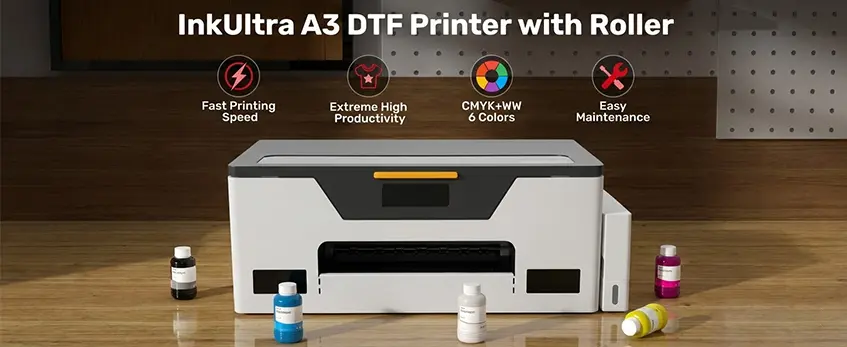
Upgrading to an A3 DTF printer with an automated powder shaker definitely improves production, but it comes with some practical considerations. Here’s what you should know about space, ventilation, and maintenance before making the leap.
Space Requirements
The A3+Shaker combo takes up more room compared to a basic desktop A3 setup. The powder shaker and the integrated curing tunnel extend the footprint. If you deal with a tight workspace, this upgrade might push you to rethink your layout.
| Feature | Desktop A3 Only | A3 + Powder Shaker Combo |
|---|---|---|
| Footprint Size | Compact (fits on desk) | Larger footprint, floor use |
| Setup Flexibility | Easy to move & rearrange | Fixed installation |
Ventilation Needs
With a larger heating tunnel, your upgraded DTF printer needs better airflow and air filtration. Proper ventilation is critical because curing and powdering can release fine particles. You’ll want to refer to specific DTF powder safety guides to set up effective air filtration systems that keep your workspace safe.
Maintenance Comparison
Maintenance gets a bit more involved with the shaker mechanism. Unlike the standalone A3 printer with manual powdering, the shaker requires regular cleaning, calibration, and occasional mechanical checks to keep powder application consistent.
| Maintenance Aspect | Standalone A3 Printer | A3 Printer with Powder Shaker |
|---|---|---|
| Cleaning Frequency | Low – Manual cleanup only | Moderate – Shaker mechanism upkeep |
| Mechanical Complexity | Simple | More moving parts to monitor |
| Downtime Risk | Lower | Slightly higher without routine care |
Balancing these factors helps you decide whether the upgrade fits your shop’s physical and operational needs. Thinking about ventilation and maintenance upfront can save headaches later. For in-depth info on managing DTF equipment upkeep, check out DTF maintenance requirements.
Calculating ROI: When Should You Upgrade?
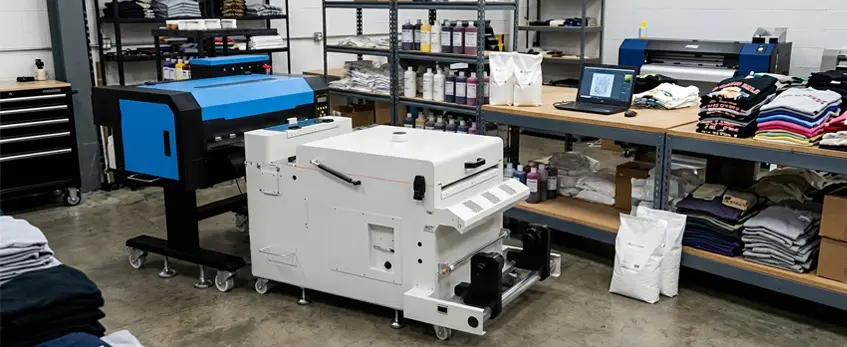
Knowing when to upgrade your DTF printer A3 setup with an automated powder shaker comes down to your production volume and cost efficiency. The key tipping point usually hits when your weekly shirt orders exceed 20–30 units. At this level, manual powdering becomes a bottleneck—it\’s time-consuming, inconsistent, and drains labor resources.
Here’s what to consider for cost recovery and ROI:
Shirt Volume Threshold: If you’re regularly printing 20+ shirts weekly, switching to a roll-to-roll DTF printing system with an automated powder shaker drastically cuts downtime. Manual powder application and curing slow the process and increase error rates; automation ensures steady output without operator fatigue.
Labor Savings: Automating powder application reduces the need for constant operator attention. This translates directly into lower labor costs, freeing up staff or enabling one operator to handle multiple machines, improving overall shop efficiency.
Material & Waste Reduction: Automated hot melt powder application minimizes film handling errors and smudges—common issues in the manual workflow that waste consumables and increase overall costs.
Cost Recovery Timeline: While the upfront investment for a DTF printer with powder shaker and integrated curing oven is higher than a standalone A3 desktop unit, increased throughput accelerates payback. For most small businesses, this can mean recouping the cost within 6 to 12 months via higher volume orders and reduced operational expenses.
Before upgrading, analyze your current throughput, labor costs, and reject rates. If manual powdering is stretching production times or causing inconsistent print quality, the upgrade to an automated solution like the Jinlong DTF printer with powder shaker is a smart move that pays off fast.
For more on how direct-to-film production efficiency impacts your business, check out this detailed guide on the DTF printer meaning and how it works.
Why Choose Jinlong DTF for Your Upgrade?
Upgrading to an automated DTF powder shaker system is a smart move, but picking the right brand makes all the difference. Here’s why Jinlong DTF stands out for your A3 printer upgrade:
Reliability You Can Count On
Jinlong printers come with robust motors and stable heating elements designed for long hours of consistent operation. This means fewer breakdowns and smoother roll-to-roll DTF printing workflows. Whether you’re printing large batches or intricate designs, the hardware holds up without compromising quality or speed.
Top-Notch Support
Handling complex equipment like an automated powder shaker and DTF curing oven requires reliable backing. Jinlong offers dedicated technical support that helps you troubleshoot issues and maintain optimal performance. This support network is a major asset for businesses transitioning to more automated, high-volume production.
The Jinlong A3 Advantage
The Jinlong A3 DTF printer with shaker combo offers:
| Feature | Benefit |
|---|---|
| Compact design | Saves valuable space in your shop |
| Energy efficiency | Lowers operational costs |
| Industry-compliant solutions | Meets US safety and performance standards |
These features make Jinlong’s solution ideal for small to mid-sized businesses looking to boost efficiency without overhauling their workspace.
Considering an upgrade? Jinlong’s lineup balances quality, support, and cost-effectiveness, making it easier to scale your direct to film production efficiently and reliably.
For a deeper dive into DTF printer specs and maintenance needs, Jinlong’s site offers comprehensive resources to help you get started.


 English
  Español
  Deutsch
  Français