
No products in the cart.

Jinlong
DTF Print Feel vs Vinyl Which Delivers Better Premium Apparel Quality
What Is DTF Printing and How Does It Work?
Ever wondered how DTF printing creates such vibrant, premium custom apparel? DTF, or Direct to Film printing, starts by printing your design directly onto a special film using water-based inks. After printing, an adhesive powder is evenly applied over the wet ink. This powder sticks to the design and is then cured in an oven to solidify the bond. Once cured, the film with the design and adhesive is heat pressed onto your garment, melting the adhesive and transferring the print.
This process makes DTF perfect for premium apparel for several reasons:
- Full-color prints: Unlike vinyl, DTF can produce vibrant, photorealistic, multi-color designs with smooth gradients and fine details.
- Versatility: Works well on cotton, polyester, blends, and even dark fabrics without compromising print quality.
- Minimal design restrictions: No need to worry about layering or color blending limits.
When it comes to premium custom apparel printing, DTF’s ability to deliver a soft, flexible, and breathable feel while maintaining durability sets it apart from traditional methods. It’s a solid choice if you want high-end fashion-quality prints that don’t feel like vinyl.
What Is Vinyl (HTV) Printing and How Does It Work?
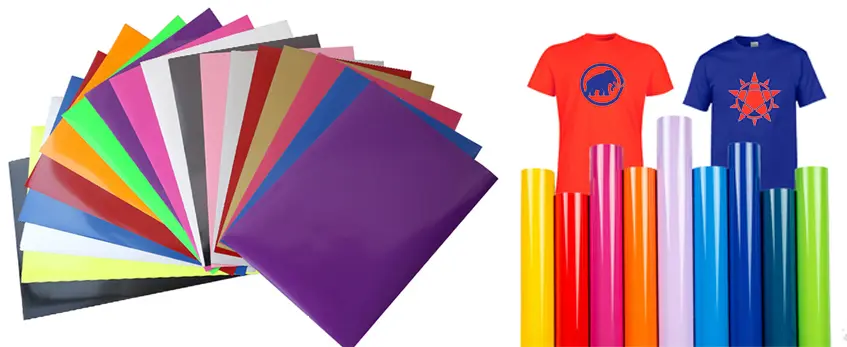
Vinyl printing, also known as Heat Transfer Vinyl (HTV), starts by cutting your design out of colored vinyl sheets. After that, the excess vinyl around the design is carefully weeded away. If your design has multiple colors, each color layer is cut and weeded separately, then stacked in the right order. Finally, the layered vinyl is heat pressed onto the apparel, allowing the vinyl to bond securely to the fabric.
HTV is great for simple, bold graphics like single-color logos, sports numbers, or text. It’s a long-established method favored for its clean, sharp lines and solid coverage. While it might lack the color range and detail of DTF, vinyl printing remains a trusted choice for straightforward designs, particularly on cotton t-shirts and plain fabrics. For more on applying heat transfers efficiently, you can check out tips on choosing the best DTF film for high-quality prints.
Head-to-Head Comparison: Feel and Comfort
When it comes to DTF print feel vs vinyl, the difference is clear, especially for premium apparel wearers.
| Feature | DTF Print Feel | Vinyl Print Texture |
|---|---|---|
| Thickness & Weight | Thin, lightweight, fabric-like | Thicker, rubbery, adds noticeable weight |
| Texture | Smooth with minimal raised areas | Raised texture, especially with layered colors |
| Stretch & Flexibility | Excellent stretch, moves with the fabric | Stiffer, less flexible, may restrict movement |
| Breathability | Breathable, softens with washing, stays flexible | Less breathable, can feel heavier over time |
| Post-Wash Softness | Becomes softer, maintains comfort after many washes | Prone to cracking, peeling, and stiffness |
From real user feedback, premium brands often praise DTF’s soft, almost “no-plastic” sensation that feels more natural for all-day wear. Unlike vinyl’s noticeable thickness and stiffness, DTF prints blend into the fabric for superior comfort.
For more details on how DTF achieves this flexible and soft hand feel, check out our complete custom t-shirt printing guide.
Durability and Longevity Comparison: DTF vs Vinyl
When it comes to how long your prints last, DTF and vinyl each have their strengths and weak spots.
| Feature | DTF Prints | Vinyl Prints |
|---|---|---|
| Wash Resistance | Lasts 50–100+ washes with minimal fading or cracking when applied properly | Resists abrasion but can peel, crack, or lift edges, especially on stretchy fabrics |
| Cracking & Peeling | Rare with quality ink, powder, and pressing technique | More common over time, especially with repeated wear and washes |
| Flexibility & Stretch | Excellent stretch and flexibility, holds up well on blends | Stiffer feel, prone to edge lifting when fabric stretches |
| Key Durability Factors | Pressing technique, fabric type, ink/powder quality (DTF ink options) | Fabric type, vinyl quality, heat application |
DTF transfers maintain their vibrant look and soft feel longer—no cracking or peeling if you use the right DTF transfer film and press carefully. Vinyl prints are great for durability against surface abrasion but can struggle, especially on stretchy or soft premium apparel where cracks and lifts become noticeable.
Overall, for premium apparel needing long-lasting, soft prints that stay fresh wash after wash, DTF offers a stronger performance edge.
Design Versatility and Premium Aesthetic
When it comes to design versatility, DTF printing really shines. It handles photorealistic images, gradients, multi-color, and very intricate designs without any issues. Since DTF prints directly on film and transfers the entire image at once, you don’t face the layering limits that vinyl has. This makes DTF perfect for premium custom apparel printing where complex, vibrant, and smooth designs are a must.
On the other hand, vinyl (HTV) works best for simple, bold, vector-based graphics like single-color logos or numbers. Its limited color blending and layering capabilities mean it can sometimes look less refined or sophisticated on premium garments. While vinyl offers that iconic raised vinyl feel, its visual appeal can sometimes fall short compared to the smooth, fabric-like finish of DTF prints.
For a modern, high-end look with superior softness and color vibrancy, DTF is often the better choice for premium fashion. If you’re curious about the full digital process that enables such design complexity, the digital DTF workflow guide dives into the steps from printing to curing and heat pressing.
Fabric Compatibility for Premium Garments
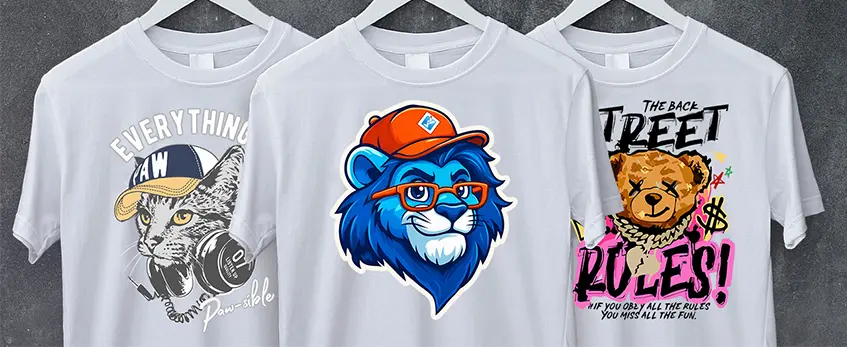
When it comes to fabric compatibility, DTF printing really shines for premium custom apparel printing. It adheres reliably to a wide range of fabrics, including cotton, polyester, blends, tri-blends, and even some synthetic materials. This versatility makes DTF an excellent choice for diverse premium lines where fabric variety is common. Whether you’re working with soft tri-blends or performance polyesters, DTF transfers maintain excellent adhesion and print quality without compromising softness or flexibility.
On the other hand, vinyl (or HTV) tends to perform best on 100% cotton fabrics. Its effectiveness drops on polyester and dark fabrics unless you use special types of heat transfer vinyl designed for those materials. Vinyl also struggles with textured fabrics, where adhesion can be inconsistent and the raised vinyl feel becomes more noticeable, impacting both look and comfort.
For brands focused on premium fashion, the fabric compatibility of DTF allows for more creativity and a broader product range, all while ensuring consistent quality. If you’re exploring options for your premium apparel line, check out the Jinlong DTF transfer film options designed to handle various fabric types seamlessly.
Production Speed, Cost, and Scalability
DTF printing shines when it comes to production speed, especially for complex, multi-color designs. Since DTF requires no cutting, weeding, or layering of colors, the process is quicker and more straightforward, making it ideal for scaling premium custom apparel orders. This efficiency also helps lower labor costs and speeds up fulfillment, which is a big win for growing brands looking to maintain quality without delays.
On the flip side, vinyl (HTV) remains a cost-effective choice for very small runs or simple, single-color designs like sports numbers or logos. However, the labor-intensive steps—cutting, weeding, and color layering—can slow down production and add costs when scaling up. Vinyl\’s setup time and manual handling make it less efficient for high-volume or intricate prints.
For premium fashion businesses aiming for both speed and quality, DTF’s ability to deliver vibrant full-color prints with flexible production makes it a smarter investment. If you\’re curious about optimizing your heat press setup for DTF or need transfer materials, check out our guide on how to choose the right auto heat press machine and explore our premium DTF transfer film options.
When to Choose Vinyl Over DTF
Vinyl printing (HTV) still holds its ground for specific uses where its unique features shine:
- Small Runs: Perfect for quick, low-quantity orders without complex color needs.
- Single-Color Sports Numbers or Logos: Ideal for bold, simple designs that need to pop.
- Raised, Textured Effects: When you want a classic, retro feel with a noticeable vinyl print texture on shirts.
| Scenario | Why Vinyl Wins |
|---|---|
| Small quantity print jobs | Less setup time and cost-effective |
| Single-color designs | Crisp edges and bold color impact |
| Retro or textured effects | Raised vinyl feel adds vintage style |
Vinyl’s distinctive stiffness and heat transfer vinyl stiffness create a tactile, durable surface that works great for designs meant to stand out physically, not just visually.
For those looking for premium softness or full color detailed prints, DTF is usually the better fit. But if you need a textured, robust single-color look or quick sports apparel customization, vinyl remains a smart choice.
When DTF Wins for Premium Apparel (jinlong DTF Recommendation)
DTF printing stands out for premium apparel thanks to its superior softness, comfort, and vibrant colors that last. Unlike vinyl, DTF transfers offer a flexible, fabric-like hand feel with no stiff or raised texture, making garments feel luxurious all day long. This softness combined with excellent durability means prints stay bright and flexible wash after wash—perfect for high-end fashion.
Premium brands prefer DTF because it delivers that “no-plastic” sensation without sacrificing design quality or longevity. For those looking to elevate their custom apparel with a premium hand feel, DTF is the clear choice.
For reliable, top-quality results, we recommend using jinlong DTF transfers. Their products are designed to maximize print softness and durability, helping you create standout pieces that customers will love. You can explore their offerings and see how an A3 DTF printer can boost your premium apparel production seamlessly.


 English
 Español
 Deutsch
 Français