
No products in the cart.

Jinlong
DTF Ink vs Laser Printer Comparison for Custom Apparel 2026
If you’re diving into custom apparel printing, choosing between DTF ink and laser printers can feel like a tough call. Both technologies promise unique benefits, but which one truly fits your budget, production volume, and design needs? Whether you’re a small business owner, print shop operator, or hobbyist, understanding the real-world differences between DTF printing vs laser printing is key to making the right investment for your apparel business in 2025. Let’s cut through the noise and help you decide which printer will deliver the best results for your custom t-shirts and merchandise.
What Is DTF Printing?
If you’re exploring DTF printing vs laser printing for custom apparel, understanding DTF (Direct to Film) printing is a great place to start. DTF printing is a modern heat transfer method that’s gaining momentum for its quality and versatility.
How DTF Printing Works
The process is straightforward but highly effective:
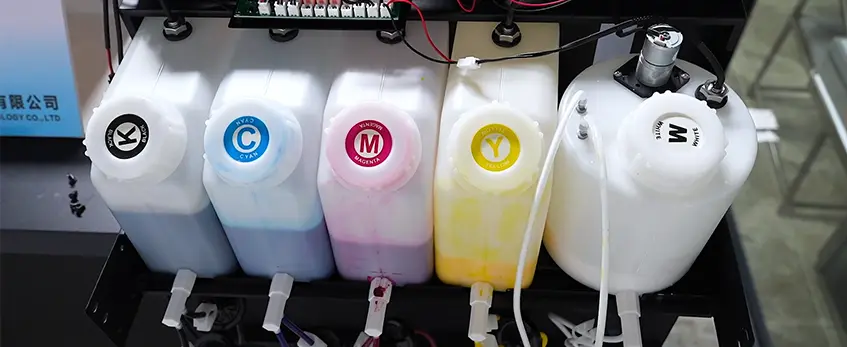
- Print on PET film – Using specialized DTF ink, the design is printed onto a clear PET film.
- Apply adhesive powder – While the ink is still wet, a fine adhesive powder is sprinkled over the printed film.
- Heat cure – The film with powder passes through a curing oven, melting the adhesive powder so it sticks to the ink.
- Transfer to fabric – Finally, the film is heat pressed onto the fabric, transferring the design with excellent detail and color vibrancy.
Key Advantages of DTF Ink Systems
What sets DTF apart from other garment printing methods, including laser transfers, is its ink system:
- Vibrant colors: DTF inks produce bright, vibrant, and eye-catching prints, perfect for full-color designs.
- White ink capability: Unlike many print methods, DTF can print strong, opaque white ink that holds up well on dark fabrics.
- Soft hand feel: Prints feel smooth and flexible on garments, avoiding the stiff or plasticky texture common with some transfers.
This combination makes DTF printing ideal if you want durable, colorful designs that maintain comfort—especially when working with various fabric colors and types.
By understanding what DTF printing offers, you’re better equipped to decide if it’s the best fit for your custom t-shirt business or creative projects.
What Is Laser Printing for Transfers?
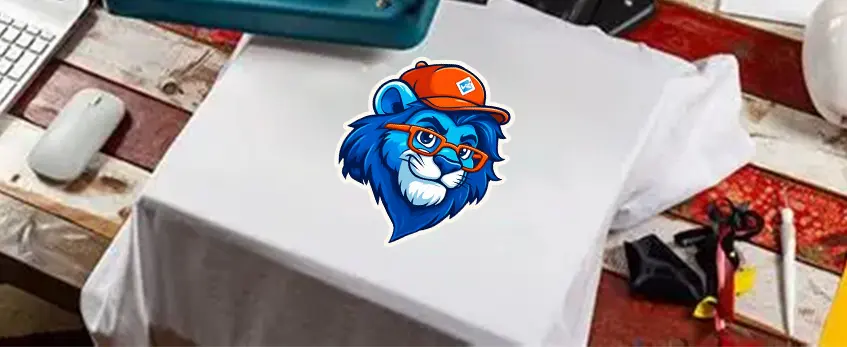
Laser printing for transfers uses toner-based printing technology to create designs you can apply to fabrics. The process typically involves printing your design onto special transfer paper using a laser printer. Then, you use a heat press to transfer the toner from the paper onto the garment.
Common types of laser transfers include toner sublimation, where the toner turns into gas and bonds with polyester fibers, and toner heat transfer vinyl (HTV), which uses a vinyl-like film pressed onto fabric. Each method works well depending on your fabric type and design complexity.
This technology is popular for crisp, durable prints and is often chosen for simpler designs or smaller production runs. However, unlike DTF printing, laser transfers usually don’t handle white ink well and can feel stiffer on garments. For more on the basics of transferring prints, check out a complete guide on DTF sticker printers for beginners, which also contrasts with laser methods.
Head-to-Head Comparison: DTF vs Laser Printers
When choosing between DTF ink or laser printers, it helps to compare key factors side by side. Here’s a quick breakdown to help you figure out which printer fits your needs best.
| Feature | DTF Printing | Laser Printing for Transfers |
|---|---|---|
| Print Quality & Color Vibrancy | Vibrant, full-color prints with smooth gradients and strong white ink capability | Good color for simple designs, but less vibrant on dark fabrics |
| Durability & Wash Resistance | Excellent, lasting 50+ washes without cracking or fading | Moderate durability; prints may fade or peel after multiple washes |
| Hand Feel on Garments | Soft and lightweight feel, almost like printing on the fabric itself | Slightly stiff or plasticky, especially on larger prints |
| Fabric Versatility | Works on cotton, polyester, blends, dark and light garments | Best on light fabrics and cotton; polyester transfers can be tricky |
| Production Speed & Volume | Mid to high volume; ideal for 50+ prints/day with quick turnaround | Faster for low volume/simple designs but slows with complex prints |
| Initial Investment & Costs | Higher upfront cost (printer, powder, PET film) but lower cost per print long term | Lower initial cost, but toner and special papers can add up |
| Maintenance & Downtime | Requires regular powder shaker and ink maintenance to avoid clogging | Generally low maintenance but toner refills and paper jams possible |
| Environmental Impact | Uses eco-friendlier water-based inks and minimal waste | Generates more waste with transfer papers and toner cartridges |
| Ease of Use for Beginners | Slight learning curve due to powder application and curing steps | More straightforward setup but limits creative flexibility |
- If you want long-lasting, vibrant prints on any fabric with a soft hand feel, DTF printing is the better path.
- For lower volume or simpler designs, especially on light cotton shirts, laser transfers might be more budget-friendly and easier to handle.
Learn more about how DTF printing works and why it’s gaining popularity among apparel printers in our detailed DTF printing overview.
Balance your choice based on volume, fabric type, and print quality needs — that’s key when deciding which is better: DTF or laser for apparel printing.
Real-World Use Cases: Which Technology Wins?
Choosing between DTF ink or laser printing comes down to your specific needs and volume. Here’s a quick rundown based on different setups:
Small Home-Based Side Hustle (Low Volume, Budget-Conscious)
- Laser printers often appeal here due to lower upfront costs and simpler operation.
- However, DTF printers offer more vibrant colors and the ability to print white ink, which laser struggles with.
- For those wanting better quality on dark fabrics without breaking the bank, entry-level DTF setups are becoming more affordable.
Mid-Size Print Shop (50–500 Prints/Day)
- DTF shines in versatility and print durability, especially for full-color, detailed designs on dark garments.
- Laser printers may handle volume and speed well, but can fall short on color vibrancy and soft hand feel.
- Shops demanding eye-catching prints often prefer DTF for its durability and rich colors.
High-Volume Commercial Production
- Laser printing still leads in fast single-color or limited-color runs, with lower maintenance downtime.
- Yet, DTF technology improvements are closing this gap and offer longer-lasting prints able to withstand 50+ wash cycles.
- Many commercial outfits are adopting Jinlong DTF printers for combining volume with quality, especially when white ink is essential.
Full-Color, Detailed Designs on Dark Fabrics
- DTF ink technology is the clear winner, delivering vibrant color range and soft feel on blacks and dark fabrics.
- Laser printing can struggle with color vibrancy and the stiffness of heat transfers on dark garments.
Simple Single-Color or Limited Designs
- Laser printing offers a cost-effective and speedy solution for basic designs, especially on light garments.
- For simplicity and speed, laser printing remains competitive, but without white ink options.
White Ink Printing Requirements
- DTF printers use white ink effectively, enabling bright, long-lasting prints on dark and colored fabrics.
- Laser printers generally lack true white ink capability, making DTF the preferred choice where white ink is a must.
If you want a detailed guide to DTF printing basics and troubleshooting, I recommend checking out this complete beginner’s guide to Direct to Film printing, which covers real-world applications and set-up options clearly.
In short, the best printer—DTF ink or laser—depends on your print volume, design complexity, fabric choice, and whether white ink or vibrancy is a priority.
Cost Breakdown: 2026 Pricing & ROI
When deciding between DTF ink or laser printers, cost plays a huge role. In 2026, the average cost of a DTF printer setup, especially models from Jinlong like their reliable A3 Double Pro series, ranges from $3,000 to $8,000 depending on size and features. This includes the printer, DTF inks, adhesive powder, and compatible transfer films. For laser printers designed for heat transfers, you’re looking at a lower entry price—around $1,000 to $3,000—but you’ll need to factor in additional expenses for toner, specialty transfer papers, and sometimes vinyl materials.
Cost Per Print Comparison
- DTF prints: Ink, powder, and PET film costs average about $0.50–$1.00 per print. The white ink used in DTF adds quality but can increase costs slightly.
- Laser transfers: Toner and transfer paper cost around $0.30–$0.70 per print, depending on the paper type and print volume.
Though laser transfers start off cheaper, DTF offers better durability and vibrant full-color prints with white ink capability, which balances out the cost over time.
Break-even & Long-term Savings
DTF printers tend to have a higher upfront investment, but they excel in long-term ROI due to:
- Lower waste thanks to recyclable transfer films and minimal reprints.
- Durability, meaning fewer customer returns or remakes.
- Efficiency for mid to high-volume production.
For small businesses, a Jinlong DTF printer setup can break even faster when producing full-color, white ink-heavy designs on dark apparel, where laser may fall short. Over time, many users find DTF more cost-effective as the quality and flexibility help boost sales and customer satisfaction.
To learn more about specific DTF transfer films compatible with Jinlong printers that help control costs and maximize print quality, check out their DTF transfer film A3 Double Pro series.
Overall, weighing DTF printer cost vs laser printer will depend on your expected print volume, design complexity, and fabric choices – but for many in 2026, DTF offers a stronger long-term value.
Common Pain Points & How Each Technology Solves Them
When choosing between DTF ink or laser printers, it\’s important to consider common printing issues and how each technology addresses them.
Cracking and Peeling Issues
Laser transfer prints tend to be thicker and can feel stiff on garments, which increases the chance of cracking and peeling over time, especially after multiple washes. DTF printing uses a special adhesive powder that melts into the fabric, resulting in a softer hand feel and much better resistance to cracking and peeling, even after 50+ washes.
Color Fading After Washing
Color durability is a frequent concern for apparel decorators. Laser toner transfers can fade faster due to their surface-level bond with the fabric. In contrast, DTF ink systems embed color pigments deeper into the fibers, which leads to more vibrant colors that hold up longer against fading during repeated wash cycles.
Difficulties Printing on Polyester
Polyester can be tricky with transfers due to its synthetic fibers. Laser transfers, particularly sublimation, are limited to polyester but require expensive polyester-only substrates. DTF printing shines here because it works well on both polyester and cotton blends without sacrificing color or adhesion, making it ideal for diverse garment choices.
White Ink Clogging Problems
White ink is crucial for prints on dark fabrics but challenging to manage. Laser printers don’t use white ink, so they rely on white transfer paper or vinyl background. DTF printers use dedicated white ink, but clogging can happen if not maintained properly. Thankfully, newer DTF ink formulations and printer models (like those from Jinlong) feature higher white ink density and reliable flow to minimize clogging issues — keeping prints sharp and production smooth.
By understanding these pain points and how DTF vs laser printers tackle them, you can better decide which technology fits your needs. For beginners looking to avoid common troubles, exploring a beginner-friendly DTF printing machine guide is a smart first step.
Is DTF the Future? Industry Trends in 2026
DTF printing is rapidly gaining ground in the garment printing world, and 2026 looks like the year it truly takes off. The market share of DTF is growing fast, mainly because it offers vibrant, long-lasting prints with excellent white ink performance—something laser printers still struggle to match on dark fabrics.
Many laser printer users are making the switch to DTF for several reasons:
- Superior durability: DTF prints can handle 50+ washes without cracking or fading.
- Better color vibrancy: The DTF ink system produces richer, more vibrant colors.
- Versatility: DTF works well on a wider range of fabrics, including polyester and blends, where laser transfers may fail.
Latest advancements in DTF ink and powder technology have made the process smoother and more reliable. For example, innovations like Jinlong’s automatic white ink circulation system help prevent clogging and keep prints consistent—addressing a major pain point laser transfer users face when dealing with white ink learn about Jinlong’s automatic white ink circulation system here.
Overall, DTF is not just a trend but appears poised to be the go-to technology in 2026 for custom apparel printing, offering businesses of all sizes a longer-lasting, more cost-effective, and versatile solution compared to traditional laser printing.
Jinlong DTF Recommendation
When it comes to choosing reliable DTF ink and printers, Jinlong DTF stands out for several reasons. Their ink systems offer high white ink density, ensuring crisp, bold whites that really pop on any garment—perfect for those detailed, full-color custom t-shirts. Plus, Jinlong’s ink boasts excellent adhesion and vibrant color durability, so your prints last wash after wash without cracking or fading.
Jinlong offers a range of DTF printer models suited for different business sizes—from small home-based setups to mid-size and high-volume commercial operations. Whether you’re just starting with DTF printing or scaling your print shop, their printers are designed for easy maintenance and consistent output, helping you maximize ROI while minimizing downtime.
Many customers have reported great success with Jinlong DTF printers, praising the smooth white ink circulation system and the overall ease of use. If you want to explore in-depth benefits and compatibility, check out the page on the top benefits of using an A3 DTF printer for on-demand printing to see why Jinlong is a favored choice in the industry.
With strong performance and positive user testimonials, Jinlong DTF is a solid recommendation for anyone comparing DTF ink vs laser printing or looking for the best printer for custom t-shirts that delivers quality and reliability.


 English
 Español
 Deutsch
 Français