


Best DTF Powder for Small Printing Businesses Durable and Affordable
Understanding DTF Powder: Basics and Why It Matters
DTF powder is a key component in the direct-to-film (DTF) printing process. It acts as an adhesive that binds the printed ink to the fabric, ensuring the design sticks well after transfer. After printing your design on the film, you apply the DTF adhesive powder, which melts during curing and creates a strong, flexible bond between the garment and the ink.
The benefits of using quality DTF powder are significant, especially for small DTF printing businesses. It offers:
- Strong adhesion that prevents peeling or cracking over time
- Vibrant, durable colors that maintain brightness after multiple washes
- Wash durability that stands up to 40+ laundry cycles without fading
- A soft hand feel, ensuring prints remain comfortable to wear
However, small businesses often face challenges with DTF powder. Common issues include clumping powder that causes uneven coverage, poor adhesion leading to shortened print life, and high cost per kilogram that can squeeze tight budgets. Understanding these basics helps you choose the right powder to balance quality and cost-effectiveness.
Types of DTF Powder: Which Suits Small-Scale Printing?

When picking the best DTF powder for small DTF printing businesses, understanding the types available helps match your needs.
TPU-based powder is the go-to choice for most small printers. It offers great elasticity and stretch, making it perfect for apparel that needs to move with the fabric. TPU DTF powder also delivers strong adhesion and a soft feel, which customers appreciate in wearable prints.
PES (polyester) and PA (polyamide) powders are alternatives. PES tends to be stiffer and better for prints needing more rigidity, while PA strikes a middle ground with better flexibility. For small operations, TPU usually covers most requirements unless specialty fabrics demand otherwise.
White vs. black DTF powder serves different purposes. White powder is typically used for light-colored garments to maintain print brightness, while black powder helps with dark fabrics, preventing color migration and ensuring the print stands out without fading or bleeding.
Particle size matters a lot for application and print quality:
Fine grain (50-100 microns) powder is ideal for intricate details, fine lines, and small text. It also provides a softer hand feel, excellent for premium cotton prints or delicate apparel.
Medium grain (100-170 microns) is the most versatile, balancing good adhesion and durability, making it a top choice for everyday small business needs and a wide range of fabrics.
Coarse grain (170-300 microns) is designed for heavy fabrics or prints needing maximum durability, like thick polyester blends or workwear, though it may feel a bit stiffer after transfer.
Choosing the right combination of material type, color, and grain size will optimize your print quality and customer satisfaction, especially in small-scale setups where batch sizes and fabric variety can vary.
For more on materials and workflow, you can check DTF vs. vinyl cost, quality, and workflow comparison.
Key Factors to Consider When Choosing DTF Powder for Small Businesses
When selecting the best DTF powder for your small printing business, there are several essential factors to keep in mind to ensure quality and efficiency.
Adhesion strength and wash resistance: Look for a DTF adhesive powder that offers strong bonding and can withstand at least 40+ wash cycles without fading or peeling. This is crucial for customer satisfaction and repeat business.
Melt point and peel type: Understanding whether the powder supports hot melt or cold peel processes can impact your workflow. Hot peel powders tend to speed up production, but cold peel offers more flexibility. Check out this detailed guide on cold peel vs. hot peel DTF film to match powder choice with your process.
Compatibility with fabrics, inks, and printers: Small businesses often use entry-level DTF printers and print various fabrics like cotton and polyester. Ensure your powder works smoothly with your chosen textile types and the inks you use, especially TPU DTF powder known for elasticity on apparel blends.
Cost per kg and bulk availability: Running a small operation means balancing budget and supply. Affordable DTF powder bulk options help reduce costs but also consider powder that minimizes waste to stretch your investment.
Ease of application and storage: Powders that apply evenly whether by manual shaking or automatic dispensers save time and reduce clumping. Proper storage to avoid humidity is vital since moisture can ruin powder quality.
Eco-friendliness and safety: Non-toxic DTF powders are better for your staff and the environment. Choosing safer adhesives that don’t emit harmful fumes helps maintain a healthy workspace.
Taking these points into account ensures you pick a durable, cost-effective, and user-friendly DTF powder tailored for small businesses aiming for vibrant, wash-resistant prints.
Top DTF Powders Reviewed for Small Printing Operations
Choosing the right DTF powder is key for small businesses aiming for durable, vibrant prints without breaking the bank. Here’s a quick comparison to help you decide:
| DTF Powder | Particle Size | Price Range | Strengths | Best Use |
|---|---|---|---|---|
| Jinlong DTF Powder | Fine / Medium | $$ | Superior adhesion, consistent melt, soft hand feel, affordable | Startups, cotton blends, everyday prints |
| Fine TPU Powder | 50-100 microns | $$$ | Great for intricate details, soft feel | Small text, delicate designs |
| Medium TPU Powder | 100-170 microns | $$ | Balanced adhesion and flexibility | General use, durable prints |
| Polyester-based Powder | Medium | $-$$ | Rigid, high durability | Heavy fabrics, outdoor use |
| PA-based Powder | Medium-Coarse | $$ | Tough, less elastic | Sportswear, heavy-use garments |
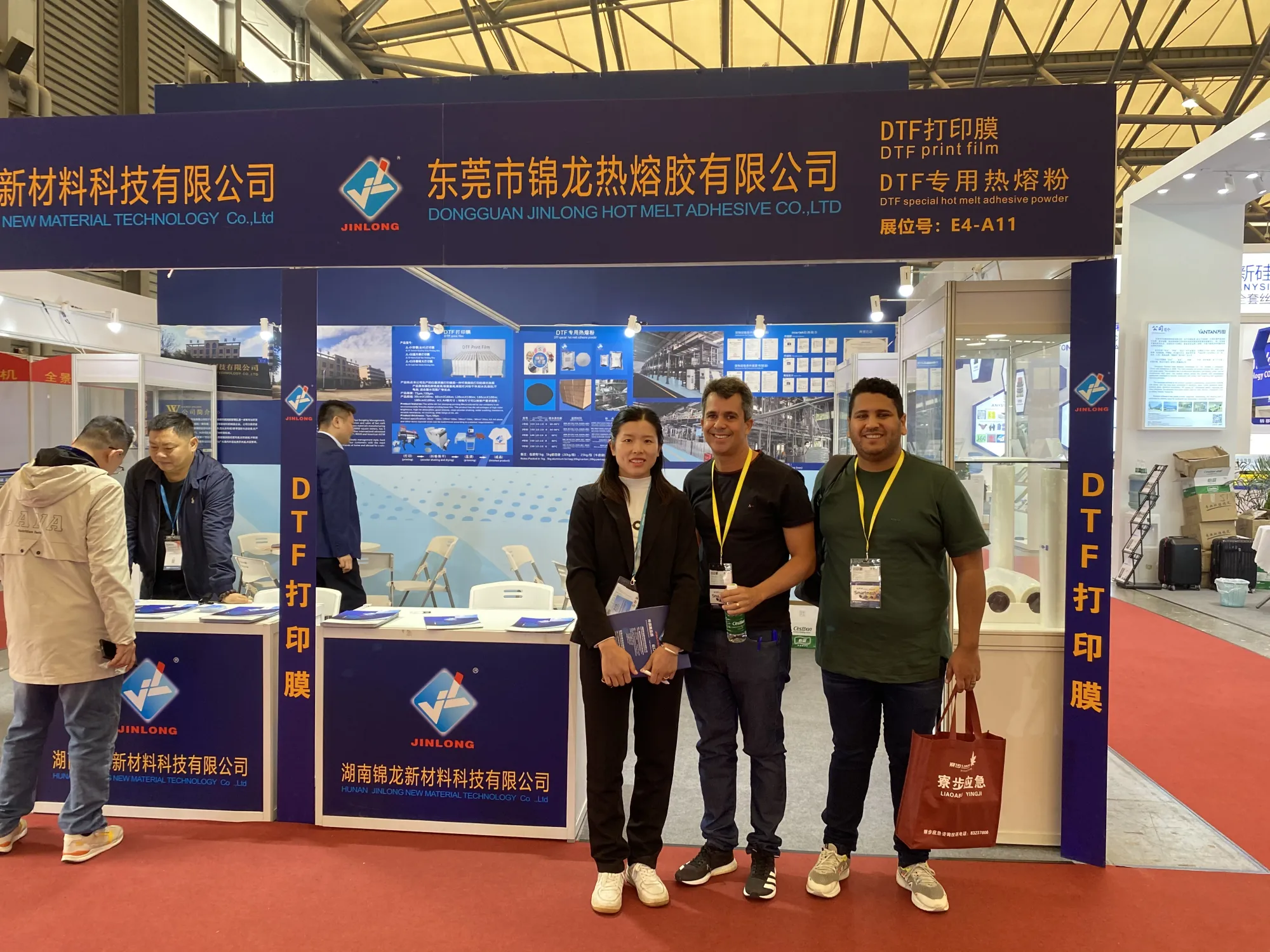
Why Jinlong Stands Out
Jinlong DTF powder is a favorite for small setups because it offers:
- Superior adhesion that lasts over 50 wash cycles
- Consistent melting for smooth application and minimal clumping
- Soft finish that keeps garments comfortable
- Affordable pricing ideal for startups and low-volume businesses
Real-User Feedback
Many small printers report that Jinlong holds up well on cotton blends and polyester, maintaining vibrancy and wash resistance after multiple washes. Compared to fine TPU, it melts evenly and reduces powder waste, making it budget-friendly without sacrificing print quality.
For those needing more fine detail, specialized fine TPU powders perform well but come at a higher cost and require careful handling. Medium powders are versatile for daily runs, offering a good mix of print durability and ease of use.
If you want to check the full range and shop for reliable powders, the Jinlong DTF transfer film double pro series pairs perfectly with their powders for consistent results.
Overall, Jinlong’s powder delivers excellent value for small DTF businesses focused on soft, durable, and vibrant prints without high overhead.
Recommended Best DTF Powder: Why jinlong DTF Stands Out
When it comes to the best DTF powder for small DTF printing businesses, jinlong DTF powder clearly stands out. It offers both fine and medium particle size options, giving you flexibility depending on your print detail needs. The powder has excellent elasticity thanks to its TPU base, which means prints stretch well on apparel without cracking or peeling. Plus, jinlong powder melts consistently with very low residue, reducing cleanup and downtime.
For small setups, jinlong performs superbly—its even coverage minimizes clumping, a common headache in small operations, and it boasts a long shelf life that suits low-volume users who don’t want to worry about waste. Affordably priced, it supports startups and small shops by delivering quality prints without breaking the bank.
Real users report that jinlong powder improves print clarity and durability, especially on cotton blends and mixed fabrics, with vibrant colors that hold up after multiple washes. If you want reliable, wash-resistant DTF powder that enhances your workflow, jinlong is a top choice. For a deeper dive into the DTF process and how powders like jinlong fit in, check out our detailed guide to DTF shirt printing.
Application Tips and Best Practices for DTF Powder
Getting your DTF powder application right makes all the difference in print quality and durability, especially for small businesses. Here’s a straightforward guide to help you nail the process every time:
Step-by-Step Powder Application
- Print the design using your chosen DTF transfer film and appropriate inks.
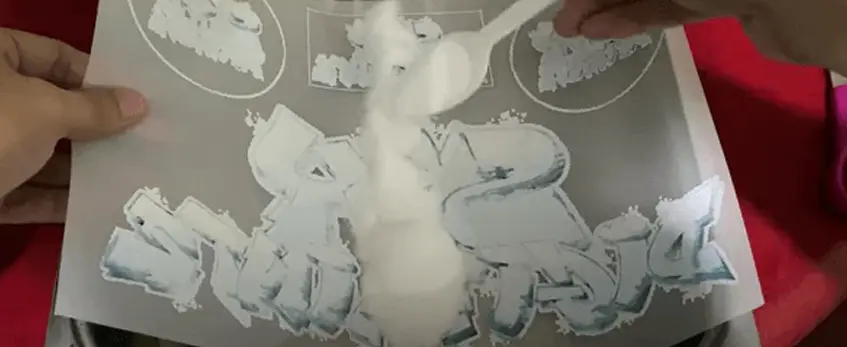
- Apply DTF adhesive powder evenly while the print is still fresh—use a manual shaker or powder dispenser for consistent coverage.
- Shake off excess powder to prevent clumping or uneven adhesive, which can affect wash resistance.
- Cure the powder immediately by melting it with a heat press or conveyor dryer at the right temperature and time—usually around 160-170°C for 15-20 seconds.
Common Mistakes to Avoid
- Over-application: Too much powder causes sticky prints and rough textures.
- Improper curing: Undercured powder leads to poor adhesion and flakes off after washing.
- Applying powder to dry prints: This results in poor bonding—always apply while inks are wet or tacky.
Maintenance and Storage Tips
- Store powder in airtight containers to avoid moisture absorption, which causes clumping and affects flow.
- Keep your workspace dry and clean to reduce contamination.
- Regularly clean your shaker tools and heat press to prevent powder residue buildup.
- Troubleshoot uneven powder application by adjusting your shaking technique or powder granule size—fine grain DTF powder works best for detailed designs, while medium powder suits most applications.
For more detailed advice on TPU-based powder benefits and how it improves durability, check out this guide on TPU powder for durable and flexible custom apparel.
Following these best practices will help keep your prints looking vibrant and wash resistant through 40+ cycles, perfect for small-scale DTF operations.
Cost Analysis and Sourcing for Small Businesses
When running a small DTF printing business, keeping costs manageable while maintaining print quality is key. DTF powder prices vary widely, but investing in a wash resistant DTF powder that sticks well and lasts through 50+ wash cycles saves money in the long run by reducing reprints and customer complaints. Consider the cost per kg alongside durability and softness—paying a bit more upfront for a soft feel DTF adhesive often means fewer issues down the line.
For sourcing, look for suppliers offering affordable DTF powder bulk options with fast shipping to keep your workflow smooth. Buying in small batches at first lets you test powders without overspending, then you can scale up with trusted suppliers supplying consistent powder quality and packaging. Reliable vendors often provide clear info on particle sizes and powder compatibility, which is crucial for avoiding clumping or poor adhesion.
Scaling tips for small businesses:
- Start with medium particle size powders which cover a wide range of apparel types
- Track ink and powder usage closely to optimize waste reduction
- Make sure to store powders correctly to extend shelf life and avoid humidity damage
- Expand your product range gradually by trying fine grain powders for detailed prints or coarse powders for heavier fabrics
- Stay connected to suppliers who understand small business needs and can assist with volume discounts or reorder reminders
Balancing cost with performance supports growth without compromising print quality. For more on powder application and storage to maximize your investment, check out our detailed complete DTF workflow guide.


 English
  Español
  Deutsch
  Français