
No products in the cart.

Jinlong
4 Head vs 2 Head DTF Printers Speed Quality Cost Comparison Guide
Understanding DTF Print Heads: The Basics
When diving into DTF printing, one of the first things you’ll encounter is the different print head setups—single, dual (2-head), and quad (4-head) configurations. Each setup affects how ink is deposited on your transfers and directly impacts your print speed and production capacity.
- Single-head DTF printers use just one print head to lay down colors and white ink. They’re generally slower and suited for very low-volume or hobbyist use.
- Dual-head (2-head) DTF printers double the ink deposition points by having two print heads working simultaneously. This setup speeds up printing and can increase color saturation and white ink density compared to single-head systems.
- Quad-head (4-head) DTF printers take it a step further with four print heads working in tandem. This boosts print speeds dramatically and offers more consistent ink coverage, especially for white ink, which is crucial for vibrant transfers.
In general, moving from 2-head to 4-head DTF printers means you get better throughput and richer prints, but it often comes with a higher upfront investment and more technical maintenance. Understanding these basics helps you weigh your options when comparing DTF printer 2 head vs 4 head configurations for your business needs.
Key Differences: Side-by-Side Comparison
When choosing between 4 head DTF printers vs. 2 head models, understanding their core differences helps you pick the right fit. Here’s a quick breakdown:
| Feature | 2 Head DTF Printers | 4 Head DTF Printers |
|---|---|---|
| Print Speed | Moderate; suits low-to-medium batches | Fast; ideal for high-volume production |
| Color Gamut | Standard color range | Broader, more vibrant multi-color output |
| White Ink Density | Good, but limited coverage | Higher density for sharper white prints |
| Purchase Cost | Lower upfront cost | Higher initial investment |
| Operating Costs | Lower power & ink consumption | Higher due to larger ink usage |
| Footprint | Compact, fits small workspaces | Larger units require more room |
| Skill Requirements | Easier to operate and maintain | Needs more skill for maintenance & tuning |
The 4 head DTF printer setup excels in speed and ink density, benefiting businesses with growing or large printing volumes. On the other hand, 2 head models provide affordability and simplicity, making them attractive for startups or shops prioritizing space and cost.
For a deeper dive into factors like ink and heat settings that affect your output, check out how DTF printer ink affects adhesion and wash resistance. This insight can also help you gauge the overall value of each setup in real-world use.
Pros and Cons of 2-Head DTF Printers
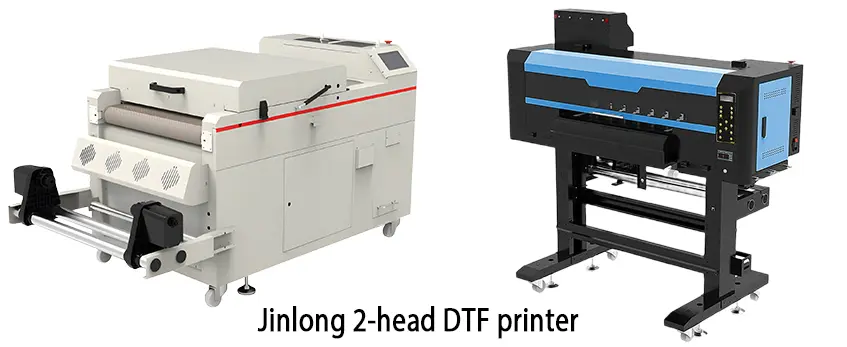
2-head DTF printers are a popular choice for those starting out or handling low-to-medium volume production. One of the biggest perks is affordability—these models usually come with a lower price tag, making them ideal for small businesses or hobbyists who want quality without breaking the bank. Their simplicity means less training time and fewer maintenance headaches, which helps keep operations smooth.
In terms of size, 2-head printers have a compact footprint, fitting easily into smaller workspaces common in home setups or small shops. They still deliver decent print quality, although there are some limitations when it comes to speed and color vibrancy compared to larger multi-head machines. For example, white ink density and multi-color gamut might not be as robust as you’d get from a 4-head model, which can affect print consistency under high-volume runs.
Overall, 2-head DTF printers strike a good balance between cost and function, especially if your production demands are manageable and you prioritize ease of use. For users looking to grow into higher volume or faster turnaround, though, weighing these limitations against potential growth is key.
For premium white ink options that complement 2-head printers, check out this detailed guide on consistent DTF white ink supplies.
Pros and Cons of 4-Head DTF Printers
4-head DTF printers are designed for serious production, offering much faster print speeds compared to 2 head models. With multiple print heads working simultaneously, they deliver high-volume output, making them ideal for businesses facing heavy demand. This setup also improves color gamut and white ink density, ensuring vibrant, consistent prints that stand out on various fabrics.
On the upside, 4-head DTF printers boost efficiency by reducing bottlenecks and increasing transfer production capacity. Their enhanced white ink circulation helps avoid clogging and maintains smooth operations during long print runs. However, these benefits come at a price: upfront costs and ongoing maintenance are significantly higher. Running a 4-head model means more complex upkeep, including regular cleaning and careful monitoring of white ink flow to prevent downtime.
In , if you’re scaling your custom apparel business and looking for high-speed, high-quality output, a 4-head DTF printer is a solid investment. But be prepared for the higher purchase price and the maintenance demands it brings. For more details on costs and options, check out this comprehensive DTF printer price breakdown and buying guide.
Speed, Quality, and Production Capacity: What Really Matters
When choosing between 4 head DTF printers and 2 head models, the real-world output often boils down to speed, print quality, and production capacity. A 4 head setup can significantly boost your print speed, meaning you can handle larger orders much faster without sacrificing consistency. This helps reduce bottlenecks when you\’re managing tight deadlines or high-volume runs.
That said, quality remains key. The multi-head configuration improves white ink density and color gamut coverage, which translates to sharper, more vibrant prints that last longer. On the other hand, 2 head DTF printers still deliver solid quality for lower volumes but may struggle when scaled up, especially in terms of speed and consistent white ink circulation—a common challenge in DTF printing.
Durability also plays a role. High-capacity production with the right maintenance ensures your prints don’t fade or crack quickly, protecting your brand’s reputation. So, whether speed or steadiness in output matters more depends on your business goals and how quickly you want to turn your investment into revenue.
For deeper insights into managing your print workflow effectively, you might find this guide on TPU powder in DTF printing helpful.
Cost Analysis: Upfront, Operating, and Long-Term ROI
When deciding between 4 head DTF printers and 2 head models, cost plays a big role. Here’s how the numbers typically break down:
Purchase Price
- 2 head DTF printers usually cost less upfront, making them ideal for startups or small businesses with limited budgets.
- 4 head DTF printers come with a higher price tag but offer speed and volume benefits that pay off if you scale quickly.
Consumables and Electricity
- More print heads mean higher ink consumption, especially white ink, which can add to ongoing costs.
- Electricity usage also increases slightly with 4 head setups due to larger print area and longer operation times, but efficiency can offset some of this cost by reducing per-piece expenses.
ROI Framework
- For low-to-medium volume runs, a 2 head DTF printer often recoups its cost faster due to lower initial investment and simpler maintenance.
- High-volume printers like 4 head models deliver faster turnaround and higher production capacity, which significantly improves ROI in growing businesses that demand speed and volume.
Financing and Value Proposition
- Financing options might make the higher cost of 4 head DTF printers manageable, especially when considering long-term growth.
- It’s important to weigh whether the increased printing speed and color gamut coverage of a 4 head model align with your business goals and volume needs.
In , carefully consider your production volume, cash flow, and growth plan before choosing. For cost-effective, quality output at smaller scale, a 2 head printer fits well. But if speed, efficiency, and high-volume capacity are your goals, investing in a 4 head DTF printer may offer better long-term value.
For those looking into consumables, high-quality DTF transfer films are a key part of keeping production costs in check without sacrificing quality.
Maintenance and Reliability Considerations

When choosing between 2 head and 4 head DTF printers, maintenance and reliability are key factors to keep in mind. One major issue with DTF printing is white ink circulation—since white ink tends to settle faster, both 2 head and 4 head printers require regular circulation systems to avoid clogging. However, 4 head DTF printers have more print heads, which means a higher chance of clogging and more time spent on cleaning routines.
Here’s what you need to know:
- White Ink Circulation: Both models need effective white ink circulation to maintain consistent print quality. 4 head printers often have more advanced circulation pumps, but the complexity increases with more heads.
- Clogging Risks: The larger print head setup on a 4 head DTF printer means more nozzles that could clog, especially if you don’t run daily maintenance.
- Cleaning Routines: 2 head models are simpler to maintain, with shorter cleaning cycles and fewer parts to service. 4 head printers require more thorough cleaning, which can increase downtime.
- Maintenance Complexity: The complexity and cost of maintenance tend to be higher for 4 head models due to more components and the need for precise calibration.
If you\’re focused on minimizing maintenance headaches and keeping reliability high, a 2 head DTF printer might be easier and more cost-effective for small to medium operations. For those running high-volume jobs, investing time and resources into regular upkeep for a 4 head model pays off in speed and output.
For beginners, there’s a helpful DTF kit for beginners that covers maintenance essentials tailored to your printer setup.
Who Should Choose a 2-Head Model?
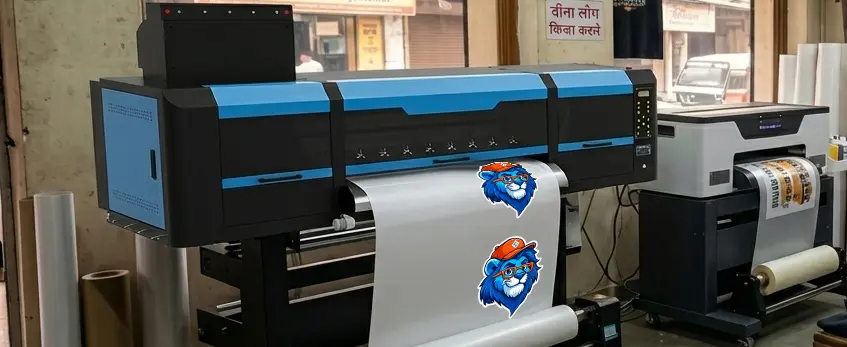
If you’re just starting out or running a small custom apparel business, a 2-head DTF printer could be the perfect fit. Here’s who benefits most from these models:
| Target Users | Volume & Budget | Space & Setup |
|---|---|---|
| Small business owners | Low-to-medium print volume | Compact footprint fits small workspaces |
| Hobbyists and startups | Lower upfront investment | Simple setup, less skill needed |
| On-demand and custom shops | Budget-friendly operation | Easy to maintain and manage |
2-head DTF printers offer affordable pricing without sacrificing decent quality—ideal if you don’t have high-volume demands yet. Their smaller size makes them great for tight spaces and limited shop floors. Plus, they’re simpler to operate, so you can focus on your designs instead of learning complex maintenance routines.
If you’re looking to test the waters or keep your costs low while serving local or niche markets, a 2-head setup will give you the speed and quality balance needed without the high costs of 4-head DTF printers.
For more on managing costs and printer choices for smaller operations, check out our detailed DTF printer A3 cost breakdown, including machine price and supplies.
Who Should Choose a 4-Head Model?
4-head DTF printers are best for businesses that need to push high-volume orders quickly without sacrificing quality. If you’re scaling up your custom apparel business or handling big rush jobs, this setup gives you the speed and consistency you need to meet tight deadlines and keep customers happy.
Ideal Users:
- Growing print shops expanding output
- Businesses with steady, high demand for custom prints
- Operations requiring faster speed-to-revenue turnaround
- Users who want enhanced white ink coverage and richer color gamut
Volume and Speed Benefits:
| Factor | 2-Head Model | 4-Head Model |
|---|---|---|
| Print Speed | Suitable for low-medium volume | Designed for high volume |
| Production Capacity | Limited | High, supports bulk jobs |
| Speed-to-Revenue | Slower turnaround | Faster fulfillment and sales |
Choosing a 4-head DTF printer means investing more upfront and in maintenance, but the payoff comes in higher throughput and better print consistency. This makes it a smart choice if you want to scale quickly or manage large orders efficiently.
If you want to maximize output while maintaining sharp detail and strong white ink density, a 4-head DTF printer is usually the way to go. For tips on managing print quality and avoiding issues like peeling or cracking, check out our guide on why incorrect DTF temperature causes peeling or cracking.
Factors Beyond Head Count: Making the Right Decision
Choosing between 2 head and 4 head DTF printers isn’t just about print speed or capacity. You also need to consider how well the printer fits your overall workflow. This means looking at software compatibility, ease of integration with your existing setup, and whether the printer supports the file types and color profiles you rely on.
Warranty and customer support are big deals too. A solid warranty and responsive tech support can save you time and money when issues pop up—especially with complex machines like 4 head DTF printers. Training resources matter as well, helping you—and your team—get up to speed quickly and maintain print quality without hassle.
Don’t forget total cost of ownership: beyond the upfront price, consider consumables, maintenance, electricity use, and potential downtime. Sometimes a lower-cost 2 head model may end up costing more per print if it slows your operation.
For a deeper dive into how your printer choice affects your whole process, check out this guide on how an A3 DTF printer can boost your custom apparel production—it covers practical workflow tips and software integration to help scale efficiently.
Picking the right DTF printer means balancing speed and quality with these broader factors to find what truly fits your business needs.
Real-World Case Studies and User Experiences
Many small businesses and growing custom apparel shops have found success using both 2-head and 4-head DTF printers—sometimes for very different reasons.
2-Head DTF Printer Success Stories
- Startups and boutique shops often choose 2-head DTF printers for their affordability and compact size. These businesses prioritize quality over speed and usually produce low to medium volumes.
- For example, a local t-shirt business in Texas grew steadily for over two years using a budget-friendly dual-head setup. The printer’s simpler maintenance and reliable white ink circulation helped keep downtime minimal.
- Many users appreciated how this setup fit neatly into their limited workspace, enabling them to launch without costly facility upgrades.
4-Head DTF Printer Success Stories
- On the other side, fast-growing shops that scaled quickly switched to 4-head models to handle large orders without bottlenecks. A Midwest custom print shop doubled their output by investing in a high-volume 4-head DTF printer, speeding up production and expanding color gamut options.
- Businesses scaling up often note the improved white ink density and speed, which helps meet tight deadlines during peak seasons. The higher upfront and maintenance costs were offset by faster ROI due to increased throughput.
- One apparel printing company in California expanded into wholesale by leveraging multi-head efficiency, supported by well-trained staff familiar with cleaning routines and system calibration.
Both setups offer real benefits, but your choice boils down to your volume needs, budget, and space. Whether you want a simple, budget-conscious 2-head model or a high-volume 4-head setup, understanding these real-world examples shines light on which fits your business best.
For more on optimizing your workflow and print quality with your chosen setup, check out our detailed DTF vs heat transfer equipment and workflow breakdown.
and Recommendation Framework
Choosing between 4 head DTF printers and 2 head DTF printers ultimately comes down to your specific business needs. Here’s a quick recap of key decision factors:
- Production volume: Go for 4 head models if you need high-speed, large-scale output; 2 head printers suit low-to-medium runs.
- Budget: 2 head setups are more affordable upfront and easier to maintain; 4 head printers have higher costs but better ROI for scaling businesses.
- Space & skill: Compact workspaces and simpler operation favor 2 head printers; 4 head machines require more room and operator expertise.
- Print quality: 4 head printers provide enhanced color gamut and denser white ink coverage, essential for premium apparel.
- Maintenance: Consider your readiness for more complex upkeep with 4 head DTF printers versus simpler maintenance on 2 head models.
Quick Decision Checklist
| Factor | 2 Head DTF Printer | 4 Head DTF Printer |
|---|---|---|
| Production Speed | Moderate, suitable for startups | High, efficient for bulk orders |
| Initial Investment | Lower | Higher |
| Operating Cost | Less | More |
| Space Requirement | Compact | Larger footprint |
| Maintenance | Easier | More involved |
| Print Quality | Good for standard needs | Superior colors and white ink |
If you’re still unsure which DTF printer fits your needs, I highly recommend requesting demos or trial runs to see each model in action. This hands-on experience can clarify how a 2 head or 4 head DTF printer impacts your workflow and output.
For more on compatible materials like TPU powders and transfer films that work seamlessly with these printers, check out our detailed TPU powder compatibility guide and browse premium-quality DTF transfer films tailored for different production scales.
Making the right choice now can set your custom apparel business up for smoother operations, balanced costs, and reliable growth.




 English
 Español
 Deutsch
 Français