


DTF Rolls vs Sheets Cost Efficiency and Workflow Guide 2026
DTF Sheets: The Entry-Level Standard
When starting with DTF PET film, sheets are the simplest choice. Standard sizes include A4, A3, and A3+, fitting most desktop DTF printers, like the popular L1800 conversions. This makes sheets perfect for hobbyists, small shops, or anyone prototyping designs before scaling up.
Who Should Use DTF Sheets?
- Hobbyists experimenting with prints
- Shops with limited workspace
- Printers running desktop DTF conversions without roll feeders
- Small batch orders or single-off prints
Pros of Using DTF Sheets
- Lower upfront investment – no need for a roll feeder or specialized hardware
- Easy handling – ideal for single prints and quick jobs
- Simple flat storage – no bulky rolls to manage
Cons to Consider
- Higher direct cost per square inch – sheets aren’t as cost-efficient for volume work
- Manual feeding — you load one sheet at a time, which slows down production
- Risk of head strikes – curled edges on sheets can cause damage to your printer heads
For businesses testing waters or printing on a small scale, DTF sheets offer accessibility without a big commitment, but when your volume grows, they quickly become a bottleneck in your print on demand workflow.
DTF Rolls: The Industrial Powerhouse

DTF rolls typically come in widths like 30cm and 60cm, with lengths that can exceed 100 meters. This format is designed for serious throughput, ideal for high-volume print shops, Print on Demand (POD) businesses, and anyone running a commercial DTF printer equipped with a powder shaker.
Pros:
- Continuous Printing: You get the true “set it and forget it” workflow, letting your printer run longer without constant reloads.
- Cost Efficiency: Over time, the lower material cost of DTF rolls means better printing profit margins compared to sheets.
- Waste Reduction: Rolls allow for tighter nesting of designs using RIP software, which minimizes dead space between prints.
Cons:
- Hardware Needs: Using rolls requires a roll feeder and compatible RIP software, making them less accessible for smaller or desktop DTF conversion setups.
- Handling: Rolls are heavier and bulkier, which can make storage and handling more cumbersome.
For shops aiming to boost their print on demand workflow or scaling production, switching to rolls can be a game changer—but it’s essential to have the right equipment in place. For a deeper look at how to optimize costs with high-quality DTF PET film options, check out our guide on reducing your DTF printing cost without sacrificing quality.
Head-to-Head Comparison: Analyzing the ROI

When it comes to DTF rolls vs. sheets, understanding the return on investment (ROI) is key for your business.
Speed and Workflow
- Sheets: Manual feeding means loading one sheet at a time, which slows down production and increases labor.
- Rolls: Continuous printing paired with an automated DTF powder shaker streamlines workflow, letting you \”set it and forget it.\” This is a game-changer for busy shops.
Cost Per Print
Switching to 60cm DTF rolls significantly cuts your cost per shirt. Here’s a rough breakdown:
| Format | Material Cost per Sq. Inch | Labor Intensity | Cost Efficiency |
|---|---|---|---|
| Sheets (A3) | Higher | High | Lower |
| Rolls (60cm) | Lower | Low | Much Higher |
With rolls, bulk buying and less waste thanks to RIP software nesting reduce expenses and help boost printing profit margins.
Design Flexibility
- Sheets limit your print size to the sheet dimensions (A4, A3, or A3+).
- Rolls offer extra-long prints, perfect for full leg designs or sleeve text that wouldn’t fit on standard sheets.
Equipment Compatibility
- Sheets work with basic setups, including desktop DTF conversion printers like the L1800.
- Rolls require a DTF roll feeder and commercial DTF printer equipped for roll handling. Without this, rolls aren’t an option.
Finding the right balance depends on your business demands—knowing these factors helps decide if the upgrade to rolls is worth it. For a detailed guide on printer sizes and their impact on print volume, check out this comparison of A3 vs A4 DTF sheets.
When to Switch: The Tipping Point

Knowing when to move from DTF sheets to DTF rolls often comes down to your weekly production volume. If you’re consistently printing more than 50 shirts a week, sheets start to feel like a bottleneck. Manual feeding slows you down, increases the risk of misfeeds, and raises the cost per print. That’s when rolls become the smarter choice for scaling your business efficiently.
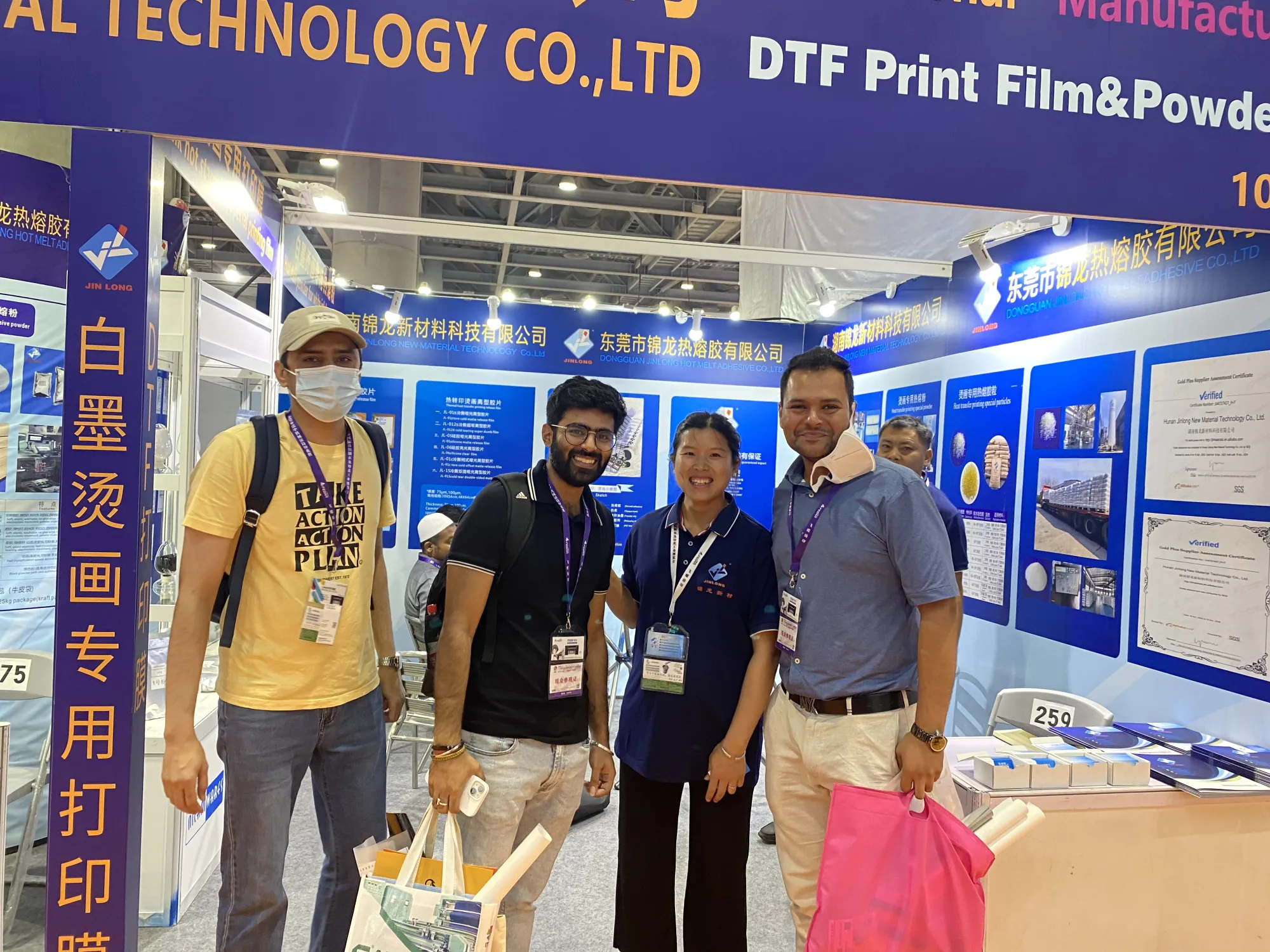
But not every shop needs to go full-roll right away. Many businesses adopt a hybrid approach, keeping Jinlong DTF rolls on hand for high-volume or bulk orders while still using sheets for quick samples, one-offs, or prototypes. This way, you get the best of both worlds—maximizing efficiency without losing flexibility. It’s a practical strategy that suits shops still working with desktop DTF conversion setups or those testing new designs before committing to large runs.
For those looking to grow their print-on-demand workflow or upgrade their equipment, exploring Jinlong’s range of high-quality DTF films and compatible supplies can make the transition easier and more reliable. You can check out their premium options, such as the best A3 DTF transfer films, designed to work seamlessly in both sheet and roll formats.
The Jinlong DTF Advantage: Quality Across Formats
No matter if you choose DTF rolls or sheets, the coating quality on the PET film is what really makes your prints stand out. Consistency matters — it ensures your prints deliver vibrant colors and lasting durability every single time. That’s why Jinlong’s DTF transfer films are designed with premium coatings that keep ink from bleeding and maintain sharp, bright images whether you’re using A3, A4 DTF sheets, or larger 60cm DTF rolls.
Jinlong films also offer anti-static properties, which means less dust and debris during printing, reducing costly head strikes—a common issue with curled films in desktop DTF conversion setups. Plus, their versatile hot peel and cold peel options let you customize your production workflow without sacrificing transfer quality or durability.
When it comes to heat transfer consumables, Jinlong’s reliable film performance helps protect your printing profit margins by minimizing waste and reprints. You can be confident that whether using standard sheets or industrial rolls, you’re getting the quality and consistency that supports both hobbyist projects and commercial print-on-demand workflows. For more on optimizing your prints with superior materials, check out Jinlong’s insights on hot melt glue powder in DTF printing.



 English
  Español
  Deutsch
  Français