
No products in the cart.

Jinlong
Why DTF Ink Transforms Custom Apparel Printing with Vibrant Durable Prints
What is DTF Printing and How Does DTF Ink Work?
If you’re wondering what makes DTF (Direct-to-Film) printing different or better for custom apparel, here’s a quick breakdown. DTF printing involves first printing your design directly onto a special film. After printing, the film is coated with a fine adhesive powder. This powder melts during heat pressing, allowing the design to firmly stick to the garment when transferred.
Now, what about the DTF ink itself? Unlike traditional inks, DTF ink is a high-pigment, water-based formula designed specifically to bond perfectly with the film and the fabric. It delivers sharp, vibrant colors that last, thanks to the ink’s ability to fuse tightly during the transfer process.
How does this compare to other methods? Take DTG (direct-to-garment) printing — it prints directly onto fabric instead of film, often needing pretreatment, and uses inks that soak into fibers. Screen printing, on the other hand, uses thicker plastisol inks applied through stencils and requires setup time for screens and colors. DTF ink stands out by combining the vibrant color clarity of screen printing with the convenience and fabric compatibility of DTG, without some of the common limitations like pretreatment or expensive setups.
In short, DTF printing with high-quality DTF ink is a flexible, sharp, and efficient way to get durable, vibrant prints onto a wide variety of garments.
Key Advantages of DTF Ink Over Traditional Methods
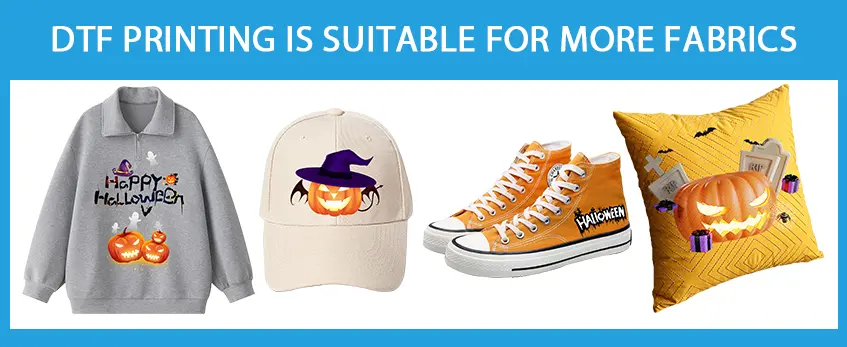
DTF ink offers unmatched versatility across fabrics. Whether you’re printing on cotton, polyester, blends, nylon, or even leather, DTF prints stick beautifully without any pretreatment needed. That means less prep time and more flexibility to handle a wide range of custom orders effortlessly.
When it comes to vibrancy and durability, DTF ink shines. Prints boast superior color fastness and can withstand over 50 wash cycles without fading or cracking. This crack-proof flexibility keeps designs looking fresh longer, making it ideal for apparel that sees regular wear.
For small batch orders, DTF ink is a cost-effective game-changer. Unlike screen printing, which requires expensive screens or plates, DTF works without extra tooling. This reduces waste and cuts upfront costs, so you can run low minimums without breaking the bank.
Speed and efficiency also set DTF apart. Setup times are significantly faster — while screen printing can take hours to prepare, DTF prints are ready in minutes. Plus, curing times are quicker and scalable for high-volume runs, all without losing print quality.
If you want to explore equipment and supplies, check out Jinlong’s DTF ink collection for premium, reliable options suited for flourishing your custom apparel business.
Why jinlong DTF Ink Stands Out in the Market
Jinlong DTF ink offers a premium formulation that’s both eco-friendly and non-toxic, making it a safe choice for US businesses focused on sustainability. This ink set includes CMYK plus white ink, essential for producing vibrant, fully opaque designs on dark fabrics—a must-have for eye-catching custom apparel.
Performance-wise, jinlong ink delivers high opacity with smooth color gradients, ensuring every print looks sharp and professional. Its clog-resistant formula keeps nozzles clean, reducing printer downtime and maintenance hassles, which is a big plus for busy print shops.
Many US-based printers praise jinlong DTF ink for its consistent quality and long-lasting results. They highlight the ink’s durability and how it stands up through dozens of washes without fading or cracking.
Additionally, jinlong ink is optimized for compatibility with Epson and other popular DTF-modified printers, making it a flexible choice whether you’re upgrading existing equipment or starting fresh. For those interested, the full range of jinlong’s CMYK and white ink options can be found on their 1-liter Pro Series DTF ink product page.
Real-World Applications and Success Stories

DTF ink is making waves across diverse custom apparel markets, proving its worth beyond theory. Custom t-shirts for events, sports teams, and merch benefit from DTF’s vibrant colors and durable prints that hold up game after game. Whether it’s a charity run or a local club, these transfers deliver sharp detail and lasting wear without breaking the bank.
E-commerce print-on-demand businesses also boost efficiency by integrating DTF for dropshipping. The ability to print on various fabrics without pretreatment streamlines production, allowing sellers to offer a broader range of products like personalized hoodies, bags, and promotional items. This adaptability helps online stores stand out with quality prints that meet customer expectations every time.
Real success stories show clear before-and-after results where DTF prints outperform traditional methods in both detail and vibrancy. From small batch custom apparel shops to niche markets, DTF’s ability to keep colors bright and designs crack-free after multiple washes has changed the way many printers approach garment decoration.
For those looking to get started, pairing premium products like the DTF transfer film with high-quality inks delivers professional-grade results that customers will love.
Overcoming Common Challenges in Custom Apparel Printing
Fading, peeling, and color bleeding are some of the biggest headaches in apparel printing. DTF ink tackles these issues head-on with its durable, flexible formulation. Prints stay vibrant and flexible even after 50+ washes, preventing cracking or peeling. The high-quality pigments bond well with both film and fabric, minimizing color bleeding on all kinds of textiles.
From a sustainability standpoint, DTF ink shines by using less water and emitting fewer volatile organic compounds (VOCs) than traditional screen printing or direct-to-garment (DTG) methods. This lowers environmental impact while keeping your production eco-friendly—a big plus for US businesses aiming for greener operations.
For the best results, follow these simple tips:
- Store ink properly: Keep your DTF ink sealed and in a cool, dark place to maintain pigment quality.
- Maintain your printer: Regularly clean nozzles to avoid clogs and ensure smooth ink flow.
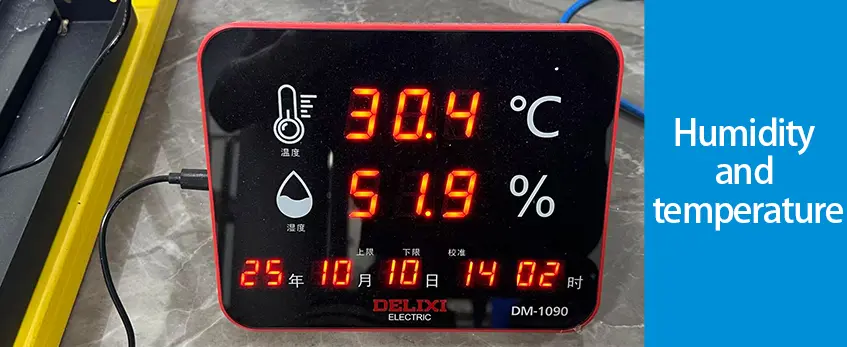
- Master heat curing: Use the right temperature and pressure when heat pressing transfers—this locks in colors and improves durability without damaging fabrics.
By handling these factors, you’ll get vibrant, long-lasting prints that satisfy customers and keep your production efficient.
Getting Started with DTF Ink: A Practical Guide
Starting with DTF ink for custom apparel printing is easier than you might think, especially with the right gear. The basics include a reliable DTF printer, heat transfer films, adhesive powders, and a good heat press. For small businesses looking to hit the ground running, jinlong offers specialized products tailored for smooth setup and outstanding results.
If you’re new to this, begin with a user-friendly model like the JL DTF301B A3 DTF printer designed for small businesses. Pair it with jinlong’s high-quality pigment inks and adhesive powders to make your prints pop with vibrant colors and durability.
Here’s a simple setup outline:
- Print your design on the heat transfer film using jinlong’s DTF ink.
- Apply the adhesive powder evenly on the wet print.
- Cure the powder with a heat press or drying oven.
- Press the transfer onto your garment at the correct temperature and time for a permanent bond.
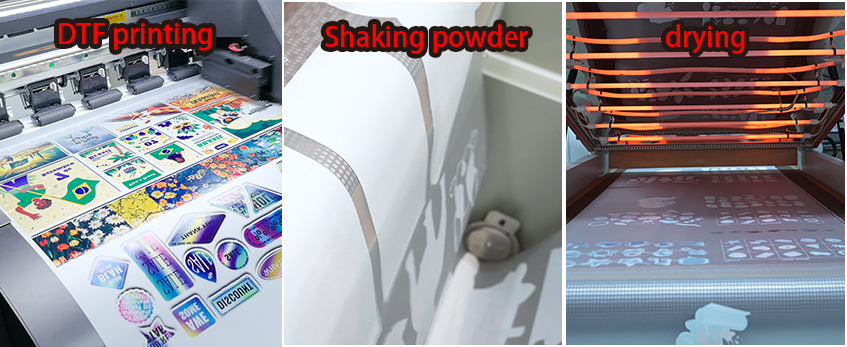
Investment-wise, DTF offers a great long-term ROI for US small businesses. While initial costs cover equipment and supplies, the lack of screens or pretreatment lowers setup time and ongoing expenses. This means you can respond faster to orders with less upfront risk.
For continued success, jinlong supports buyers with expert guidance and quality products. You can explore detailed workflows and get supplier support through resources like jinlong’s full DTF printing workflow guide, helping you keep your apparel production running smoothly and profitably.


 English
 Español
 Deutsch
 Français