


Order Shirt Transfers for DTF Printing Tips Quality Durability and Price
If you’re looking to order shirt transfers for DTF printing, you’ve probably realized that not all transfers are created equal. Whether you’re a small business owner or a custom apparel enthusiast, picking the right DTF transfer supplier can make or break your final product’s quality. From print vibrancy and durability to turnaround time, knowing what to look for saves you time, money, and frustration. In this guide, you’ll discover exactly how to choose ready-to-press DTF transfers that deliver consistent, vibrant results—without the need for expensive equipment. Let’s get you set up with transfers that truly stand out.
Understanding DTF Transfers Basics
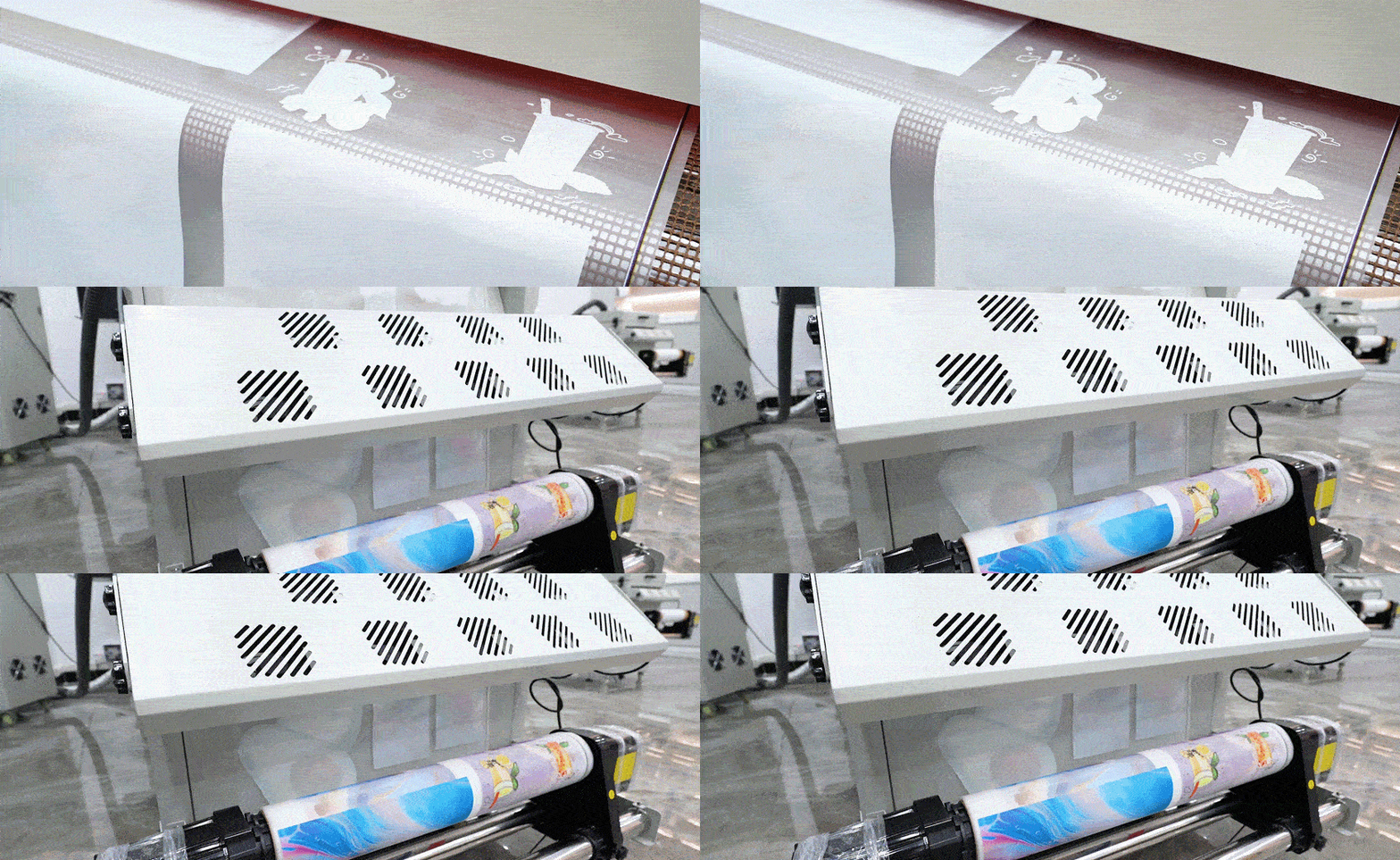

If you’re new to ordering shirt transfers, it helps to understand how direct to film (DTF) printing works before diving in. DTF transfers use a unique process involving a few key components: a special DTF film, vibrant inks, a layer of adhesive powder, and heat during application.
Here’s the simple breakdown: your design is printed onto a thin polyester film using DTF inks. Then, a fine powder adhesive is applied to the wet print. After curing, this turns the design into a ready to press DTF print. When you heat press it onto fabric like shirts or hoodies, the powder melts and bonds the design permanently to the garment.
Compared to traditional screen printing, direct to garment (DTG) printing, or vinyl heat transfers, DTF has some big advantages:
- Works on almost any fabric, including cotton, polyester, and blends
- Handles detailed, complex designs, including sharp texts and gradients
- Offers vibrant colors that stay bright after multiple washes
- Leaves a soft feel on the shirt rather than a thick, vinyl-like texture
That’s why DTF transfers are fast becoming the go-to choice for customizing t-shirts, hoodies, and other apparel with high-quality, durable prints. Whether you want a single custom shirt or wholesale DTF transfers for your business, understanding these basics helps you make smart choices and get the best print quality every time.
Key Factors to Evaluate When Ordering DTF Transfers
When you order shirt transfers for DTF printing, several factors make a big difference in the final look and feel. Here’s what to keep in mind:
Print Quality and Vibrancy
Look for transfers that deliver sharp details, accurate colors, and vibrant hues with opaque whites. This is crucial when your design includes gradients, photos, or fine text. High-quality inks and precise printing ensure the colors pop and your design stays true to the artwork.
Durability and Wash Performance
Good DTF transfers should last through at least 50+ wash cycles without cracking or fading. Stretchability is also important—your transfers should move with the fabric and keep a soft hand feel after printing, making the apparel comfortable to wear.
Film and Material Quality
Opt for premium PET film options, knowing the difference between hot peel and cold peel types based on your workflow. The quality of the adhesive powder is key for a strong bond, whether you\’re printing on 100% cotton, polyester, or blends. Using top-grade powders like those described in the TPU DTF hot melt adhesive powder pro series can improve adhesion and durability.
Turnaround Time and Shipping
Fast production matters—check if your supplier offers same-day or next-day production. Also, reliable packaging is critical to avoid damage during transit, ensuring your custom DTF transfers arrive ready to press.
Evaluating these factors upfront helps you get the best value and quality in your direct to film transfers, setting the stage for standout apparel customization.
Pricing and Order Flexibility
When ordering shirt transfers for DTF printing, understanding the pricing structure is key. Most suppliers price transfers based on size, usually calculated per square inch, making it easy to estimate costs for both small and large designs. You’ll often see options between single transfers and DTF gang sheets, where multiple designs are combined on one sheet to save money and reduce waste.
Many top providers offer no minimum orders, so whether you need one shirt or a hundred, you won’t be forced into bulk minimums. Plus, bulk discounts typically kick in as your order grows, helping lower your cost per transfer. Look out for free shipping thresholds too, which can make larger wholesale DTF transfers even more affordable.
If you’re aiming to scale your custom shirt business or just want a few vibrant DTF prints, flexible pricing and order options ensure you get exactly what you need without overspending. For competitive pricing paired with quality, it’s worth checking suppliers who keep their costs transparent and offer clear breakdowns on pricing based on transfer size and order quantity.
Artwork Preparation and Submission Guidelines
When ordering custom DTF transfers, getting your artwork ready is key to vibrant, sharp prints. Always submit files in high resolution—300 DPI is the sweet spot—to ensure clear details and crisp edges. PNG format with a transparent background works best, as it avoids unwanted white boxes and helps your design blend seamlessly on different shirt colors.
Keep your designs clean by avoiding drop shadows or translucency effects. These can cause unpredictable results in DTF printing, especially with the ink and adhesive powder layers. Instead, stick to solid colors and well-defined shapes for the best print quality.
If you’re ordering multiple designs at once, using gang sheet builders can save you time and money. These tools let you arrange several smaller designs on one larger sheet, reducing material waste and lowering cost per print.
For more on film types and how the DTF printing process works, check out this detailed guide to DTF transfer film. Proper preparation here will set you up for durable, vibrant DTF prints that last.
Choosing a Reliable DTF Transfer Provider
Picking the right DTF transfer supplier is key to getting vibrant, durable prints that last. Top providers stand out by using premium materials like jinlong DTF inks, known for sharp colors and strong adhesion. These superior inks help create custom DTF transfers with consistent quality and excellent wash durability.
Look for suppliers with solid customer reviews, clear guarantees, and fair reprint policies—these show confidence in their products and service. Avoid red flags like inconsistent print quality, hidden fees, or poor communication. Reliable providers make ordering straightforward, with transparent pricing and helpful support to ensure your shirts come out perfect every time.
Choosing a trusted supplier means smoother orders and better results, especially when you want premium, ready-to-press DTF prints with vibrant colors and strong wash performance.
For a deep dive into what makes premium DTF inks stand out, check out this detailed guide on jinlong DTF ink quality and benefits.
Step-by-Step Guide to Ordering DTF Transfers
Ordering custom DTF transfers is straightforward once you know the process. Here’s how to get your ready-to-press DTF prints with ease:
1. Prepare Your Design
Start with artwork that meets DTF artwork requirements: a high-resolution (300 DPI) PNG file with a transparent background works best. Avoid effects like drop shadows or translucency that can cause print issues.
2. Select Size, Quantity, and Options
Choose the right size for your shirt transfers and decide how many you need. Many providers offer gang sheets, which combine multiple designs efficiently and save on costs. Look for options on hot peel or cold peel DTF film depending on your preferences.
3. Upload and Preview
Upload your design to the supplier’s platform. Use live previews if available to double-check placement, colors, and details before finalizing. This helps ensure vibrant DTF colors and sharp prints.
4. Checkout and Tracking
Complete your order and opt for any shipping upgrades if needed. Reliable suppliers provide easy tracking so you know when your durable DTF prints will arrive.
Following these steps keeps your DTF printing quality high and the ordering process hassle-free. For deeper pricing insights and how to maximize profits on printed products, check out pricing guides from trusted sources like Jinlong Prints.
Application Tips for Best Results on Shirts
Getting vibrant, durable DTF prints starts with applying your transfers correctly. Here are the key tips to ensure your heat transfer for shirts looks professional and lasts long:
Heat Press Settings: Set your heat press between 320°F to 350°F (160°C to 177°C). Press for about 15-20 seconds with medium to firm pressure. These settings work well for most fabrics like cotton, polyester, and blends.
Peeling Techniques: Use the right peeling method depending on your film type:
- Hot Peel DTF Film: Peel the transfer while still warm for a smooth finish.
- Cold Peel DTF Film: Allow the transfer to cool completely before peeling to avoid print damage.
Second Press: For extra durability, do a quick second press (5-10 seconds) after peeling. Cover the print with a non-stick sheet or parchment paper to protect it.
Care Instructions: To keep your custom DTF transfers looking fresh:
- Wash garments inside out on gentle cycles with cold water.
- Avoid bleach and fabric softeners.
- Tumble dry low or air dry.
- Avoid ironing directly on the print.
Following these application tips will help you get the best out of your ready to press DTF prints and enjoy durable DTF prints that hold up wash after wash. For more on perfecting your prints, check out how choosing the right TPU powder can boost your DTF printing quality.
Common Mistakes to Avoid When Ordering DTF Shirt Transfers
Ordering custom DTF transfers might seem straightforward, but avoiding a few common pitfalls can save you time and money.
Low-resolution artwork: Using images below 300 DPI leads to blurry or pixelated prints. Always submit high-res files like PNGs with transparent backgrounds to ensure sharp, vibrant DTF printing quality.
Ignoring fabric compatibility: Not all DTF transfers stick well to every fabric. Check if your provider’s transfers work on cotton, polyester, or blends before ordering to avoid peeling or poor adhesion.
Overlooking provider reviews: Skipping research on DTF transfer suppliers can result in inconsistent quality or hidden fees. Look for trusted sources with solid customer feedback, clear guarantees, and fair reprint policies.
By steering clear of these mistakes, your ready-to-press DTF prints will look great and last longer. For tips on proper artwork preparation, you can also explore the recommended file formats and guidelines to get the best results.


 English
  Español
  Deutsch
  Français