
No products in the cart.

Jinlong
How to Order Shirt Transfers Online A Beginner’s Complete Guide
Introduction to Shirt Transfers
If you’ve ever wondered how to order shirt transfers or why so many people are turning to custom heat transfers online, you’re in the right place. Shirt transfers are a simple, affordable way to create personalized apparel without needing expensive equipment or experience.
What Are Shirt Transfers?
Shirt transfers are designs printed on special transfer paper or film that you apply to a shirt using heat. They let you turn plain tees into vibrant, professional-looking custom apparel in minutes. Whether it’s for a business, event, or your own style, transfers make customization easy.
Why Shirt Transfers Are So Popular
For beginners especially, shirt transfers offer big benefits:
| Benefits | Details |
|---|---|
| Easy application | Just heat press or iron on – no complex tech needed. |
| No expensive setup | No big machines or costly equipment required. |
| Vibrant, durable results | Bright, full-color prints that last through washes. |
| Affordable for all sizes | Great for one-off projects or small runs without minimum orders. |
Overview of the Process
Ordering and using shirt transfers is straightforward:
- Design your artwork — Use tools like Canva or Photoshop.
- Upload and order your custom DTF sheets online.
- Receive transfers ready to apply at home or your shop.
- Apply with heat press or iron following simple steps.
- Wear and enjoy your unique, durable custom shirt.
If you’re new to custom printing, understanding DTF transfers for beginners is an excellent place to start—they’re versatile and beginner-friendly. Later, I’ll also share why ordering from providers like jinlong DTF can make this process even smoother with top-quality, ready-to-press transfers delivered fast.
Ready to take your first step in custom t-shirt printing? Let’s get started!
Understanding Different Types of Shirt Transfers
When it comes to custom heat transfers online, knowing the types available will help you pick the best fit. Here’s a quick rundown:
| Transfer Type | Best For | Pros | Cons |
|---|---|---|---|
| DTF (Direct to Film) | Full-color, detailed prints on any fabric (cotton, polyester, blends, dark/light colors) | Durable, vibrant colors, no minimum orders, works on various fabrics | Requires heat press for best results |
| Heat Transfer Vinyl (HTV) | Simple designs, letters, and numbers | Easy to weed and apply, low cost for basic prints | Limited to fewer colors and details |
| Screen Printed Transfers | Bulk orders with consistent color | Cost-effective at scale, great color opacity | Higher minimum quantities, longer wait |
| Sublimation Transfers | Full-color prints on polyester or polyester blends only | Vibrant and soft feel, no peeling | Limited to light-colored polyester fabrics |
For beginners, DTF transfers stand out as the top choice. They offer full-color, durable custom apparel prints without the hassle of high minimums or fabric restrictions. Plus, DTF transfers for beginners are easy to order and apply at home, making them perfect for starting your custom t-shirt printing journey.
If you’re exploring where to get quality DTF transfer film, consider providers that offer ready-to-press transfers and gang sheet DTF ordering options for better savings and flexibility. For example, quality DTF transfer film like the single basic series DTF transfer film can streamline your process with vibrant and long-lasting prints.
Why Choose DTF Transfers as a Beginner
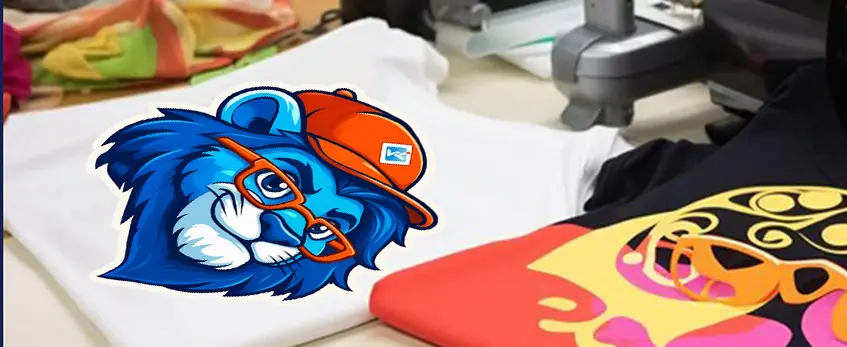
DTF transfers are a top pick for beginners because they’re versatile, affordable, and durable. Whether you’re printing on cotton, polyester, blends, or even dark and light-colored shirts, DTF works smoothly without losing quality.
Here’s why DTF transfers stand out:
| Feature | Benefit for Beginners |
|---|---|
| Fabric Compatibility | Works on cotton, polyester, blends, dark & light colors |
| Order Flexibility | No minimum order required—print as few or as many as you want |
| Cost | Affordable pricing perfect for small projects and startups |
| Durability | Lasts 50+ washes without cracking or fading |
| Ease of Purchase | Quick turnaround with easy online ordering options |
With these advantages, DTF transfers provide professional-quality prints without the extra hassle or cost, making them ideal for anyone new to custom apparel printing.
For premium-quality DTF sheets and fast delivery, consider ordering from providers like jinlong DTF transfer film, who specialize in ready-to-press transfers perfect for beginners.
Preparing Your Design for Ordering
Before you order shirt transfers, it’s important to get your design ready the right way. Whether you’re creating artwork from scratch or sourcing it online, tools like Canva and Photoshop are simple options to help you design or tweak your image.
Here are the key file requirements to keep in mind:
- Use a high-resolution PNG file with a transparent background
- Ensure the resolution is at least 300 DPI for crisp, clear prints
- Stick to standard sizing and placements like full front, left chest, or sleeve to fit well on your shirts
Avoid common mistakes that beginners might make, such as uploading low-resolution files that blur when printed, or using incorrect colors that don’t match your design vision. Keeping these details sharp saves you from costly reprints and delays when you order custom DTF sheets.
For more tips on preparing your artwork and choosing the right transfer film, check out the best transparent t-shirt transfer paper buying guide. This helps you ensure your design will look vibrant and professional once applied.
Step-by-Step Guide to Ordering Shirt Transfers Online
Ordering shirt transfers online is easier than you might think, especially when you know what to look for. Start by choosing a reputable provider—check for high-quality prints, fast shipping, and positive customer reviews. These factors ensure you get reliable, vibrant transfers without delays.
Next, upload your design file. Make sure you follow the provider’s file requirements, usually a high-resolution PNG with a transparent background. Then select your transfer options: size, quantity, and whether you want gang sheets. Gang sheets let you combine multiple designs on one sheet, saving you money on each order.
Pricing varies based on size and quantity. To keep costs down, order in bulk or use gang sheets whenever possible. During checkout, provide accurate shipping details and payment info. After placing your order, you’ll get tracking details so you can monitor your transfers until they arrive.
For beginners looking for premium quality and quick turnaround, I recommend ordering from jinlong DTF. They offer affordable prices, professional-grade DTF transfers, and excellent customer support—making them one of the best DTF transfer providers in the U.S.
If you want a deeper dive on how DTF printing works—and why it’s perfect for custom heat transfers online—check out this detailed guide to DTF printing on shirts. It’s a great resource to help you get the best results.
What to Expect When Your Transfers Arrive
When your shirt transfers arrive, expect them well-packaged to protect the print’s quality. Most reliable providers ship transfers in sturdy envelopes or boxes with a stiff backing to prevent bending or creases.
Packaging & Inspection Tips
- Check for damage: Inspect sheets for wrinkles, cracks, or color issues before starting your project.
- Verify the design: Make sure the print matches your original file and size specs.
- Count your order: Confirm the quantity (single sheets vs. gang sheets) matches what you ordered.
Storage Advice
Proper storage is key to keeping your custom heat transfers fresh and vibrant:
- Store sheets flat in a cool, dry place away from sunlight.
- Avoid folding or rolling single sheets, as this can cause permanent creases.
- Use airtight bags for longer storage to protect against dust and moisture.
Single Sheets vs. Gang Sheets vs. Rolls
| Transfer Type | Description | Best For | Handling Tips |
|---|---|---|---|
| Single Sheets | One design per sheet, cut to size | Small orders, simple projects | Handle gently to avoid bending |
| Gang Sheets | Multiple designs arranged on one sheet | Bulk orders, multiple small designs | Cut designs carefully; saves money |
| Rolls | Continuous length of DTF film | Large-scale production | Requires roll feeder; needs careful storage |
If you\’re ordering ready-to-press transfers like DTF, understanding these options helps you pick the best fit. For beginners, starting with single sheets or gang sheets is often easiest.
For more on the types and uses of film transfer paper, check out this detailed guide to film transfer paper explained, types, uses, and best applications.
Essential Tools for Applying Shirt Transfers

When you\’re ready to apply your shirt transfers, having the right tools makes all the difference—especially for beginners. Here’s what you need:
Heat Press vs. Household Iron
- Heat Press: The best choice for professional-looking results. It provides even pressure and temperature, making your apply DTF transfers at home experience much easier and more consistent.
- Household Iron: A budget-friendly option, but less reliable. It can work for simple projects but requires careful attention to heat and pressure to avoid uneven prints or scorching.
Must-Have Accessories
- Parchment Paper or Teflon Sheets: These protect your transfer and garment during pressing. Using a Teflon sheet from a trusted supplier or parchment paper ensures smooth heat application without sticking.
- Lint Roller: Removing lint and dust from your shirt before pressing is crucial to avoid imperfections in your custom heat transfers online.
Budget-Friendly Setup Tips
- Start with a small heat press designed for beginners to keep costs down.
- Use gang sheet DTF ordering to save money on transfers.
- Look for transfer providers who include protective sheets to simplify your setup.
Choosing the right tools will help you get vibrant, durable results every time you order shirt transfers and apply them yourself. For a detailed look at what makes top DTF prints stand out, check out this guide on DTF ink and print quality.
How to Apply DTF Transfers to Shirts
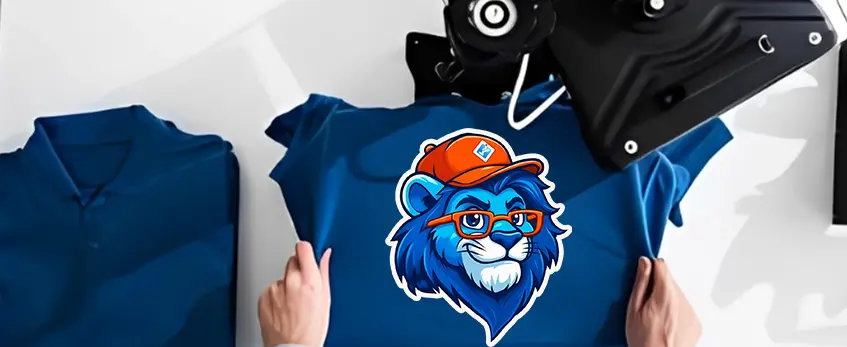
Applying DTF transfers at home is simple once you know the right steps. Start by pre-pressing the garment for 5–10 seconds to remove moisture and wrinkles. This helps the transfer stick better and ensures a smooth finish.
Next, set your heat press to the right settings: usually around 320°F (160°C), medium pressure, and 15 seconds is a good starting point. These settings may vary slightly depending on the transfer provider, so always check their recommendations.
When it’s time to peel the transfer, most DTF prints allow for hot or cold peeling. Hot peel means removing the film immediately after pressing; cold peel means waiting a few minutes. For beginners, cold peeling reduces mistakes and helps avoid damage.
If you want a more durable print, do a second press for 5 seconds using a Teflon sheet or parchment paper on top. This seals the design and improves wash durability.
Alignment and Common Tips
- Use a ruler or heat press jig for perfect placement.
- Avoid shifting the shirt during pressing — keep it flat and taut.
- Don’t press for too long or at too high a temperature to prevent scorching.
- Always use a lint roller before pressing to remove loose fibers.
With these basics, you can get professional-quality custom heat transfers online or at home with ease! For more tips on optimizing your workflow, check out this guide on DTF printing workflow optimization.
Troubleshooting Common Issues with Shirt Transfers
Even with the best DTF transfers for beginners, you might run into a few hiccups like fading, cracking, or poor adhesion. Here’s how to fix these common problems:
- Fading or cracking: This usually happens if the heat press settings (temperature, time, pressure) are off or if the shirt isn’t washed properly. Double-check your heat press instructions and avoid washing shirts in hot water or drying on high heat.
- Poor adhesion: Make sure you pre-press the garment before applying the transfer to remove moisture and wrinkles. If the transfer peels off easily, try increasing the pressure or extending the pressing time by a few seconds.
- Misaligned prints: Use heat-resistant tape to hold the transfer in place before pressing. If a print is off-center or crooked, re-align carefully before applying the second press.
- Scorch marks: Prevent scorching by always using a protective sheet like parchment paper or a Teflon sheet between the heat press and your transfer. Adjust the temperature if you notice discoloration.
If you follow these tips and still face issues, it might be time to contact your provider for reprints or advice. Reliable suppliers like those offering premium DTF transfer film also provide support to help you get flawless results every time.
Caring for Your Custom Shirts
To keep your custom heat transfers looking vibrant and lasting longer, proper care is key. Here are some simple washing and drying tips to maximize durability:
- Wash inside out to protect the design from friction.
- Use cold or warm water, avoiding hot water that can break down the print.
- Choose a gentle cycle on your washing machine.
- Avoid bleach and strong detergents that may fade colors.
- Air dry your shirts when possible, or tumble dry on a low heat setting.
- Do not iron directly on the transfer; if needed, place parchment paper over the design.
Before ordering large batches, it’s smart to test durability on sample garments. Wash and wear samples several times to check for fading, peeling, or cracking under your typical use conditions. This way, you’ll confirm your choice of transfer and application process works perfectly.
By following these care tips, your durable custom apparel prints will hold up well through 50+ washes, giving you professional results every time.
Advanced Tips for Scaling Up Your Shirt Transfers
Once you’ve mastered the basics of ordering shirt transfers, it’s time to think bigger—whether that means saving money with bulk orders or starting your own small t-shirt business.
Bulk Ordering and Gang Sheets
Ordering in bulk is a smart move if you want to cut costs and speed up production. Most DTF transfer providers offer gang sheet options, where multiple designs or copies are printed on a single transfers sheet. This method maximizes material use and lowers per-unit prices, perfect for hobbyists or small business owners who want to scale efficiently.
Combine Transfers with Other Methods
Don’t hesitate to mix and match your custom heat transfers online. For example, pair DTF transfers for full-color, vibrant artwork with Heat Transfer Vinyl (HTV) for simple lettering or special finishes like metallic or glitter. This combo can add unique flair to your products while keeping costs down.
Starting a Small T-shirt Business
Ready to turn your passion into profit? Focus on these key points:
- Quality: Choose durable custom apparel prints that hold up after 50+ washes.
- Branding: Create a strong brand with consistent shirt design file preparation and eye-catching logos.
- Marketing: Use social media and local markets to showcase your ready to press transfers.
- Efficiency: Use gang sheet DTF ordering to produce more shirts faster and reduce waste.
Getting the right equipment and supplies will help streamline your workflow. For more efficient production, check out essential DTF tools like high-quality inks and durable hot peel films, similar to those explained in the Pro-Series high concentration DTF ink guide and learn how to optimize your setup with a DTF printer shaker and oven.
Scaling up doesn’t have to be overwhelming. With smart ordering and strategic mixing of transfer types, you can create a thriving t-shirt printing business right from home.



 English
 Español
 Deutsch
 Français