



Is DTF Powder Toxic Safety Facts and Handling Tips for Printers
What Is DTF Powder and How Does It Work?
DTF powder is mainly made from thermoplastic polyurethane (TPU) or similar polymers, finely ground to help the ink stick perfectly to fabric. In the Direct-to-Film (DTF) printing process, this powder is sprinkled onto freshly printed film, then heated to melt and bond the ink firmly to the fabric. This creates durable, vibrant transfers that hold up well through washing and wear.
There are different types of DTF powders available. Standard powders work well for most projects, but premium options—like high-purity, eco-friendly formulations from jinlong DTF—offer better adhesion, minimal odors, and cleaner handling. Choosing the right powder ensures high-quality prints and a safer, more efficient printing environment.
Is DTF Powder Toxic? Breaking Down the Facts
DTF powder is generally non-toxic at room temperature. Safety Data Sheets (SDS) typically classify it as non-hazardous for handling, with no immediate health effects. That said, the fine dust particles can irritate your respiratory tract if inhaled in large amounts—think of it as a nuisance dust similar to what you’d find in many industrial settings involving fine powders.
When the powder is heated or cured during printing, it may release small amounts of fumes or odors. In some thermoplastic polyurethane (TPU) formulations, tiny levels of compounds like MDI vapors might be present. These aren’t considered inherently toxic but can cause mild irritation, so it’s important to always ensure good ventilation in your workspace.
As for the finished transfers, DTF powder is safe and non-toxic on garments. Many transfers are OEKO-TEX certified, which means they meet strict standards for skin safety—even on children’s clothing.
You might come across some extreme claims online about DTF powder toxicity, but these are mostly anecdotal. Since DTF printing is still relatively new, long-term studies are limited, but reputable powders show no strong evidence of serious health risks. For those interested in safer and higher-quality options, exploring trusted brands like jinlong DTF can be a smart move.
Potential Health Risks and Side Effects
When working with DTF powder, knowing the potential health risks is key for safe handling.
| Risk Type | Possible Effects | Notes |
|---|---|---|
| Short-term risks | Dust irritation of eyes, skin, and lungs; mild allergic reactions in sensitive people | Treat powder like any fine dust; avoid direct contact and inhalation |
| Long-term risks | Respiratory discomfort from repeated exposure without protection | No strong evidence linking DTF powders to cancer or severe diseases when using reputable, certified powders |
Compared to other printing methods, such as screen printing solvents or DTG inks, DTF powder generally presents a lower risk. Screen printing often involves harsh solvents that may cause stronger health issues, while DTG inks can release VOCs during curing. DTF powders, especially thermoplastic polyurethane (TPU)-based ones, are mostly non-toxic but still require cautious handling to reduce dust inhalation and irritation.
Using proper ventilation and personal protective equipment (PPE), like masks and gloves, significantly lowers any health risks during powder handling. For more on how DTF powders work within printing setups, check out our detailed guide on the hot melt glue powder in DTF printing.
Safety Best Practices for DTF Printers
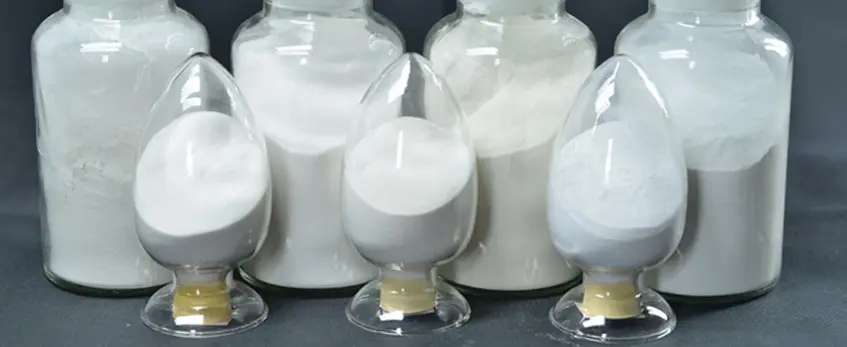
When working with DTF powder, following safety best practices is key to minimizing health risks and keeping your workspace safe.
Personal Protective Equipment (PPE)
Always wear proper PPE like N95 masks or dust respirators to guard against inhaling fine DTF adhesive powder. Use gloves to protect your skin, and safety glasses to prevent eye irritation during powder handling and application.
Ventilation and Extraction
Good airflow is a must. Use fume extractors, local exhaust systems, or work in well-ventilated spaces while printing, shaking, or curing. This helps reduce exposure to any minor fumes or airborne particles from DTF powder.
Workspace Setup
Keep your printing area separate from eating or drinking zones. Store powder in tightly sealed containers to prevent dust from spreading. Clean up spills right away to minimize airborne dust and keep your environment clean.
Choosing Safe Products
Always choose certified powders that come with clear MSDS/SDS information, RoHS compliance, and non-toxic labeling. Brands like jinlong DTF prioritize safety with their high-purity, eco-friendly formulations designed for consistent performance and lower health risks.
Handling and Storage Tips
Store powder in cool, dry places away from direct heat. Avoid overheating the adhesive during curing to prevent unnecessary fumes. Proper storage and handling extend powder life and make your work environment safer.
For more insights on efficient and safe DTF printing techniques, check out how to improve your process without sacrificing quality with jinlong’s recommendations.
Understanding Safety Data Sheets (SDS/MSDS) for DTF Powder
Safety Data Sheets (SDS), sometimes called Material Safety Data Sheets (MSDS), are your go-to documents for getting the full safety scoop on DTF powder. When working with thermoplastic polyurethane (TPU) based DTF powders, the key sections to focus on include composition, potential hazards (though most classify it as non-hazardous at room temperature), first aid measures, safe handling, and toxicological information.
Most SDS for DTF powder, including those from trusted suppliers like jinlong DTF, clearly state a non-hazardous classification. This means the powder is generally safe to handle under normal conditions and shows non-toxic decomposition during curing. However, they will also note the importance of minimizing dust inhalation and ensuring proper ventilation during heat curing to avoid minor respiratory irritation.
If you need an SDS for jinlong DTF powder or any other product, simply request it from your supplier. When reviewing, focus on:
- Ingredients and composition details
- Handling precautions and recommended Personal Protective Equipment (PPE)
- Exposure controls and ventilation advice
- First aid steps for accidental contact or inhalation
Understanding these details helps you keep your workspace safe and ensures you’re using a high-purity, safe handling DTF powder like jinlong DTF. For more safety tips and product insights, check out jinlong’s complete offerings, including their reliable DTF ink and film options.
jinlong DTF: Prioritizing Safety in Your Workflow
jinlong DTF powder stands out for its high-purity formulation and consistent particle size, which help reduce dust and ensure smooth application. They also offer eco-friendly options that deliver strong adhesion with minimal odor, making the printing process cleaner and safer.
| Feature | Benefit |
|---|---|
| High-purity powder | Less airborne dust, safer handling |
| Consistent particle size | Even coating and reliable bonding |
| Eco-friendly options | Reduced environmental impact |
| Low odor formula | More comfortable workspace fumes |
Commitment to safety: jinlong DTF complies with strict safety standards and provides detailed MSDS to support safe product handling. Their powders have a low-risk profile, making them suitable for both industrial and home use with proper precautions.
Tips for a safe and efficient workflow with jinlong DTF:
- Always use recommended PPE such as N95 masks and gloves when handling powder.
- Ensure proper ventilation or fume extraction during curing to avoid irritation from minor fumes.
- Store powder in a cool, dry place and clean spills promptly to minimize airborne particles.
- Use jinlong’s powder with certified DTF transfer films for best durability and safety — check out their standard double-sided DTF transfer film options for complementary products.
- Regularly review product SDS sheets to stay informed on safe handling practices.
By choosing jinlong DTF, you’re opting for a product designed with user safety and premium performance in mind, keeping your workspace productive and hazard-free.
Frequently Asked Questions About DTF Powder Safety
Is DTF powder safe for home use?
Yes, DTF powder is generally safe for home use when handled properly. Using protective gear like masks and working in a well-ventilated area helps reduce exposure to dust. Avoid direct inhalation and spills to keep your workspace safe.
What if I accidentally inhale DTF powder?
Inhaling small amounts of DTF powder usually causes minor irritation similar to nuisance dust. If you inhale a larger amount, move to fresh air immediately and monitor for coughing or breathing discomfort. Persistent symptoms should be checked by a healthcare professional.
Are fumes from curing toxic?
DTF curing can release slight fumes or odors, mainly from heating the thermoplastic polyurethane (TPU) powder. These fumes are not inherently toxic but can irritate eyes or respiratory passages if ventilation is poor. Always use good ventilation or fume extraction in your workspace.
How does jinlong DTF compare in safety?
Jinlong DTF powder is known for its high purity and consistent particle size, reducing dust hazards. Plus, it offers eco-friendly formulations with minimal odors and strong adhesion, making it a safer choice. Their powders come with reliable MSDS/SDS documentation and meet strict safety standards for printing environments. You can learn more about their powder and workflow in their DTF printer with powder shaker workflow guide.
Can DTF transfers cause skin irritation?
Finished DTF transfers are usually safe and non-toxic on garments, often certified by OEKO-TEX for skin contact—even on children’s clothing. However, sensitive individuals might react to residues if the curing process isn’t done correctly or if poor-quality powders are used. Proper curing and using quality powders like jinlong DTF minimize these risks significantly.
By following safe handling tips and choosing trusted products, you can confidently use DTF powder without health concerns.



 English
  Español
  Deutsch
  Français