


How to Cure DTF Powder with Heat Press Step-by-Step Guide
Understanding DTF Powder Curing
What is DTF Powder?
DTF powder is a special adhesive powder used in direct-to-film printing. It sticks to the printed design’s ink and bonds it firmly to fabric when heated. Think of it as the “glue” that keeps your design looking sharp and long-lasting.
The Science Behind Curing
Curing activates the adhesive powder with heat. When heated, the powder melts and fuses the ink to the fabric surface. Key points:
- Heat melts the adhesive to create a strong bond.
- Timing and temperature are critical — too hot or too long can ruin the powder; too little heat leaves the design weak.
- Common mistakes: Applying too much pressure during curing or uneven heating leads to poor adhesion.
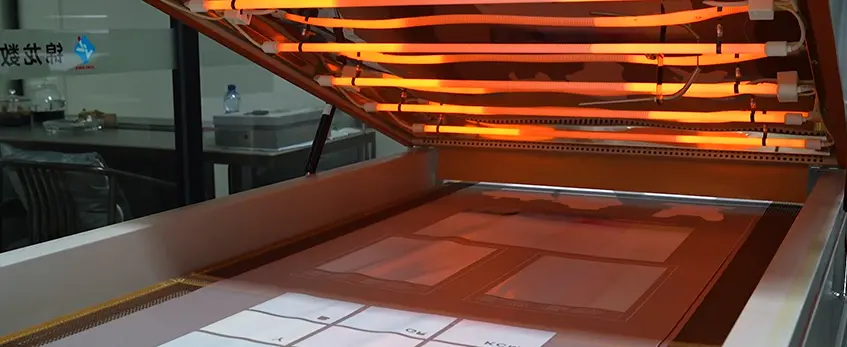
Heat Press vs. Other Curing Methods
| Method | Pros | Cons | Best For |
|---|---|---|---|
| Heat Press | Precise temp & time control; consistent results | Requires equipment; learning curve | Beginners & pros |
| Oven Cure | Can cure multiple pieces; hands-off | Hard to control temp evenly; risk of burning | Small batches |
| Hover Curing | Great for delicate fabrics; no pressure | Requires practice; slower process | Small details, tricky fabrics |
Common Beginner Myths
Let’s bust some false cures!
- Myth: “The hotter, the better.” — Too high a temp can scorch the powder and fabric.
- Myth: “More powder means stronger adhesion.” — Overusing powder causes clumping and weak bonds.
- Myth: “Pressure is needed during curing.” — Zero or minimal pressure is best while curing the powder.
Understanding these basics will save you headaches and keep your DTF projects flawless!
Essential Tools and Materials for Curing DTF Powder
To get started curing DTF powder with a heat press, you’ll need a few must-have tools and materials. First, a reliable heat press is key—look for one that can hold steady temperatures in the 300°F to 320°F range, ideal for most DTF powders. You’ll also need quality DTF powder adhesive designed for strong bonding; for example, jinlong TPU DTF hot melt adhesive powder is a popular choice among pros. Don’t forget your DTF transfer films to print your designs; these come in various sizes like 50cm rolls suited for everyday use, such as the DTF transfer film 50cm double STD series.
Safety gear is often overlooked but essential—heat-resistant gloves, a mask to protect from powder dust, and proper ventilation will keep your workspace safe. Fire precautions also matter; always keep a fire extinguisher handy in case of overheating.
Optional Add-Ons for Pros
Once you’re comfortable, consider adding accessories that enhance quality and control. Tools like powder sifters help apply the adhesive evenly, avoiding clumping. Pre-press pillows or foam pads assist with flat, wrinkle-free transfers. Some pros use humidity meters to regulate powder conditions, especially in humid environments, improving curing consistency.
Sourcing Tips for Quality and Affordability
Finding good products at the right price can be a challenge. Reliable suppliers like Jinlong Prints offer a solid line of both powders and films tested for compatibility and durability. Buying bulk can save money but pay attention to storage to keep powders fresh. Always check customer reviews for the products you plan to buy to avoid low-quality materials.
Safety Essentials: Ventilation, Fire Precautions, and Fabric Prep
Working with powders and high heat means safety is non-negotiable. Make sure your workspace has proper ventilation to avoid breathing in fine powder particles. Avoid smoke buildup by not overheating the press. Preparing your fabric by pre-pressing to remove moisture and wrinkles helps prevent scorching or uneven cures. And, remember to practice fire safety—never leave your heat press unattended during curing.
Preparing Your DTF Transfer for Curing
Start by printing your design using CMYK colors combined with a white underbase. The white layer is essential—it acts as a base that helps your colors pop and ensures better adhesion when curing the DTF powder.
Next, apply the DTF adhesive powder evenly while the ink is still wet. To get a smooth coat:
- Shake the powder container well before use.
- Use a fine sieve or shaker to distribute the powder uniformly over the entire print.
- Gently tap off any excess powder to avoid clumps or overly thick patches.
Once powder application is done, do a careful visual check. Look for consistent coverage—no bare spots or thick clusters. Let the transfer rest for a few minutes before curing to allow the powder to settle evenly on the design. This step helps prevent uneven melting during heat pressing and improves overall print quality.
For quality DTF transfer films, you can explore reliable options like the DTF Transfer Film 33cm Double Basic Series, designed for smooth powder adhesion and vibrant prints.

Step-by-Step Guide to Curing with a Heat Press
Preheat your heat press
Start by setting your heat press to the ideal temperature—usually between 320°F to 350°F (160°C to 177°C) depending on your powder and film. Preheating ensures even heat distribution during curing.
Position the transfer carefully
Lay your printed DTF transfer flat on the platen. Use heat-resistant pillows or silicone pads underneath to keep the surface even and prevent any creases. Place a Teflon sheet on top to protect both the transfer and the heat press from direct contact.
Hover and cure
Instead of pressing down, “hover” the platen about 1 to 2 inches above the powder-coated design. Heat the powder for about 20 to 40 seconds, watching closely until the powder melts and changes appearance—usually turning glossy or semi-transparent. Avoid direct pressing at this stage to keep the powder’s adhesive active without scorching.
Cool down and test readiness
Once the powder looks fully melted, remove the heat and let the transfer cool naturally in open air. Avoid touching or moving it until cooled to prevent powder sticking or uneven curing. When cool, perform a gentle peel test by lifting a corner of the film; if the powder adheres firmly and evenly, you’re good to go.
Pro tips for time adjustment
- Larger or denser designs may need a slightly longer hover time.
- Smaller prints often cure faster, so check frequently to avoid over-curing.
- Experiment with incremental time changes of 5 seconds to find the sweet spot for your setup.
For reliable film and powder options optimized for heat press curing, check out the DTF transfer films and inks from Jinlong, crafted to deliver consistent, beginner-friendly results.
Following these steps closely ensures your DTF powder cures evenly and sticks properly, setting you up for a successful transfer onto fabric.

Optimal Settings and Adjustments for DTF Powder Curing
Getting the right temperature and timing is key when curing DTF powder with a heat press. Different fabrics call for tweaks in settings to ensure a smooth, strong bond without scorching or melting the material.
Temperature Breakdown by Fabric
- Cotton: 300°F to 320°F (149°C to 160°C) works well for most cotton shirts. It evenly melts the powder while protecting the fabric.
- Polyester: Lower around 290°F to 305°F (143°C to 152°C) to avoid fabric damage or warping.
- Blends: Aim for a middle ground, about 300°F (149°C), adjusting as needed based on blend percentage.
Time and Pressure Nuances
- Zero pressure during curing: When curing the powder, don’t press down hard. Use a hovering technique — keep the heat platen slightly above (1-2 inches) the powder so it melts evenly without squishing the powder or film.
- Apply pressure for transfer: Only apply medium or firm pressure when transferring the cured DTF design onto your fabric. This ensures the adhesive bonds tightly without damaging the print.
Fabric-Specific Tweaks
- Pre-press fabric: Always pre-press your fabric for 5-10 seconds to eliminate wrinkles and moisture that can cause bubbling or poor adhesion.
- Delicate fabrics: Use lower heat and shorter cure times, testing carefully to avoid scorching. Consider test samples on delicate blends or synthetics first.
- Thicker fabrics: Slightly increase curing time to fully melt the powder and ensure good adhesion.
Machine Variations: Clamshell vs. Draw-Style
- Clamshell heat press: Heats up quickly and holds firm pressure, but limits airflow. Hover curing may require holding the platen a bit higher to prevent overpressure.
- Draw-style heat press: Allows easier airflow and better control when hovering the platen during curing. It’s ideal for delicate work that requires precise hovering time and less pressure on the powder.
Fine-tuning these settings helps avoid common issues like powder clumping or poor fabric adhesion. Experiment with small test prints and keep a heat press temperature chart handy to dial in the perfect cure for every project.
For a reliable start, check out quality options like the DTF transfer film designed for consistent curing performance with your heat press setup.
Transferring the Cured DTF Design to Fabric
Pre-Transfer Fabric Prep Steps
Before applying your cured DTF transfer, prep your fabric well. Start by washing the fabric to remove any sizing, dirt, or oils that can block adhesion. For cotton or polyester blends, ensure the fabric is dry and wrinkle-free—using a quick pre-press with your heat press helps flatten it and removes moisture. This step ensures your design sticks smoothly and uniformly.
Application Process: Press Temperature, Timing, and Peel Types
Set your heat press to the recommended temperature, usually around 310°F to 330°F (155°C to 165°C) for most fabrics, but always check specifics for your fabric type. Place your transfer on the fabric with the printed side down. Use medium pressure and press for about 10-15 seconds depending on your heat press and fabric.
When peeling the transfer film, you can do a hot peel (peeling immediately after pressing) for a softer finish or a cold peel (waiting until it cools) for a crisper edge. Jinlong DTF powders typically work well with both peel types, but testing is key to match your project needs.
Post-Transfer Cure: Optional Re-Press for Bond Reinforcement
After peeling the film, you can optionally do a quick re-press—about 3-5 seconds at a lower temperature (around 280°F or 140°C)—to reinforce the bond between the design and fabric. This step improves wash durability and gives a smoother finish.
Jinlong DTF Hacks: Adhesive Enhancer Spray and Wash Durability
For extra durability, Jinlong recommends using an adhesive enhancer spray before pressing. This spray boosts the bond strength of the DTF adhesive powder during transfer. It’s a simple addition that helps your prints stand up to repeated washing without cracking or peeling. For detailed tips on using Jinlong DTF powders and inks, check out their comprehensive beginners guide to DTF printing.
By following these fabric prep and transfer steps carefully, you’ll get vibrant, long-lasting DTF prints every time.
Troubleshooting Common Issues with DTF Powder Curing
Running into trouble with uneven melting, powder clumping, or poor adhesion after your DTF transfer? You’re not alone. Here’s how to troubleshoot these common issues quickly and effectively.
Uneven Melting Causes and Fixes
Uneven melting usually happens when heat isn’t distributed correctly or curing times are off. To fix this:
- Check heat press temperature—make sure it’s in the right range (usually between 320°F-340°F).
- Use a hover curing method evenly—keep the platen hovering 1-2 inches above the powder for uniform heat activation.
- Avoid hotspots or cold spots by preheating your press and using a reliable Teflon sheet for even heat spread.
Powder Clumping or Over-Cure – What to Watch For
Clumping happens often when DTF adhesive powder is exposed to humidity or is applied unevenly. Over-curing the powder can also cause it to harden too much and lose stickiness. To prevent these issues:
- Store powder in a dry, cool place to avoid moisture buildup.
- Shake and sieve your powder carefully before application to ensure even spread.
- Stick to recommended curing times; avoid exceeding maximum heat exposure.
Poor Adhesion After Transfer
If your DTF prints aren’t sticking well to fabric, it might be due to ink-powder mismatches or improper curing. Recommendations include:
- Confirm that your ink is compatible with your powder—using the right adhesive powder, like those from Jinlong TPU DTF Hot Melt Adhesive Powder, can improve bonding.
- Revisit your curing parameters to ensure full powder activation without overheating.
- Pre-press your fabric to remove moisture and wrinkles before applying the transfer.
Quick-Fix Checklist for Setup Errors
When things don’t look right, run through this 5-minute audit:
- Is your heat press at the correct temperature?
- Are you using zero pressure during curing and proper pressure during transfer?
- Is powder evenly applied without clumps?
- Did you use a quality DTF film, such as the 33cm Single Basic Series?
- Have you performed a peel test after cooling to check adhesion?
By regularly checking these key points, you can quickly spot and fix issues before they become costly problems.
Advanced Tips for Professional Results
For those looking to boost efficiency, batch curing multiple DTF transfers at once is a game-changer. Grouping transfers on your heat press or conveyor dryer ensures consistent curing while saving time. Make sure to space transfers evenly to avoid hotspots, and keep curing times uniform to prevent over- or under-curing.
A solid maintenance routine keeps your heat press and equipment running smoothly. Regular cleaning, especially of the platens, stops residue buildup that can affect heat distribution. Calibrate your temperature and pressure settings often to maintain consistent results, especially when you switch between fabrics.
When scaling up production, integrating conveyor dryers can streamline your workflow. These dryers offer even heat across multiple transfers, ideal for volume runs. For users of jinlong DTF products, conveyor dryers are compatible and help maintain the adhesive powder’s integrity during curing. This speeds up production without sacrificing quality.
Lastly, adopting an eco-friendly approach helps minimize powder waste and lessen environmental impact. Techniques like using sieves or powder dispensers control application better, reducing excess powder runoff. Also, reclaiming and reusing unused powder where safe and feasible supports greener production practices.
For a deeper look at equipment suited for DTF printing and improving your setup, check out this ultimate guide for beginners starting a printing business.
Frequently Asked Questions (FAQs)
Can You Cure DTF Powder Without a Heat Press?
While a heat press is the most reliable tool for curing DTF powder, some beginners ask if it’s possible to cure without one. You can try using a high-temp oven or an industrial conveyor dryer, but these methods often lack consistent temperature control, which can lead to uneven curing or powder clumping. For best results and uniform curing, using a proper heat press is recommended.
How Long Does a DTF Print Last?
With proper curing and transfer, DTF prints are known for their durability. Expect your design to last through 30-50 washes without significant fading or cracking when cared for correctly. Turn garments inside out before washing, use cold water, and avoid harsh chemicals to preserve print quality.
What’s the Difference Between Hot Peel and Cold Peel?
- Hot Peel: You remove the transfer film immediately after pressing, while it’s still hot. This method is faster and usually gives a softer feel but requires precise timing.
- Cold Peel: You allow the transfer to cool completely before peeling off the film. This often results in sharper prints and is forgiving for beginners.
Choosing between hot and cold peel depends largely on fabric type, powder used, and personal preference.
Is jinlong DTF Powder Compatible with All Films?
Jinlong’s TPU DTF hot melt adhesive powder is designed to work seamlessly with their range of DTF transfer films. For example, the jinlong 45cm single basic series film pairs excellently for smooth powder bonding and crisp prints. Always use quality matching powders and films for the best results.
What Home Safety Tips Should I Follow When Curing DTF Powder?
- Ventilate Your Work Area: Heat pressing releases fumes; keep windows open or use a fan.
- Avoid Direct Contact: Use heat-resistant gloves when handling hot presses and transfers.
- Pre-Press Fabrics: This removes moisture and wrinkles, reducing fire risks.
- Keep Your Work Surface Clear: Avoid clutter to prevent accidental fires or spills.
- Follow Manufacturer Settings: Stick to recommended heat and timing to avoid overheating.
Safety first helps create quality prints and a safe workspace.
This FAQ covers the basics on curing without a heat press, care tips, peel options, jinlong powder compatibility, and essential home safety guidelines for handling DTF powder with confidence.


 English
  Español
  Deutsch
  Français