


How to Choose a Reliable A3 DTF Printer for Shirts and Hoodies
If you\’re stepping into the world of custom apparel, knowing how to choose a reliable A3 DTF printer for shirts and hoodies can save you countless headaches and boost your business success. With so many models on the market, picking the right Imprimante DTF—one that delivers consistent, vibrant prints on cotton, polyester, and blends—can be overwhelming. In this guide, you’ll discover what makes an A3 DTF printer for t-shirts and hoodies truly dependable, from print quality and white ink circulation to maintenance ease and durability. Let’s cut through the noise and help you find the perfect machine that keeps your colors bright, your downtime minimal, and your customers happy.
Understanding A3 DTF Printers and Why Size Matters for Shirts and Hoodies
If you’re diving into custom apparel, understanding how an A3 DTF printer for t-shirts and hoodies works is key. Direct-to-Film (DTF) printing is a tech-forward solution where designs are printed onto special film and then transferred onto fabric using heat. This process offers advantages over traditional methods like DTG (Direct-to-Garment), screen printing, and vinyl pressing. Unlike DTG, DTF works smoothly on various fabrics—including cotton and polyester—without sacrificing durability. Compared to screen printing and vinyl, DTF provides vibrant colors, finer detail, and faster turnaround times—perfect for custom small runs or varied designs.
Now, why does the A3 size (11.7\” x 16.5\”) matter? This print area perfectly fits typical full front chest prints, sleeve designs, and even hoodie fronts. It’s large enough for eye-catching artwork but not so big that it becomes unwieldy or costly—making it ideal for most apparel styles. For small business owners, Etsy and Shopify sellers producing between 10 and 100 pieces per day, an A3 DTF printer strikes the perfect balance between versatility and efficiency.
In short, choosing the right A3 DTF printer lets you deliver high-quality, durable prints that meet the demands of custom shirts and hoodies without overextending your budget or workspace.
Key Factors to Evaluate for Reliability and Performance
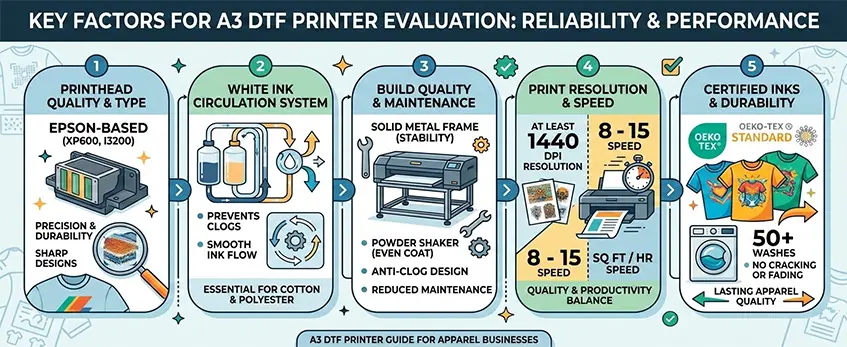
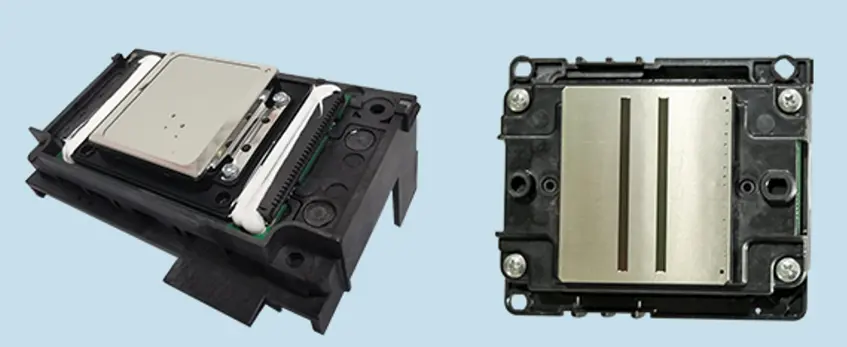
When choosing a reliable A3 DTF printer for shirts and hoodies, focus first on the printhead quality and type. Epson-based printheads like the XP600 or I3200 are industry favorites because of their precision and durability. Avoid low-cost clones that often lead to frequent breakdowns and inconsistent prints. A high-quality printhead ensures sharp designs, especially important for detailed apparel printing.
Another critical aspect is the système de circulation de l'encre blanche. White ink tends to clog easily, so look for printers equipped with an advanced circulation or stirring mechanism. This keeps the ink flowing smoothly, preventing downtime and poor transfer quality on cotton and polyester garments.
Build quality matters a lot—choose a machine with a solid metal frame for stability and long-term use. Features like a powder shaker to evenly coat adhesive powder, and anti-clog designs, will reduce maintenance headaches and improve print reliability.
Print resolution and speed are key performance indicators. Aim for printers offering at least 1440 dpi resolution with a print speed around 8 to 15 square feet per hour to balance quality and productivity for small business volumes.
Finally, ensure the printer supports OEKO-TEX certified inks that guarantee safety and durability. Your prints should withstand 50+ washes without cracking or fading, giving your customers lasting apparel quality.
For a comprehensive understanding of features that really impact your DTF printing success, consider checking this detailed DTF transfer printer buying guide featuring crucial features to help you make the best decision for your custom apparel business.
Must-Have Features for Apparel Printing Success
When choosing an A3 DTF printer for shirts and hoodies, certain features can make a world of difference for smooth, professional output.
Film Handling Options
- Feuille à feuille : Great for small runs or varied designs.
- Roll-fed: Perfect for bulk orders, saves time and reduces waste.
Easy Maintenance
- Quick printhead access for fast cleaning and repairs.
- Auto-cleaning systems to prevent clogs, especially in white ink circulation.
- User-replaceable parts to minimize downtime and service costs.
Compatibilité des logiciels et des RIP
- Ensure the printer supports reliable RIP software for accurate color matching.
- This helps deliver consistent print quality across cotton and polyester garments.
Heat Press Compatibility and Settings
- The printer should work well with common heat press machines for firm transfers.
- Optimal heat press settings vary for cotton and polyester to ensure durability without damage.
| Fonctionnalité | Bénéfice | Notes |
|---|---|---|
| Sheet or Roll Film | Flexibility vs Bulk Efficiency | Roll-fed suits high-volume Etsy/shopify sellers |
| Quick Printhead Access | Saves Time, Reduces Clogs | Vital for white ink-based DTF printers |
| Auto-Clean Systems | Maintains Print Quality | Reduces manual maintenance efforts |
| RIP Software Support | Accurate Colors & Shades | Critical for professional apparel printing |
| Heat Press Compatibility | Durable, Long-Lasting Transfers | See best practices for heat press ici |
Choosing a reliable printer with these features ensures consistent, high-quality results, whether you print custom tees or hoodies. For more on handling transfer materials, check out our guide on Films et poudres de transfert DTF.
Common Pitfalls to Avoid When Buying an A3 DTF Printer
When shopping for an A3 DTF printer for t-shirts and hoodies, steer clear of cheap knockoffs. They often come with poor build quality, unreliable printheads, and weak white ink circulation systems, leading to frequent breakdowns that halt your production. Always check the availability of after-sales service, spare parts, and solid warranties before committing to a purchase. Reliable support can save you time and money down the road.
Also, factor in the ongoing running costs. Ink, powder, and transfer film add up quickly, so choose a printer compatible with affordable, high-quality consumables like OEKO-TEX certified inks and durable powders to maintain transfer durability and color vibrancy. For example, reliable sources for quality DTF ink and powder can make a big difference in your cost of ownership.
Keep in mind the A3 size limit (11.7\” x 16.5\”) fits most shirts and hoodies but may feel restrictive if you plan to print large, wrap-around designs. Sometimes, investing in a larger format printer makes sense for bigger projects, but for most small businesses and Etsy sellers, an A3 DTF printer offers a great balance of print area and cost.
By avoiding these common pitfalls, you ensure you get a dependable, affordable A3 DTF printer that suits your apparel business without surprises.
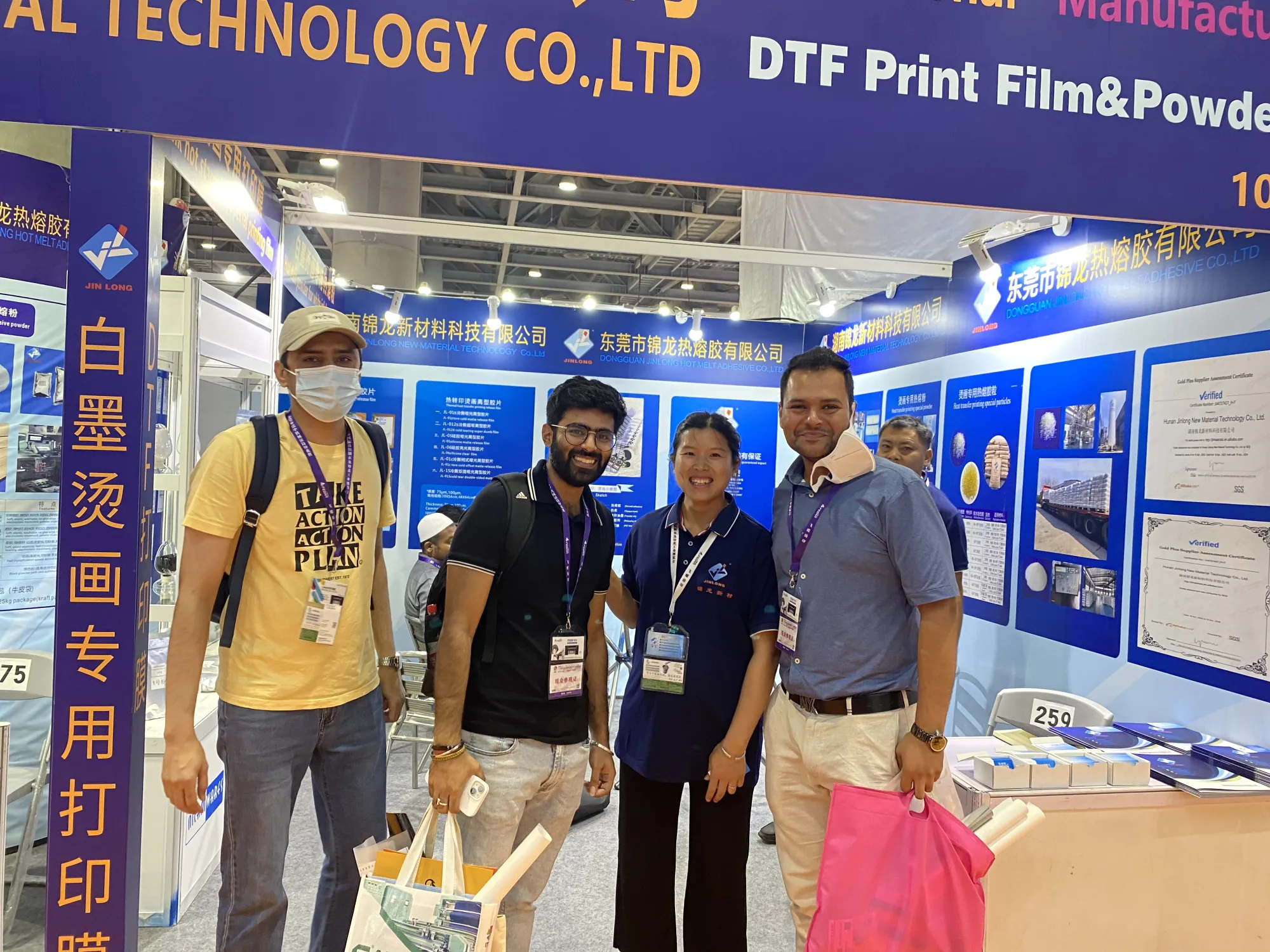
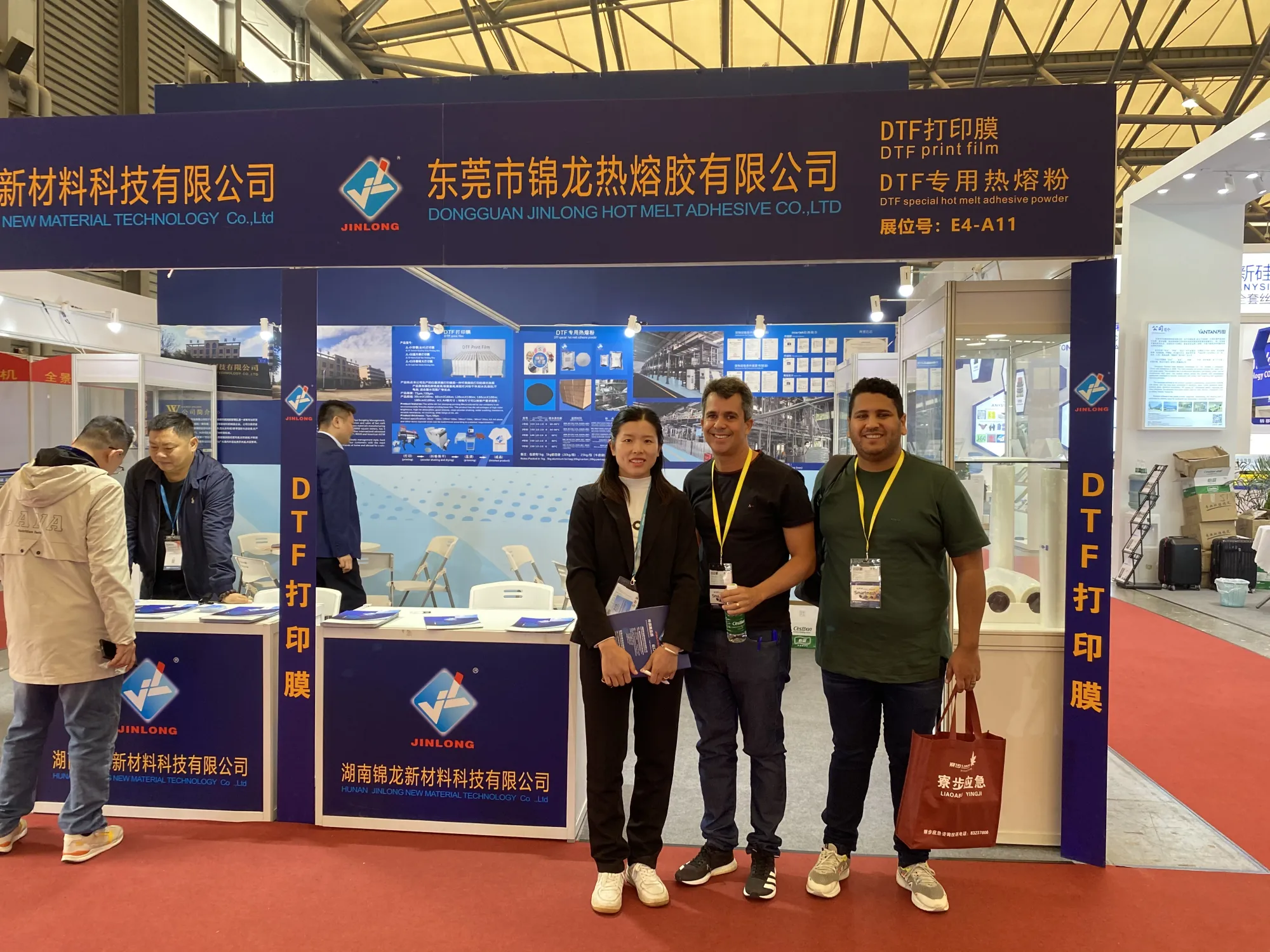
How Jinlong DTF Stands Out as a Reliable Choice
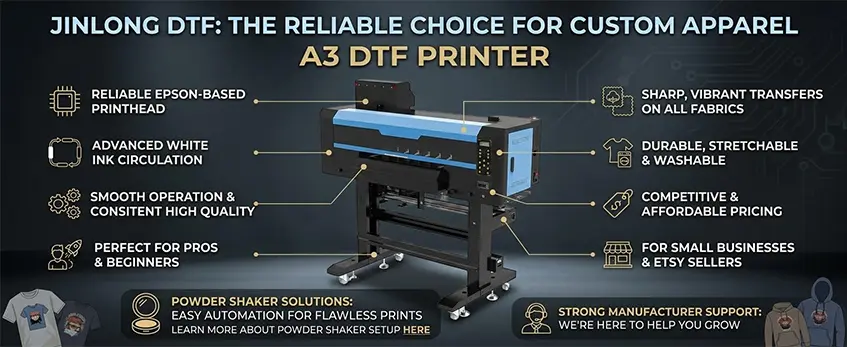
When looking for a reliable A3 DTF printer for t-shirts and hoodies, Jinlong DTF offers models that suit both pros and beginners. Their printers come equipped with a robust Epson-based printhead and an advanced white ink circulation system, which ensures smooth operation and high-quality prints every time.
Jinlong’s printers consistently deliver sharp, vibrant transfers that work well across different fabrics like cotton and polyester, making them perfect for producing custom apparel with durability that stands up to stretching and multiple washes. Plus, their competitive pricing makes them an affordable A3 DTF printer option for small businesses or Etsy sellers.
Another big plus is the strong manufacturer support, including helpful resources and service, so you’re never left hanging when maintenance or advice is needed. For easy automation and reliable print quality, Jinlong also offers solutions with powder shakers that ensure consistent powder application for flawless prints—learn more about their powder shaker setup ici.
For anyone wanting dependable, cost-effective, and high-quality direct to film printer apparel solutions in the US market, Jinlong’s A3 DTF lineup is a smart choice you can count on.
Step-by-Step Decision-Making Checklist for Choosing a Reliable A3 DTF Printer
When picking the best reliable DTF printer A3 for your shirts and hoodies business, follow these clear steps to make a smart choice:
Assess Your Production Volume and Budget
Figure out how many prints you’ll handle daily—whether 10 or 100 pieces—and set a budget that covers both the initial machine cost and essentials like ink and film.
Compare Shortlisted Models Against Key Factors
Look at printhead type (Epson-based DTF printer A3 models tend to be more dependable), white ink circulation systems, build quality, print resolution, and speed. Make sure the specs match your business needs.
Read User Reviews and Test Demos
Real-world feedback from apparel creators using direct to film printers for apparel can reveal reliability issues and print quality. Try demos if possible to see the printer in action.
Calculate Total Cost of Ownership
Don’t just consider the sticker price. Add up ongoing costs like consumables (inks, powder, films), maintenance, and parts replacement to avoid surprises later.
Prioritize Reliability to Protect Your Business Reputation
Choosing an affordable A3 DTF printer small business owners trust ensures fewer breakdowns and sharp, durable prints on cotton and polyester. This steadiness is key to happy customers and repeat orders.
By following this checklist, you’ll confidently find a reliable DTF printer that fits your apparel production demands and budget—helping you grow your shirt and hoodie printing business with ease. For insights on managing film types with your printer, check our guide on DTF rolls vs sheets for your business.


 English
  Español
  Deutsch
  Français