


DTF Printer Meaning and Uses from T-Shirts to Hard Surfaces 2026
DTF Printing vs DTG, Screen Printing, and UV DTF – Quick Comparison Table
Thinking about jumping into the world of Direct to Film (DTF) printing? It\’s smart to know how it stacks up against other popular methods like Direct to Garment (DTG), traditional Screen Printing, and the newer UV DTF. Here’s a quick comparison to help you pick the right fit for your business in 2026.
| Fonctionnalité | Impression DTF | Impression DTG | Sérigraphie | UV DTF |
|---|---|---|---|---|
| Print Surface | Fabric & Hard surfaces | Mainly fabric (cotton blends) | Fabric & some rigid items | Hard surfaces (glass, wood) |
| Gamme de couleurs | CMYK + White | CMYK + White | Often limited to spot colors | CMYK + White + special inks |
| Durabilité de l'impression | High on dark & light garments, good on hard substrates | High, best on light-colored cotton | Very durable but less detailed | Very high (UV cured) on rigid surfaces |
| Temps de préparation | Modéré | Faible | High (screens setup required) | Modéré |
| Coût par impression | Low to mid | Higher (inks expensive) | Low (bulk orders) | Mid to high |
| Flexibilité | High (textiles + hard goods) | Medium (mostly textiles) | Low (bulk jobs only) | High (rigid & specialty items) |
| Meilleur pour | T-shirts, hats, wood signs, mugs | Cotton tees, custom apparel | Grands tirages, modèles simples | Glass, metal, acrylic, leather |
| Matériel nécessaire | DTF printer + powder shaker + heat press | DTG printer + pretreatment | Screens, press, inks | UV DTF printer + curing unit |
Quick takeaways:
- DTF blends the best of DTG and screen printing — perfect for sharp, durable prints on both fabric and hard surfaces.
- UV DTF is the new game-changer for rigid items like glass and metal, thanks to UV curing technology.
- Screen printing is still cost-effective for huge runs, but DTF offers more versatility.
- DTG remains king for soft, detailed prints on light cotton but struggles on dark or synthetic fabrics.
Considering all this, whether you\’re customizing T-shirts or exploring new hard surface products in 2026, DTF printers offer a flexible, modern solution that fits a variety of business needs.
How Does a DTF Printer Actually Work?
DTF printing might sound complex, but it\’s straightforward once you break down the process. Here’s how a DTF printer works from start to finish:
1. Design Creation
Start by creating your artwork or design in software like Adobe Illustrator or Photoshop. This design will be printed on a special film.
2. Printing the Film with CMYK + White
The printer lays down the design on a PET (polyethylene terephthalate) film using CMYK inks plus a white ink layer. White acts as an underbase on darker materials, making colors pop.
3. Automatic Powder Shaker & Adhesive Application
Right after printing, the film passes under an automatic powder shaker that evenly coats the wet white ink with adhesive powder. This powder sticks to the print, preparing it for transfer.
4. Curing the Film
Next, the film goes through a curing oven or dryer. This melts the powder slightly, bonding it to the ink. This step ensures the design will transfer cleanly and last longer.
5. Heat-Press Transfer Process
Finally, the cured film is placed on the target surface (fabric, wood, metal, etc.) and heat-pressed at the right temperature and time. Heat activates the adhesive, transferring the design perfectly.
Differences Between Standard DTF and A/B Film Systems
| Fonctionnalité | Standard DTF Film | A/B Film System |
|---|---|---|
| Type de film | Single-film PET with powder | Two different films (A & B) |
| Qualité d'impression | Good for textiles | Higher detail & better durability on hard surfaces |
| Application de l'adhésif | Powder used on white ink | Special adhesive layer on A/B films |
| Meilleur pour | Apparel and soft substrates | Hard surfaces like wood, metal, glass |
For those exploring expanded uses like printing on rigid or non-textile surfaces, the A/B film system paired with a modified DTF printer offers superior adhesion and durability. You can check out a detailed DTF printer setup guide for more insights on these options.
Understanding these steps and differences helps you select the right printer and films, matching your targeted products perfectly.
Core Applications of DTF Printing: Apparel & Textiles (The Classic Use)
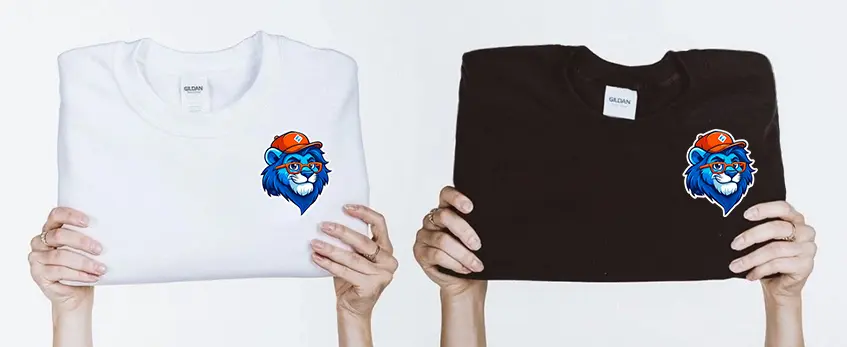
DTF printing has become a top choice for apparel and textiles, especially when it comes to customizing T-shirts, hoodies, tote bags, and hats. Whether you’re working with 100% cotton, polyester, blends, nylon, or even silk, DTF holds a strong advantage. One major reason it outperforms DTG printing is its vibrant color pop and durability on dark garments. Unlike DTG, which struggles with dark fabrics without expensive pretreatment, DTF prints adhere well and stay sharp without that extra step.
This versatility makes DTF ideal for small businesses, streetwear brands, and anyone wanting high-quality, colorful prints on a variety of fabric types. Plus, thanks to the specialized adhesive powder and curing process, DTF designs feel soft to the touch but last through multiple washes without fading or cracking.
For those looking to get into DTF apparel printing, having the right DTF transfer film is key. You can find detailed info on using the best films in the DTF for beginners guide on PET film and printed film, making it easier to start strong with your fabric projects.
Core Applications of DTF Printing: Hard & Rigid Surfaces – The 2026–2026 Game Changer
DTF printing is no longer just about soft textiles. In 2026 and 2026, its ability to print directly onto hard and rigid surfaces is reshaping the market. Thanks to advances like UV DTF technology and specialized modified DTF printers, you can now print vibrant, durable designs on materials that were once tough to customize.
Here’s a quick look at some hard surface applications shaking up industries today:
- Wood: Perfect for signs, coasters, and decorative panels, DTF prints on wood deliver sharp detail and lasting quality.
- Acrylic & Plexiglass: Ideal for event signage, displays, and art pieces, offering smooth, vibrant finishes.
- Ceramic Tiles and Mugs: Durable prints resist washing and everyday use, making these everyday items highly customizable.
- Metal: Aluminum panels and phone cases now sport intricate designs thanks to DTF’s adaptability.
- Glass Bottles and Tumblers: Personalized drinkware with bright, long-lasting prints is easier than ever.
- Leather and Faux Leather Goods: Bags, wallets, and similar products benefit from flexible, fade-resistant prints.
This leap in capability is mostly driven by UV DTF printers and modified DTF machines that can handle different inks and curing methods tailored for hard surfaces. If you want to explore exactly what materials and print methods work best, this detailed guide on what you can print with DTF covers everything from textiles to rigid substrates in depth.
Advantages of DTF Printing in 2026
DTF printing keeps gaining ground because it packs a serious punch of benefits, especially for small businesses and custom shops in the U.S. Here’s why DTF printing is such a strong choice in 2026:
Polyvalence des matériaux : Unlike traditional DTG that mainly targets cotton, DTF lets you print on pretty much any fabric — from polyester and nylon to blends and even silk. Plus, newer UV DTF and modified DTF printers expand this to hard surfaces like wood, metal, and glass.
Vibrant, Durable Prints: DTF prints stand out with crisp colors and sharp details thanks to the CMYK+White ink layering. Wash durability is impressive, and the prints hold up well on dark garments without fading or cracking.
Cost-Effective and Fast Setup: Entry-level DTF setups cost less than DTG or screen printing equipment. Plus, you don’t need expensive pretreatment sprays, making it simpler and more affordable to start and scale.
No Pretreatment Required: DTF uses a special adhesive powder applied automatically during the process, cutting out the need for manual pretreatment and saving time.
Flexible Film Transfer Process: Printing designs on clear films allows for easy inventory management and quicker turnaround with heat press transfers, which businesses appreciate for their efficiency.
Expanding into Hard Surfaces: Thanks to advancements like UV DTF, printing on rigid surfaces is becoming mainstream, opening new markets for custom decor, promotional products, and signage.
Environmentally Friendly Inks: Many DTF inks, including high-quality ones found in Jinlong’s DTF ink lineup, use water-based formulas that reduce harmful emissions compared to traditional printers.
Together, these advantages make DTF printing a practical and profitable tool in 2026, especially for businesses aiming to diversify their product lines and keep up with consumer demand for high-quality customization.
Limitations and Things to Watch Out For
While DTF printing offers great versatility, there are a few limitations to keep in mind. First, DTF prints may not have the same feel as screen printing or DTG on some fabrics since the transfer adds a slight thickness. Also, wash durability varies depending on ink quality, powder adhesion, and curing—so using high-quality DTF ink and proper curing processes is essential for long-lasting results.
Another thing to watch out for is that standard DTF printers typically print on transfer films only, so additional equipment like powder shakers and curing ovens are required, which adds to the setup cost. Plus, not all DTF printers handle hard surfaces out of the box; for those applications, you’ll want UV DTF or modified printers designed for materials like wood, metal, and acrylic.
Lastly, color vibrancy on very dark or synthetic fabrics can sometimes be uneven without the right white ink layering or film type, especially if you’re experimenting with A/B film DTF systems. Learning your printer’s settings and recommended inks makes a big difference here.
Keeping these factors in mind helps ensure smooth operations and quality prints when using a DTF printer for your projects.
Equipment You Actually Need for DTF (2026 Checklist)
Getting started with DTF printing in 2026 means having the right gear to ensure consistent, high-quality results. Here’s a straightforward checklist covering everything you need:
Imprimante DTF : Choose based on your production scale. A 24” printer offers wider prints for bigger jobs, while a 13” model works great for small businesses or detailed designs. Roll-to-roll DTF printers handle continuous printing—ideal for higher volume setups.
Powder Shaker & Oven/Curing Unit: A powder shaker applies adhesive powder evenly on the printed film, which is crucial for print durability. Then, the oven/curing unit melts the powder, bonding it to the ink before transfer. These tools are essential for a smooth DTF transfer process and lasting washes. You can find detailed workflows highlighting why a proper DTF powder shaker is essential for consistent results.
Presse à chaud : A quality heat press is required to transfer your prints from film to fabric or hard surfaces. Sizes vary, but a 15×15” heat press is a solid all-around choice. Larger presses (20×25”) are better for big apparel or oversized items like signs.
Films, Inks, Adhesive Powder: These consumables need to be compatible with your printer and substrate. High-quality films ensure sharp, vibrant prints, while good adhesive powder relies on precise curing. For example, Jinlong offers a reliable DTF transfer film 50cm single standard series tailored for consistent application.
RIP Software: This software manages color output and print quality, controlling the CMYK + White layers integral to DTF printing. It streamlines workflow and ensures your prints come out crisp every time.
Having all these tools ready in your workspace will set you up for smooth, high-quality DTF production throughout 2026. Whether you’re printing apparel or moving into hard surfaces, the right setup makes all the difference.
Why Jinlong DTF Printers Stand Out in 2026
Jinlong DTF printers have carved a strong reputation in 2026 thanks to their balance of affordability, reliability, and top-notch print quality. For businesses stepping into Direct to Film printing, especially in the US market, Jinlong offers machines that handle everything from apparel to hard surfaces with ease.
Here’s what makes Jinlong DTF printers a standout choice:
Versatile Printing Capabilities: Whether you’re printing on T-shirts, tote bags, or moving into wood or acrylic, Jinlong printers support a wide range of substrates. This versatility makes them perfect for businesses expanding into new niches like hard-surface products.
High-Quality Results: With precise CMYK + white ink layering and consistent powder adhesion, the prints are vibrant, durable, and wash-resistant, matching or beating many competitors in terms of wash durability DTF prints.
User-Friendly Setup: Jinlong simplifies the DTF printer setup process, which is great for beginners and experienced printers alike. The machines come well-configured for straightforward integration with essential equipment like powder shakers and curing ovens.
Wide Format Options: From compact 13\” models to roll-to-roll 24\” printers, there’s flexibility depending on your business size or project needs. This ensures you’re investing in the right equipment without overspending.
Solid Support and Resources: Jinlong offers comprehensive guides and expert advice, helping users maximize their investment efficiently. For example, their DTF transfer film 40cm double std series is optimized to work seamlessly with their printers, ensuring smooth print-to-transfer processes.
In , Jinlong stands out in 2026 by combining cost-effectiveness, wide-ranging print abilities, and dependable quality — all essential factors for anyone serious about DTF printing today.
Real-World Success Stories & Niches That Are Exploding
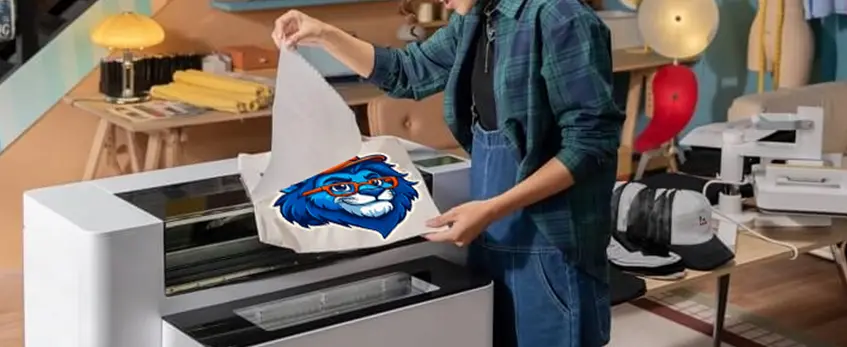
DTF printing is no longer just for basic apparel. Custom streetwear brands across the U.S. are leveraging DTF printers to produce vibrant, durable designs on hoodies, hats, and tees that stand out in a crowded market. Thanks to the versatility of DTF technology, Etsy and print-on-demand (POD) sellers are expanding into hard-surface products like acrylic signs, ceramic mugs, and wooden coasters—products that offer higher value and unique customization opportunities.
Corporate merch and promotional items have also jumped on the DTF bandwagon. Companies appreciate how fast and cost-effective it is to produce branded gear and giveaways with sharp, colorful graphics, especially on a variety of materials beyond fabric.
Wedding and event signage on wood and acrylic is another booming niche. The ability of UV DTF and modified DTF printers to deliver crisp, long-lasting prints on hard surfaces has reshaped event décor options, making personalized signs easy to create and in high demand.
For those interested in how to get started, checking out a detailed DTF printer setup guide can provide valuable insights into streamlining these production lines. The rise of these diverse applications shows why DTF printing is shaping the future of custom printing in 2026.
Cost Breakdown: Starting DTF Printing in 2026

Getting started with DTF printing in 2026 is more affordable than ever, but it’s important to understand the costs involved to budget wisely.
Entry-Level Setup ($3,000–$8,000)
- DTF printer: The main cost, ranging from around $2,000 for smaller 13\” models to $7,000+ for larger 24\” or roll-to-roll machines.
- Powder shaker & curing oven: Usually $500–$1,500 depending on size and automation level.
- Presse à chaud : A reliable heat press costs between $300 and $1,000 depending on size and features.
- Inks, films, and adhesive powders: Initial supplies will generally run $200–$400 to get started.
- RIP software: Budget $200–$500 for software that handles print management and color calibration.
Per-Print Cost Analysis
- T-shirt printing: Around $0.70–$1.50 per shirt when factoring ink, film, powder, and wear-and-tear on equipment. This is often cheaper than DTG printing on darker garments due to powder adhesion efficiency.
- Acrylic signs: Costs can be slightly higher at about $1.50–$3.00 per print because films designed for hard surfaces and curing processes take more time and materials. However, the ability to print on wood, metal, and glass opens premium pricing opportunities.
Overall, the best DTF printer setups balance upfront cost with speed and reliability, especially if you’re exploring both textiles and hard surfaces. For a detailed guide on equipment and powder curing, check out the practical DTF printer setup guide.
Frequently Asked Questions about DTF Printing in 2026
Is DTF better than DTG in 2026?
DTF (Direct to Film printing) offers some clear advantages over DTG, especially when printing on dark garments, mixed fabrics, or tricky textile blends. DTF handles 100% cotton, polyester, and blends much better without requiring pre-treatment, making it more versatile and cost-effective in many cases. DTG still shines on 100% white cotton for soft, detailed prints but struggles on dark or synthetic fabrics in comparison.
Can any DTF printer print on hard surfaces?
Not every DTF printer can handle hard surfaces like wood, acrylic, or metal. For these, you’ll need specialized UV DTF printers or modified machines designed to work with A/B film systems and curing mechanisms meant for rigid substrates. These setups often include enhanced powder application and UV curing, allowing prints to stick and last on non-textile surfaces.
How long do DTF prints last on glass or metal?
When properly processed, DTF prints on glass and metal can last several years without fading or peeling. Using UV-resistant inks and adhesive powders during printing and curing is key for durability. Keeping items out of harsh scrubbing and extreme conditions also extends life. For best results, look into premium powders like the TPU hot-melt adhesive available on Jinlong’s official site.
What is the difference between regular DTF and UV DTF?
Regular DTF relies on heat and powder-based adhesives for transfers onto textiles, while UV DTF uses UV-curable inks and often supports printing directly on both flexible and hard surfaces. UV DTF enables more vibrant, durable prints on rigid materials like wood, acrylic, and metal, expanding applications beyond fabric.
Do I need a special printer for A-film and hard surfaces?
Yes, printing with A-film or on hard surfaces usually requires printers designed or modified for that purpose. These printers accommodate thicker films, special ink sets, and curing systems (powder and UV ovens) to ensure adhesion and longevity. If you’re serious about diversifying into hard-surface printing, investing in equipment like a Imprimante Jinlong DTF built for these applications is a smart move for consistent performance.


 English
  Español
  Deutsch
  Français