


Best DTF Pro Ink 2026 Guide Color Durability and Printer Compatibility
What Is DTF Pro Ink and Why It Matters for Professional Printing
DTF Pro Ink is a specialized dye formulation designed for Direct-to-Film (DTF) printing, a cutting-edge method used to transfer vibrant, durable designs onto various fabrics. Unlike traditional inks, DTF Pro Ink is engineered for superior adhesion to PET films and seamless bonding with adhesive powders, making it essential for high-quality professional apparel printing.
Core Definition and Formulation Specifics
- DTF Pro Ink is typically pigment-based for vivid colors and strong opacity.
- Formulation focuses on fast curing, minimal clogging, and compatibility with specific printheads—especially Epson models like the i3200.
- Designed for excellent powder bonding and film flexibility.
Benefits Over Alternatives and Fabric Versatility
- Works on diverse fabrics including cotton, polyester, blends, and even darker textiles.
- Outperforms screen printing and basic DTG inks in wash durability and color vibrancy.
- Requires fewer pretreatment steps, boosting efficiency and reducing costs.
Role in the Full DTF Workflow
DTF Pro Ink is the foundation of a smooth printing cycle:
- Impression: Ink lays down the image on PET film with accurate colors.
- Poudrage: Adhesive powder sticks only to the wet ink.
- Durcissement: Heat setting fuses ink and powder for durability.
- Transfert: The clear film transfers the design to fabric, maintaining color and detail.
2026 Advancements in Ink Technology and Adhesion
- Enhanced pigment density delivers richer color gamut and brightness.
- New formulas reduce white ink clogging and improve opacity.
- Improved adhesion additives enable stronger bonds, increasing wash resistance to over 50 cycles.
- Faster drying times cut production time, supporting higher volumes.
- Eco-friendly versions reduce VOCs and hazardous chemicals without sacrificing performance.
| Fonctionnalité | 2026 Improvement |
|---|---|
| Vibration des couleurs | Richer pigment density |
| White Ink Performance | Clog-resistant and high-opacity |
| Adhésion | Longer-lasting wash durability |
| Séchage et durcissement | Faster and more energy-efficient |
| Eco-Safety | Reduced VOC emissions |
In short, DTF Pro Ink is the game-changer for professional printing in 2026, offering versatility, reliability, and unmatched print quality on a wide range of fabrics.
Key Features to Evaluate in DTF Pro Ink in 2026
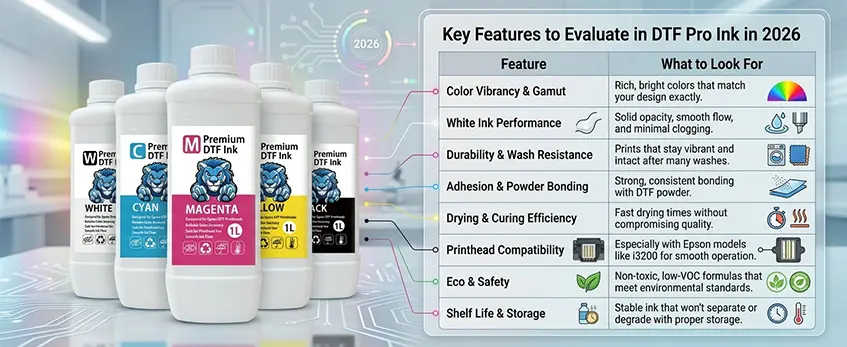
Choosing the best DTF Pro ink means looking at specific features that impact print quality and workflow efficiency. Here’s a quick breakdown of what really matters in 2026:
| Fonctionnalité | Ce qu'il faut rechercher |
|---|---|
| Vibration et gamme des couleurs | Rich, bright colors that match your design exactly |
| White Ink Performance | Solid opacity, smooth flow, and minimal clogging |
| Durabilité et résistance au lavage | Prints that stay vibrant and intact after many washes |
| Adhesion & Powder Bonding | Strong, consistent bonding with DTF powder |
| Drying & Curing Efficiency | Fast drying times without compromising quality |
| Compatibilité des têtes d'impression | Especially with Epson models like i3200 for smooth operation |
| Eco & Safety | Non-toxic, low-VOC formulas that meet environmental standards |
| Durée de conservation et stockage | Stable ink that won’t separate or degrade with proper storage |
In 2026, vibrant color DTF ink and powder bonding quality are key to durable garment DTF prints that last. White ink clogging prevention also remains a top concern, especially if you run high-volume output. For Epson i3200 users, make sure your ink supports this model for consistent results — you can compare options in detail like we explore in the Epson i3200 DTF ink recommendations.
Keep an eye on eco-friendly DTF Pro ink options too, as safety and environmental impact continue to shape buyer choices this year. A good shelf life means you won’t waste ink, which helps manage costs over the long haul.
For more on Epson DTF printer compatibility and efficiency in drying and curing, check out our guide comparing XP600 DTF printers vs i3200 models to see which ink setups perform best.
Top DTF Pro Ink Options in 2026: Comparison and Analysis
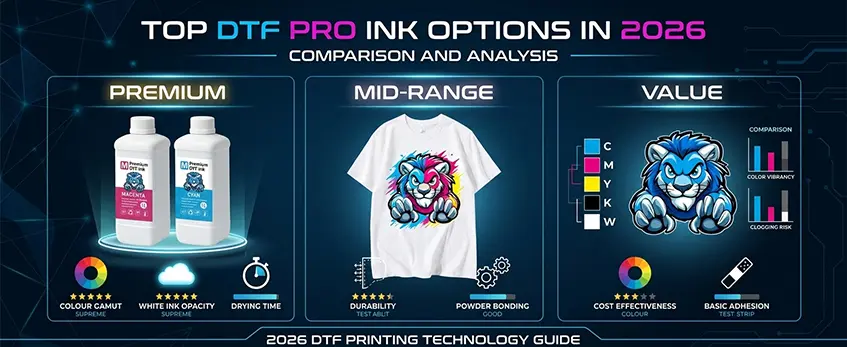
When choosing the best DTF Pro ink in 2026, real-world testing is king. We looked at color vibrancy, white ink performance, drying time, adhesion, and powder bonding across premium, mid-range, and value inks.
Ink Options at a Glance
| Tiercé d'encre | Caractéristiques principales | Pour | Cons | Meilleur pour |
|---|---|---|---|---|
| Prime | Wide color gamut, superb white ink, fast drying | Excellent durability and minimal clogging | Prix plus élevé | Businesses demanding top quality |
| Milieu de gamme | Good balance of color and durability | Reliable performance, moderate cost | Slightly slower drying | Growing businesses, mixed fabric runs |
| Value | Cost-effective, basic coverage | Budget-friendly, decent adhesion | Less vibrant colors, prone to clogging | Low-volume or test runs |
Spotlight: Jinlong DTF Pro Ink Features
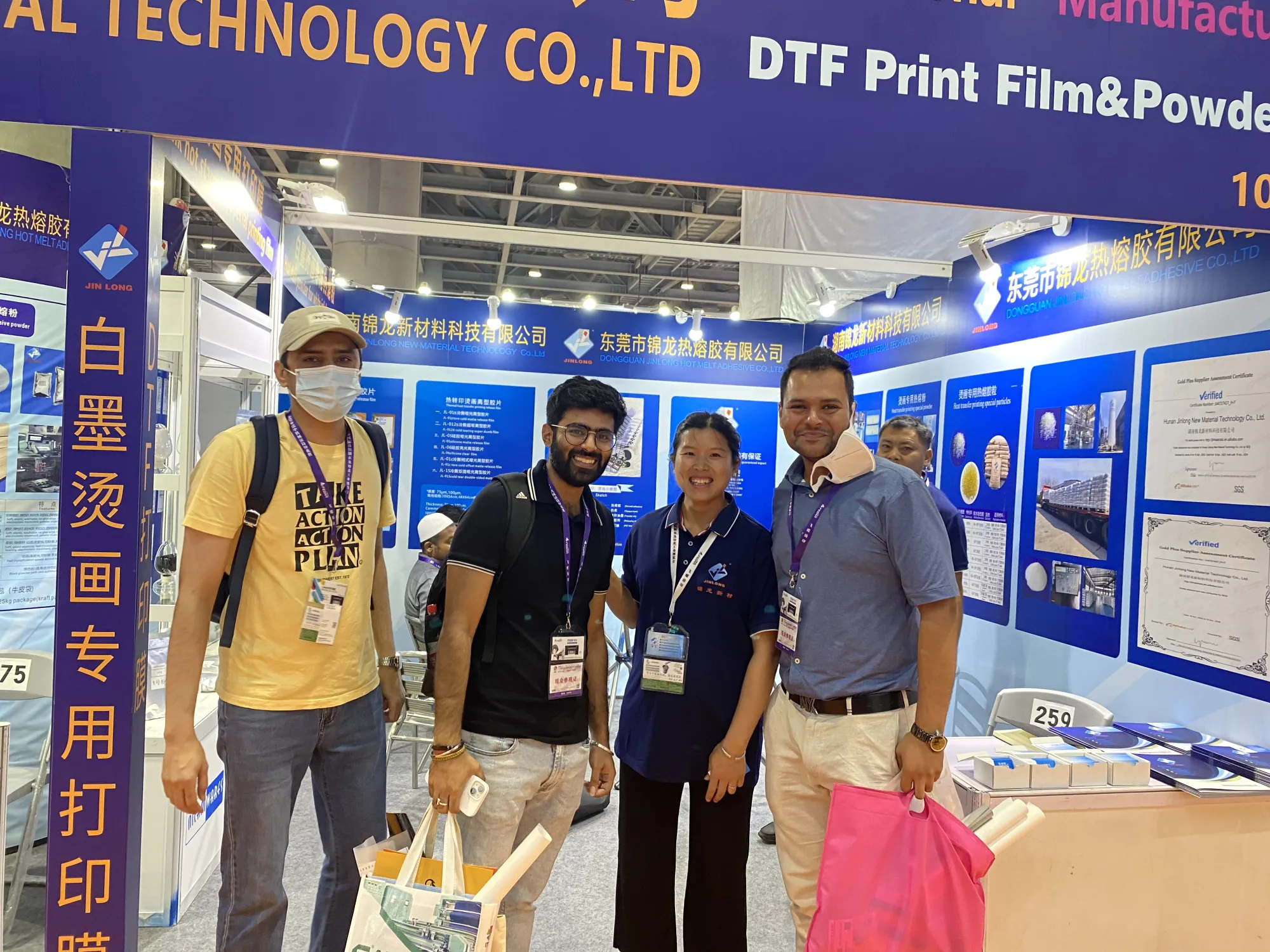
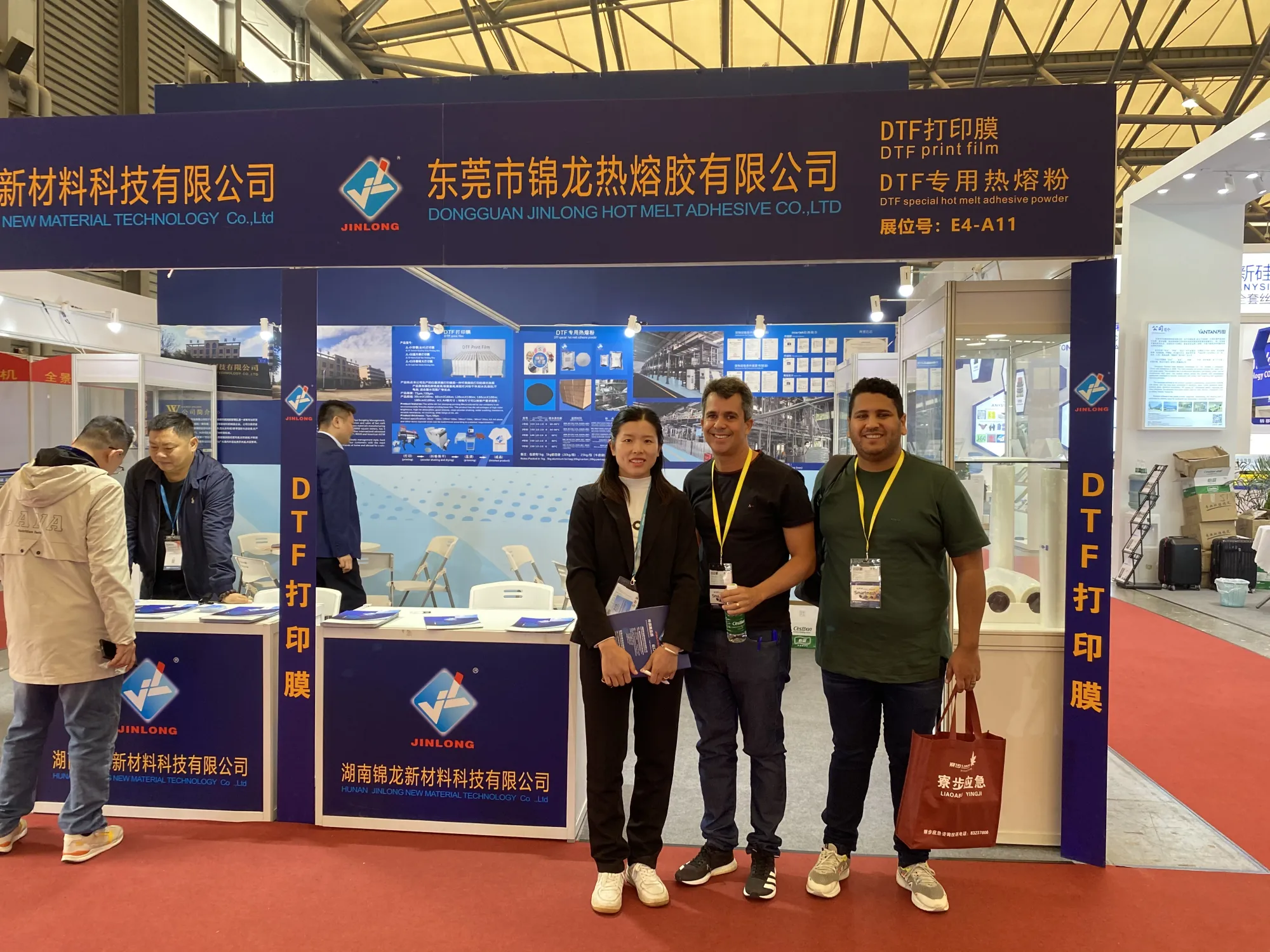
Jinlong DTF Pro Ink stands out with superb white ink resistance to clogging, excellent adhesion, and vibrant colors with fast curing times. Compatibility with Epson models like the i3200 ensures smooth integration. Plus, it balances quality and cost, making it a favorite in the professional printing world. Explore more about Jinlong’s ink and printing supplies on their detailed DTF equipment and workflow guide.
How Jinlong Measures Up Against Competitors
- Vibration des couleurs: Matches or exceeds most premium inks.
- Stabilité de l'encre blanche: Notable clog resistance, reducing maintenance.
- Durabilité: Reliable wash resistance with strong powder bond.
- Prix: Competitive, offering strong value in today\’s market.
Overall, Jinlong strikes a smart balance for pros who want quality without overspending.
Choosing the right DTF Pro ink means weighing your production needs, fabric types, and budget. Let this comparison guide your pick for reliable prints that last.
Comprehensive Buying Guide: How to Choose the Right DTF Pro Ink
Picking the best DTF Pro ink in 2026 means matching it with your printer, workflow, and goals. Here’s a simple checklist to help you decide smartly while keeping costs and quality on point.
1. Assess Printer and Workflow Compatibility
- Ensure the ink works with your printer model, especially Epson models like the i3200.
- Check if the ink suits your workflow speed and drying/curing process for efficient production.
- Compatibility with your chosen DTF powder and film is key to consistent, durable prints.
2. Define Production Needs
| Facteur | Questions to Answer |
|---|---|
| Volume | How many prints daily/weekly? |
| Types de tissus | Cotton, polyester, blends, or specialty? |
| Budget | What’s your pigment and price ceiling? |
Knowing your volume and fabric variety narrows down whether you need a premium or cost-effective ink.
3. Prioritize Performance Factors
- White Ink Quality: Look for high opacity and anti-clogging features to avoid downtime.
- Color Gamut & Vibrancy: Rich, vibrant colors that hold up through wash cycles are non-negotiable.
4. Consider Total Cost of Ownership
- Factor in ink consumption rates, maintenance needs, and how often you must replace materials.
- Higher upfront cost may save money long term with less clogging and better durability.
5. Test and Trial Best Practices
- Always run sample prints on your target fabrics before bulk buying.
- Use controlled environments to check for wash durability and adhesion performance.
- Experiment with heat press temperature and time based on manufacturer recommendations.
6. Red Flags to Avoid
- Inks that frequently cause nozzle clogging or require excessive maintenance.
- Poorly performing white inks that fade or yellow after washes.
- Incompatibility with your printer heads or curing equipment.
7. Tips for Ink, Film, and Powder Integration
- Match powder particle size and melting point with your DTF Pro ink’s drying and curing profile.
- Store inks properly to maintain shelf life and prevent sedimentation.
- Maintain consistent heat press settings to optimize bonding quality.
With these points in mind, you can confidently select the best DTF Pro ink for your professional printing needs. For additional guidance on setting up your printing system and choosing the right equipment, check out this detailed guide on selecting 4-head DTF printers for your business needs.
Common Challenges with DTF Pro Ink and How to Solve Them
Using DTF Pro ink in professional printing comes with some common hurdles, but knowing how to handle them can save time and money.
Nozzle clogging and sedimentation prevention
Clogging is one of the top issues with DTF inks, especially white ink, which tends to settle faster. To prevent this:
- Shake or stir ink containers before use to keep pigments evenly mixed.
- Use ink circulation systems if possible, especially on Epson printers like the i3200 series.
- Perform regular nozzle checks and cleanings to avoid sediment buildup.
Addressing color shifting or fading issues
Color shifts can happen due to improper curing or low-quality ink. To fix this:
- Ensure your curing process matches the ink manufacturer\’s specs — under-curing leads to fading.
- Choose vibrant color DTF inks with proven color gamut accuracy.
- Store inks away from direct sunlight and extreme temperatures to preserve pigment stability.
Solving adhesion problems on various fabrics
Adhesion depends on the powder and ink bonding quality, as well as fabric type. For better results:
- Use high-quality DTF powder designed to match your ink for optimal bonding — you can find guidelines on choosing the best powders ici.
- Test adhesion on different fabrics before full production runs.
- Adjust your curing temperature and time depending on fabric thickness and type for durable garment DTF prints in 2026.
Maintenance routines for printer longevity
Long-term printer health depends on routine care:
- Clean printheads regularly to avoid ink drying and clogging.
- Use recommended inks that are fully compatible with your Epson printer model to reduce wear.
- Keep your workspace and ink storage clean to prevent contamination.
Addressing these challenges head-on will improve your DTF transfer quality and reduce downtime, saving your business time and money in the long run.
Future Trends in DTF Pro Ink Technology for 2026 and Beyond
DTF Pro ink in 2026 is set to get smarter and greener, reflecting what pros need in apparel printing. Here’s a quick look at key trends shaping the future:
| Tendance | Ce que cela signifie | Benefits for Professional Printing |
|---|---|---|
| Higher Opacity & Expanded Color Sets | New formulations bring richer whites and broader color gamuts | More vibrant, eye-catching designs on all fabrics |
| Eco-Friendly Ink Formulas | Low-VOC, biodegradable components are gaining traction | Safer workplaces and better environmental impact |
| Improved Adhesion & Wash Durability | Advanced bonding technology boosts print longevity | Prints stay fresh after many wash cycles, reducing returns |
| Faster Drying & Curing Times | Optimized curing speeds up production | Quicker turnaround, ideal for large-scale orders |
| Sustainability Focus | Brands demand green products and less waste | Appeals to eco-conscious consumers and reduces costs |
By integrating these trends, DTF roles in professional printing grow stronger. The innovation focuses on not just performance but also sustainability—a must-have for scaling apparel printing in the U.S. market.
For deeper insight on ink bonding and powder properties, check out our detailed guide on TPU powder properties: adhesion, elasticity, and durability.
Moving forward, embracing these tech advances means your prints will look better, last longer, and align with growing eco-standards—making the best DTF pro ink choice a smart, future-proof investment.


 English
  Español
  Deutsch
  Français