


Best DTF Powder for Beginners Easy Application Consistent Results
What Is DTF Powder and Why Beginners Struggle With It?
DTF powder is a hot-melt adhesive powder that plays a crucial role in Direct-to-Film (DTF) printing by bonding the printed ink to your fabric. When heated, this powder melts and sticks the design firmly onto the material, ensuring durable, vibrant transfers.
There are key types of DTF powder you should know:
- Poudre blanche: The most versatile, working well on a wide range of fabrics and colors.
- Poudre noire: Designed specifically for dark polyester fabrics to improve adhesion and design clarity.
- Particle sizes: Fine, medium, and coarse powders each offer different application experiences and finishes.
Beginners often struggle with DTF powder because selecting the wrong type or size can cause clumping, uneven bonding, or stiff prints. Common mistakes include:
- Using too much powder, leading to residue or halos around designs.
- Shaking off powder improperly, causing inconsistent adhesion.
- Choosing powders that don’t melt uniformly, resulting in poor wash durability.
The right DTF powder eliminates these issues by offering easy flow, consistent melting, and a soft hand feel. This makes your first DTF projects smoother and more successful. Understanding the basics of powder types and their right application helps avoid beginner frustration and sets you up for consistent DTF adhesion.
Key Factors to Consider When Choosing DTF Powder as a Beginner
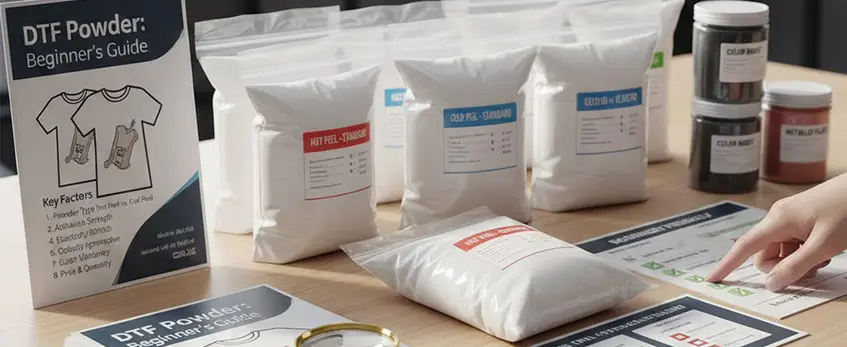
Picking the right DTF powder makes all the difference, especially when you’re just starting out. Here’s what to keep in mind:
Ease of Application: Look for powders that flow smoothly with minimal clumping. A forgiving shake-off helps avoid uneven coverage and wasted powder—this makes your first tries less frustrating.
Consistent Melting & Adhesion: The best DTF hot melt adhesive powders cure uniformly without leaving halos or residue on your prints. Consistency here means your designs stick well every time.
Hand Feel & Wash Durability: Soft, stretchy transfers that last through 50+ washes are the goal. Choose powders that don’t dry stiff or crack after multiple washes, especially for everyday wear.
Compatibilité : Make sure the powder works seamlessly with common DTF films and ink types, and across different fabrics like cotton, polyester, and blends. Versatility keeps your options open.
Safety & Storage: Beginner-friendly powders produce low dust to ensure a cleaner workspace and have a long shelf life. Proper storage ability means less waste and hassle.
Price vs. Value: Avoid cheap powders that may clog your setup or fail to adhere properly. Investing in quality DTF powder saves you time and money in the long run.
These factors help ensure you get reliable, easy shake DTF powder that leads to consistent adhesion and soft hand feel with every print.
For more info on how these basics fit into the bigger picture, check out our detailed guide on Comment l'encre DTF révolutionne l'industrie de l'impression textile.
Best DTF Powder Types for Beginners: Fine vs. Medium vs. Coarse Comparison
Choosing the right DTF powder is key for beginners aiming for easy application and consistent results. Here\’s a quick rundown:
Poudre fine
- Pour : Great for detailed designs and smooth finishes.
- Cons : Can be tricky to shake off excess, leading to clumps if not careful.
- Best Use: Small, intricate prints where detail matters.
Poudre moyenne
- Pour : The #1 beginner choice. Offers a perfect balance of ease in application, good coverage, and soft hand feel.
- Cons : Slightly less sharp on ultra-fine details but very forgiving to work with.
- Best Use: Most standard projects on cotton and polyester blends.
Poudre grossière
- Pour : Works well in humid environments and on heavy fabrics. Clumps less under moisture.
- Cons : Can look grainy on fine prints and is harder to smooth out.
- Best Use: Thick garments or when printing outdoors or in less controlled climates.
Tableau de comparaison rapide
| Type de poudre | Application Ease | Consistency of Melting | Meilleur cas d'utilisation |
|---|---|---|---|
| Fine | Moderate (tricky shake-off) | High (smooth finish) | Detailed, small designs |
| Moyen | Easy (forgiving shake-off) | Very High (uniform melting) | General use, beginners |
| Coarse | Easy (less clumping in humidity) | Good (slightly textured) | Heavy fabrics, humid climates |
Medium powder stands out as the most reliable DTF hot melt adhesive powder for beginners because it balances application ease and consistent DTF adhesion without extra hassle.
For more tips on getting started with beginner DTF printing supplies, you might want to check out detailed guides on how to test your setup and optimize results.
Top Recommended DTF Powders for Beginners
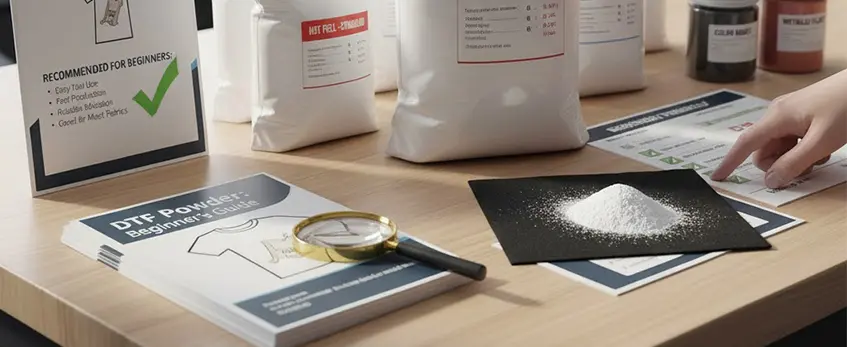
When starting with DTF printing, choosing the right powder is crucial. The jinlong DTF Premium Medium Hot Melt Powder is a top pick for beginners thanks to its smooth flow and consistent melting. It offers a soft hand feel and strong adhesion on both cotton and fabric blends, making it incredibly versatile for various projects.
Why jinlong DTF Powder Stands Out:
| Fonctionnalité | jinlong DTF Premium Medium Hot Melt Powder | Other Medium TPU Powders |
|---|---|---|
| Application Ease | Easy shake, minimal clumping | Often requires careful shaking to avoid clumps |
| Melting Consistency | Uniform melt without halos or residue | Some powders leave residue or uneven melting |
| Sensation de la main | Soft, stretchy feel after washing (50+ washes) | Can be stiff or rough after multiple washes |
| Adhesion Reliability | Strong bond on cotton, polyester blends | Sometimes less reliable on mixed fabrics |
| Polyvalence | Works well with standard films and inks | May require specific film or inks |
Compared to other popular medium TPU options, jinlong’s powder offers a frustration-free experience that’s perfect for those new to DTF. It minimizes common beginner mistakes like clumping or uneven curing, helping you get consistent DTF adhesion every time.
If you want to explore powder sizes and their differences further, check out this detailed guide on hot melt glue powder particle sizes.
Choosing jinlong DTF Premium Medium Hot Melt Powder sets you up for easy application, reliable results, and soft, durable transfers that last. It’s an ideal choice for beginners aiming for professional-quality prints without the usual headache.
Step-by-Step Guide: How to Apply DTF Powder Like a Pro (Beginner Tips)
Getting your DTF prints just right starts with mastering the powder application process. Here’s how beginners can nail it every time:
Manual vs. Shaker Application Techniques
- Manual Application: You can sprinkle DTF hot melt adhesive powder directly onto the wet ink by hand. This gives you control but can lead to uneven coverage if you’re not careful. It’s best for small jobs or touch-ups.
- Shaker Application: Using a DTF powder shaker helps distribute powder evenly and reduces clumping. For beginners, an easy shake DTF powder paired with a good shaker makes application faster and more consistent. If you run into shaker issues, check out helpful tips in the DTF powder shaker troubleshooting guide.
Optimal Powder Amount & Removal of Excess
- Aim for a light, even coating where ink is fully covered but not overloaded. Over applying leads to excess mess and poor bonding.
- After sprinkling, gently shake off the excess powder. Using the right amount ensures a smooth finish and prevents residue or halos after curing.
Curing Process (Oven Temps/Times for Best Consistency)
- Cure your coated prints in a heat oven set to about 160-180°C (320-356°F) for 2–3 minutes. This gives a consistent melt and forms a strong bond without burning or melting powder unevenly.
- Avoid curing for too long or at too high a temperature; it can cause discoloration or stiff, non-stretchy prints.
Dépannage des problèmes courants
- Uneven Melt: Check powder distribution and oven temperature—uneven powder application or cold spots in your oven cause this.
- Residue or Halo: Usually from too much powder or improper shake-off. Use powder that flows easily and shakes off cleanly.
- Poor Bonding: Make sure powder matches your inks and films and your curing time is sufficient. Using a reliable powder like jinlong DTF Premium Medium Hot Melt Powder can help avoid this.
Following these tips will help you achieve consistent DTF adhesion and a soft hand feel every time you print. For more on optimizing your process and troubleshooting application tips, the linked resources are a great place to start.
Tips for Achieving Consistent Results Every Time
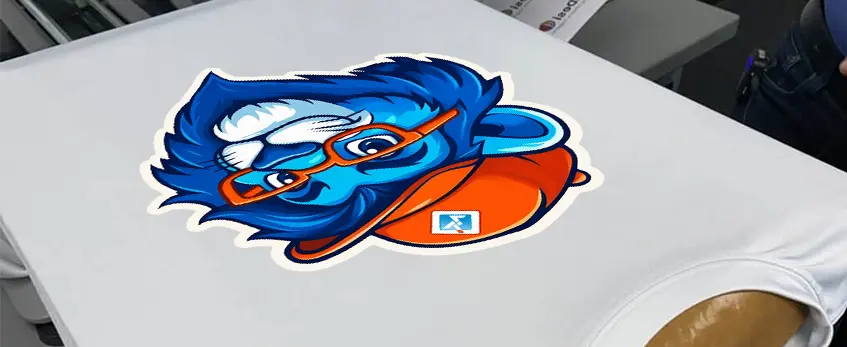
Getting consistent DTF powder application and transfers requires matching your powder to your setup. Make sure your DTF hot melt adhesive powder works well with your chosen film, ink, and heat press settings. Using compatible materials helps avoid issues like poor bonding or uneven melting.
Proper storage and handling are just as important. Keep your powder sealed in a dry, cool place to prevent clumping and dust buildup. Shake containers gently but thoroughly before use to ensure an even application.
Always test small batches before going full-scale. This lets you dial in oven temps and heat press pressure to achieve the best uniform cure without halos or residue.
For long-lasting prints, follow proper washing and care instructions. Use cold water, gentle detergent, and avoid harsh chemicals or high heat in drying. This helps maintain a soft hand feel and wash durable DTF transfers even after 50+ washes.
By following these steps, you’ll enjoy consistent DTF powder application and frustration-free printing every time. For more tips on choosing the best film and printing supplies, check out our guide on comment choisir le meilleur papier transfert pour vos projets d'impression.
Foire aux questions (FAQ)
Is medium powder really the best for beginners?
Yes, medium DTF powder is often the best choice for beginners because it strikes a perfect balance between easy application and reliable adhesion. It flows smoothly without clumping, provides consistent melting, and works well with most designs and fabrics. This makes it an ideal pick for those just starting out with DTF printing.
Can beginners use jinlong DTF powder with any printer?
Jinlong DTF powder is highly compatible with standard DTF printers and inks, making it beginner-friendly. Whether you’re using entry-level or more advanced models, this powder offers consistent DTF adhesion and a soft hand feel across cotton, polyester, and blends. For best results, pairing it with quality films and inks designed for DTF will help avoid bonding issues.
How many washes can I expect?
With the right application and curing process, prints using jinlong DTF powder typically last 50+ washes without fading or cracking. The powder delivers wash durable DTF transfers that maintain softness and stretch, ensuring your designs stay vibrant and comfortable for the long haul.
What if my powder clumps?
Powder clumping is a common beginner mistake that usually happens due to moisture or uneven application. To prevent this:
- Store your powder in a dry, airtight container
- Use a proper shaker or manual spreading technique to apply an even, light layer
- Avoid applying too much powder at once
If clumping occurs, gently break up the lumps and test a small batch before a full run. Choosing a quality, easy shake DTF powder like jinlong helps reduce clumping risks significantly.
For more tips on curing DTF powder without causing issues like uneven melting or residue, check out this detailed guide on Comment durcir la poudre DTF avec une presse à chaud sans provoquer de déformation du film ?.


 English
  Español
  Deutsch
  Français