


Best DTF Powder Buyer’s Guide 2026 Top Picks and Features
Understanding DTF Powder and Its Role in the Process
Direct to film (DTF) powder, also known as Poudre adhésive DTF ou hot melt powder for DTF, is a game-changer in heat transfer printing. It acts as the essential bonding agent that secures your printed design onto fabric, ensuring long-lasting wear and wash resistance.
How DTF Powder Works: Application, Melting, and Bonding
The process is simple but precise. After printing your design onto the film using special DTF inks, you evenly apply the hot melt adhesive powder. This powder sticks to the wet ink. When the printed film goes through a curing stage—usually via heat—the powder melts and fuses the print to the fabric\’s fibers. This melting and bonding are what make your transfer durable and vibrant.
Common Materials: TPU, PES, PA — Why TPU Dominates
DTF powders are typically made from thermoplastic materials such as TPU (thermoplastic polyurethane), PES (polyester), or PA (polyamide). Among these, TPU DTF powder is the clear leader in the industry. Its flexibility, strong adhesive qualities, and excellent wash resistance make TPU ideal for a wide range of fabrics including cotton, polyester, and blends. TPU’s ability to maintain elasticity without cracking or peeling sets it apart from PES and PA powders, making it the preferred choice for premium DTF transfers.
Understanding these fundamentals sets you up for choosing the best DTF powder to suit your printing needs and ensures professional, durable, and vibrant results every time.
Types of DTF Powder: Color and Particle Size Differences
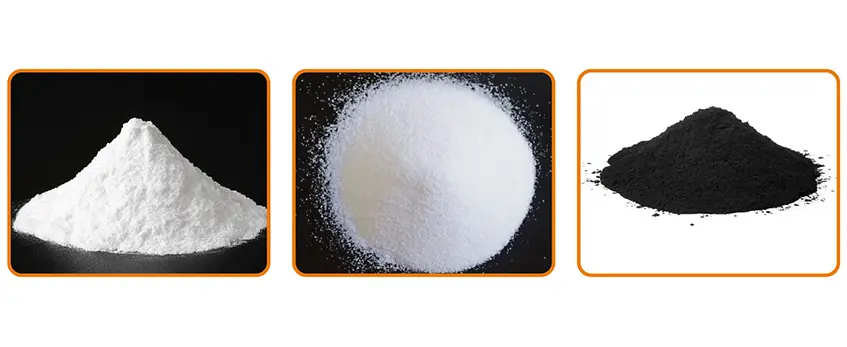
When choosing the best DTF powder, understanding the types available by color and particle size is key to getting the quality and performance you want.
By Color: White vs. Black DTF Powder
White DTF powder is the most common and essential for printing on light-colored fabrics. It offers excellent opacity and helps the colors pop by acting as a bright base layer. Plus, white powder often blocks sublimation dyes, which means it prevents unwanted color bleeding on polyester blends.
Black DTF powder is designed for dark or black fabrics. It enhances the opacity and vibrancy of prints on these surfaces where white powder won’t work well. Black powder tends to resist fading and yellowing over time, making it ideal for durable, professional transfers.
By Particle Size: Fine, Medium, and Coarse
DTF powder comes in different particle sizes, affecting the print detail, softness, and durability of the transfer:
Fine (0-80 microns): Best for highly detailed designs and soft hand feel. It melts smoothly for crisp, delicate lines but might have slightly less durability for heavy-use garments.
Medium (80-170 microns): The most versatile size, offering a balance of softness, detail, and durability. Perfect for most applications, especially when you want consistent adhesion and wash resistance.
Coarse (170+ microns): Offers the most durability and is better for rougher fabrics or prints requiring strong adhesion. It can feel a bit stiffer on the garment and may not capture fine details as well.
Pros and Cons
| Type | Pour | Cons |
|---|---|---|
| Poudre blanche | Great color vibrancy, sublimation blocking | Not suitable for dark fabrics |
| Poudre noire | Perfect for dark textiles, fade-resistant | Limited use on light fabrics |
| Fine Particles | Soft hand feel, high detail | Less durable on rough use |
| Medium Particles | Balanced performance, good durability | Slightly less soft than fine powders |
| Coarse Particles | Very durable, strong adhesion | Stiffer feel, less detail accuracy |
Choosing the right combination of color and particle size depends on your specific fabric needs and print goals. For tips on powder application and choosing the best powder shaker for your setup, check out how to choose the right DTF powder shaker for your DTF printer setup.
Key Factors to Consider When Buying DTF Powder
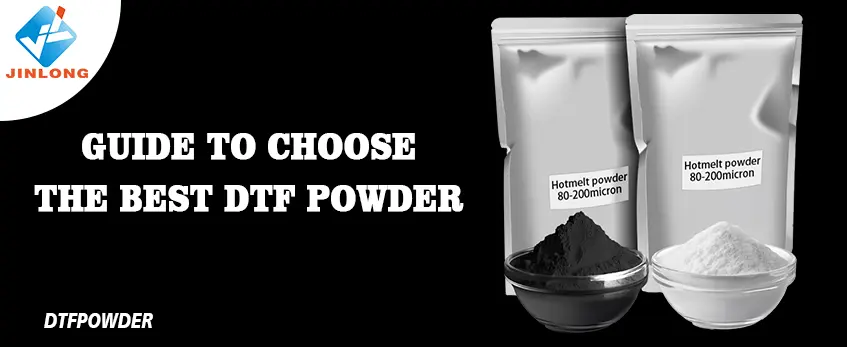
Choosing the best DTF powder means balancing several important factors to get durable, vibrant prints that feel great on fabric.
Adhesion Strength and Wash Resistance
Look for a DTF adhesive powder that sticks firmly to both the film and fabric. Strong adhesion means your prints won\’t crack or peel after multiple washes. Wash-resistant DTF powders are essential for apparel that goes through regular cleaning.
Hand Feel and Elasticity
The feel of your final print matters—a softer DTF powder creates a more natural, elastic finish that’s comfortable to wear. If the powder is too coarse or stiff, the design may feel heavy or plasticky on the garment.
Color Vibrancy and Opacity
DTF powders impact how bright and opaque your colors appear. High-quality powders offer excellent color vibrancy and block the base fabric color well, especially on dark or colored fabrics. This makes your prints pop every time.
Melting Point and Compatibility with Inks/Films
Check the melting point of the powder to ensure it matches your heat press settings and inks. Powders that melt too quickly can cause smudging, while those with high melting points might not bond well. Compatibility with your existing DTF inks and film is crucial for smooth transfers.
Particle Uniformity, Moisture Resistance, and Shelf Life
Uniform particle size helps with even powder application, preventing clumps or spots. Moisture-resistant powders are less likely to degrade or cake up over time, extending shelf life. Proper storage keeps your DTF powder fresh and ready for use.
Fabric Versatility (Cotton, Polyester, Blends, Nylon, etc.)
Choose a powder suitable for the types of fabrics you’ll print on most often. TPU-based DTF powders tend to work well across cotton, polyester, blends, and nylon, offering strong adhesion and flexibility.
Price vs. Performance and Environmental Considerations
While it’s tempting to pick cheaper powders, investing in premium DTF powders often means better durability, softer hand feel, and richer colors. Consider eco-friendly options too, especially if you want to reduce environmental impact without sacrificing quality.
For a reliable source of high-quality powders, check out the Options de poudre adhésive thermofusible TPU DTF that balance these factors well and support vibrant, lasting prints.
How to Apply DTF Powder for Best Results
Applying DTF powder correctly is key to getting vibrant, durable prints. Whether you’re using a manual or automatic shaker, following the right steps can make all the difference.
Step-by-Step Application Tips
Manual Application:
- After printing your design onto the film, immediately sprinkle the DTF adhesive powder evenly over the wet ink.
- Use a small mesh sieve or shaker to get a consistent layer without clumping.
- Gently tap off any excess powder to avoid uneven texture.
Automatic Shaker:
- Set the shaker to distribute a fine, even layer of powder across the entire printed area.
- Adjust the shaker speed and powder amount based on your film size and ink wetness.
- Automatic application helps with consistent coverage and repeatability, which boosts overall print quality.
Meilleures pratiques en matière de durcissement
- Cure the powder-coated film at 160-170°C (320-338°F) for about 2 to 3 minutes.
- Make sure the powder melts uniformly—this creates a strong bond to the ink.
- Avoid overheating, which can cause discoloration or brittleness.
- Use a conveyor dryer or heat press with precise temperature control.
Les erreurs courantes à éviter
- Applying powder to dry ink – this results in poor adhesion and flaky prints.
- Overloading powder, leading to clumping and rough hand feel.
- Not curing long enough or at the right temperature, causing peeling or cracking after wash.
- Inconsistent powder distribution, especially during manual application.
- Storing powder improperly, which leads to moisture buildup and affects powder flow.
For best results, consider using a high-quality TPU DTF powder designed for uniform melting and reliable bonding. With these tips, you’ll get smooth, durable transfers that stand up to washing and handling.
Top Picks: Best DTF Powders in 2026
When choosing the best DTF powder, we focused on adhesion strength, wash durability, user feedbacket polyvalence for different fabrics and printers. Here’s a quick rundown of the top picks for 2026 that cover a range of needs and budgets.
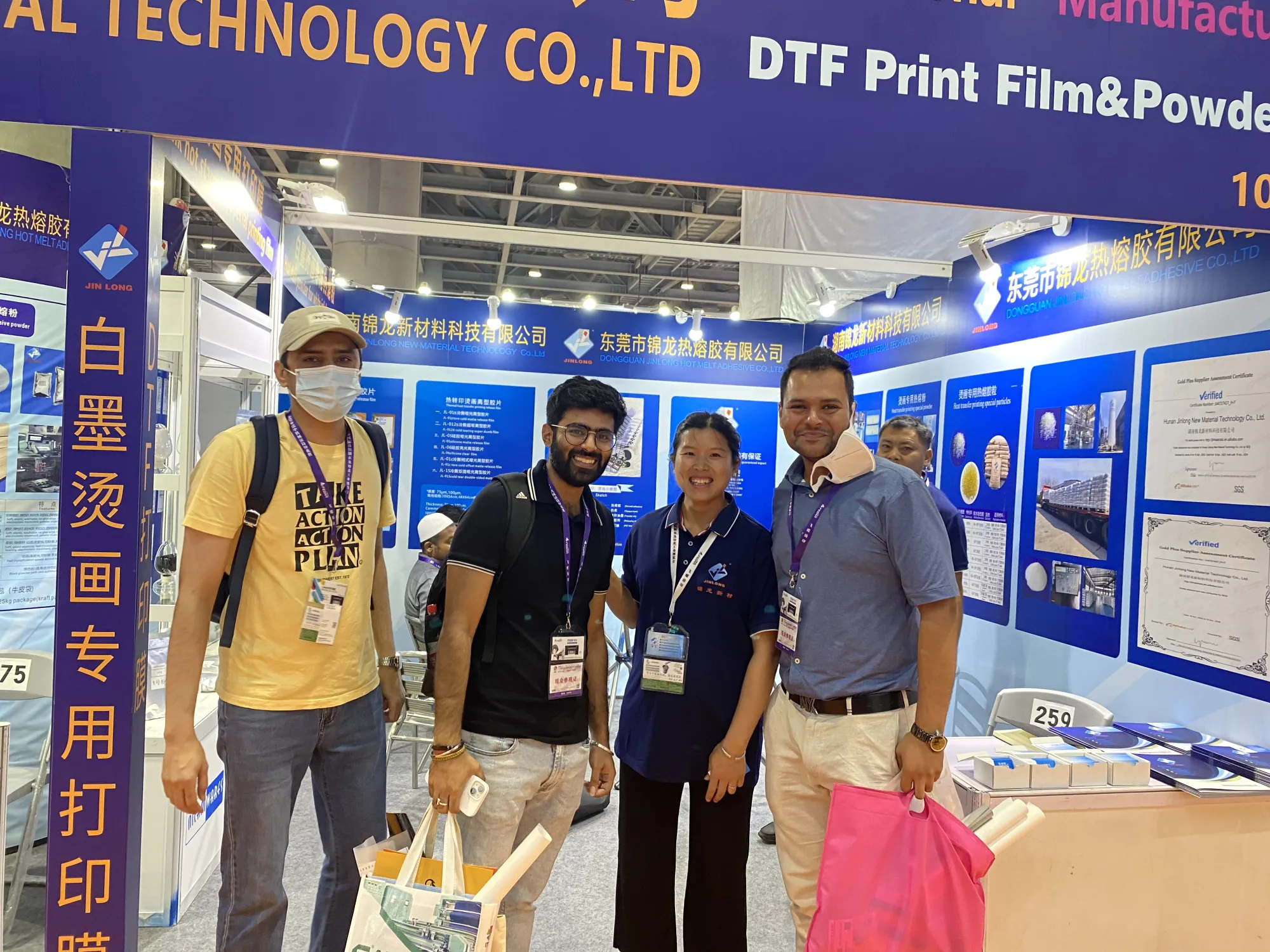
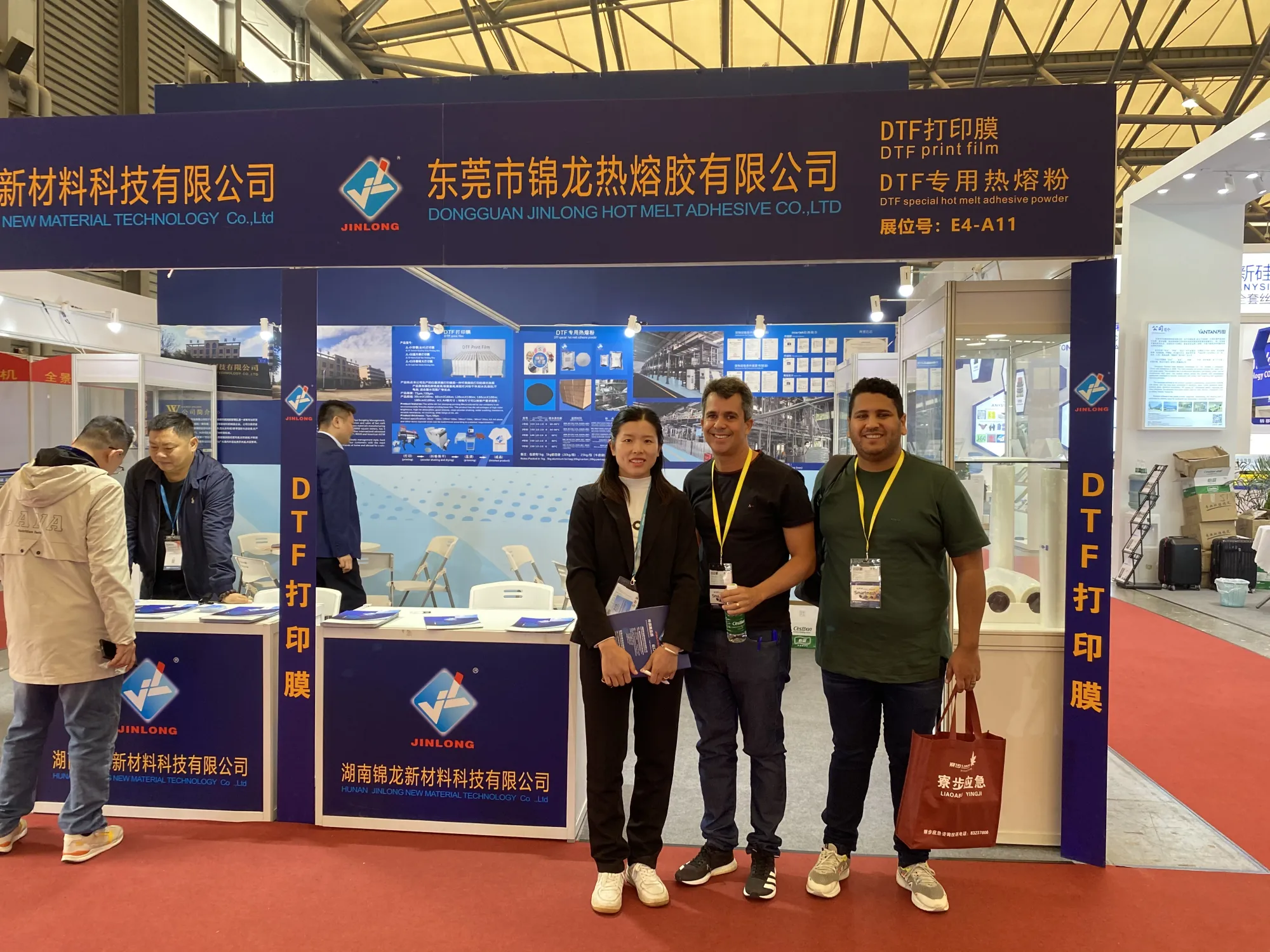
#1 Recommendation: jinlong DTF Powder
Why jinlong? Known for its superior TPU-based DTF adhesive powder, jinlong offers excellent bonding, vibrant colors, and a soft hand feel. It melts evenly, providing strong wash resistance even after multiple cycles, making it perfect for cotton, polyester, and blends.
Pour :
- High adhesion and durability
- Consistent particle size for uniform application
- Works on light and dark fabrics (especially when paired with white DTF powder)
- Competitive price for premium quality
- Trusted by users for long-lasting transfers
Cons :
- Slightly higher price than entry-level powders
- Requires precise curing times for best results
You can explore more about their Poudre adhésive thermofusible TPU DTF for a deeper look at specs and application tips.
Runner-Up Options
- Premium TPU-Based Powders: Great for fine details and soft hand feel, ideal for high-end apparel printing. Perfect if you want extra smoothness and flexibility.
- Budget-Friendly Medium Powders: Offer decent adhesion and wash resistance, suitable for beginners or volume printing on cotton blends.
- Specialized Black DTF Powders: Designed for dark fabrics with sublimation blocking properties, ensuring sharp contrast without color bleed.
Comparison Table: Best DTF Powders in 2026
| Type de poudre | Caractéristiques principales | Fourchette de prix | Ideal Use Cases |
|---|---|---|---|
| jinlong TPU DTF Powder | Strong adhesion, fine particle size, soft feel | $$ – Premium | Cotton, polyester, blends, sportswear |
| Premium TPU-Based Powders | High detail, flexible, soft hand | $$$ | Fashion apparel, detailed prints |
| Budget Medium Powders | Good durability, easier on wallet | $ – $$ | Bulk orders, casual wear |
| Specialized Black Powder | Sublimation blocking, vibrant black base | $$ | Dark fabrics, polyester blends |
Choosing the right DTF powder comes down to balancing your project needs with budget and fabric type. For most users in the US market aiming for durable, vibrant prints, jinlong’s DTF powder is a solid first choice. For more insights on DTF printing materials, you might find useful tips in our guide on selecting the best printer for high-quality prints, which covers complementary tech in the industry.
Troubleshooting Common DTF Powder Issues

Lorsque l'on travaille avec Poudre DTF, a few common problems may pop up, but the good news is they’re usually easy to fix once you know what to look for.
Cracking or Peeling After Washing
This often happens due to poor adhesion or using the wrong powder type for your fabric. Make sure you\’re using a washable DTF adhesive with strong bonding properties. Also, check that the processus de durcissement was thorough—insufficient curing can cause the powder to crack or peel after a wash. Using powders with the right melting point and good elasticity helps prevent these issues.
Dull Colors or Poor Adhesion
Dull prints or weak adhesion are usually signs of improper powder application or incompatible powders and inks. Using TPU DTF powder designed for vibrant color vibrancy and opacity ensures the colors pop. Also, avoid overloading the powder, which can lead to clumps and weak bonding. For best results, consider using powders specifically formulated for your fabric type, like DTF powder for cotton or polyester blends.
Clumping or Uneven Application
Clumping is often caused by moisture or uneven powder distribution. Make sure your powder is stored in a dry place to maintain moisture resistance. Using an automatic shaker or following precise DTF powder application tips can also help spread the powder evenly for a consistent finish.
By addressing these issues early, you can get smooth, durable transfers that last. For more tips on improving your print quality and cutting costs, check out our guide on how to reduce your DTF printing cost without sacrificing quality.
Storage and Maintenance Tips for DTF Powder
Proper storage plays a big role in keeping your DTF powder fresh and ready for use. Always store the powder in a cool, dry place away from direct sunlight and humidity. Moisture can cause clumping and reduce the powder’s effectiveness as a hot melt adhesive powder. Using airtight containers or resealable bags helps protect the powder from moisture and contaminants, preserving its quality longer.
Shelf Life and Signs of Degradation
Most TPU-based DTF powders have a shelf life of about 12 to 18 months when stored correctly. Over time, you might notice the powder changing color, developing lumps, or losing its flowability—all signs of degradation. If you see cracking or poor adhesion after transfer, your powder might have absorbed moisture or expired, impacting wash resistance and bonding strength.
To extend the life of your DTF powder and maintain consistent results, make sure to follow recommended storage and handling guidelines. For more detailed advice on powder application and maintaining quality, check out our comprehensive guide on the importance of the Agitateur de poudre DTF.


 English
  Español
  Deutsch
  Français