
Aucun produit dans le panier.

Jinlong
Types d'imprimantes pour t-shirts expliqués Guide de comparaison DTF DTG Sublimation
Qu'est-ce qu'une imprimante graphique pour t-shirts ?
Si vous vous demandez comment ces images et motifs éclatants se retrouvent sur vos t-shirts préférés, l'impression graphique est la réponse. Les imprimantes graphiques pour t-shirts sont des machines spécialisées qui appliquent de l'encre ou des motifs directement ou indirectement sur le tissu. Ce procédé transforme de simples t-shirts en œuvres d'art personnalisées et portables.
Il existe deux grandes catégories d'impression : direct et transfert méthodes. Les méthodes directes appliquent l'encre directement sur le tissu, tandis que les méthodes de transfert impriment le motif sur un support distinct (comme un film ou un vinyle) avant de le transférer sur la chemise. Chaque méthode offre des avantages uniques en fonction de votre projet.
Les types d'imprimantes les plus courants sont les suivants
- Vêtement direct (DTG) qui fonctionnent comme des imprimantes à jet d'encre, en imprimant directement sur des tissus en coton.
- Direct-to-Film (DTF) qui impriment des motifs sur un film avant de les transférer à chaud sur des chemises en coton, en polyester ou en mélange.
- Imprimantes à sublimation qui fixent la teinture aux fibres de polyester pour obtenir des impressions vives sur toute la surface.
- Les options traditionnelles telles que sérigraphie, vinyle à transfert de chaleur (HTV)et broderie restent également populaires pour des besoins spécifiques.
Le choix de la bonne imprimante dépend de plusieurs facteurs :
- Type de tissu (coton, polyester, mélanges)
- Volume des commandes (petites séries personnalisées ou grands lots)
- Complexité de la conception (images photoréalistes vs. simples logos)
- Contraintes budgétaires
- Exigences en matière de durabilité
Comprendre ces principes de base vous permet de choisir la méthode d'impression idéale pour répondre à vos besoins, qu'il s'agisse de créer un tee-shirt personnalisé détaillé ou de produire des marchandises en vrac durables.
Impression directe sur vêtement (DTG)
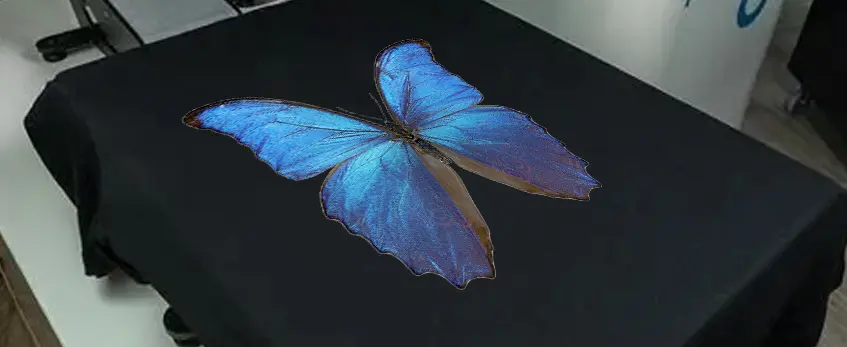
L'impression directe sur vêtement (DTG) fonctionne comme une imprimante à jet d'encre pour le papier, mais elle imprime directement sur le tissu. L'imprimante pulvérise des encres à base d'eau directement sur la chemise en coton, ce qui permet d'obtenir des dessins incroyablement détaillés et en couleur sur la surface du vêtement. La technique DTG convient mieux aux tissus en coton 100%, car les fibres absorbent bien l'encre. Pour les tee-shirts de couleur foncée, un prétraitement est généralement nécessaire pour faciliter l'adhérence de l'encre et préserver l'éclat des couleurs.
Avantages de l'impression DTG :
- Sensation de douceur car l'encre s'imprègne au lieu de se déposer sur le dessus
- Excellent niveau de détail, idéal pour les images photoréalistes et complexes
- Options de couleurs illimitées sans frais supplémentaires
- Pas de minimum de commande - idéal pour les commandes uniques ou les petits lots
Les inconvénients de l'impression DTG :
- Coût plus élevé par t-shirt par rapport aux méthodes en vrac comme la sérigraphie
- Plus lent pour les grands tirages en raison de la vitesse de l'imprimante et du temps de séchage
- Moins durable sur les mélanges de tissus et peut se décolorer plus rapidement en l'absence d'entretien approprié.
L'impression DTG est idéale pour les petites commandes personnalisées, les dessins détaillés et principalement les tees en coton. Si vous souhaitez des graphiques de haute qualité et éclatants, avec un toucher doux et sans minimum, l'impression DTG est un choix judicieux. Pour des volumes plus importants et des tissus variés, d'autres méthodes peuvent être mieux adaptées.
Impression directe sur film (DTF)
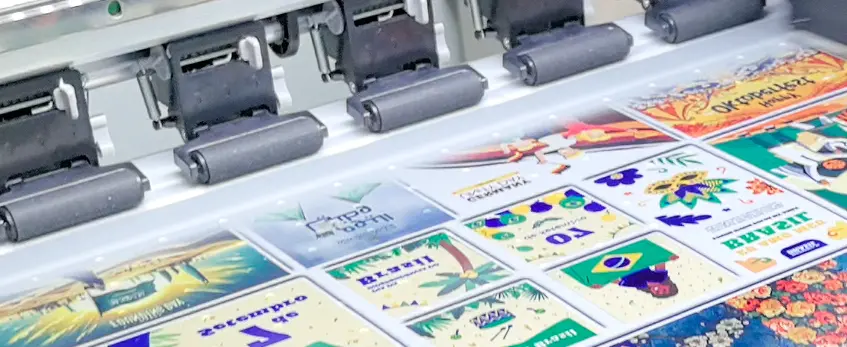
L'impression directe sur film (DTF) comporte quelques étapes bien précises : tout d'abord, le dessin est imprimé sur un film spécial à l'aide d'une imprimante utilisant de l'encre blanche comme couche de base pour garantir des couleurs éclatantes. Ensuite, une poudre adhésive est appliquée sur le film imprimé. Enfin, le film est pressé à chaud sur le tissu pour transférer le dessin. Ce procédé permet d'imprimer sur une grande variété de tissus sans nécessiter de traitement préalable.
Les imprimantes DTF de Jinlong se distinguent sur le marché en produisant des impressions régulières et de haute qualité avec une efficacité impressionnante. Leurs systèmes simplifient le flux de travail tout en garantissant une forte adhérence et des résultats éclatants, ce qui en fait un choix populaire pour les entreprises qui se développent ou qui débutent avec le DTF.
Avantages de l'impression DTF :
Compatible avec le coton, le polyester, les mélanges et le nylon
Produit des couleurs vives et lumineuses grâce à la base d'encre blanche.
Impressions durables et flexibles qui résistent bien au fil du temps
Idéal pour les petits et moyens tirages
Aucun prétraitement des vêtements n'est nécessaire
Cons :
Les dessins imprimés ont un toucher légèrement texturé par rapport aux impressions DTG plus douces.
Nécessite une presse à chaud séparée pour transférer le dessin sur le tissu.
Idéal pour :
Des graphiques personnalisés polyvalents sur des tissus sombres ou clairs, des installations conviviales pour les débutants et des entreprises qui cherchent à se développer efficacement grâce à un système fiable de gestion de l'information et de la communication. Imprimante DTF.
Pour en savoir plus sur les options de films efficaces, consultez le site meilleur rouleau de film DTF pelable à chaud conçu pour une production plus rapide et de haute qualité.
Impression par sublimation
L'impression par sublimation consiste à transformer des encres colorantes spéciales en un gaz qui se lie directement aux fibres de polyester. Ce procédé permet de créer des motifs vibrants en couleurs qui font partie intégrante du tissu et ne se contentent pas de le recouvrir. Pour commencer, vous avez besoin d'une imprimante à sublimation, de papier à sublimation et d'une presse à chaud pour transférer le motif.
Pour :
- Permet d'obtenir des impressions lumineuses et complètes avec des couleurs riches.
- Extrêmement durable et résistant à la décoloration ou à la fissuration après lavage
- L'encre étant infusée dans les fibres, le tissu reste respirant et doux.
Cons :
- Ne fonctionne que sur le polyester ou les tissus synthétiques de couleur très claire.
- Pas d'encre blanche disponible, les zones blanches des dessins restent donc de la couleur du tissu.
Idéal pour : Vêtements de sport et vêtements actifs, en particulier pour les motifs à fond perdu ou sur toute la surface des chemises à base de polyester. La sublimation est parfaite lorsque vous avez besoin d'une grande durabilité et d'impressions éclatantes sur des tissus synthétiques.
Autres méthodes d'impression de t-shirts populaires
Sérigraphie
La sérigraphie est une méthode classique qui consiste à faire passer l'encre à travers un pochoir (ou écran) sur le tissu. Elle est idéale pour les commandes en gros et les gros tirages, car une fois les écrans installés, le coût par tee-shirt diminue considérablement. Les impressions sont éclatantes et très durables, et résistent bien aux lavages répétés. L'inconvénient est que le coût initial d'installation peut être élevé, ce qui en fait une solution moins idéale pour les petites commandes ou les commandes personnalisées. Cette technique fonctionne mieux sur le coton et les mélanges de coton.
Vinyle à transfert de chaleur (HTV)
Le HTV consiste à découper des motifs dans du vinyle coloré, puis à utiliser la chaleur pour transférer ces formes sur le tissu. Cette technique est idéale pour les textes ou les logos simples et les petites séries. Le HTV offre des bords nets et est facile à utiliser pour les débutants, mais la gamme de couleurs est limitée par rapport aux méthodes numériques, et il n'est pas possible de réaliser des motifs complexes ou photographiques. Le HTV fonctionne sur la plupart des types de tissus, mais a tendance à être plus lourd sur la chemise.
Broderie
Les points de broderie s'insèrent directement dans le vêtement pour lui donner un aspect texturé de qualité supérieure. Elle est couramment utilisée pour les logos sur les polos et les uniformes, afin d'obtenir une finition élégante. Si la broderie apporte une touche professionnelle et durable, elle n'est pas adaptée aux graphiques complexes et détaillés ni aux dessins en couleur. Elle coûte également plus cher au départ et par pièce que la plupart des méthodes d'impression.
Tableau de comparaison rapide
| Méthode | Compatibilité des tissus | Coût par chemise | Meilleur volume | Durabilité | Utilisation idéale |
|---|---|---|---|---|---|
| Sérigraphie | Coton, mélanges | Faible (gros), élevé (petit) | Grosses commandes | Très élevé | Marchandises en vrac, designs simples et audacieux |
| HTV | La plupart des tissus | Modéré | Petites séries | Modéré | Logos simples, petites séries personnalisées |
| Broderie | La plupart des tissus | Haut | Petite à moyenne | Très élevé | Logos de qualité supérieure, marquage texturé |
| DTG | Principalement du coton | Haut | Petite à moyenne | Modéré | Commandes personnalisées détaillées et photoréalistes |
| DTF | Coton, polyester, mélanges | Modéré | Petite à moyenne | Haut | Graphiques personnalisés polyvalents |
| Sublimation | Polyester/tissu léger | Modéré | Moyen à grand | Très élevé | Impressions en tout genre, vêtements de sport |
Cette présentation rapide vous aide à choisir le meilleur type d'imprimante graphique pour t-shirts en fonction de vos besoins spécifiques, en équilibrant le coût, la durabilité et le tissu. Par exemple, alors que la sérigraphie est imbattable pour les commandes en gros, les méthodes telles que DTF et DTG brillent pour les travaux personnalisés flexibles en quadrichromie.
Pour en savoir plus sur les méthodes de transfert modernes, consultez notre guide détaillé sur les L'encre pour imprimante DTF et son fonctionnement, surtout si vous êtes intéressé par une méthode d'impression rentable et polyvalente.
DTF vs DTG vs Sublimation : Comparaison tête à tête
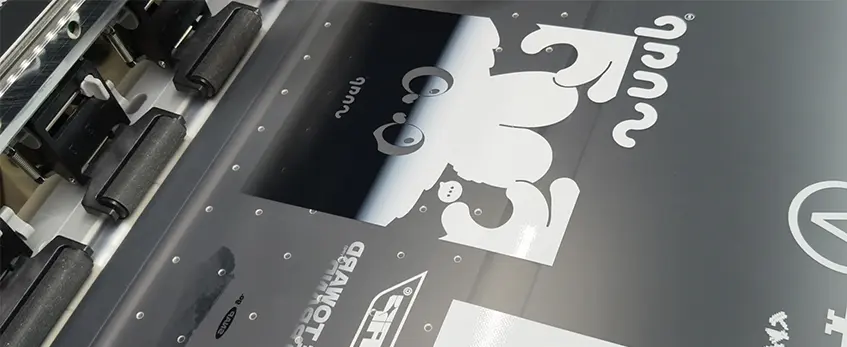
Lors du choix d'un type d'imprimante graphique pour t-shirt, La comparaison entre le DTF, le DTG et la sublimation vous aide à choisir la méthode la mieux adaptée à vos besoins.
| Fonctionnalité | Impression DTF | Impression DTG | Sublimation |
|---|---|---|---|
| Compatibilité des tissus | Fonctionne sur le coton, le polyester, les mélanges, le nylon | Meilleur sur le coton 100% ; nécessite un prétraitement | Polyester ou tissus synthétiques légers uniquement |
| Qualité d'impression et sensation | Couleurs vives, toucher légèrement texturé | Toucher doux, excellents détails | Sensation vibrante, lisse et respirante |
| Durabilité et lavage | Impression très durable et flexible | Bon sur le coton, moins sur les mélanges | Extrêmement durable, résistant au lavage |
| Vitesse de production | Modéré ; idéal pour les petites et moyennes courses | Plus lent ; idéal pour les petites commandes | Rapide pour les grands volumes et les impressions sur toute la surface |
| Rapport coût-efficacité | Coût unitaire moyen | Coût unitaire plus élevé | Rentabilité pour les impressions en masse de polyester |
| Les meilleurs cas d'utilisation | Personnalisation polyvalente, tissus mixtes | Dessins photoréalistes en coton, petites séries | Vêtements de sport, vêtements actifs, impressions à fond perdu |
Pourquoi le DTF répond souvent mieux aux besoins modernes
- Polyvalence : Traite de nombreux tissus, y compris le coton, le polyester et les mélanges - aucun prétraitement n'est nécessaire.
- Un dynamisme fiable : Produit des couleurs vives avec une base d'encre blanche durable.
- Durabilité : La poudre adhésive pressée à chaud permet de créer des motifs flexibles et durables.
- Facilité d'utilisation : Le flux de travail est simple, ce qui permet aux débutants d'augmenter leur production.
Pour les entreprises qui doivent jongler avec différents types de tissus ou qui recherchent un équilibre entre la qualité, le coût et la taille de la commande, l'impression DTF, en particulier avec des systèmes avancés comme la solution DTF de jinlong, offre une combinaison gagnante. Pour en savoir plus sur la manière d'obtenir des impressions durables et d'éviter les problèmes, consultez notre guide sur les la prévention des craquelures et de la décoloration dans les transferts DTF.
Comment choisir le bon type d'imprimante pour vos besoins
Choisir le meilleur imprimante graphique de t-shirt dépend de quelques facteurs clés : la quantité commandée, le type de tissu, la complexité du design, le budget et le délai d'exécution. Voici un guide rapide pour vous aider à faire votre choix :
| Facteur | Considération | Méthode d'impression recommandée |
|---|---|---|
| Quantité commandée | Petites séries ou travaux sur mesure | DTF ou DTG pour la flexibilité et la qualité |
| Commandes en grandes quantités | Sérigraphie pour une meilleure rentabilité | |
| Type de tissu | 100% coton ou mélanges | DTG ou DTF (aucun traitement préalable n'est nécessaire pour le DTF) |
| Vêtements de sport en polyester ou en matière synthétique | Sublimation pour des impressions éclatantes et durables | |
| Style de conception | Détaillé, photoréaliste | Le DTG brille par la finesse de ses détails |
| Logos ou textes simples | Vinyle à transfert de chaleur ou sérigraphie | |
| Budget | Moins cher au départ, plus cher par chemise | DTG ou DTF sans frais d'installation |
| Coût initial plus élevé, coût unitaire plus faible | La sérigraphie s'adapte aux budgets importants | |
| Délai d'exécution | Un délai d'exécution rapide est nécessaire | DTF (en particulier en utilisant des systèmes comme le DTF jinlong) |
| Un volume plus important avec des délais plus longs | Sérigraphie |
Scénarios types
- Impression à la demande (POD) pour les petites entreprises : Le DTF ou DTG vous permet d'obtenir des impressions de qualité sans coûts d'installation élevés. Les Systèmes DTF jinlong offrent un moyen fiable de gérer des commandes variables et de les adapter efficacement.
- Marchandises en vrac : La sérigraphie l'emporte grâce à son faible coût par chemise et à sa durabilité.
- Vêtements de sport en polyester ou vêtements de sport en couleur : La sublimation est imbattable pour les dessins vibrants et respirants.
Conseils pour les essais et les investissements
- Testez toujours des échantillons d'impression sur le tissu que vous avez choisi avant d'effectuer des tirages importants.
- Envisagez d'investir dans des systèmes éprouvés tels que les imprimantes DTF de Jinlong pour leur facilité d'utilisation, leur durabilité et l'éclat de leurs couleurs.
- Tenez compte des coûts d'entretien et des consommables pour éviter les surprises.
Le choix du bon type d'imprimante consiste à trouver un équilibre entre la qualité, le coût et les besoins spécifiques de votre entreprise. Des options telles que DTF, DTG et la sublimation ouvrent la voie à différents scénarios.
Entretien et conseils pour des résultats de haute qualité
Pour que vos impressions graphiques sur t-shirt restent impeccables, il faut veiller à l'entretien et à la résolution des problèmes les plus courants. Pour l'impression DTG, veillez à prétraiter correctement les vêtements sombres avant l'impression afin d'éviter la décoloration de l'encre et l'affadissement des couleurs. Pour les impressions DTF, il est essentiel d'appliquer la poudre de manière uniforme ; une poudre irrégulière peut entraîner une mauvaise adhérence ou des textures rugueuses. Vérifiez régulièrement votre équipement, en particulier si vous utilisez de l'encre blanche pour les impressions DTF, car cela peut entraîner le colmatage des têtes d'impression. Des ressources telles que jinlongprints.com proposent des solutions utiles pour résoudre ces problèmes.
Pour l'entretien des vêtements, retournez les chemises imprimées avant de les laver à l'eau froide et utilisez des détergents doux pour conserver l'éclat des couleurs. Évitez le séchage à haute température pour éviter les craquelures ou le décollement au fil du temps.
À l'horizon 2026, la tendance est aux encres écologiques et aux méthodes d'impression hybrides. Ces options visent à réduire l'impact sur l'environnement tout en maintenant la qualité et la durabilité de l'impression, ce qui devient de plus en plus important pour les clients américains et les entreprises axées sur le développement durable. En restant au fait de ces innovations, votre entreprise d'impression peut rester compétitive et responsable.


 English
 Español
 Deutsch
 Français