



Complete Guide to TPU Powder DTF for Durable Vivid Prints
Ever wondered why some DTF prints last wash after wash while others crack or peel? The secret often lies in the choice of TPU powder—a powerhouse adhesive that makes the difference between brittle transfers and buttery-soft, stretchable designs that truly stand out. Whether you’re just starting with Direct-to-Film printing or looking to elevate your print quality, understanding TPU powder DTF is a game changer. In this guide, you’ll discover everything you need to know to achieve vibrant, durable prints that keep customers coming back—and why premium options like jinlong DTF’s TPU powder can take your workflow from good to exceptional. Ready to unlock flawless, high-quality prints? Let’s dive in!
What Is TPU Powder in DTF Printing?
TPU powder, or thermoplastic polyurethane adhesive powder, is a key ingredient in the Direct to Film (DTF) printing process. Think of it as the hot-melt glue that bonds your vibrant print to fabrics. Made from tiny particles of TPU, this powder melts under heat and pressure, creating a flexible and durable connection between the printed film and your garment.
During printing, after the ink is applied on the film, the TPU powder is dusted over the wet ink. When heat is applied—usually in a curing oven or heat press—the powder melts and activates, firmly adhering the design to the fabric while keeping the print soft and stretchy. This heat-activated bonding is what ensures your transfers won’t crack or peel, even after multiple washes.
Historically, TPU powder evolved as printing technologies demanded better adhesives. Traditional powders often resulted in stiff or quickly fading transfers. TPU’s rise in the printing industry marked a shift toward more elastic, long-lasting, and wash-resistant prints, making it a top choice for apparel decorators seeking top-tier quality and performance.
Why Choose TPU Powder for Superior Print Quality?
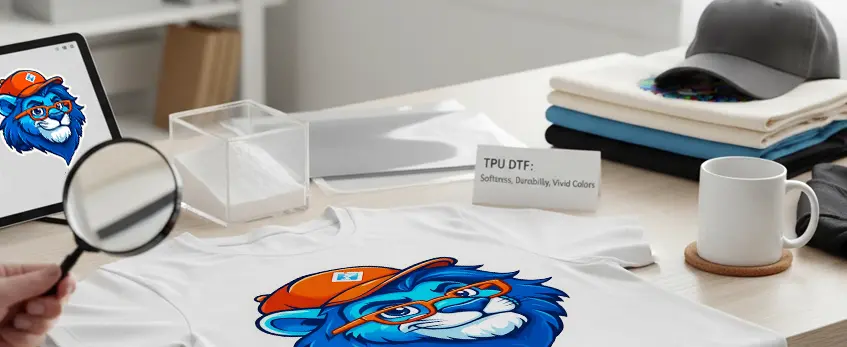
TPU powder is a game-changer in DTF printing because it offers elasticity and a soft hand feel, making prints stretchable without cracking or losing shape. This is perfect for activewear or any garment that needs to move with you.
It also boasts durability and wash resistance, easily surviving 60+ washes while keeping prints intact. That means your designs stay vibrant and fresh longer, a must-have for high-quality apparel brands.
Versatility Across Fabrics
- Works great on cotton, polyester, and blends
- Ensures strong adhesion whether you\’re printing on light or dark garments
- Keeps prints flexible and breathable
Vibrancy Enhancement
TPU powder helps preserve color sharpness and brightness by improving ink adhesion during the heat activation process. Your designs pop with clear, vivid colors every time.
TPU Powder vs. Other Powders
| Feature | TPU Powder | Standard Hot Melt Powder | Anti-Sublimation Powder |
|---|---|---|---|
| Soft Hand Feel | Yes | Moderate | No |
| Wash Resistance | 60+ washes | 30-40 washes | 50+ washes |
| Flexibility | High | Low | Medium |
| Vibrancy Support | Excellent | Good | Good |
| Fabric Compatibility | Wide (cotton/polyester/blends) | Limited | Limited |
Real Production Improvements
Brands switching to TPU powder in their DTF process report faster production times due to better curing and less peeling. It reduces rejects and boosts customer satisfaction.
For a full look at the essentials for perfect prints, check out our detailed comprehensive guide to DTF transfer paper and powder.
Types of TPU Powder: Fine, Medium, and Coarse Explained
Choosing the right TPU powder particle size is crucial for getting the best results in your DTF printing. Here’s a quick breakdown:
- Fine TPU Powder: Perfect for detailed designs and lightweight fabrics like thin cotton or polyester blends. Its tiny particles create a smooth finish and sharp edges.
- Medium TPU Powder: The all-rounder—works well on standard cotton, polyester, and blends, balancing coverage and detail.
- Coarse TPU Powder: Best for thicker materials or designs that need extra durability. It provides a stronger grip but can be less sharp on fine details.
Color Variants for Different Garments
TPU powders come in colors tailored for either light or dark garments. Light-colored powders enhance prints on white or pastel fabrics, while darker powders help maintain vibrancy and opacity on black or deep-tone apparel.
Selection Guide: Which TPU Powder Is Right for You?
To decide quickly:
- Are you printing on delicate or heavyweight fabric?
- Do you need razor-sharp details or strong adhesion?
- Is your garment light or dark-colored?
Answering these questions will lead you to the ideal TPU powder type and color, ensuring vibrancy and durability. For a smoother workflow, check out our detailed DTF powder application guide that pairs perfectly with each powder type.
Step-by-Step Guide: Applying TPU Powder for Flawless DTF Transfers
Achieving high-quality prints with TPU powder in your DTF process starts with proper preparation and precise application. Here’s how to get it right every time:
Preparation Phase: Equipment and Design Setup
- Choose the right printer and inks: Use compatible DTF printers and vibrant DTF ink CMYK to ensure sharp designs.
- Select the appropriate film: Pick suitable transfer films like the 33cm double basic or 40cm single standard series for your project size and fabric type.
- Design check: Confirm your artwork is mirror-imaged and printed at the right resolution. Set curing oven temperatures based on powder type to avoid overheating or undercuring.
Application Process: Step-by-Step
- Print your design on DTF transfer film. Allow it to dry slightly but stay tacky for powder application.
- Apply the TPU powder evenly: Use a shaker or manual duster to spread a thin, consistent layer of TPU powder over the printed side. Pay attention to detail areas to avoid lumpiness.
- Shake off excess powder: Gently tap off extra powder to avoid clumps that affect transfer quality.
- Cure the powder: Place the film in a heat press or curing oven at recommended temperatures (typically around 150-160°C) for the right duration, activating the TPU’s hot-melt adhesive properties.
Pro Tip for Visual Learners
For a hands-on look, check out this demo video showcasing proper powder application and curing techniques—watching the process in action can save you time and improve your print results.
Following these steps carefully will ensure your TPU powder DTF prints have exceptional adhesion, soft hand feel, and durability, delivering professional custom apparel every time.
Best Practices for High-Quality Results with TPU Powder DTF

To get the best out of your TPU powder DTF prints, proper storage and careful handling are key. Keep your TPU powder sealed in a cool, dry place away from direct sunlight to extend its shelf life and maintain its adhesive properties. Moisture and heat can cause clumping or reduce effectiveness, so airtight containers work best.
Avoid some common mistakes like uneven powder application—it causes patchy prints and weak adhesion. Overheating during the curing process is another frequent issue, leading to discoloration or a stiff feel. Stick to recommended curing oven settings for consistent results, and always test on a small fabric piece first.
Here are some simple optimization tricks to boost your print quality:
- Use a fine sieve to apply powder evenly.
- Adjust heat and pressure settings based on fabric type.
- Perform regular test prints to fine-tune color retention and bonding.
If problems arise, quick fixes include:
- Reapplying powder on missed spots before curing.
- Lowering heat slightly to prevent burning.
- Cleaning your curing oven regularly for even heat distribution.
Following these best practices ensures wash-resistant DTF prints with vibrant colors and a soft hand feel that lasts. For more on optimizing your process, check out our detailed DTF powder application guide.
Jinlong DTF: Your Go-To Source for Premium TPU Powder

When it comes to top-tier TPU powder DTF, Jinlong DTF stands out as a trusted brand in the U.S. market. Their powders are OEKO-TEX certified, ensuring you get pure, non-toxic TPU powder that’s safe for both you and your customers. The low-melt formulas are designed to activate smoothly during the heat press, creating flexible, durable bonds without damaging garments.
Jinlong’s TPU powders also shine with consistent quality that boosts print vibrancy and longevity—perfect for creating wash-resistant DTF prints that last over 60 washes. Don’t just take our word for it; many users praise how Jinlong’s powders improved their production efficiency and print softness, achieving that sought-after soft hand feel transfers.
Ready to upgrade your print game? Check out Jinlong’s bundle offers that combine premium TPU powder with other essentials, like DTF ink and transfer films, to streamline your workflow and maximize value.
Advanced Tips: Elevating Your DTF Game with TPU Powder
If you’re ready to take your DTF printing to the next level, there are smart moves to make that boost efficiency and quality.
Scaling for Business
Using premium TPU powder helps reduce waste and cutting down on reprints, saving money and time. Invest in precise powder application tools and the right curing oven settings to speed up production without sacrificing wash-resistant DTF prints. This means faster turnarounds and consistent quality that keeps customers coming back.
Sustainability Matters
Eco-friendly hot melt adhesive powders like TPU support greener production. Many TPU powders have low VOC emissions and are recyclable, making your printing operation more sustainable without losing durability or softness. Choosing these green options aligns with growing consumer demand for responsible apparel manufacturing.
Future Trends to Watch
Hybrid TPU blends are emerging, combining flexibility with enhanced UV resistance for garments that hold up outdoors. Expect innovations around anti-sublimation DTF powder that secure vibrant ink adhesion longer, even after dozens of washes. Staying ahead with these trends means your prints stay sharp and durable, no matter the challenge.
Quick FAQ
- Can TPU powder be used on all fabrics? Yes, especially effective on cotton, polyester, and blends.
- What’s the ideal curing temperature? Generally between 155-165°C (311-329°F), but always test for your specific setup.
- How to avoid powder clumps? Uniform spreading and properly shaking off excess powder ensure smooth prints.
For tips on optimizing your setup, explore our detailed DTF powder application guide to boost your printhead lifespan and consistency while using TPU powder.



 English
  Español
  Deutsch
  Français