


DTF vs Vinyl Printing 2026 Complete Beginner Comparison Guide
If you’re just starting out in custom apparel printing, DTF vs Vinyl can feel like an impossible choice—and 2025 is shaping up to be the year this debate really heats up. Whether you’re launching a T-shirt business, selling on Etsy, or just exploring hobbyist options, knowing the difference between Direct-to-Film (DTF) and Heat Transfer Vinyl (HTV) is crucial. This isn’t just a tech showdown; it’s about which method fits your budget, design goals, fabric choices, and workflow best. Stick around, and by the end, you’ll know exactly which printing method to pick for your unique setup—no confusion, just clear, practical insights.
Quick Definitions: What Are DTF and Vinyl (HTV) Exactly?
If you\’re new to custom T-shirt printing, you’ve probably heard of DTF and Heat Transfer Vinyl (HTV) but might be wondering what exactly sets them apart.
What is DTF (Direct-to-Film)?
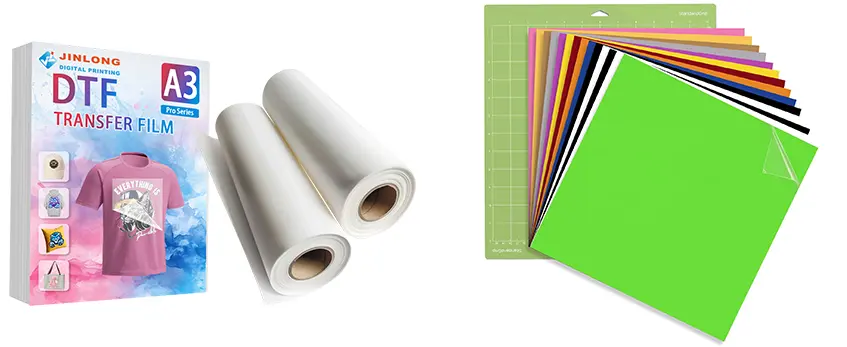
DTF (Direct-to-Film) is a digital printing method where a full-color design is printed directly onto a special PET film using a professional inkjet printer with water-based inks (including white ink for dark fabrics). After printing, the design is coated with a powder adhesive and heat-cured. Finally, the film is transferred onto the garment using a heat press.
- Ideal for: complex, multi-color designs, gradients, and photographic images
- Key feature: prints the design fully on film, which is then pressed onto fabric
- Works on: cotton, polyester, blends, and more
What is Heat Transfer Vinyl (HTV)?
Heat Transfer Vinyl (HTV) is a solid-colored vinyl sheet that’s cut into shapes or designs using a vinyl cutter (CAD-cut). You weed out (remove) the excess vinyl, leaving behind your desired design on a clear carrier sheet. This design is then heat pressed onto the fabric.
- Ideal for: simple designs with 1-3 colors
- Key feature: cut from a solid vinyl sheet, no printing involved
- Works best on: cotton and cotton blends, less stretch-friendly fabrics
Key Difference at a Glance
| Aspect | DTF | Heat Transfer Vinyl (HTV) |
|---|---|---|
| Design Type | Printed full-color film | Cut from solid color vinyl sheets |
| Color Complexity | Unlimited, gradients, photos | Limited to vinyl colors |
| Feel on Fabric | Softer, thin layer | Slightly thicker, plastic feel |
| Suitable Fabrics | Cotton, polyester, blends, nylon | Mainly cotton and cotton blends |
| Application Method | Printed film transferred | Cut vinyl pressed |
In short, DTF prints your design fully on film and then transfers it to fabric, while vinyl relies on cutting solid color sheets to form the design. Understanding this fundamental difference helps you pick the right method for your project and budget.
DTF vs Vinyl: Side-by-Side Comparison Table
| Feature | DTF (Direct-to-Film) | Vinyl (HTV / CAD-Cut Vinyl) |
|---|---|---|
| Startup Cost | Higher (DTF printer bundle around $2,500+) | Lower ($300–$700 for vinyl cutter + materials) |
| Printer/Cutter | Requires DTF printer + heat press | Requires vinyl cutter + heat press |
| Design Complexity | Great for full-color, detailed, photos | Best for simple, solid color designs |
| Color Capabilities | Unlimited colors, gradients, white ink | Limited to color vinyl sheets; layering needed |
| Wash Durability | Very durable, resists cracking and fading | Durable, can crack/peel over time with wear |
| Hand Feel | Softer, thinner finish | Slightly thicker, plastic-like feel |
| Application Time | Medium: print, powder, cure, press steps | Fast: cut, weed, press |
| Fabric Compatibility | Works well on cotton, polyester, blends | Best on cotton and stable fabrics; struggles with stretchy materials |
| Weeding | Minimal weeding needed | Time-consuming and tricky for intricate designs |
| Minimum Order | Ideal for small runs, even single pieces | Better for larger batches to justify effort |
This helps beginners quickly spot the key differences when choosing between DTF vs vinyl methods. For a deeper dive into DTF printing, check out this detailed DTF printing process guide.
Cost Breakdown – Real Numbers in 2026
When it comes to starting a T-shirt printing business in 2026, understanding the costs behind DTF vs vinyl is key. Here’s the lowdown:
Initial Investment:
DTF printer bundle: Expect to spend around $4,000–$6,000 for a complete setup, including a DTF printer, shaker, curing oven, and starter materials. For example, the popular Jinlong DTF setup offers great value with all essentials included.
Vinyl cutter + materials: A decent vinyl cutter ranges from $250–$1,000 depending on brand and size. Add in heat presses ($300–$1,200) and vinyl rolls ($15–$30 per 15 sq. ft), and your upfront costs can be $1,000–$2,500.
Per-Shirt Cost by Quantity:
| Quantity | DTF Cost per Shirt | Vinyl Cost per Shirt |
|———-|——————-|———————|
| 1 | $8–$12 | $7–$10 |
| 10 | $4–$6 | $3–$5 |
| 50 | $2.50–$3.50 | $1.50–$3 |
| 100 | $1.80–$2.50 | $1.20–$2.50 |
DTF’s cost per shirt decreases significantly with volume, especially as ink and film use levels out. Vinyl can be cheaper for simple, low-color designs but gets pricier with multi-layered, complex cuts.
Hidden Costs Beginners Often Miss:
- For DTF: Ink consumption (especially white ink), adhesive powder, and film can add up quickly. You also need to factor in maintenance supplies and curing energy use.
- For Vinyl: Vinyl waste from mistakes or complex weeding, replacement blades, and transfer tape costs are easy to overlook.
Bottom line? DTF requires a bigger upfront bet, but offers better scalability and color range. Vinyl has a lower barrier to entry but can get costly with detailed, multi-color designs. For a solid start with DTF, check out detailed XP600 DTF printer setup and maintenance tips for beginners to keep costs manageable and prints sharp.
Ease of Use & Learning Curve
When it comes to ease of use, vinyl and DTF each have their own challenges, especially for beginners.
Vinyl requires careful weeding, which means peeling away excess material around your design. This can be tricky with intricate or small details and takes patience and steady hands. Complex designs often slow down the process and can frustrate those just starting out.
DTF (Direct-to-Film) printing skips most of the weeding since designs are printed directly onto a special film. However, DTF requires extra steps like curing the print with heat and applying adhesive powder before pressing. These steps add some complexity but aren\’t too hard to master once you get the hang of it.
For a complete beginner, vinyl may take longer to perfect because of the fine motor skills needed for precise weeding. On the other hand, DTF’s workflow is more about managing the press and curing equipment, which many find easier to learn quickly.
In fact, with some practice, most beginners can master basic DTF printing or vinyl cutting in a weekend—though DTF often has a smoother learning curve for full-color or photo-quality prints.
If you want a beginner-friendly entry with less manual detail work, DTF is a strong choice. For simple, blocky designs, vinyl still makes sense but expect more patience involved.
For those curious, you can check out setups like the best DTF printer deals of 2026 to find gear that speeds up this learning phase.
Print Quality & Design Flexibility
When it comes to print quality and design flexibility, DTF has a clear edge over vinyl. DTF printing handles full-color designs with smooth gradients, detailed photos, and even small text with relative ease. This is because DTF can print unlimited colors in a single run, making it perfect for complex, vibrant artwork that traditional vinyl struggles to reproduce.
Heat transfer vinyl (HTV), on the other hand, is limited by the number of color layers you can use. Since vinyl designs are cut from solid color sheets, multi-colored or photo-quality prints require layering multiple vinyl pieces — which can get tricky, time-consuming, and less precise for fine details.
Another big advantage for DTF is its use of white ink, which allows for bright, vivid prints on dark fabrics without losing detail. Vinyl can also work on dark garments, but the colors often don’t pop as much unless you add a white base layer, which means more effort and material.
In :
- DTF prints: Excellent for complex, full-color images, gradients, photos, and tiny text with unlimited color freedom.
- Vinyl prints: Best for simple, bold designs with a few color layers.
For anyone wanting to explore DTF further, understanding the different types of DTF films and transfer sheets can help optimize print quality — you can check out our detailed guide on DTF transfer film basics to dive deeper.
Durability & Wash Test Results
Recent wash tests from 2026 to 2026, covering over 50 cycles, show clear differences between DTF and vinyl durability. Vinyl (HTV) tends to hold up well against cracking and peeling when applied correctly, especially on cotton and low-stretch fabrics. However, it’s prone to fading after many washes, particularly with bright or dark colors.
DTF prints usually excel in color retention and don’t crack or peel as easily because the ink bonds directly to the film and fabric. That said, minor fading can occur over time, especially if the curing or pressing steps aren’t done right. Dark garments benefit greatly from DTF’s use of white ink underlayers, helping colors pop without early wear.
Tips to Maximize Lifespan:
- For vinyl: use high-quality HTV and ensure precise heat press settings to prevent cracking and peeling.
- For DTF: thorough curing and proper adhesive powder application are key to durability.
- Always turn garments inside out and wash in cold water with gentle detergents.
- Avoid harsh chemicals and high-heat drying to reduce fading and material breakdown.
Balancing proper technique with quality materials will significantly extend the life of your apparel, whether you choose DTF or vinyl.
For more detailed durability insights and expert pressing tips, check out how to get the most out of a DTF printer.
Fabric Compatibility: Where DTF and Vinyl Stand Out
When it comes to fabric compatibility, both DTF and vinyl have their strengths and weaknesses depending on the material.
Vinyl (HTV) works best on cotton, cotton blends, and polyester fabrics that don’t stretch too much. It’s perfect for standard T-shirts, hoodies, and some thicker fabrics. However, vinyl struggles on stretchy or activewear materials like nylon, spandex, and performance blends because the vinyl can crack or peel as the fabric stretches or moves. Hats and curved surfaces are also tricky for vinyl unless you have specialty materials or cutters.
DTF (Direct-to-Film) excels in these areas where vinyl falls short. Since DTF prints the design on a flexible film that then transfers with adhesive powder, it bonds better with polyester, nylon, blends, and even soft hoodies or hats. The adhesive has more stretch and flexibility, making DTF perfect for activewear and fabrics that move a lot. This versatility is a major reason DTF is growing quickly in the print market. Plus, it handles lightweight and tricky fabrics better without the cracking or peeling issues vinyl sometimes faces.
For beginners and small businesses tackling a variety of fabrics, DTF offers a smoother route on polyester sportswear and blend fabrics, whereas vinyl keeps the edge on simple cotton and tri-blends. If you plan to print on stretchy or technical fabrics, DTF is likely the safer choice.
You can explore more about the specialized materials needed for DTF like TPU DTF hot melt adhesive powder, which helps ensure durable prints across tricky fabrics.
In :
- Vinyl is great for: Cotton, cotton blends, tri-blends, standard hoodies
- Vinyl struggles with: Stretchy fabrics, nylon, hats, and activewear
- DTF excels on: Polyester, nylon, blends, stretchy activewear, and hats
Choosing the right method often depends on the type of fabric you mostly print on and how much stretch you need the design to withstand.
Speed & Production Workflow
When it comes to speed, both DTF and vinyl have their own workflows that affect how fast you can produce shirts, whether it\’s a single custom order or a bulk run of 50 pieces.
Time for One Shirt (Custom Order):
- DTF: Printing one shirt with DTF is usually faster because you print a full-color design directly onto the transfer film and then cure it with a heat press. You don’t need to weed or cut separate vinyl layers, which cuts down the prep time. Expect about 10–15 minutes per shirt from start to finish.
- Vinyl: A single vinyl shirt often takes longer. You’ll need to cut the design, weed out the unwanted vinyl, and then heat press it. Complex designs with multiple colors increase the time significantly. One shirt can take 20–30 minutes or more if your design is detailed.
Time for 50 Shirts (Bulk Production):
- DTF: Bulk jobs get more efficient with DTF. You can print multiple transfers in one go and then press them in batches. The lack of weeding makes it much faster for high volume. Production time can drop to around 5–7 minutes per shirt since pressing can be streamlined.
- Vinyl: Vinyl cutting and weeding 50 shirts is labor-intensive. Even with bulk cuts, the weeding process slows you down. Layering multi-color designs increases application time too. Expect roughly 15–20 minutes per shirt on average for larger runs.
In , DTF generally offers a faster and more streamlined workflow, especially for full-color and bulk orders. Vinyl may slow you down with intricate designs or large quantities due to its manual preparation steps. For a deeper dive into efficient DTF production, check out this detailed overview of why 4-head DTF printers are the best choice for growing print businesses.
Best Use Cases – When to Choose Each
Choosing between DTF and vinyl comes down to your design needs and fabric types. Here’s a quick breakdown to help you pick the right method for your project:
| Use Case | Vinyl (HTV) Wins | DTF Wins |
|---|---|---|
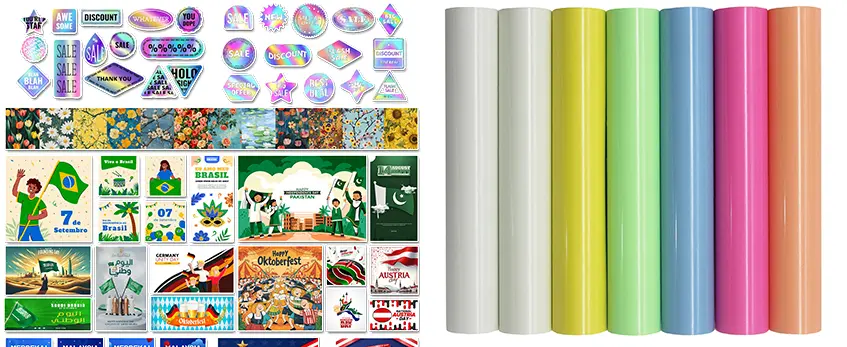
| Design Complexity | Simple 1–3 color designs | Full-color prints, gradients, photos |
| Fabric Type | Soft tri-blends, cotton | Dark garments, polyester, mixed fabrics |
| Print Detail | Bold, blocky graphics | Small text, fine details |
| Order Quantity | Larger orders with consistent designs | Low MOQ full-color orders |
| Clothing Type | Sports jerseys, uniforms | Hoodies, activewear, hats |
| Feel on Garment | Softer feel, more \”vinyl-like\” | Slightly heavier but flexible print |
Vinyl is perfect if you’re making team jerseys or simple designs with limited colors, especially on soft materials. It’s also great when you want a softer hand feel on tri-blends or cotton shirts.
DTF shines when you need vibrant, photo-quality prints—especially on darker or synthetic fabrics like polyester. It’s ideal for small text, detailed logos, and low-volume full-color orders.
For beginners wondering which to start with, consider your staple products and go from there. For example, if you’re focusing on sports apparel and limited colors, vinyl cuts your setup time and mess. But if you want to offer rich, colorful designs on a variety of fabrics, DTF is your go-to.
Ready to see how a professional operation doubled their sales using DTF? Check out this story about how one apparel brand boosted sales with Jinlong’s DTF printing technology for a real-world example.
Common Beginner Mistakes with Each Method
Top 5 Vinyl Mistakes
- Overcomplicating designs – Intricate details lead to difficult weeding and wasted vinyl.
- Ignoring proper weed technique – Pulling too fast or using the wrong tools can tear your design.
- Skipping test presses – Not testing can cause poor adhesion or damage to fabric.
- Using the wrong heat settings – Too much heat can melt or warp vinyl; too little causes peeling.
- Not prepping fabrics properly – Moisture or contaminants affect how well vinyl sticks.
Top 5 DTF Mistakes and How Jinlong DTF Gear Minimizes Them
- Inadequate curing time – Under-curing causes prints to peel. Jinlong DTF printers offer reliable curing recommendations and equipment for consistent results.
- Wrong powder application – Using too much or too little adhesive powder leads to poor durability. Jinlong’s powder offers easy, even application with minimal mess.
- Ignoring maintenance – Ink clogs are common but Jinlong DTF machines include easy-clean features that reduce downtime.
- Poor film handling – Misaligned film causes blurry prints; Jinlong printers have precise film feeding systems.
- Not optimizing print settings – Quality suffers without proper calibration. Jinlong provides user-friendly software and guides to help beginners get great print quality quickly.
With Jinlong’s DTF gear, beginners avoid many common pitfalls thanks to their all-in-one bundles and support resources, making it easier to master DTF printing faster than ever before.
For more details on powders and inks that simplify the process, check out our guide on DTF transfer paper and powder essentials.
Future-Proofing: Which Method Is Growing Faster?
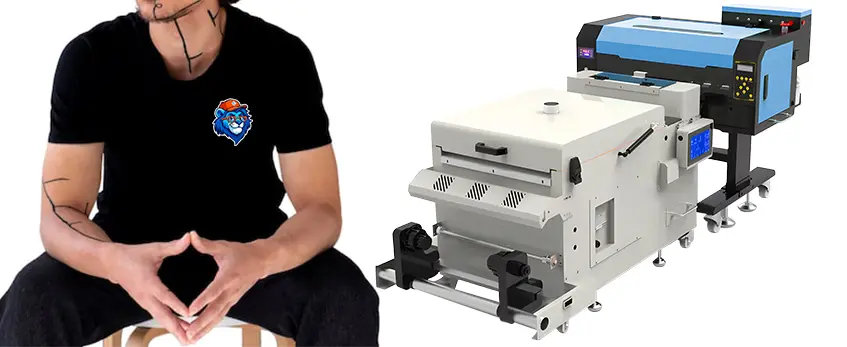
When it comes to growth, DTF printing is clearly accelerating faster than vinyl in 2026 and beyond. The demand for full-color, detailed prints on various fabrics—especially polyester and blends—is pushing businesses toward DTF. More small and medium-sized shops are investing in DTF setups because it offers versatility and ease of scaling production for photographic prints and complex designs without layering colors like vinyl.
From 2026 to 2027, market trends show a steady rise in DTF adoption, thanks to improvements in ink durability, film quality, and user-friendly equipment like the jinlong DTF printer series. These advancements help reduce beginner mistakes and lower startup risks, making DTF an appealing option for newcomers and growing businesses alike.
On the other hand, vinyl cutting machines hold solid resale value due to their reliable tech and established reputation. But the market for vinyl tends to cater more to niche uses like sports jerseys and simple color runs. While vinyl cutters maintain steady demand, their growth rate is slower as the technology has matured with fewer breakthroughs expected.
In :
- DTF offers rapid growth potential due to demand for full-color, versatile prints.
- Vinyl equipment remains a safe investment with decent resale value but slower market expansion.
- For entrepreneurs looking to future-proof their printing business, investing in DTF technology aligns well with upcoming trends without abandoning vinyl’s classic strengths.
For beginners wanting detailed insight into maximizing DTF’s potential and current market trends, exploring the ultimate DTF beginners guide is a smart move.
Final Verdict – Who Should Pick DTF and Who Should Stick with Vinyl
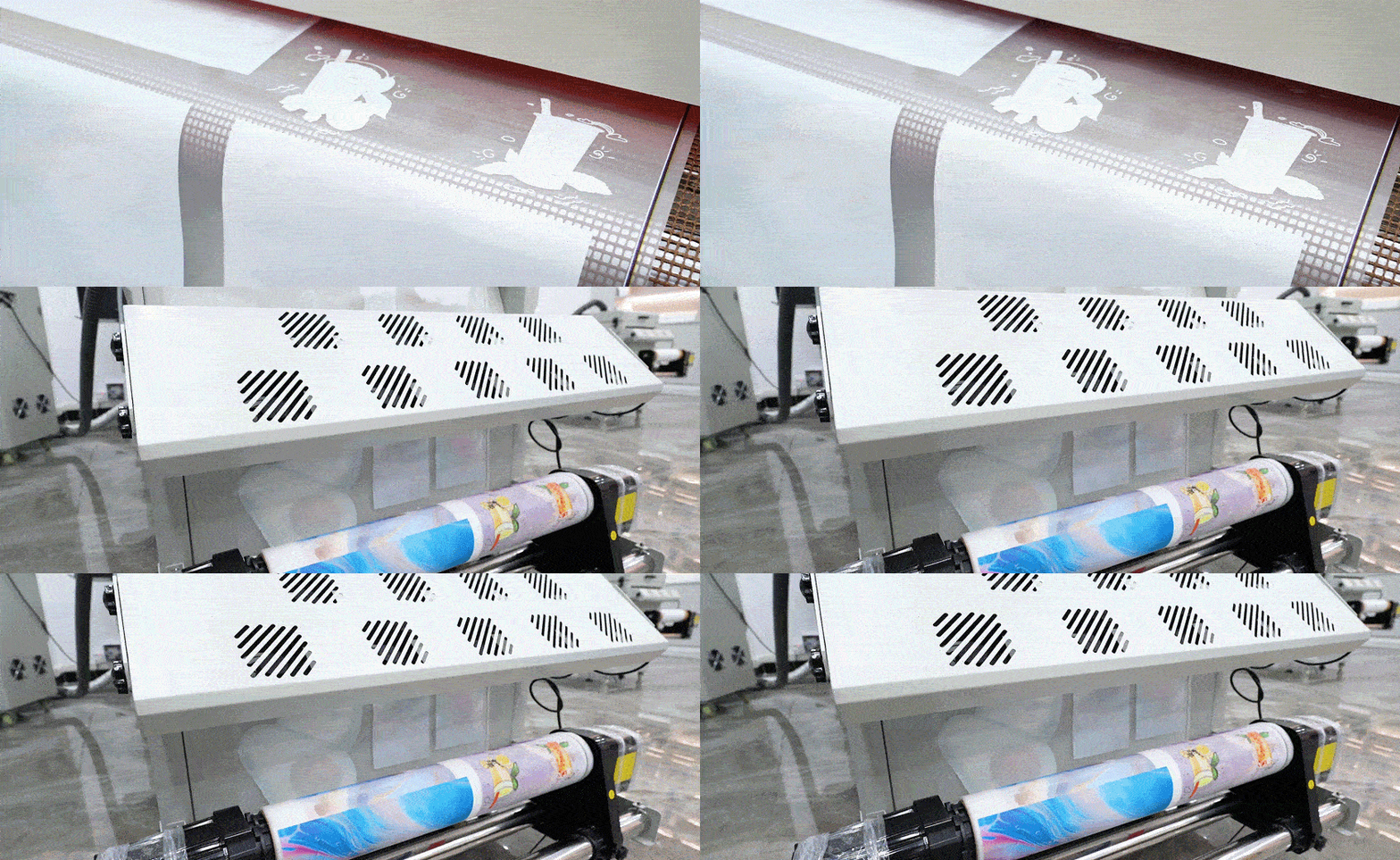
Choosing between DTF vs Vinyl depends mainly on your budget, order volume, and design needs. Here’s a quick recommendation to help you decide:
| Factor | Pick DTF If… | Stick with Vinyl If… |
|---|---|---|
| Budget | You can invest in a higher startup cost but want lower per-shirt cost at volume | You want a lower upfront cost for cutting machines and starter vinyl packs |
| Order Volume | You plan to print full-color shirts in small to medium batches (1–100+) | You mainly do large runs of simple designs, especially 1–3 colors |
| Design Style | You want vibrant, photographic prints, gradients, or fine details | Your designs are mostly solid colors, text, or simple logos with limited colors |
| Fabric Type | You print on various materials including polyester, blends, even dark garments | You focus on cotton or tri-blend soft fabrics and simple sports jerseys |
| Production Speed | You need quicker prep per shirt for complex prints | You prefer faster application if you’re making many identical vinyl cuts |
| Feel & Softness | You want a soft hand feel with minimal thickness on the fabric | You’re okay with the slightly thicker vinyl texture and enjoy vinyl’s classic look |
| Durability Needs | You require long-lasting prints with excellent wash resistance | You want durable prints but understand vinyl may crack or peel over time with heavy use |
In short, if you are a beginner or small business focused on full-color, highly detailed prints with flexibility across fabric types, DTF is the faster-growing, future-proof choice — especially with reliable gear like the jinlong DTF printer that simplifies production.
However, if your work sticks to simpler designs and you need a more familiar, budget-friendly entry point, heat transfer vinyl remains a solid, proven choice.
This clear split lets you pick the right method based on your current needs while keeping room to scale or switch later.
Getting Started Recommendations: Best Budget DTF Setup 2026 & Vinyl Cutters for Beginners
If you’re new to T-shirt printing and want a solid, budget-friendly DTF setup this year, the Jinlong DTF printer is a top pick. It offers great print quality, reliable white ink handling, and comes bundled with shaker and curing options that save time and improve consistency. This setup is perfect for beginners aiming to jump into full-color prints without breaking the bank. For a detailed look at the Jinlong setup and why it’s ideal for new users, check out this Jinlong DTF printer for T-shirts overview that breaks down the essentials.
On the vinyl side, beginners will find success with affordable, easy-to-learn machines like the Cricut Explore Air 2 or the Silhouette Cameo 4. These cutters handle a variety of heat transfer vinyl materials well, come with user-friendly software, and support a range of design complexities — perfect for simple sports jerseys or layered color designs common in small business setups. Their lower upfront cost and straightforward setup make them great for hobbyists and startup businesses.
No matter which method you pick, investing in the right beginner gear can save time and headaches down the line. For those considering DTF, the combo of Jinlong’s cost-effective printer and accessories is hard to beat. For vinyl lovers, sticking to trusted cutters with strong community support will ease your learning curve.
FAQ Section: Common Questions About DTF vs Vinyl
Can DTF replace vinyl completely?
DTF can handle many jobs vinyl does, especially full-color and complex designs. But vinyl still beats DTF for simple, single-color prints and projects needing ultra-soft feel or stretchy fabrics. So, DTF won’t fully replace vinyl anytime soon—it’s more about choosing the right tool for each job.
Is DTF cheaper than vinyl for single shirts?
Yes, for one-off or small runs, DTF is often cheaper because you don’t waste vinyl on cuts or spend time weeding. DTF prints directly onto film and transfers in one go, which cuts costs on intricate designs. But if you only do very simple, single-color prints, vinyl can still be budget-friendly.
Does DTF feel like vinyl?
DTF doesn’t feel exactly like vinyl. Vinyl (HTV) is thicker and rubbery, while DTF is thinner, softer, and more fabric-like after curing. If you want a lightweight, barely-there feel, DTF edges out vinyl. But for that classic vinyl texture or raised effect, HTV is the way to go.
How long does DTF last compared to vinyl?
Both methods hold up well with proper care, but DTF generally offers superior wash durability against cracking and peeling—especially on polyester blends and dark garments. Vinyl can crack or fade faster on stretchy fabrics. Proper heat pressing and washing inside out help maximize lifespan for both.
More Common Questions
Can I use DTF on polyester or nylon?
Absolutely. DTF works great on polyester, nylon, and blends where vinyl struggles.
Do I need special equipment for DTF?
Yes, a DTF printer, heat press, and special transfer film are needed. Jinlong\’s DTF Transfer Film offers reliable quality for beginners.
Is vinyl better for sports jerseys?
Yes. Vinyl is more durable on activewear and stretch fabrics like sports jerseys.
How hard is it to learn both methods?
Vinyl requires practice with weeding, especially for intricate cuts. DTF has fewer weeding steps but involves curing properly.
Can DTF print photos and gradients?
DTF shines here. It can easily print full-color photos and smooth gradients that vinyl just can’t match.
What about environmental impact?
Vinyl tends to produce more waste from cutoffs, while DTF uses consumables like inks and powders but generally produces less physical scrap.
Does DTF white ink cause problems?
White ink in DTF is tricky but modern printers and inks, like those used in Jinlong’s DTF printers, have improved reliability and brightness.
These FAQs help beginners weigh the pros and cons of DTF vs vinyl and decide which fits their budget, design goals, and production needs best.


 English
  Español
  Deutsch
  Français