


DTF Printer Ink vs DTG Ink Comparison Guide for Custom Apparel
Choosing between DTF printer ink vs. DTG ink can feel like navigating a maze—especially when your print quality, efficiency, and profit margins depend on it. Whether you’re running a bustling print shop or launching a custom apparel line, understanding the key differences in how these inks perform, what fabrics they best suit, and their cost impact is critical. In this fast-growing market, picking the right ink can mean the difference between vibrant bulk orders and soft, detailed one-offs that wow your customers. This guide cuts through the jargon to reveal how DTF and DTG inks differ in composition, application, and durability—so you can confidently decide which fits your workflow and business goals. Ready to master the ink that drives your prints? Let’s dive in.
Understanding the Basics: What Is DTF Printer Ink?
DTF printer ink, or Direct-to-Film ink, is a type of specialized pigment-based ink designed for printing vibrant designs onto a clear transfer film. Unlike traditional printing methods, DTF ink works with a unique printing process where the design is printed onto a film first, then coated with a hot-melt adhesive powder before transferring to fabric using a heat press.
Core Components of DTF Ink
- Pigment-based colors: These provide rich, durable colors that hold up well on various fabrics.
- White underbase ink: Essential for vibrant prints on dark or colored materials.
- Adhesive powder: Applied after printing, it melts during heat pressing to bond the ink firmly to the fabric.
How DTF Ink Works in Printing
The process begins by printing your design in reverse on a specialized PET film using DTF ink. After printing, the film is coated with a DTF powder adhesive that sticks to the wet ink. Once cured and dried, the film is heat-pressed onto the garment, melting the powder and transferring the design permanently.
Advantages and Common Use Cases
- Versatile fabric compatibility: Works well on cotton, polyester, blends, and even synthetic fabrics.
- Vibrant colors on dark garments: The white underbase keeps colors bright and sharp.
- Soft hand feel: Prints remain flexible and lightweight without heavy layering.
- Durability: Prints are resistant to cracking, peeling, and fading.
- No pretreatment needed, simplifying workflow compared to other methods.
Pro Tips for DTF Production
- Use high-quality pigment-based inks for lasting vibrancy.
- Ensure the powder adhesive is evenly applied to avoid patchy transfers.
- Calibrate heat press temperature (usually around 320°F) and pressing time for optimal bonding.
- Store printed films in a cool, dry place if not pressing immediately.
- Test print on different fabrics to fine-tune color profiles and adhesive amounts.
DTF printer ink delivers a highly effective, flexible option for custom garment printing, especially when aiming for bright, durable prints with a quick turnaround.
Understanding the Basics: What Is DTG Ink?
DTG ink, short for Direct-to-Garment ink, is a water-based ink specifically formulated for printing designs directly onto fabrics, usually cotton or cotton blends. Unlike DTF printer ink, DTG ink is designed to soak into the fibers of the garment, creating a soft hand feel and vibrant colors. Key components include pigment-based colors and a white ink underbase, which helps bright colors pop on dark fabrics.
In the DTG printing process, the garment is pretreated with a special solution to prepare the fabric for ink absorption and improve durability. Then, the ink is sprayed directly onto the garment in the desired design via a specialized DTG printer. Finally, the print is cured using heat to lock in the ink.
DTG ink shines in producing detailed, full-color prints with a soft feel, especially on natural fibers. Common uses include custom apparel like t-shirts and hoodies, small batch orders, and on-demand printing. It’s a favorite for businesses focusing on eco-friendly garment inks because the water-based formula reduces harmful emissions.
For best results and to maintain equipment longevity:
- Always use the correct pretreatment for your fabric type.
- Regularly clean print heads to avoid clogs.
- Use eco-friendly cleaning solutions when possible.
For more insights on fabric prep and print durability, you can explore detailed guides on DTG ink pretreatment and maintenance.
Head-to-Head Comparison: DTF Printer Ink vs. DTG Ink
Let’s break down how DTF printer ink and DTG ink stack up across key factors like printing process, fabric compatibility, cost, and more.
| Feature | DTF Printer Ink | DTG Ink |
|---|---|---|
| Printing Process | Prints on special DTF transfer film, powders adhesive, then heat presses to fabric. | Directly prints on pretreated garments using water-based ink. |
| Fabric Compatibility | Works well on natural and synthetic fabrics, including polyester and blends. | Best on 100% cotton or high-cotton blends; limited on synthetics. |
| Print Quality & Color Vibrancy | Vibrant colors, especially on dark fabrics; white underbase with powder adhesive improves pop. | Soft hand feel with bright colors; works great on light and dark cotton. |
| Durability & Hand Feel | Durable prints with good wash resistance; slightly thicker due to adhesive powder. | Soft print feel; less durable on synthetics but excellent on cotton. |
| Cost & ROI | Lower ink cost and high transfer film efficiency; good for small to medium batches. | Higher ink and pretreatment costs; best for short runs on cotton. |
| Speed & Scalability | Faster bulk printing thanks to transfer film prep and heat press. | Slower for bulk printing due to garment prep and printing time. |
| Environmental Impact | Uses pigment-based DTF ink and adhesive powder, with some waste from films and powder. | Water-based DTG inks are eco-friendly but require chemical pretreatment. |
| Maintenance | Requires regular cleaning to avoid clogging; film storage needs care for quality. | High maintenance on print heads; pretreatment equipment upkeep needed. |
DTF is ideal if you want a versatile, cost-effective option that works on a wide range of fabrics, including synthetics. Plus, pairing your ink with quality accessories like DTF transfer film makes a big difference in results.
DTG shines with soft-hand prints on cotton and is great for eco-conscious shops focusing on water-based inks. It’s best if you print smaller runs with detailed color work.
Both have unique strengths, so your choice depends on fabric types, production scale, and desired print feel.
Pros and Cons: When to Choose DTF Ink Over DTG (or Vice Versa)

Choosing between DTF printer ink and DTG ink depends on your specific needs. Here’s a quick rundown of their advantages and disadvantages to help you decide.
| Feature | DTF Ink Advantages | DTF Ink Disadvantages | DTG Ink Advantages | DTG Ink Disadvantages |
|---|---|---|---|---|
| Fabric Compatibility | Works well on many fabrics including synthetics | Requires special DTF transfer film | Best on 100% cotton | Limited on synthetics without pretreatment |
| Print Quality | Bright, vibrant colors and good detail | Slightly thicker print feel | Soft hand feel and smooth finish | Colors may appear less vibrant on dark fabric |
| Durability | Very durable, especially on synthetics | Needs powder adhesive setup | Good durability with proper pretreatment | Durability less on polyester and blends |
| Production Speed | Faster bulk printing with transfers | Additional powder and heat press step | Print directly on garment, less prep | Slower, less efficient for large runs |
| Cost & ROI | Lower ink cost, higher initial setup cost | Need for DTF powder and transfer materials | No transfer films or powders needed | Higher ink cost and maintenance expenses |
| Maintenance | Moderate maintenance, less nozzle clogging | Extra steps add complexity | Needs regular head cleaning and pretreatment | Can clog without care, higher upkeep |
| Eco-Friendliness | Depends on powder and transfer materials | Some uses of powder less eco-friendly | Water-based, more eco-friendly | Pretreatment chemicals may vary in impact |
When to Choose DTF Ink
- You need vibrant, durable prints on synthetic fabrics.
- Bulk printing efficiency is a priority.
- You want lower ink costs and versatility in fabric types.
- You can handle the extra steps like powder adhesive and heat pressing.
When to Choose DTG Ink
- You prioritize a softer hand feel on 100% cotton garments.
- You do shorter runs or one-offs with detailed images.
- Eco-friendliness and water-based inks matter to you.
- You want a direct-to-garment process with less post-print handling.
Quick Decision Quiz:
- Do you print mostly on synthetics or blends? → Go DTF.
- Is soft hand feel on cotton your top priority? → Choose DTG.
- Need faster bulk printing with vibrant colors? → DTF is better.
- Want water-based eco-friendly inks and minimal post-processing? → DTG fits best.
Understanding these pros and cons will help you pick the right ink for your business goals and fabric preferences.
For more on setting up efficient powder and heat press workflows with DTF printing, check out resources on high-quality TPU powder for DTF and automatic white ink circulation systems that prevent clogging.
Real-World Applications and Tips for Success
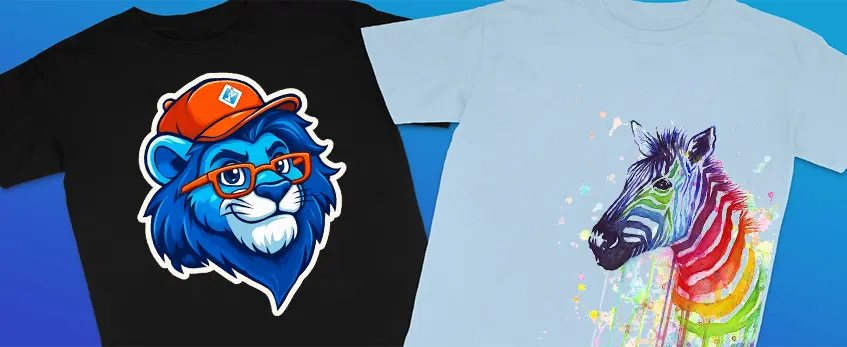
DTF and DTG inks each shine in different real-world settings, especially for e-commerce businesses and artisan shops focusing on custom apparel.
Case Studies in E-Commerce and Artisan Shops
- DTF Ink works great for small-batch runs and businesses needing versatility. It handles synthetic fabrics and polyester blends well, making it ideal for sellers offering a wide range of garments. Many e-commerce shops use DTF transfers because they allow for bulk printing with efficient heat press transfer, speeding up order fulfillment.
- DTG Ink is preferred by artisan shops focused on high-detail prints and soft hand feel garments. It’s excellent for cotton and light fabrics where vibrant colors and eco-friendly garment inks matter most. Shops offering one-off, detailed prints often rely on DTG for its direct-to-garment precision.
Optimization and Storage Tips
- Store your DTF printer ink in a cool, dry place away from direct sunlight to maintain pigment stability and print quality. Make sure your DTF powder adhesive is kept fresh and free of moisture to avoid clumping.
- For DTG inks, regular maintenance is critical—flush and clean print heads often to prevent clogging, especially with white ink underbase that can dry quickly in print lines. Using water-based DTG ink means you have to balance eco-friendliness with proper storage conditions to prolong ink life.
Local Sourcing Advice for Compliant Inks
When sourcing ink, local availability ensures quicker turnaround and reduces shipping risks like exposure to extreme temperatures. Check with suppliers for DTF ink CMYK 100ml standard series offering US-compliant formulations that meet environmental and safety regulations. For troubleshooting or detailed product advice, trusted sources like the Jinlong troubleshooting guide are excellent to keep on hand.
By matching your ink choice to your product type and production scale, and following smart storage and maintenance routines, you’ll maximize quality and efficiency in your custom printing operation.
FAQs: Answering Common DTF vs. DTG Ink Questions
Here are some common questions about DTF printer ink versus DTG ink, especially focused on usage, troubleshooting, cost, and durability.
Common Usage Questions & Troubleshooting
Can I use DTF ink on all fabrics?
DTF works great on cotton, polyester, and blends, plus synthetic materials, thanks to its powder adhesive layer. But DTG ink shines mostly on cotton or natural fibers because it soaks directly into the fabric.
Why does my white underbase crack with DTF?
If your powder adhesive or curing step isn’t right, white ink cracking happens. Make sure to use quality DTF powder and follow the curing temperature closely. For more on durability, check out this technical white paper on DTF printer durability and core components.
How do I maintain my DTG printer to prevent clogging?
Water-based DTG inks require regular printhead cleaning and proper pretreatment application to avoid clogging and maintain vibrancy.
Cost and Durability FAQs
Which ink is more cost-effective for bulk printing?
DTF ink generally offers lower ink costs and faster turnaround for large batches since prints are made on transfer film and then heat pressed. DTG ink has higher per-garment costs but cuts steps by printing directly on garments.
Does DTF or DTG provide better durability?
DTF prints usually hold up better on synthetics and mixed fabrics due to the adhesive powder, resisting washing better. DTG’s water-based inks provide a softer hand feel but might fade faster, especially on dark fabrics.
Helpful Tips for Voice Search & Schema Markup
- Use clear, short phrases like “DTF ink vs DTG ink durability” or “best ink for custom apparel printing” for voice queries.
- Structured data with FAQs and product info helps search engines highlight answers quickly — ideal for local U.S. e-commerce.
If you want a solid start, getting familiar with the DTF transfer film basics can make troubleshooting easier before printing.
With this FAQ, you’ll handle most common doubts and know what to expect from each ink type — making your garment printing smoother and more cost-efficient.


 English
  Español
  Deutsch
  Français