



DTF Powder Safety Guide Ventilation PPE and Best Practices
Understanding DTF Powder and Potential Risks
When working with DTF (Direct-to-Film) powder, many ask, \”Is DTF powder toxic?\” Understanding the composition and potential risks is the first step to safety. DTF powders are mainly made of TPU (thermoplastic polyurethane) hot melt powders combined with adhesives designed to bond inks during heat pressing. While these powders enable vibrant, durable prints, their chemical makeup can release airborne particles and fumes during application and curing.
Composition and Chemical Makeup
- TPU Powder: The base material, known for flexibility and durability.
- Adhesive Components: Often include chemical compounds like MDI (methylene diphenyl diisocyanate), which can produce irritant vapors during heating.
- Additives: Some powders include anti-caking agents or pigments, which may affect air quality.
Airborne Particles and Fumes Concerns
- During application, fine powder particles become airborne, posing inhalation risks.
- When heated in curing ovens, fumes, including potentially harmful MDI vapors, can be released.
- Without proper ventilation and PPE, these particles and fumes may cause respiratory irritation or more serious effects.
Health Effects: Short-term and Long-term Risks
- Short-term: Exposure can lead to coughing, throat irritation, eye discomfort, and skin sensitivity. These symptoms often arise from inhaling dust or fumes during powder handling.
- Long-term: Repeated, unprotected exposure to certain components, especially MDI vapors, can cause respiratory conditions like asthma or sensitization. Chronic inhalation of TPU powder may lead to lung issues.
Understanding these risks helps in taking the right safety measures. Choosing certified low-emission powders, like jinlong DTF’s non-toxic options, significantly reduces hazards, keeping your workspace safer. Next, we’ll cover the essential personal protective equipment (PPE) you need to handle DTF powder safely.
Essential Personal Protective Equipment (PPE)
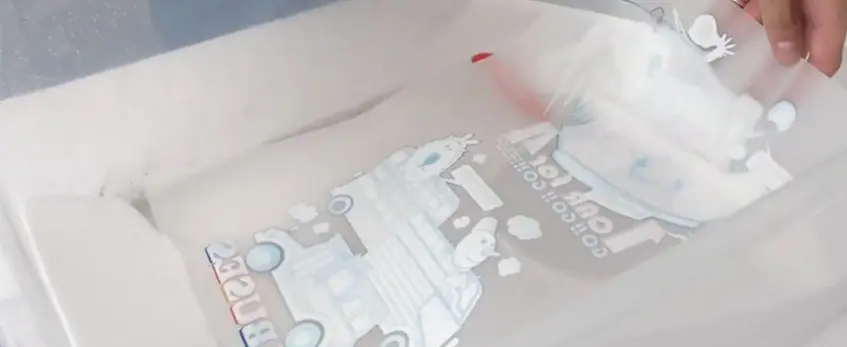
When handling DTF powder, using the right PPE is key to minimizing exposure to harmful particles and fumes. Here\’s a quick guide to the essentials:
Recommended Respirators and Masks
- N95 or N99 masks: These filter out airborne particles effectively, including fine TPU and adhesive powders.
- Half-face respirators with P100 filters: Best for longer sessions or high powder use, offering stronger protection against MDI vapors and dust.
Gloves: Types and Usage Tips
- Nitrile gloves: Durable and chemical-resistant, ideal for protecting skin from DTF hot melt powder and adhesives.
- Vinyl gloves: Good for short tasks but less durable against chemicals.
- Tips: Always inspect gloves for tears before use and change gloves frequently to avoid contamination.
Eye Protection Options
- Safety goggles: Prevent powder dust and fumes from irritating your eyes. Look for anti-fog and sealed edges.
- Face shields: Add extra protection during cleanup or powder application when splashes could occur.
When and How to Use PPE Effectively
- Put on PPE before starting powder handling and printing tasks.
- Avoid touching your face or adjusting masks/gloves mid-task to reduce exposure.
- Remove PPE carefully to avoid spreading powder residue.
PPE Maintenance and Replacement
| PPE Item | Maintenance Tips | Replacement Frequency |
|---|---|---|
| Respirators/Masks | Keep in clean, dry place; check fit | Replace after every 8-hour shift or if damaged |
| Gloves | Store away from heat and chemicals | Change after each use or if torn |
| Goggles/Face Shields | Clean with mild soap and water | Replace if scratched or loose fitting |
Effective PPE use is the first line of defense against DTF powder health risks, helping you maintain safety whether you’re in a home setup or a busy shop. For more details on DTF printing equipment and safety, see our comprehensive guide on DTF vinyl printers and how they compare.
Ventilation and Air Quality Requirements
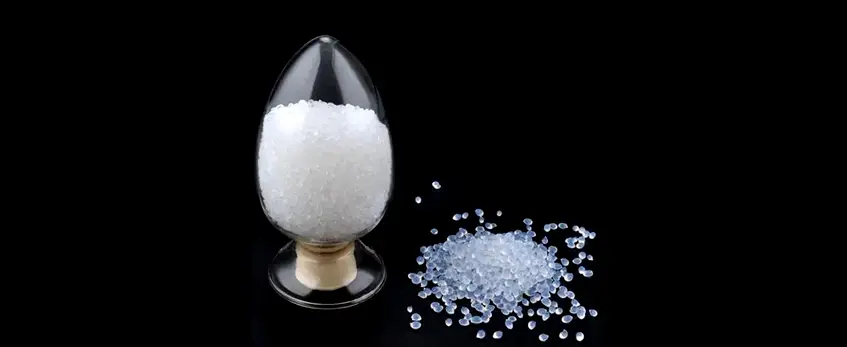
Importance of Ventilation in DTF Printing
Proper ventilation is critical when working with DTF powder to reduce airborne particles, fumes, and potential exposure to DTF adhesive powder fumes or MDI vapors. Good airflow helps keep the workspace safe by minimizing inhalation risks linked to TPU powder inhalation or other chemical components. Without adequate ventilation, hazardous substances can build up, increasing DTF powder health risks.
Types of Ventilation Systems
| Ventilation Type | Description | Best Use Case |
|---|---|---|
| Local Exhaust | Captures fumes and powder at the source with hoods or duct systems. | Ideal for small workstations and targeted fume removal. |
| General Ventilation | Moves air through the whole room with fans, vents, or HVAC systems. | Useful in larger workspaces needing consistent airflow. |
| Air Purifiers | Filters airborne particles and fumes using HEPA or activated carbon filters. | Beneficial as supplemental protection, especially in small shops or homes. |
Ventilation Setup Recommendations
For home use and small shops, combining local exhaust with general ventilation works best. Position extraction hoods near DTF powder application and curing areas to catch fumes immediately. Supplement this with ceiling or wall fans to circulate fresh air. Portable air purifiers help capture fine particulates and improve DTF workspace air quality further.
Regulatory Guidelines and Compliance
Ensure your ventilation system meets OSHA recommendations for respiratory protection and air exchanges in industrial workplaces. Regularly inspect and maintain equipment to stay compliant and safe. Staying compliant not only protects your team but also reduces liability risks when using DTF powders. For additional insight on controlling powder application safely, check out the detailed guide on the DTF transfer process.
Proper ventilation combined with PPE forms a solid base for safe DTF powder use, keeping your workspace healthier and your team safer.
Best Practices for Safe Handling and Storage
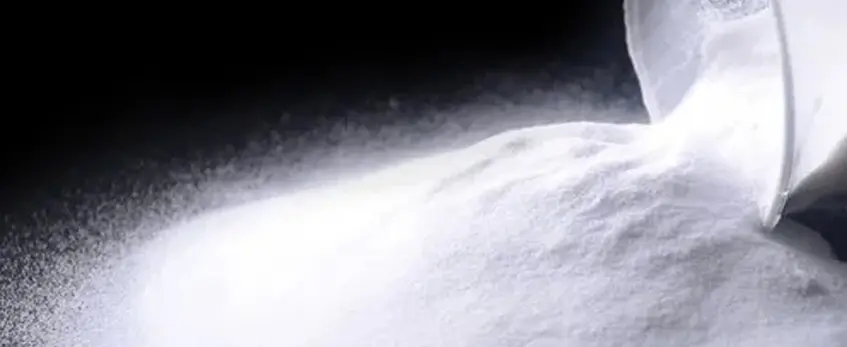
Handling DTF powder safely is crucial to minimize health risks and maintain a clean workspace. Follow these best practices to keep your environment safe and efficient:
Controlled Powder Application Techniques
- Use dedicated tools like scoops or dispensers to apply powder precisely, reducing airborne particles.
- Apply powder in small, manageable amounts to avoid excess dust.
- Work slowly and evenly to ensure proper adhesive coverage without overuse.
Managing Excess Powder and Cleanup Procedures
- Capture leftover powder immediately using a vacuum with a HEPA filter or damp cloths to prevent dust from becoming airborne again.
- Avoid sweeping or using compressed air, as these can spread powder particles throughout your workspace.
- Dispose of excess powder safely according to local waste regulations.
Safe Curing Practices and Temperature Monitoring
- Follow recommended temperature settings for curing your DTF prints carefully to avoid overheating and releasing harmful fumes like MDI vapors.
- Use thermostats and timers on your curing ovens to maintain consistent heat levels.
- Never leave curing equipment unattended during operation to reduce risks.
Proper Storage Conditions and Labeling
- Store DTF hot melt powder in cool, dry areas away from direct sunlight to maintain its quality and prevent clumping.
- Keep powders sealed in airtight containers to avoid contamination and moisture exposure.
- Clearly label all storage containers with product name, batch number, and safety information to ensure proper handling.
- Consider using certified low-emission powders, such as those offered by Jinlong DTF supplies, to reduce potential health risks.
By closely following these handling and storage practices, you can improve workspace safety and reduce the chances of powder exposure or accidents. Maintaining control over application and storage also supports better print quality and consistency in your DTF projects.
Additional Safety Tips and Long-Term Best Practices
Keeping your DTF workspace safe goes beyond just PPE and ventilation. Start with workspace organization and zoning—designate separate areas for powder handling, printing, and curing. This reduces cross-contamination and limits airborne powder exposure. Keep your work zones clean and clutter-free to help control dust and spills.
Training and awareness for teams are crucial. Make sure everyone handling DTF powder understands the health risks, proper PPE use, and emergency procedures. Regular safety briefings and hands-on training can prevent careless mistakes and reinforce good habits.
When picking powders, opt for certified low-emission options like jinlong DTF powder. These reduce harmful fumes and airborne particles, addressing common concerns like DTF powder toxic effects and MDI vapors in DTF printing.
Keep an eye on health monitoring. Watch for symptoms such as coughing, throat irritation, or breathing difficulties—early signs of powder or fume exposure. Address any issues promptly to avoid long-term health risks. By staying proactive with these best practices, you’ll maintain a safer environment and protect your team over time.




 English
  Español
  Deutsch
  Français