


Best Affordable DTF Heat Press for Beginners Easy to Use 2026
Understanding DTF Heat Presses: Why It Matters for Beginners
If you’re new to DTF printing, knowing how a DTF heat press works is key to getting great results. DTF (Direct to Film) transfers involve a few simple steps:
- Print your design on a special film using a DTF printer.
- Apply hot adhesive powder to the printed film.
- Cure the powder by melting it with heat, making the design sticky.
- Press the film onto fabric using your heat press to transfer the design.
How DTF is Different from Other Methods
| Method | How It Works | Fabric Options | Key Benefit |
|---|---|---|---|
| DTF | Print on film + powder + heat press | Works on cotton, polyester, blends, and even nylon | Durable, versatile, soft feel |
| HTV (Heat Transfer Vinyl) | Cut vinyl design, press onto fabric | Limited to certain fabrics | Bright colors, easy weeding |
| Sublimation | Dye sublimation into polyester fibers | Mostly polyester or polymer-coated items | Permanent, vibrant prints |
| Screen Printing | Ink pushed through stencil | Best for bulk printing on cotton | Cost-effective for large runs |
Common Beginner Pitfalls
Newbies often face issues like:
- Uneven heat or pressure: This causes parts of the design to peel off or fade.
- Wrong temperature or pressing time: Leads to scorching or incomplete adhesion.
- Incorrect pressure settings: Too light pressure means weak transfer; too much can damage fabric.
Why Heat & Pressure Matter
To ensure long-lasting transfers, your beginner DTF heat press should provide:
- Even heat distribution: No hot or cold spots, so your entire design sticks well.
- Adjustable pressure settings: Letting you adapt to different fabrics and transfer types.
Getting this right from the start saves you frustration and wasted transfers—two things every beginner wants to avoid!
Key Features to Look for in a Beginner DTF Heat Press

When picking your first DTF heat press, focus on these essentials to get dependable, easy-to-use results:
| Feature | Why It Matters | Ideal for Beginners |
|---|---|---|
| Platen Size (15×15) | Perfect for standard t-shirts and small prints | Big enough for most projects without being bulky |
| Digital Controls | Precise temperature and timer settings | Avoid guesswork, get consistent transfers |
| Even Heat & Pressure | Prevents failed prints from uneven pressing | Key for durable transfers and clean designs |
| Clamshell vs. Swing-Away | Clamshell is space-saving; swing-away keeps you safer from heat | Clamshell fits small spaces, swing-away is better for detailed pressing |
| Auto-Open/Portable | Auto-open reduces mistakes and portable models let you move easily | Adds convenience and safety for beginners |
| Budget ($200–$500) | Affordable options with solid build and warranty | Good balance of cost, features, and reliability |
| Fabric Compatibility | Works well on cotton, polyester, blends, and more | Versatility ensures you can press various garments |
Choosing a press with these features helps beginners avoid common pitfalls like uneven heat or pressure that ruins transfers. A reliable 15×15 heat press DTF model with digital accuracy and even pressure will save you time and frustration.
For more on steady temperature control and preventing transfer issues, check out this guide on temperature control of DTF powder dryers, which helps ensure your heat press works perfectly with your chosen films and powders.
Top Affordable DTF Heat Presses for Beginners
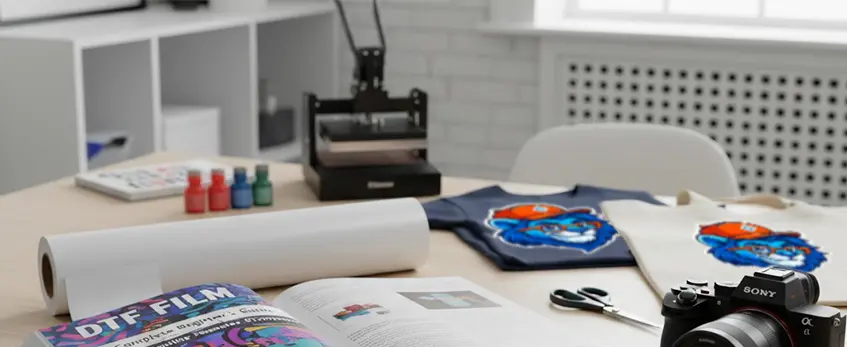
If you’re just starting with DTF printing, picking the right heat press can make a huge difference. Here’s a breakdown of some of the best affordable DTF heat press options for beginners that balance price, ease of use, and reliable results.
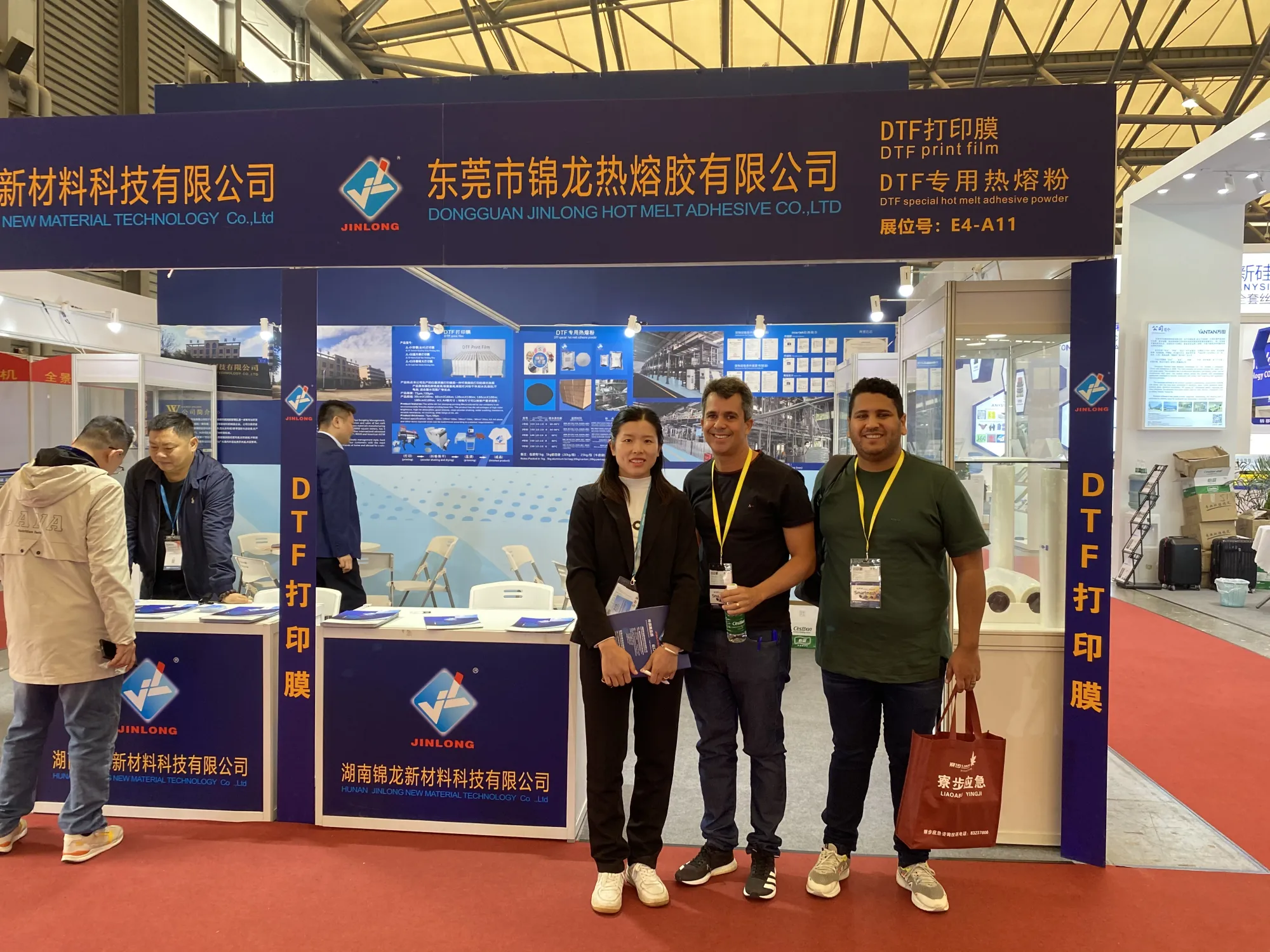
Best Overall Budget Pick: jinlong DTF 15×15 Clamshell Heat Press
The jinlong DTF 15×15 clamshell heat press stands out for beginners thanks to its even heating and simple digital controls. Its compact 15×15 inch platen size is perfect for most t-shirts, and the clamshell design saves space while offering solid pressure. New users appreciate its reliability and durability, making it a steady starter heat press in the budget range. For those who want to explore DTF transfers more, jinlong also offers detailed insights in their comprehensive guide to DTF transfer paper and powder, helping you get perfect prints every time.
Other Affordable and Easy-to-Use Options for Beginners
- Cricut EasyPress Series: This portable heat press is great for hobbyists who want an easy entry point. It’s lightweight and has digital temperature control but works best with smaller designs and lower daily volumes.
- HTVRONT Auto Press: Known for even pressure and auto-open feature, this press is beginner-friendly for those who want a bit more automation and safety.
- Fancierstudio/PowerPress 15×15: This model offers a solid mix of even heat distribution and an intuitive interface, suitable for low-to-medium volume DTF printing.
- VEVOR Models: These are budget-friendly with decent features but may require some patience to master for consistent transfers.
- DTFPRO CraftPress: A newer option that combines good heat control and portability, ideal for crafters who want to keep their setup flexible.
Real-User Insights and When to Upgrade
Most beginners find these heat presses handle entry-level DTF pressing well. As your volume grows or you start working on larger prints, it might be time to upgrade to a mid-range model with auto-open, larger platen size, or higher durability. Keep an eye out for even pressure and consistent heating, which are critical as you expand your DTF printing skills.
Choosing any of these budget heat presses helps keep your startup costs reasonable while learning the ropes of DTF printing—just remember to match your heat press to your project needs and volume to get the best value.
Recommended Heat Press Settings for DTF Transfers
Getting your heat press settings right is key to strong, lasting DTF transfers, especially if you’re new to DTF heat press beginners. Here are the standard settings that work well for most fabrics:
- Temperature: 300–330°F
- Time: 10–15 seconds
- Pressure: Medium to firm (enough to evenly press without damaging the fabric)
Adjustments for Different Fabrics
- Cotton: Use around 320°F for 12–15 seconds with medium pressure. Cotton handles heat well and usually needs a hot peel.
- Polyester: Lower temp closer to 300°F and a shorter press time to avoid scorching. Use a cold peel to prevent sticking issues.
- Blends: A middle ground of 310°F and 12 seconds works best, with medium pressure. Test peel both hot and cold to see what fits best.
- Hoodies and thicker fabrics: Increase pressure slightly and add 2-3 extra seconds to make sure the transfer bonds properly.
Pre-Press Tips
- Always pre-press your fabric for 3-5 seconds to remove wrinkles and moisture.
- Use Teflon sheets or parchment paper between the heat platen and transfer to prevent scorching and ink sticking.
Peeling and Post-Press
- Peeling: Most DTF transfers need a hot peel when taken immediately after pressing to keep the design intact. But some polyester blends require a cold peel—test based on your film instructions.
- Post-Press: A quick second press (3-5 seconds, low pressure) after the peel helps seal the transfer and can improve durability, especially for a matte or glossy finish.
Troubleshooting Common Issues
- Peeling: Usually caused by low temperature, insufficient pressure, or premature peeling. Increase these gradually to fix.
- Fading: Avoid excessive heat and wash fabrics inside out on gentle cycles. Use transfers with high-quality ink like the ones explained in this guide on why white inkjet ink is essential for DTF and DTG printing.
- Scorching: Use a Teflon sheet and double-check your temperature; lower heat if fabric discolors.
Starting with these recommended settings on your affordable DTF press will help you avoid common mistakes and get reliable results every time. Fine-tuning comes with experience, but sticking close to these basics is your best bet for clean, durable prints.
Alternatives to a Full Heat Press for Absolute Beginners

If you’re just starting out with DTF printing, investing in a full 15×15 heat press might feel like a big step. Luckily, there are some affordable and easy-to-use alternatives that can help you begin without blowing your budget.
Using a Household Iron or Mini Presses
For absolute beginners, a household iron or mini heat press can work in a pinch, especially if you’re only pressing small items or testing designs. Keep in mind these options come with limitations: irons often provide uneven heat and pressure, which can lead to patchy transfers or quick fading. Mini presses have smaller platens and may not distribute heat evenly like purpose-built DTF heat presses. So, while viable for hobbyists or very low volume, they’re not ideal for consistent or professional results.
Cricut EasyPress as a Starter Option
The Cricut EasyPress series is a popular choice for beginners looking for a portable and user-friendly DTF transfer press. It offers better heat and pressure control compared to a household iron and is lightweight enough to handle small projects comfortably. It’s a great low-commitment entry point to home DTF printing, especially if you’re experimenting or handling light workloads. However, the platen size is smaller than a standard 15×15 heat press, so it may not fit larger designs or heavier fabrics easily.
When to Transition to a Dedicated Clamshell Heat Press
Once you start producing larger batches, working with bigger prints, or need more even pressure and consistent heat, it’s time to upgrade to a dedicated clamshell heat press. These affordable DTF heat press models provide even heat distribution, adjustable pressure, and a solid platen size perfect for most t-shirts and apparel. Moving up helps avoid common beginner issues like uneven transfers and peeling, ensuring your prints last longer and look professional.
For anyone ready to move beyond basic setups, check out our detailed guide on the best DTF transfer films and powders to complement your new heat press and improve print quality.
Tips for Getting Started with DTF Printing at Home
Starting with DTF printing at home is exciting but requires the right setup and gear to get good results. Here are some key tips to help you begin your DTF heat press journey smoothly:
Essential Accessories
- Teflon sheets: Protect your heat press and transfers from sticking or scorching.
- Heat tape: Keeps your film in place during pressing for clean, sharp designs.
- Parchment paper: Useful for pre-pressing fabrics and ensuring even heat distribution.
Safety and Workspace Setup
- Work in a well-ventilated area to avoid inhaling fumes from powders or adhesives.
- Use a sturdy, heat-resistant surface for your heat press.
- Keep your workspace organized to avoid mistakes or accidents — especially important when handling hot equipment.
Sourcing Quality DTF Transfers and Films
- Invest in good-quality transfer films and TPU DTF hot-melt adhesive powder to ensure vibrant colors and lasting prints.
- You can check out reliable DTF transfer materials and powders that work well with beginner-friendly presses.
Scaling from Hobby to Small Business
- Start small with basic designs and grow as you gain confidence.
- Track your time and costs carefully to understand your profit margins.
- When you’re ready, explore more advanced DTF printing equipment like the best DTF heat press options for beginners to boost efficiency and quality.
This setup will keep you on the right track, making home DTF printing both rewarding and practical.
When to Upgrade Your Heat Press
Knowing when to upgrade your beginner DTF heat press is key to growing your printing game. If you’re noticing that your current budget heat press for custom t-shirts is struggling with higher volumes or larger designs, it’s a clear sign you need a more robust machine. Beginners often start with a 15×15 heat press DTF model, but as your orders grow, bigger platens and faster cycles become necessary.
Other signs include facing issues with uneven pressure on thicker fabrics or wanting features like auto-open to save time and protect your work. Mid-range options focus on these upgrades, offering reliable even pressure heat press systems, larger platens (18×20 or bigger), and more precise digital controls—all of which make your work smoother and faster.
Transitioning from a beginner DTF printing equipment to a mid-range press not only boosts production capacity but also improves print consistency, ideal for small businesses scaling up. Keep an eye out for models with better durability and warranty coverage too, ensuring you get the most from your investment as you grow.
For more on optimizing your process, check out the top benefits of using a DTF printer, shaker, and oven in your printing workflow.


 English
  Español
  Deutsch
  Français