


A3 DTF Transfer Film Guide Types Coatings and Best Uses
What Is A3 DTF Transfer Film?
A3 DTF transfer film is a flat, PET-based sheet designed for direct-to-film (DTF) printing. The standard size is 297 × 420 mm (roughly 11.7 × 16.5 inches), matching A3 paper dimensions. Thickness usually ranges around 100 to 130 microns, providing the right balance between flexibility and durability during printing and heat pressing.
Key Physical Characteristics:
| Feature | Description |
|---|---|
| Base Material | PET (Polyethylene Terephthalate) film |
| Size | 297 × 420 mm (A3 size) |
| Thickness | 100–130 microns |
| Layers | PET base + release coating + ink-receptive layer |
How A3 DTF Film Differs from Other Transfer Media
- DTF rolls vs A3 sheets: Rolls offer continuous printing ideal for large volume jobs; A3 sheets provide precise, mess-free handling for small runs or samples.
- DTF vs DTG (Direct to Garment): DTF prints on transfer film first then transfers heat, while DTG prints directly onto fabric.
- DTF vs Sublimation: Sublimation requires polyester fabrics and special inks, while DTF works on cotton, blends, and more fabric types.
- DTF vs Screen Printing: Screen printing is labor-intensive and better for bulk orders; DTF is flexible, vibrant, and ideal for detailed, full-color designs with low setup time.
Core Components of A3 DTF Transfer Film
- PET Base: Acts as a sturdy, transparent backing that supports printing.
- Release Coating: Allows easy peeling after heat pressing without damaging the ink.
- Ink-Receptive Layer: Designed to absorb DTF inks evenly, ensuring sharp, vibrant prints.
This combination makes A3 DTF film an efficient and versatile choice for high-quality, small-batch, or on-demand transfer printing.
Main Types of A3 DTF Transfer Film
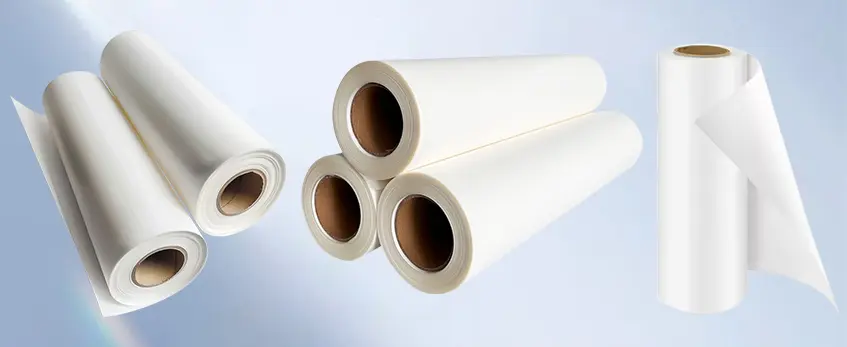
When it comes to A3 DTF film, there are three main types to choose from, each with its unique peel method, temperature, and benefits.
Hot-Peel DTF Film
- Definition: This film requires peeling the transfer immediately after heat pressing while the print is still hot, usually around 160-170°C (320-338°F).
- Advantages:
- Fast production speed—prints can be peeled right away.
- Excellent opacity, especially on dark fabrics.
- Disadvantages:
- Requires a longer curing time in the heat press for proper adhesion.
- Slightly more challenging for beginners to master peel timing.
Cold-Peel DTF Film
- Definition: This film allows the print to cool completely before peeling, typically at room temperature after pressing.
- Advantages:
- Easier to handle for beginners because you have time to work with prints.
- Better suited for delicate or stretch fabrics.
- Disadvantages:
- Longer wait time slows down production.
- Opacity might not be as strong as hot-peel, especially on very dark fabrics.
Dual-Peel (Hybrid) DTF Film
- Definition: An emerging option combining both hot and cold peel methods, offering flexibility depending on the project.
- Advantages:
- Versatile use with different fabrics and conditions.
- Moderate peel timing balances speed and quality.
- Disadvantages:
- Usually more expensive due to complex coating layers.
- Not as widely available yet.
Comparison Table: Hot-Peel vs Cold-Peel vs Dual-Peel
| Feature | Hot-Peel | Cold-Peel | Dual-Peel (Hybrid) |
|---|---|---|---|
| Peel Temperature | Hot (~160-170°C) | Cold (Room Temp) | Hot or Cold |
| Production Speed | Fast | Slower | Moderate |
| Ease of Use | Moderate (skill needed) | Beginner-friendly | Moderate |
| Opacity on Dark Fabric | High | Moderate | Moderate to High |
| Fabric Compatibility | Most fabrics, heavy use | Delicate/stretch fabrics | Versatile |
| Cost | Standard | Standard | Higher |
Choosing the right A3 DTF transfer film depends on your production needs, fabric types, and how fast you want your workflow. For those starting out or working with delicate fabrics like polyester blends, cold-peel films are great. If speed and opacity on dark fabrics are priorities, hot-peel is often preferred. Dual-peel films offer a flexible middle ground as they become more common.
For more detailed insights on how coatings affect performance and durability, check out the advanced multi-layer coating technology from Jinlong DTF and printer compatibility options discussed in our guide to the best DTF printers for beginners.
Coatings Explained: The Heart of DTF Film Performance
The coatings on A3 DTF transfer film play a crucial role in how well your prints turn out. At the base, there’s a release coating, usually silicone or a proprietary formula, which helps the transfer peel off cleanly from the PET base after heat pressing. This layer ensures smooth peeling whether you’re using hot-peel, cold-peel, or dual-peel films.
Next up is the ink-receptive coating, which can have either a matte or glossy finish. Matte coatings give a softer hand feel and less shine, perfect for a natural look on garments. Glossy coatings, on the other hand, make colors pop with a shiny, vibrant finish. Choosing between matte vs glossy DTF film depends on your design goals and fabric choice.
The coating must also work seamlessly with the DTF powder adhesive you apply after printing. If the powder doesn’t bond well, you’ll struggle with poor ink adhesion, cracking, or peeling after washing. That’s why high-quality coatings deliver superior ink adhesion, improved wash fastness (even after 50+ washes), and maintain a comfortable hand feel on finished garments.
Brands like Jinlong DTF use advanced multi-layer coating technology, optimizing each layer to boost durability and print clarity. Their carefully engineered coatings help achieve consistent results, especially when paired with their recommended DTF powders and printers.
For more on how specialized coatings set DTF film apart from regular transfer films, check out this detailed comparison by Jinlong Prints on what makes DTF film different.
Common Applications of A3 DTF Transfer Film
A3 DTF transfer film is popular for a variety of garment decoration projects like t-shirts, hoodies, and tote bags. It allows full-color, high-detail prints on different fabrics including cotton, polyester, blends, and even leather, making it versatile for many uses.
This film is ideal for small-batch and on-demand printing, perfect for businesses or hobbyists who want quick, quality results without big inventory. It’s also widely used for promotional items, team uniforms, and custom merchandise, thanks to its sharp colors and durable finish.
Beyond fabric, A3 DTF film can be used for specialty heat transfers on hard surfaces like mugs and phone cases when paired with the right DTF powder adhesive. This expands creative possibilities beyond textiles, making it a go-to choice for many custom print businesses.
For those looking into reliable options, you can check out high-quality films and accessories at trusted suppliers like Jinlong Prints’ DTF film shop to get started with your projects.
Choosing the Right A3 DTF Film for Your Setup
Picking the right A3 DTF transfer film depends largely on your printer, inks, fabric, and budget. Here’s what to consider:
Printer Compatibility: Not all films work perfectly with every printer. Popular models like Epson L1800, L805, SureColor, and Mutoh each have preferences. Always match your A3 DTF film to your specific printer to avoid jams or poor print quality.
Ink Types: Most DTF printing uses CMYK plus white pigment ink for vibrant, opaque results. Your film should be optimized for your ink type to ensure strong adhesion and color accuracy.
Fabric Types and Hand Feel: Soft matte films give a smooth, natural feel, ideal for cotton or blends. Glossy films offer a shiny finish that works great on polyester or synthetic fabrics. Think about the look and feel you want for your garments.
Production Volume & Speed: Hot-peel films are great for fast production runs, while cold-peel films suit smaller batches or delicate fabrics. Choose film type according to how many prints you plan to produce and your turnaround time.
Budget Considerations: Premium films with advanced coatings usually cost more but offer better durability, wash fastness, and finish. Economy films help keep costs down for beginners or low-volume shops but might compromise on some quality aspects.
Choosing the right film is key to achieving great print results and keeps your setup running smoothly. For a closer look at how different film types work with Epson printers and powder adhesives, check out this detailed guide on hot melt glue powder in DTF printing.
By matching your A3 DTF film to your printer and fabric needs, you’ll get the best balance of quality, feel, and durability for your apparel or custom projects.
Step-by-Step Guide: Using A3 DTF Film Successfully
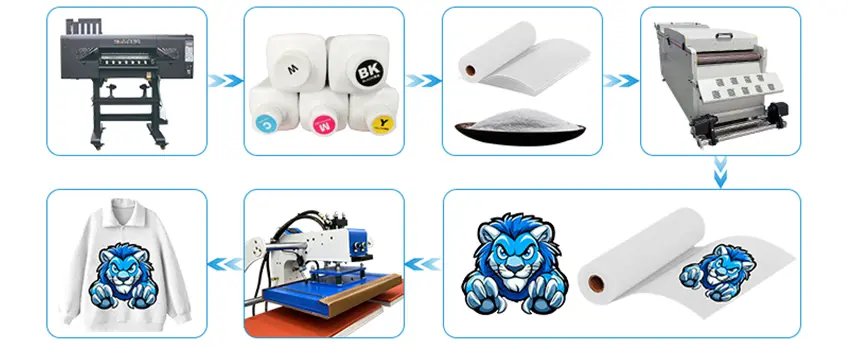
Getting great results with A3 DTF film is all about following the right steps from design to peeling. Here’s a quick guide:
Design preparation and RIP software settings
Start by setting up your design in your RIP software, making sure to include a white ink layer if your print requires it. Choose the right color profiles and print mode optimized for your A3 DTF film and printer model—this ensures vibrant colors and proper ink density.
Printing onto transfer film
Load your PET transfer film A3 sheet carefully into your printer (popular models are Epson L1800/L805). Make sure your ink cartridges (CMYK + white pigment) are fresh and the film sits flat to avoid head strikes or misprints.
Applying powder and curing process
After printing, lightly dust your design with DTF powder adhesive. This powder sticks to the wet ink, enabling a strong bond during heat pressing. Shake off excess powder to avoid clumps. Cure the powder by passing the sheet through a curing station or a dry heat press at low temperature until the powder melts but doesn’t overheat.
Heat press instructions (temperature, time, pressure)
Use a heat press set around 320–350°F (160–177°C), apply medium pressure for 15–20 seconds. Time and temperature will vary slightly depending on your fabric. For delicate materials, lower the temperature or press time to protect the garment.
Peeling tips for hot, cold, and instant peel films
- Hot-peel films: Peel the PET sheet immediately when hot; this boosts opacity on dark fabrics but requires fast work.
- Cold-peel films: Wait for the transfer to cool completely before peeling; easier for beginners and delicate fabrics but slower.
- Instant peel: Some advanced dual-peel films allow immediate peeling with a balance of speed and finish.
Common troubleshooting
- Ink adhesion issues: Ensure proper white ink layers and curing of powder.
- Powder sticking too much or too little: Apply the right amount evenly and cure properly.
- Cracking or peeling after wash: Double-check heat press settings and use a high-quality film designed for lasting durability. For premium options with advanced coatings that improve wash fastness and hand feel, consider verified products like those from Jinlong DTF’s line of “best DTF film of 2026” with next-gen coatings.
By following these steps carefully, you can maximize your success with A3 DTF film printing and produce vibrant, durable transfers every time.
Care, Storage, and Maintenance Tips for A3 DTF Transfer Film
Proper care and storage of your A3 DTF transfer film are key to maintaining print quality and film longevity. Keep your PET transfer film A3 sheets flat in a cool, dry place to avoid warping or curling. Avoid exposure to direct sunlight and excessive humidity, which can degrade the release coating and cause static build-up, making handling difficult during printing.
When it comes to washing DTF-printed garments, follow these simple steps to maximize durability:
- Wash inside out with cold or warm water (not exceeding 104°F / 40°C).
- Use mild detergents without bleach or fabric softeners.
- Avoid tumble drying; instead, air dry or use low heat.
- Iron the garment inside out on low heat if needed, avoiding direct contact with the print.
With good-quality films and proper aftercare, DTF printing film transfers can last 50+ washes without noticeable fading, cracking, or peeling, maintaining vibrant colors and softness. This durability is a major reason why A3 DTF film is popular for custom apparel and promotional items in the US market.
For detailed tips on handling DTF powder adhesive and curing, check out our expert DTF printing guide for beginners, which covers best practices to extend transfer life and improve wash fastness.
Frequently Asked Questions (FAQ)
Is A3 DTF film better than roll film for beginners?
Yes, A3 DTF film sheets are often easier for beginners to manage compared to rolls. Sheets simplify handling and prevent film wasting, making them a great choice for small-batch or on-demand printing. Rolls, however, are more cost-effective for high-volume production.
How do I choose the right film for my printer and fabric?
Start by checking your printer model compatibility, like Epson L1800, L805, or SureColor. Then, consider the fabric type—cotton, polyester, or blends—and the desired finish, whether soft matte or glossy. Also, factor in your production speed and budget. Premium films offer better durability and a smoother hand feel.
How many prints can I get per A3 sheet?
Generally, one A3 DTF transfer film sheet (297×420 mm) fits one medium-sized graphic, such as a typical t-shirt design. Depending on your artwork size, you might fit multiple smaller prints per sheet, maximizing efficiency.
What are common mistakes to avoid for professional results?
Using incorrect heat press settings (temperature, time, pressure)
Skipping proper powder application or insufficient curing
Peeling the film at the wrong temperature (hot peel vs cold peel)
Choosing incompatible fabrics or inks
Not storing films correctly, leading to warping or static issues
For a full checklist, see our detailed DTF film printing guide.
Hot-peel vs cold-peel: which is better for dark fabrics?
Hot-peel DTF film is generally preferred for dark fabrics because it offers excellent opacity and crisp colors immediately after pressing. Cold-peel films can work but may require longer curing and might not deliver the same vibrant results on deep colors. Ultimately, hot-peel films speed up production with better durability on dark garments.
Choosing the right A3 DTF transfer film and peel type depends on your workflow, fabric, and desired finish to achieve top-quality custom apparel prints.


 English
  Español
  Deutsch
  Français