
No products in the cart.

Jinlong
DTF Printer A3 Cost Breakdown 2026 Machine Price Supplies Cost
What Is an A3 DTF Printer and Why Consider One?
A3 DTF printers use Direct-to-Film (DTF) technology to print vibrant designs onto special PET films, which are then heat-pressed onto fabric. Unlike DTG (Direct-to-Garment) printing that applies ink directly onto textiles or sublimation that requires polyester materials, DTF works on a wider range of fabrics, including cotton and blends. Compared to vinyl cutting, DTF allows for more detailed, full-color prints with less setup time.
Choosing an A3 DTF printer offers several advantages:
- Compact size: Perfect for home studios or small shops with limited space.
- Bigger print area than A4: Supports larger designs ideal for adult t-shirts, hoodies, and accessories.
- Balanced speed and cost: Faster and more cost-effective than A4 machines without the high investment of 24-inch+ wide printers.
This makes A3 DTF printers especially suitable for:
- Beginners starting their first printing business
- Side hustles looking to scale up production
- Small apparel businesses printing between 50 to 500 items per month
When deciding between sizes, an A3 printer hits the sweet spot for moderate volume. It’s more efficient and versatile than an A4 for higher volumes but doesn’t require the heavy layout or upfront costs of larger 24-inch and above printers. If your monthly print runs are moderate and you need flexibility for varied designs, the A3 format fits perfectly.
In short, an A3 DTF printer is a smart investment for those seeking quality, affordability, and manageable running costs in a small to medium apparel printing setup.
Upfront Machine and Setup Costs for A3 DTF Printers
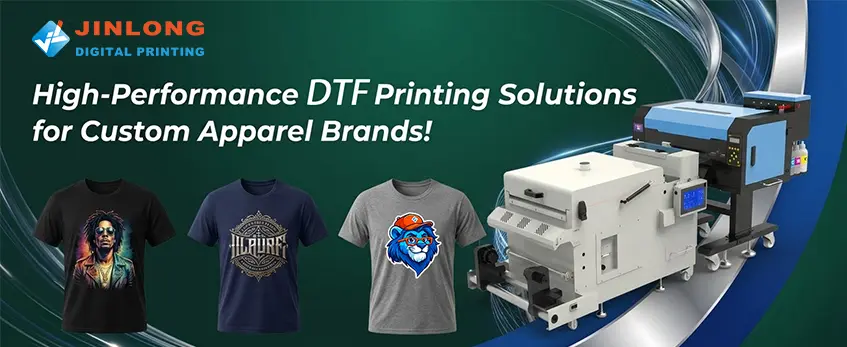
In 2026, the A3 DTF printer price ranges vary depending on features and build quality. Entry-level A3 DTF printers typically cost between $2,500 and $3,500, while mid-range models fall around $3,500 to $5,000 or more. Key printhead types include the popular XP600 and L1800, both known for solid performance with white ink circulation systems and auto-cleaning functions. Many bundles also come with crucial extras like RIP software and starter consumables, making setup smoother.
A full startup kit usually includes the A3 DTF printer, powder shaker, dryer or oven, heat press, essential software, initial inks and powder, plus accessories such as ventilation setups and cleaning kits. This means the total investment for a ready-to-run A3 DTF setup ranges roughly from $3,000 to $8,000. For example, some small apparel businesses can get going with an all-in-one package near $3,500, while more feature-packed kits might push closer to the $7,000 mark.
The jinlong DTF A3 models stand out in this market as affordable and reliable solutions. They pack industrial-grade features tailored specifically for beginners and small businesses, delivering balanced pricing without sacrificing print quality or ease of use. These printers come with robust white ink circulation, reducing maintenance and downtime, which helps keep running costs manageable too.
For a deeper insight into how DTF machines fit into your printing setup, check out how to optimize your DTF transfer workflows with powder and film, which is a great resource when planning your startup kit and supplies.
Ongoing Supplies and Consumables Costs
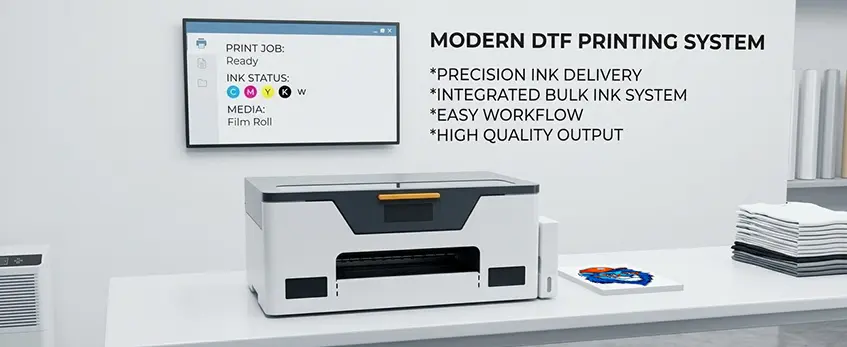
When running an A3 DTF printer, understanding ongoing supplies costs is key to managing your budget. Here’s a clear breakdown of the essentials:
DTF Inks (CMYK + White): Ink price typically ranges around $50–$150 per liter depending on pigment quality and brand. White ink is usually more expensive due to its composition. Shelf life varies but proper storage can extend it beyond 12 months. Using printers with white ink circulation systems, like jinlong DTF models, helps reduce ink waste and lowers your long-term printing costs.
PET Transfer Film: You can buy film in rolls or sheets. Rolls usually offer better per-square-inch pricing but require proper storage to maintain quality. For A3 size, costs generally fall between $0.30–$1.00 per print, depending on film quality. Higher-grade films improve adhesion and durability, vital for print longevity. Check out the DTF transfer film options optimized for A3 printing available for reliable performance.
Hot Melt Adhesive Powder: This powder binds the printed film to fabric. Pricing is often around $20–$50 per kilogram. Usage rates vary by print size but expect roughly 5–20 grams per A3 transfer. Using high-quality powders such as those from jinlong ensures consistent melting and better finish. You can explore cost-effective powders like the TPU DTF hot melt adhesive powder to support your setup.
Other Consumables: This includes cleaning solutions, maintenance kits, electricity, and optional items like RIP software upgrades or spare parts. These costs vary but budgeting a small monthly amount ($20–$50) for upkeep will keep your machine running smoothly.
Bulk Buying Tips and Supplier Advice:
- Purchase inks, films, and powders in larger quantities to reduce per-item costs.
- Choose suppliers known for consistent quality to avoid print defects and downtime.
- Stick to consumables recommended for your machine to prevent clogging and maintain print quality. For example, jinlong DTF supplies are specifically formulated to work seamlessly with jinlong A3 printers, minimizing maintenance hassles and boosting output reliability.
By factoring in these ongoing costs and using optimized supplies, you can keep your A3 DTF printing affordable and consistent.
Realistic Cost Per Print Breakdown
To figure out the cost per A3 DTF print or transfer, start with a simple formula: add up your ink, film, powder, and overhead expenses, then divide by the number of prints you get per batch.
Key factors that affect cost per print:
- Design coverage: Light designs use less ink; heavy, solid prints consume more, especially white ink layers.
- Print size and utilization: Printing gang sheets (multiple designs on one sheet) spreads costs and saves money.
- Waste rate: Beginners usually see 5–20% waste due to setup errors, misprints, or cleaning cycles.
Sample cost ranges per A3 transfer:
| Cost Component | Low Coverage | Medium Coverage | High Coverage |
|---|---|---|---|
| Ink (CMYK + White) | $0.10 | $0.30 | $0.60 |
| PET Film | $0.30 | $0.65 | $1.00+ |
| Hot Melt Powder | $0.05 | $0.10 | $0.20 |
| Overhead (Power/Labor/Maintenance) | $0.50 | $1.25 | $2.00 |
| Total per A3 Print | $0.95 | $2.30 | $3.80 |
Comparing this to A4 prints or outsourcing transfers, A3 offers a solid balance between cost and print size — especially worth it for small businesses focusing on adult tees, hoodies, or accessories.
Real-world examples:
- Standard T-shirt Transfer: About $1.50 per print on average.
- Hoodie Panel: Closer to $2.00 due to larger size and heavier ink coverage.
- Multi-Design Gang Sheet: Costs drop significantly per print when spreading materials over multiple smaller designs.
Watch out for hidden costs like failed prints, the learning curve downtime, and special storage needs for inks and PET film to avoid drying out or losing adhesion quality.
For consistent results and cost control, investing in quality powders like TPU DTF hot melt adhesive powders can greatly reduce waste and improve durability — see options optimized for jinlong printers here.
Keeping track of these factors helps you nail down your true DTF printing cost per shirt and plan profitable pricing strategies.
Total Cost of Ownership, ROI, and Profitability Analysis
When budgeting for an A3 DTF printer setup, understanding the total cost of ownership and the return on investment (ROI) is key to running a profitable business.
Break-Even Timeline
Most small apparel businesses printing between 100–300 pieces per month can expect to recover their initial investment in about 6 to 12 months. This depends on your sales volume and pricing strategy but hitting consistent monthly print targets is crucial.
Pricing Strategies for Healthy Margins
To maintain strong profit margins, consider markups between 50% and 300% on transfers or finished garments. Here’s a quick pricing example for transfer markups:
| Transfer Cost | Recommended Selling Price | Margin % |
|---|---|---|
| $1.00 | $1.50 to $4.00 | 50%–300% |
Markup varies by market demand, complexity, and garment type but keeping a flexible pricing model helps balance competitiveness and profitability.
Monthly and Annual Operating Cost Estimates
| Production Volume | Monthly Costs (supplies, electricity, labor) | Annual Costs Estimate |
|---|---|---|
| 100 prints | $100 – $300 | $1,200 – $3,600 |
| 300 prints | $250 – $700 | $3,000 – $8,400 |
| 500 prints | $400 – $1,200 | $4,800 – $14,400 |
Higher volumes improve efficiency and reduce per-piece costs.
ROI Boosters with jinlong DTF Systems
- Efficient white ink circulation reduces ink waste and thus lowers running costs.
- Easy maintenance cuts downtime and repair expenses.
- RIP software optimization improves print layouts, saving film and ink.
- Scale production smoothly by upgrading or adding multiple jinlong A3 printers.
Cost Comparison: A3 DTF vs Other Options
| Feature | A3 DTF Printer | A4 DTF Printer | 24\”+ Large DTF | DTG Printer | Outsourcing Transfers |
|---|---|---|---|---|---|
| Initial Investment | $3,000–$8,000 | $1,500–$3,000 | $8,000+ | $10,000+ | No upfront cost |
| Cost/Print | $0.50–$2.50 | $0.30–$1.50 | $0.25–$1.00 | $1.50–$5.00 | $2.00–$6.00 |
| Ideal Volume | 50–500 prints/month | Under 100 prints/month | 500+ prints/month | 100+ prints/month | Varies, no control |
| Space Required | Compact | Very compact | Large footprint | Medium/large footprint | None |
| Control & Flexibility | High | High | High | Medium | Low |
Choosing the right machine depends on your volume, space, and control needs. For small to mid volumes, the jinlong A3 DTF printer strikes a great balance of cost, size, and quality.
For more on how to save on consumables and maximize uptime, explore jinlong’s efficient DTF transfer film and hot melt adhesive powder options.
Factors Affecting Costs and How to Reduce Them
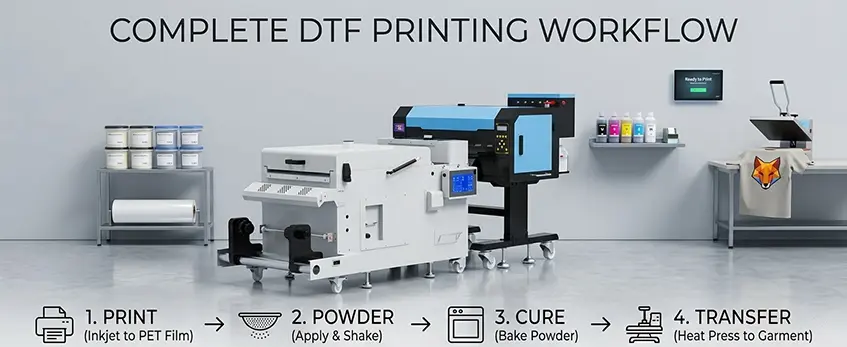
When managing your A3 DTF printer costs, certain machine features can make a big difference in your long-term expenses. For example, printers with reliable white ink circulation systems help prevent clogging and wasting expensive ink, while easy maintenance designs save time and money on repairs. Jinlong DTF printers, for instance, include both these features, cutting downtime and keeping running costs manageable.
To keep costs lower, follow these best practices:
- Proper storage of inks and films protects them from drying out or becoming unusable.
- Regular cleaning of printheads and printer parts prevents expensive clogs and extends equipment life.
- Maintaining optimal humidity and temperature levels in your workspace reduces ink drying issues and film adhesion problems.
- Design optimization ensures efficient ink use — avoiding heavy ink coverage saves you money on ink and powder.
Beginners should watch out for common pitfalls like ignoring maintenance schedules or using low-quality supplies to save upfront costs. Cheap inks and films may seem budget-friendly but often cause poor print quality, higher ink waste, and clogged heads, all adding to your overall expenses. For example, selecting quality DTF white ink with proper circulation and durable transfer films tailored for your machine avoids frequent replacements and print failures.
Investing in good supplies and sticking to a cleaning routine ultimately lowers your DTF printer running costs, making your A3 DTF setup more profitable and reliable.
Why jinlong DTF A3 Printers Offer Strong Value
jinlong DTF A3 printers strike a great balance between price, durability, and print quality, making them an ideal choice for small businesses and beginners in the U.S. market. These machines are built to handle daily production of 50–500 items with reliable white ink circulation systems, which help reduce ink waste and maintenance costs over time. That means less downtime and more consistent prints—key for anyone serious about growing their apparel business.
In real terms, using jinlong DTF machines and their compatible supplies keeps your cost per A3 DTF transfer low without sacrificing quality. For example, ink sets, PET films, and hot melt powders designed specifically for jinlong models help avoid clogs and optimize output. This compatibility ensures fewer headaches and smoother operations, helping you get the most from your investment.
Aside from performance, jinlong also offers strong customer support, warranties, and proven results in startup environments. These benefits reduce the learning curve and risk for newcomers, while the machine’s user-friendly interface and bundled accessories streamline setup and daily use. If you want a reliable, affordable A3 DTF printer with a solid track record, jinlong is worth checking out.
Ready to see which jinlong model fits your budget and needs? Explore their latest line of A3 DTF printers and compatible supplies, including high-quality DTF inks and films designed to maximize print quality and cost efficiency.


 English
 Español
 Deutsch
 Français