

No products in the cart.

Jinlong
DTF Rolls Cost Breakdown Comparing Profitability of Roll Film vs Sheets
Understanding DTF Materials: Rolls vs. Sheets
When diving into DTF printing, one of the first questions I often get is: should I go with DTF rolls or DTF sheets? Both have their place, but understanding their differences is key.
What Are DTF Rolls and DTF Sheets?
DTF Rolls (Roll Film): These are long, continuous films usually wound on a spool. You can cut any length to fit your print job, making them flexible for varied print sizes.
DTF Sheets: These come pre-cut into standard sizes, like 8.5×11 inches or 11×17 inches, ready for specific print runs.
Typical Specifications
| Feature | DTF Rolls | DTF Sheets |
|——————|—————————-|——————————–|
| Size | Usually 10-24 inches wide, lengths in meters or feet | Standard sheet sizes (8.5×11\”, 11×17\”, A3, etc.) |
| Thickness | Around 120-140 microns on average | Similar thickness, but may vary slightly per sheet type |
| Material | PET film with specialized coating for ink adhesion | Same PET base, but pre-cut and sometimes different coating batches |
Common Applications
- DTF Rolls: Ideal for businesses doing continuous or large-volume prints. Their flexibility lets you switch between small and big jobs quickly. Great for apparel shops focused on scalability and speed.
- DTF Sheets: Perfect for smaller runs, prototyping, or designs that require exact dimensions. Also popular in setups where printer compatibility with sheets is a must or where storage space is limited.
Understanding these foundational differences helps clarify how DTF roll film cost and DTF sheets price comparison will affect your production efficiency and profitability. Next, we\’ll break down the cost components to see which material truly brings the best value.

Cost Components Breakdown for DTF Roll Film
When it comes to DTF rolls, the price per meter or foot is a key factor. On average, roll film costs less per linear foot than sheets because you buy in larger quantities. Market prices typically range depending on quality, thickness, and supplier, but bulk DTF roll pricing often brings significant savings, especially for high-volume businesses.
Buying rolls in bulk not only lowers the cost per unit but also reduces the need for frequent reorders. However, it’s essential to consider supplier reliability to avoid delays. Material wastage tends to be lower with rolls since you can cut exactly what you need, minimizing leftover scraps from fixed sheet sizes. This efficiency directly affects your profit margins.
Storage and handling of rolls require enough space and proper conditions to maintain film quality. Rolls are bulkier than sheets but generally easier to store if you have a designated printing area. Additionally, using roll film supports a smooth, continuous printing workflow, cutting down on setup time and downtime between jobs. This operational efficiency can translate into faster turnaround times and lower labor costs, boosting overall profitability.
For tips on how to properly store and handle roll film for best results, check out the A3 DTF transfer film storage and handling tips from Jinlong.
Cost Components Breakdown for DTF Sheets
When it comes to DTF sheets price comparison, costs mainly depend on the sheet size and quantity purchased. Sheets come in various sizes, typically ranging from 8.5”x11” to 12”x16”, and the per sheet price can fluctuate based on thickness and supplier. Larger sheets usually cost more but can fit bigger designs or multiple smaller prints, impacting print runs and design placement flexibility.
A key cost consideration is material wastage. Because sheets require specific layout setups, you might end up with unused blanks if your designs don’t perfectly fill the sheet space. This inefficiency can increase your overall DTF printing material expenses compared to rolls, where you can customize length more easily.
Storage is another factor. Sheets are stacked flat and need more storage surface area compared to rolls, which can be stored vertically or on compact rollers. For businesses with limited space, the extra storage area for sheets can add to operational costs.
Batch printing with sheets tends to work best for small to medium runs, with clear breaks between jobs to reload sheets, causing downtime between batches. This contrasts with roll usage, which supports a more continuous printing workflow. The interruptions from batch printing can reduce operational efficiency and increase labor costs.
Balancing these factors helps determine how sheets fit into your business model, especially when comparing the overall cost efficiency of DTF printing via sheets versus rolls.
For those starting or optimizing a DTF operation, reviewing in-depth cost breakdowns like these alongside equipment compatibility and supplier options is key — see our guide on how much it costs to start a DTF printing business for more details.
Profitability Analysis: Rolls vs. Sheets
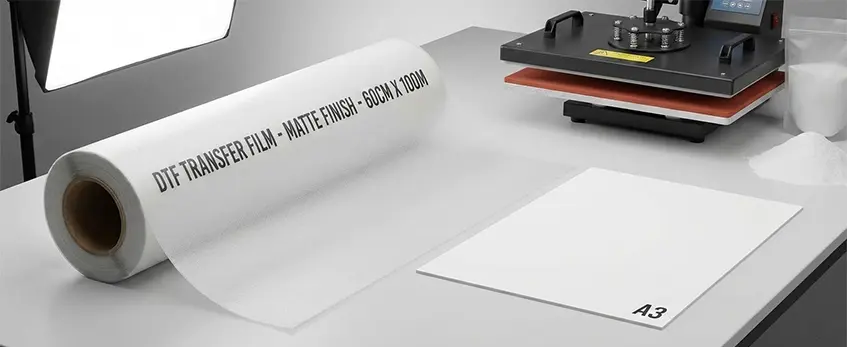
When comparing DTF rolls vs sheets profitability, the total cost per printed unit is a key factor. Rolls typically offer a lower DTF roll film cost per print since you can print continuously without frequent media changes. This reduces labor and energy spent on setup and downtime, boosting operational efficiency. On the other hand, sheets tend to have a higher per-item cost, especially when running larger volumes, due to more frequent feeding and alignment adjustments.
Material utilization rates also differ. Roll film allows for better nesting of designs, minimizing media wastage compared to sheets where layout constraints often lead to more leftover unused space. This efficiency directly lowers overall DTF printing material expenses with rolls.
Quality consistency is generally more stable with rolls because of the smooth continuous feeding, which contributes to a more reliable end product. Sheets can suffer from slight variations during manual handling.
From a scalability standpoint:
- Rolls are better suited for medium to large businesses focused on high-volume or continuous runs.
- Sheets may fit smaller businesses or those prioritizing short runs and diverse design flexibility.
Overall, considering cost efficiency of DTF printing, rolls often prove more profitable for larger operations where speed, material utilization, and lower per-print costs matter most. For small batch jobs or tight spaces, sheets might still be practical despite a slightly higher cost per unit. For those interested in optimizing their workflow, checking out Jinlong’s detailed insights on hot peel DTF film roll vs cold peel film cost, speed, and quality comparison can offer useful guidance.
Additional Factors Affecting Cost and Profitability
When weighing the DTF rolls vs sheets profitability, several outside factors come into play beyond just the raw material costs.
Environmental Considerations: Waste management is a growing concern. Roll film tends to generate less off-cut waste compared to sheets, making it more eco-friendly and potentially lowering disposal costs. Choosing suppliers that provide recyclable or biodegradable DTF materials can also boost your sustainability profile.
Supplier Reliability and Lead Times: Consistent supply is crucial for smooth operations. Bulk DTF roll pricing often comes with benefits, but you must ensure your supplier can meet lead times reliably. Delays especially hurt businesses relying on frequent restocks of sheets due to smaller order sizes.
Equipment Compatibility: Not all printers handle rolls smoothly. Some machines are designed exclusively for sheets, while others optimize continuous printing on roll film. Using compatible equipment not only minimizes downtime but also improves material utilization rates, impacting your overall DTF printing cost per print.
Market Demand Trends: The choice between roll film and sheets also depends on what your customers want. With the rise in custom apparel and mass production, many businesses find that rolls offer better operational efficiency and faster turnaround times. However, small batch or highly detailed jobs might still favor sheet-based DTF printing due to ease of handling and layout flexibility.
By considering these factors along with direct costs, you can better understand where your business can gain the most in cost efficiency of DTF printing over time. For more on how your equipment choices might impact your workflow, check out this detailed DTF printer for shirts vs DTG – which is better?
Case Studies / Examples: Jinlong DTF Cost Analysis with Rolls vs. Sheets
Let’s look at some real-world examples from Jinlong DTF to see how DTF rolls cost breakdown compares to sheets in actual business use.
Example 1: Using Jinlong DTF Rolls
A mid-sized print shop shifted to Jinlong’s DTF roll film for a steady volume of custom apparel printing. They noticed:
- Lower material costs per print due to bulk roll pricing and reduced wastage.
- Improved workflow efficiency from continuous printing, cutting downtime and setup changes.
- Storage savings by keeping rolls compact instead of stacking large quantities of sheets.
This led to a 15-20% drop in overall DTF printing material expenses and faster turnaround times. Their feedback highlighted how the rolls fit well for batch runs with diverse designs, improving scalability and profitability.
Example 2: Comparing Same Volume Using Sheets
The same print shop ran a test batch with DTF sheets of equivalent print volume. They found:
- Higher per sheet price, especially for smaller, fixed sizes.
- More material wastage due to layout constraints when fitting designs on sheets.
- Slower print cycles due to frequent reloading and manual alignment.
This resulted in roughly a 10-15% higher cost per printed unit and longer labor time, impacting their margins negatively on high-volume jobs.
Insights on Profitability Improvements
From Jinlong DTF’s examples and customer testimonials, switching to rolls often leads to:
- Better cost efficiency of DTF printing through lower film costs and less waste.
- Increased operational speed and reduced downtime, boosting labor productivity.
- Easier scaling for different business sizes, especially those with expanding order volumes.
For anyone evaluating DTF rolls vs sheets profitability, these real-life cases suggest rolls tend to be more cost-effective for ongoing, larger-scale production. If you’re interested in starting or scaling, checking out the best practices for roll film printing can be a great step—Jinlong offers excellent insights on how to optimize your print workflow with rolls, especially for apparel printing at best DTF printers for beginners.
Recommendations for Choosing Between Rolls and Sheets
When deciding between DTF rolls and sheets, your choice largely depends on several key factors tailored to your business needs.
Business Size and Print Volume
For larger operations with steady, high-volume production, DTF rolls often make more sense because they support continuous printing and reduce setup time. Smaller shops or businesses focusing on custom orders and small batches may find sheets more economical due to lower upfront costs and easier inventory management.
Design and Color Complexity
If your printing involves complex, multi-color designs that require precise placement, sheets might offer better control over layout and ink usage. However, for simpler, repetitive designs, rolls can improve material utilization and speed, enhancing cost efficiency.
Space and Storage Logistics
Roll film typically requires more storage





 English
 Español
 Deutsch
 Français