
No products in the cart.

Jinlong
DTF Printing Trends 2026 Advanced Tech and Sustainable Solutions
Trend #1: The Green Revolution (Sustainability is No Longer Optional)
Sustainability is no longer an option for custom apparel brands—it’s a requirement. Regulatory pressure across the US and global markets is tightening, pushing print shops to adopt eco-certified apparel printing processes. Non-compliance risks fines and lost business from conscious consumers.
Key sustainability shifts include:
Regulatory Pressure: New environmental laws demand reduced VOC emissions and waste in textile printing. Brands must demonstrate responsible sourcing and disposal.
Eco-Friendly Consumables: The rise of water-based, OEKO-TEX certified inks significantly lowers environmental impact. Paired with recyclable PET films, these consumables minimize landfill waste and support circular production models.
Jinlong’s Role in Eco-Standards Optimization: Jinlong leads in developing sustainable DTF printing solutions tailored to meet these evolving standards. Their Jinlong DTF advanced consumables combine performance with environmental responsibility, ensuring brands meet compliance while maintaining vibrant, durable prints.
As the green revolution shapes the landscape of DTF printing trends in 2026, incorporating sustainable DTF transfer film and consumables isn’t just good practice—it’s a strategic necessity for future-proofing your custom apparel business.
Trend #2: Technological Leaps – Speed and Automation
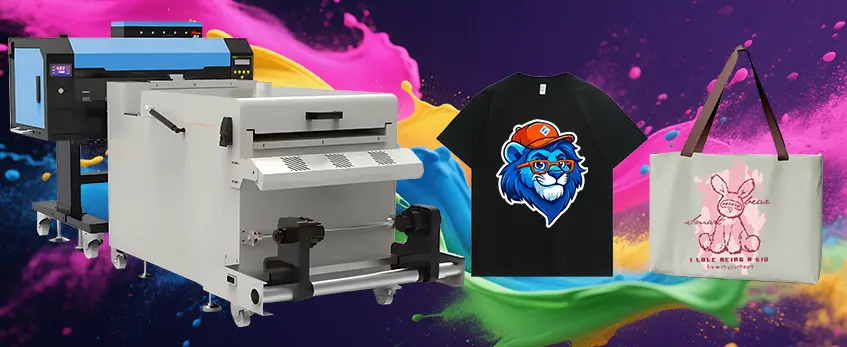
In 2026, speed and automation are the biggest game-changers in DTF printing. Next-gen print heads now deliver up to 3x faster industrial DTF printer speeds without the usual banding issues. This means custom apparel brands can churn out high-volume textile production runs more efficiently, reducing delays and boosting profitability.
AI-driven technology is also stepping in to simplify operations. Automated nozzle checks and self-cleaning functions keep the printer in top shape with minimal downtime. Plus, smart nesting software optimizes print layouts to cut down on material waste and speed up turnover. These intelligent features help maintain consistent print quality and lower cost-per-print without extra manual work.
On the management side, smart workshop setups integrating ERP systems with print-on-demand automation in 2026 are streamlining fulfillment like never before. This tight integration ensures real-time tracking, automatic order processing, and better inventory control. For brands focusing on fast turnaround times, combining AI technology with modular DTF setups provides a clear edge in the competitive custom apparel market.
For shops scaling their operations, considering reliable equipment that supports these features, like the JL-DTF301B A3 printer, can make a huge difference in automation success and speed improvements. You can explore more about this compact, efficient printer ideal for small businesses looking to leverage next-generation pigment inks and automated workflows.
Trend #3: Expanding Material Compatibility and Hand Feel
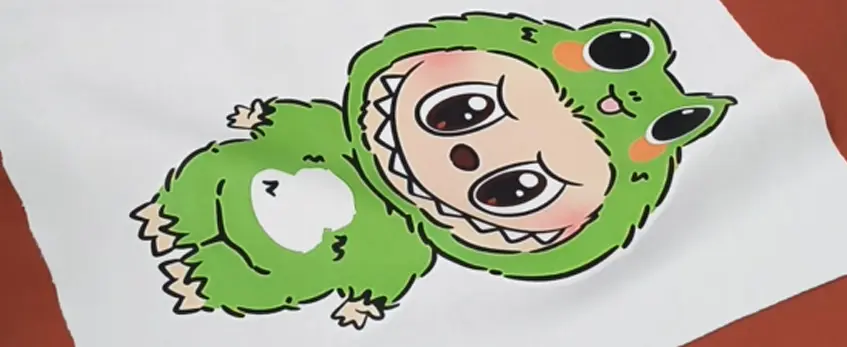
One of the biggest shifts in DTF printing trends in 2026 is the focus on improving material compatibility and the overall hand feel of prints. Customers no longer want that stiff, plastic-like finish often associated with traditional DTF prints. Instead, soft, breathable prints are becoming the norm, delivering comfort alongside vibrant graphics.
Brands can now print seamlessly on performance fabrics like high-stretch nylon, tech-wear materials, and recycled polyester, expanding the possibilities for custom sportswear bonding. This opens up new markets in activewear and sustainable fashion, where flexibility and durability are crucial.
Breathability has also improved dramatically thanks to advanced perforation techniques and automated powder application improvements. These innovations reduce bulk and enhance airflow, making breathable DTF transfers ideal for all-day wear. Whether you’re producing eco-certified apparel or tech-wear, these advances help your custom apparel stand out while keeping customers comfortable.
For more details on optimizing print quality on different materials, check out this complete guide to high-quality DTF printing with A3 transfer film.
Trend #4: Special Effects and Visual Differentiation
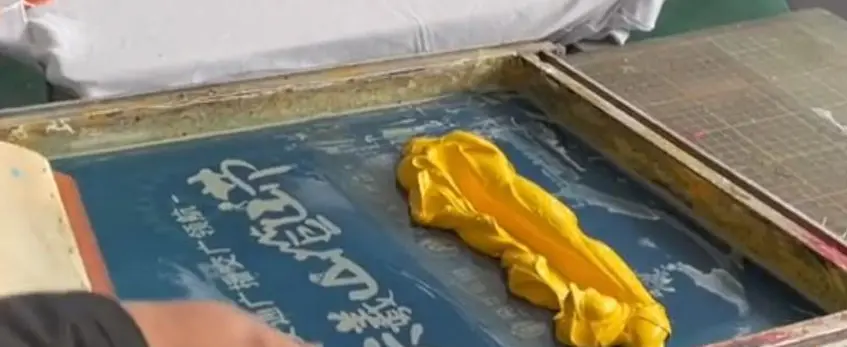
Custom apparel brands in 2026 are stepping up their game with eye-catching special effects in DTF printing. Two trends stand out:
Fluorescent (Neon) and Metallic Foil DTF Transfers
These vibrant effects help brands create bold, standout designs. Neon inks offer bright, glowing colors perfect for custom sportswear and promotional apparel. Metallic foil adds a shiny, luxe finish without compromising durability or washability.
UV DTF vs. Standard DTF and Hybrid Production Environments
UV DTF printing is gaining traction for its sharper details, vibrant color range, and quicker curing times compared to standard DTF. Many shops are adopting hybrid setups that combine UV DTF with traditional methods, maximizing flexibility for various garment types and designs.
| Feature | Standard DTF | UV DTF | Hybrid Setup Benefits |
|---|---|---|---|
| Color Vibrancy | Good | Excellent | Best of both worlds |
| Print Durability | High | High | Enhanced for mixed material runs |
| Cure Time | Longer | Faster | Faster throughput |
| Visual Effects | Limited metallic/neon | Strong neon and metallic | Variety of effects without extra cost |
Using advanced options like fluorescent and metallic foil transfers keeps custom apparel fresh and competitive. For brands ready to invest, exploring the latest Jinlong printers, such as the JL-DTF604P DTF Digital Printer Pro Series, unlocks access to specialized consumables and workflows essential for these effects.
The visual differentiation through neon and metallic finishes, combined with the efficiency of UV curing or hybrid environments, ensures apparel stands out in crowded markets while maintaining cost-effective production.
Strategic Analysis: DTF vs. DTG and Screen Printing in 2026
In 2026, the balance between DTF, DTG, and screen printing is shifting quickly. Thanks to advances in industrial DTF printer speeds and improved consumables, the cost-per-print for DTF has moved closer to traditional methods, especially for small to medium runs. This cost intersection makes DTF a compelling choice for custom apparel brands looking to reduce overhead without sacrificing quality or flexibility.
One major change driving this shift is the elimination of pre-treatment for many DTF processes. Unlike DTG, which still requires fabric pre-treatment to achieve optimal print quality, DTF’s pre-treatment elimination boosts productivity and reduces labor costs. This efficiency has accelerated user migration to DTF, particularly among those scaling their print-on-demand operations.
Another key advantage is the scalability of modular DTF setups. Unlike screen printing, which demands significant upfront investment and space for multiple screens, modular DTF equipment can expand easily as demand grows. This flexibility is crucial for custom apparel brands adapting to fluctuating orders and personalized printing trends in the U.S. market.
For more insights on optimizing your DTF workflow and equipment, check out our guide on choosing the right DTF powder shaker for your printer setup. This will help you maintain quality and efficiency as you scale.
In , 2026 marks a turning point where DTF stands out for its cost-effectiveness, reduced prep time, and adaptable production setups—making it a smart long-term choice for forward-thinking custom apparel businesses.
How to Future-Proof Your Print Shop with Jinlong DTF
Staying ahead in the custom apparel game means investing smartly in the right equipment. For 2026, choose Jinlong’s latest DTF printers built for speed, quality, and eco-certified apparel printing. Their industrial DTF printer speeds offer faster turnaround without sacrificing print detail, helping you meet growing demand with ease.
Supply chain stability is crucial too. Jinlong’s advanced consumables, like their TPU hot-melt adhesive powder, are manufactured consistently to keep your operations smooth and your cost-per-print low. This reduces downtime and protects your margins when materials tightness hits the market.
Finally, with more automation entering the mix, invest in proper training and regular maintenance to keep your workflows efficient. Jinlong integrates AI-driven features that automate nozzle checks and optimize print quality, but your team needs to master these tools for best results. Scheduled upkeep avoids unexpected breakdowns and ensures your print shop runs seamlessly in this new era of smart manufacturing integration.
By focusing on equipment relevance, supply reliability, and staff readiness, you can confidently future-proof your print shop for the DTF printing trends 2026 and beyond.


 English
 Español
 Deutsch
 Français