
No products in the cart.

Jinlong
Order Shirt Transfers for Print-on-Demand Benefits and Cost Analysis
Starting a print-on-demand (POD) t-shirt business comes with its fair share of challenges—high upfront costs, inventory risks, and the hassle of managing complex printing equipment. That’s why more sellers are turning to ordering shirt transfers for print-on-demand as a smarter, low-risk way to launch and grow their apparel lines. But the burning question is: Is it really worth it to rely on custom heat-applied transfers like DTF instead of investing in your own setup? In this post, you’ll discover why ordering shirt transfers for POD can be a game-changer—offering flexibility, vibrant quality, and easier scalability without breaking the bank. Let’s get into what makes this approach a smart move for entrepreneurs like you.
What Are Shirt Transfers and How Do They Work for Print-on-Demand?
If you’re new to print-on-demand (POD), you’ve probably heard about DTF transfers for POD and wondered what they really are. Shirt transfers are essentially custom designs printed onto special transfer material that you heat-apply to a shirt using a heat press. This process is simple, flexible, and ideal for POD sellers.
Here’s a quick breakdown of how custom heat-applied transfers work—especially Direct-to-Film (DTF) transfers:
- Design Creation: You start with a digital artwork or logo.
- Printing on DTF Film: The design is printed using special DTF ink onto a clear film.
- Powder Application: A fine adhesive powder is applied to the printed film.
- Curing: The powder is heat-cured to ensure it sticks well.
- Heat Transfer: Using a heat press, you apply the printed film onto the blank shirt, bonding the ink and adhesive to the fabric.
- Peel and Reveal: After cooling, you peel off the film, leaving a vibrant, durable print.
What makes shirt transfers a perfect fit for POD is their on-demand nature—you can print exactly what your customers want, when they want it. There are no minimum order requirements, which means whether it’s a single shirt or a small batch, transfers let you fulfill orders without holding inventory. This flexibility is a game-changer for POD businesses looking to scale without upfront risk.
Key advantages for POD sellers:
- No need to invest heavily in direct printing machines.
- Ideal for startups or side-hustlers testing designs.
- Works on various fabrics, expanding your product range.
- Consistent, vibrant colors with wash-tested durability.
In short, shirt transfers, especially DTF transfers, give POD sellers creative freedom, low startup costs, and easy fulfillment—perfect for today’s flexible print-on-demand market.
In-House Printing vs. Ordering Transfers: Key Alternatives Compared
When running a POD business, choosing between in-house printing and ordering shirt transfers can make a big difference in cost, speed, and flexibility.
DTG Printing Pros and Cons
Direct-to-garment (DTG) is popular for print on demand shirt printing because it offers detailed, full-color prints right on the fabric. It’s great for small batches and quick turnaround, but the equipment is pricey, requires constant maintenance, and uses expensive inks. Plus, DTG can struggle with darker fabrics and may have longer production times, especially as order volume grows.
Screen Printing: Best for Bulk
Screen printing really shines for high-volume orders thanks to its low per-unit cost once setup is done. However, it’s not ideal for on-demand or smaller POD runs because of the setup time and minimum order quantities. It also lacks the flexibility for frequent design changes.
In-House DTF Printing
Direct-to-film (DTF) printing in-house is an emerging option that combines vibrant prints with flexibility. You’ll need a DTF printer, heat press, plus maintenance for the printer, powder, and an understanding of the workflow. Initial costs and learning curve can be high, but it eliminates per-transfer costs and allows full control—perfect if you process several hundred units monthly. For details on necessary materials like DTF film and powder, check out resources on TPU DTF adhesive powder.
Outsourcing Shirt Transfers
Ordering shirt transfers from a trusted supplier is great if you want to avoid upfront equipment costs and maintenance. You pay per transfer and just need a heat press to apply them. This model minimizes inventory risk, speeds up small batch fulfillment, and keeps your startup expenses low. It’s a hassle-free way to access high-quality, wash-tested transfers that work on various fabric types—ideal for POD sellers starting out or focusing on design and marketing, not printing.
Choosing the right path depends on your order volume, budget, and how hands-on you want to be with production. For most POD businesses under 1,000 units monthly, outsourcing transfers offers a balanced mix of quality and convenience.
Pros of Ordering Shirt Transfers for Your POD Business
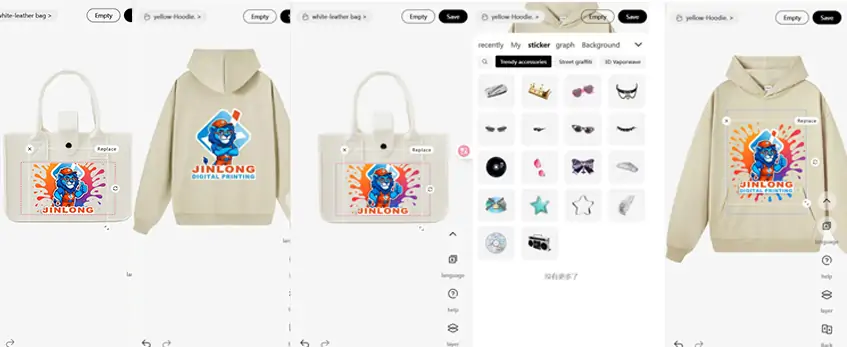
Ordering shirt transfers for your print-on-demand (POD) business offers several clear advantages. First off, the startup costs are low since all you really need is a quality heat press—no expensive printers or ink refills required. This keeps your initial investment small and manageable.
With transfers, you avoid the hassle of technical maintenance like cleaning print heads or managing tricky inks and films. That means less downtime and fewer headaches, making it ideal if you prefer to focus on design and sales instead of equipment upkeep.
You also get high-quality, vibrant, and durable prints that often pass 50+ wash tests, ensuring your customers receive long-lasting products. Thanks to advancements in DTF film, powder, and ink, designs pop with rich color and strong adhesion across various fabric types, adding real value to your offerings.
Design flexibility is another big plus. Whether you want full-color prints or need transfers that work on cotton, polyester, or blends, DTF transfers handle it all. This versatility makes scaling your product range easier without needing multiple specialized machines.
Inventory risk is reduced since you order transfers on demand. You don’t have to guess how many shirts to print upfront or manage bulk stock, which keeps your cash flow healthy. Plus, this approach speeds up fulfillment, especially for small or custom orders, helping you deliver faster and stay competitive.
If you’re curious about choosing the right inks and prints for vibrant, durable results, checking out guides like this one on the best DTF inks can be a great help.
Cons and Potential Drawbacks
While ordering shirt transfers for your POD business can be a game-changer, there are some downsides to keep in mind.
Higher per-unit cost: Compared to high-volume in-house printing like screen printing or bulk DTF runs, buying transfers individually can be more expensive per shirt. This means the more units you produce in-house, the lower your cost per shirt becomes, which might not make transfers the best choice for large-scale orders.
Lead times: Production and shipping can add days or even weeks to your turnaround time, especially during busy seasons or if you\’re relying on overseas suppliers. This can slow down your print-on-demand shirt printing workflow and affect customer satisfaction when quick fulfillment is key.
Supplier quality consistency: Your entire output depends on the quality standards of your transfer supplier. Variability in DTF film, powder, and ink can lead to inconsistent prints, requiring you to vet and establish relationships with reliable providers like Jinlong DTF to avoid surprises.
Different hand feel: Transfers often have a noticeable texture compared to direct-to-garment (DTG) or in-house DTF printing. Some customers may prefer the softer feel of direct prints, so it’s worth considering how the slightly heavier or plastic-like feel of heat press transfers aligns with your brand and audience preferences.
Balancing these potential drawbacks with the benefits will help you decide if ordering shirt transfers fits your POD business model and customer expectations. For more on hidden costs and equipment investments, check out our detailed guide on the true DTF printing cost and hidden expenses.
Cost Breakdown: Is It Really Worth It Financially?

When you run a POD business, every dollar counts. Ordering shirt transfers can seem more expensive per unit compared to printing in-house, but looking at the bigger picture helps. Most print-on-demand shirts sell between $25 and $35, so you need to factor in transfer costs alongside other expenses like blanks, packaging, and fulfillment.
Transfer costs vs. retail margins:
DTF transfers typically cost more per piece than bulk screen printing or DTG on an industrial scale. However, for less than 500 to 1,000 units per month, the savings in upfront equipment investment and maintenance often outweigh the higher per-transfer price. This makes outsourcing transfers a smarter option if your order volumes are low to moderate.
Break-even points:
Under 500 units/month: Outsourcing transfers usually breaks even faster because you avoid heavy gear and ink costs.
500 to 1,000 units/month: Depending on print complexity and fabric types, transfers start to become equally cost-effective compared to buying your own DTF film and powders for in-house printing.
Above 1,000 units/month: In-house printing often wins if you can handle the equipment, space, and upkeep costs.
Real POD seller experience:
Many Etsy and Shopify sellers report that ordering pre-made transfers lets them scale with less cash tied up in inventory. They enjoy faster turnaround and fewer headaches managing consumables like DTF film and powder. This lets them focus more on marketing and customer service, making their stores grow without heavy equipment investment.
If you want to understand more about the cost details and products involved in DTF transfers, check out Jinlong’s DTF transfer film options to see how premium materials factor into quality and durability.
Choosing the Right Transfer Supplier
Picking the right supplier for your shirt transfers is a game-changer for any POD business. Focus on these key factors:
- Print quality: Look for vibrant DTF prints with sharp detail and consistent colors.
- Turnaround time: Fast processing and shipping matter when you need quick fulfillment.
- Pricing: Competitive rates that fit your budget, especially if you’re ordering frequently but in smaller batches.
- No minimum orders: Essential for on-demand printing without inventory risk.
- Wash durability: Transfers should hold up after 50+ wash tests to keep customers happy.
- Customer support: Reliable, responsive help can save time and headaches.
Among top reliable suppliers, jinlong DTF stands out for its premium DTF film, ink, and powder. These high-quality materials ensure superior adhesion and longer-lasting prints, even after multiple washes. Jinlong’s innovative transfer films, like their hot peel and cold peel DTF films, help optimize workflow and print longevity, making them a trusted choice for many POD businesses.
Finding the right balance of quality, cost, and service will put your print-on-demand shirt transfers ahead, so investing time in choosing a proven supplier like jinlong is worth it.
Getting Started: Step-by-Step Guide for Beginners
Starting your print-on-demand (POD) business with ordered shirt transfers is easier than you might think. Here’s a simple guide to get you going:
Essential Tools
All you really need upfront is a good heat press—look for models with adjustable temps and pressure for the best results. Investing in a reliable heat press makes applying DTF transfers for POD smooth and consistent, without the mess of inks or screens.
Sourcing Blank Apparel
Choose quality blank shirts that complement your transfers. Cotton and cotton blends work best since they hold heat-applied designs well and keep colors vibrant. You can find wholesale blank tees from trusted US suppliers to keep your fulfillment local and quick.
Uploading Designs and Ordering Tips
When placing transfer orders, consider using custom gang sheets—this means multiple designs printed on one transfer sheet. It saves money and reduces waste, especially if you have smaller, varied orders. Before uploading, double-check design sizes and colors to match your blanks perfectly.
Applying Transfers for Flawless Results
Preheat shirts to remove moisture
Follow heat press time and temp guidelines closely (typically around 320°F for 15 seconds)
Apply consistent pressure and peel the backing at the right temperature—hot or cold depending on your transfer type
Following these steps helps produce durable, vibrant DTF prints without cracking or peeling.
Testing and Scaling Your POD Store
Start small with samples to test wash durability and print feel—keeping the experience consistent builds customer trust. As orders pick up, leverage supplier no minimums policies to expand gradually without large upfront inventory. This approach reduces risk while scaling efficiently.
For beginners wanting to dive deeper into DTF printing basics and equipment choices, guides like the DTF printing machine guide for beginners offer detailed support.
With this straightforward setup, you can jumpstart your POD business using ordered shirt transfers that combine quality, flexibility, and low startup costs.
Real-User Experiences and Case Studies
Many POD sellers on platforms like Etsy, Reddit, and Shopify praise ordering shirt transfers for their print-on-demand setups. These real users highlight how switching to custom heat transfers, especially DTF transfers for POD, helped them boost margins and grow their stores faster—without sinking money into costly in-house printers or ongoing maintenance.
One common success story involves small shop owners who started ordering DTF transfers online to avoid the hassle of inks, films, and printer upkeep. They report vibrant, durable prints that pass multiple wash tests, keeping customers happy and repeat buyers coming back. With no minimum orders required, these sellers easily scale their inventory up or down based on demand, reducing risk and upfront costs.
Additionally, communities often share how outsourcing DTF printing allows for faster turnaround times on custom orders, giving them an edge over competitors relying on slower, bulk screen printing methods. This flexibility lets POD sellers jump on trends quickly and cater to niche markets without heavy investments.
For those curious to dive deeper, exploring detailed user feedback and stories can offer valuable insights and practical tips to make the switch smooth. This real-world proof often confirms that ordering shirt transfers is worth it when balancing quality, costs, and growth for your POD business.
FAQs About Ordering Shirt Transfers for POD
Here are answers to some common questions about using DTF transfers for POD and how they stack up against other methods like DTG printing:
How durable are shirt transfers with wash tests?
Most high-quality DTF (Direct-to-Film) heat transfers undergo 50+ wash tests, proving they hold up well to regular laundry without fading or peeling. Proper curing with a heat press is key to lasting durability.
What fabrics work best with custom heat transfers?
DTF transfers work on a wide range of fabrics, including cotton, polyester, blends, and even some nylon. This versatility is a major perk compared to DTG, which prefers mostly cotton. For best results, stick to smooth, medium-weight fabrics.
Are there minimum order requirements for ordering shirt transfers?
Many DTF suppliers, including top ones with no minimum DTF orders, allow you to start with just a single transfer. This makes it perfect for small POD shops or custom one-offs.
How do shirt transfers compare to DTG printing?
- DTF transfers offer vibrant, full-color prints with great durability and no minimums, plus easier inventory management.
- DTG printing creates a softer print directly on the fabric but requires expensive equipment and is better for short runs or fully automated setups.
For a detailed look at how DTF vs in-house printing like DTG compares, check out resources like the DTF vs heat transfer printing guide.
Can I reuse leftover shirt transfers?
No, DTF transfers are single-use only once applied. However, ordering custom gang sheets with multiple designs helps reduce waste and cost per print.
This FAQ covers essential points that anyone starting with print on demand shirt printing using ordered transfers should know to avoid common pitfalls. If you’re diving into your POD business startup, knowing these details upfront helps you save time and money while delivering quality products.


 English
 Español
 Deutsch
 Français