
No products in the cart.

Jinlong
DTF Hoodies Printing Guide for Durable Vibrant Custom Designs
Understanding DTF Printing Technology
If you’re curious about DTF printing on hoodies, it helps to know how this process works and why it’s gaining popularity. Direct-to-film transfers hoodies use a special printing technique where designs are printed onto a clear film before transferring them onto fabric. Here’s a simple breakdown:
How DTF Works: The Direct-to-Film Process Explained
DTF printing starts by printing your design with specialized ink onto a PET film. After printing, an adhesive powder is applied to the wet ink. This powder sticks to the ink, and once cured, creates a strong bond. Using a heat press, the design is transferred from the film directly onto the hoodie’s fabric. This allows for sharp, vibrant designs on almost any material.
Key Components: Inks, Films, Adhesive Powders, and Printers
Several essential parts make DTF printing possible:
- DTF inks are specially formulated to stay vibrant and flexible on fabrics.
- High-quality DTF films serve as the carrier for your design before transfer.
- Adhesive powders ensure your print sticks securely to the hoodie.
- DTF printers are designed to handle these inks and film, producing sharp, full-color images.
DTF vs. Other Methods: Screen Printing, DTG, HTV, and Sublimation
Wondering how DTF stacks up against familiar methods? Here’s a quick look:
- Screen printing is great for bulk but not as flexible for complex or multicolor designs.
- DTG (Direct-to-Garment) prints directly on fabric but struggles with polyester and often fades faster.
- HTV (Heat Transfer Vinyl) is durable but limits you to simple designs and colors.
- Sublimation only works on polyester and light fabrics, unlike DTF’s versatility.
DTF combines the benefits of these methods, providing durable, vibrant prints that work well on both dark and light hoodies, in cotton, polyester, or blends. This makes it an ideal choice for custom DTF hoodies whether you’re a hobbyist or running a business.
Advantages of DTF Printing for Hoodies
DTF printing is a game-changer when it comes to customizing hoodies. One of its biggest perks is its compatibility with commonly used hoodie fabrics like cotton, polyester, and blends. Whether you’re working with a soft cotton hoodie or a durable polyester fleece, direct to film transfers for hoodies stick well and maintain their quality.
Durability is another strong point. DTF prints offer superior wash resistance and flexibility, meaning your designs won’t crack or peel easily—even after 50+ washes. This makes them perfect for everyday wear and keeps your custom DTF hoodies looking fresh longer.
Vibrant, full-color designs are also a breeze with DTF printing. It works wonderfully on both dark and light fabrics, letting you create eye-catching graphics with sharp details and bright colors that pop.
Lastly, DTF is cost-effective, especially for small runs and custom orders. If you want to produce limited quantities or one-off designs with excellent quality, DTF printing saves money compared to some other printing methods, without sacrificing the professional look.
For a detailed breakdown of how DTF compares to other printing technologies, check out this DTF printing overview and workflow guide.
Essential Equipment and Materials for DTF Hoodies
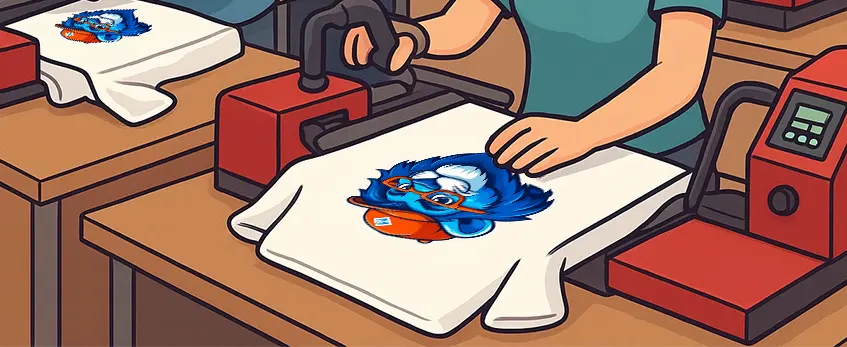
To get started with high-quality DTF hoodies, you need the right equipment and materials that make the process smooth and reliable.
Required Tools
- DTF Printer: This is the core tool that prints your design directly onto special film using vibrant inks.
- Heat Press: Essential for transferring the printed film to the hoodie. Accurate temperature and pressure control ensure a durable, sharp print.
- Curing Oven: Used to properly cure the adhesive powder on the printed film for optimal bonding during transfer.
- Accessories: Include powder shakers, cutting tools, and protective sheets to maintain print quality and ease workflow.
Recommended Supplies from jinlong DTF
For consistent, top-notch results, consider trusted products like jinlong DTF’s range of:
- High-quality DTF films with excellent clarity and grip
- Vibrant, durable inks designed for clear colors and wash resistance
- Adhesive powders that ensure strong adhesion during the heat press stage
These supplies are fine-tuned for compatibility, helping you avoid common issues like poor adhesion or faded colors.
Choosing Quality Hoodie Blanks
The right hoodie base makes a huge difference. Look for:
- Soft, durable fabrics like cotton, polyester, or blends that work well with DTF transfers
- Smooth surfaces for crisp print results, avoiding loose knits or heavy fleece that can cause uneven ink application
Starting with good blanks and professional-grade equipment from jinlong DTF sets you up for vibrant, long-lasting custom DTF hoodies that stand out.
For a detailed breakdown of all necessary hardware, check out our guide on DTF transfer machines, printers, and heat press systems.
Preparing Your Designs for DTF Printing
Getting your design ready for DTF printing on hoodies is a key step to ensure crisp, vibrant results. Start with design software like Adobe Photoshop or Illustrator, and always work with high-resolution files—300 DPI is the sweet spot to keep details sharp. Save your designs as PNG files with transparency to avoid unwanted backgrounds on your Direct-to-Film transfers for hoodies.
Mirroring your design before printing is essential since the image prints reversed on the film and flips right side out on the hoodie. Also, add a white underbase layer beneath your colors. This white layer acts like a base that makes prints pop on dark or colored fabrics, a must for durable DTF prints on fleece or polyester hoodies.
For sizing, keep these standard dimensions in mind for your custom DTF hoodies:
- Chest prints: 10–12 inches wide
- Back prints: 12–14 inches wide
- Sleeve prints: 3–4 inches wide
- Pocket area prints: 4–5 inches wide
When working with complex graphics, photos, or text:
- Simplify fine details to prevent blurring after transfer
- Use bold, clear fonts for text to enhance readability
- Avoid overly complex color gradients; instead, opt for smooth transitions that the inks can recreate
Following these design prep tips will help you nail vibrant, professional-quality DTF hoodie prints every time. For high-quality materials that support these detailed designs, check out recommended supplies like the jinlong DTF films that deliver sharp, consistent results on all common hoodie fabrics.
Step-by-Step DTF Printing Process for Hoodies
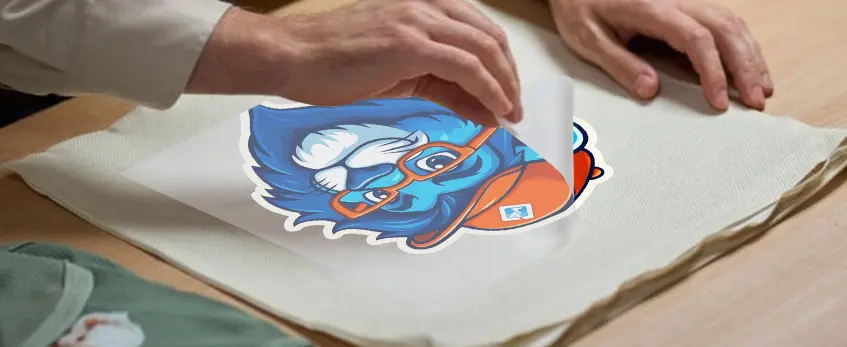
Getting high-quality DTF hoodies starts with understanding each step of the printing process. Here’s a simple breakdown to guide you:
Printing the Design on Film
Begin by printing your customized design onto a special DTF film using compatible DTF inks. Make sure the design is mirrored, especially when it includes text or directional graphics. This direct-to-film printing sets the base for vibrant colors and sharp details.
Applying and Curing Adhesive Powder
Once printed, sprinkle an even layer of DTF adhesive powder over the wet ink on the film. The powder sticks only where the ink is laid down. After that, cure the powder using a curing oven or heat press at a moderate temperature. This step is crucial for good adhesion and durability on hoodie fabrics.
Transferring to the Hoodie: Heat Press Settings
Transfer your design onto the hoodie using a heat press. The ideal settings depend on the fabric, but a good starting point is:
- Temperature: 320°F to 340°F (160°C to 171°C)
- Time: 15-20 seconds
- Pressure: Medium to firm, ensuring even contact
These parameters help the adhesive powder bond firmly with the hoodie fabric, resulting in flexible and durable prints.
Peeling Techniques: Hot vs. Cold Peel
After pressing, you have two options:
- Hot Peel: Peel off the film immediately while it\’s still warm, which is great for soft prints on lighter fabrics.
- Cold Peel: Let the transfer cool completely before peeling. This method works best on darker fabrics or when you want a more durable finish.
Choosing the right peel technique depends on the hoodie material and desired print feel.
Post-Press for Enhanced Durability
For added longevity, do a quick post-press with the heat press for 5-10 seconds after removing the film. This step helps seal the design, improving wash resistance and flexibility on hoodies.
Following these steps will ensure your DTF printing on hoodies comes out crisp, bright, and long-lasting every time. For detailed guidance on choosing the right films and powders for your project, check out our guide on how to choose the right DTF transfer film for your project.
Advanced Application Tips for Hoodies
Printing custom DTF hoodies isn’t always straightforward, especially when dealing with zippers, pockets, seams, and thicker fleece textures. To get the best results, here are some practical tips:
Handling Zippers and Pockets: Avoid placing designs directly over zippers to prevent cracks or peeling. If you need to print over pockets or seams, use a protective pressing pad underneath to ensure even pressure and avoid distorting the fabric.
Printing on Fleece and Thick Fabrics: Fleece hoodies are popular but tricky. Make sure your heat press applies consistent pressure across the thick material. Using a silicone pad can help distribute heat evenly, reducing hot spots or incomplete transfers.
Placement Guide:
- Full Front & Back Prints: Center your design carefully and make sure there’s enough margin around edges for clean transfers.
- Sleeves and Hoods: These curved areas require smaller, flexible designs that adapt to the fabric’s shape. Use multiple light presses rather than one long press to avoid shifting.
Achieving Even Pressure: Thick fabrics demand firm, balanced pressure. Adjust your heat press settings and consider multiple press cycles instead of a single long press to allow adhesive powder to set well without overcooking.
Mastering these advanced DTF placement techniques on hoodies will help ensure bright, durable results every time—even on the hardest spots. For more tips on choosing the right adhesive powder for tough fabrics like fleece, check out detailed advice on TPU DTF hot melt adhesive powders.
Troubleshooting Common Issues with DTF Hoodies
Running into problems like poor adhesion or peeling on your DTF hoodies? This usually happens if the heat press settings—temperature, pressure, or time—aren’t quite right. Make sure your heat press is set to the recommended 320°F–335°F for about 15 seconds with firm pressure. If prints are peeling, double-check your adhesive powder application; too little powder won’t bond properly, while too much can cause clumping and weak spots.
Fading colors or cracking after washes are often signs of either under-curing or low-quality inks. Using the best DTF ink for hoodies, like jinlong’s CMYK series, ensures vibrant, durable prints that withstand 50+ washes. Also, always follow proper curing with a heat press or curing oven to lock in the colors and flexibility.
Uneven prints or ghosting typically result from static or dust during printing and powdering. To reduce static, keep your workspace humidity controlled and clean surfaces regularly. When applying adhesive powder, avoid over or under powdering—too much leaves a gritty texture, too little means poor adhesion. A light, even coating is best.
If ghosting occurs, it could be from the film shifting before pressing or insufficient peeling technique. Use a hot peel for most hoodies to ensure clean transfers, and carefully align your design before applying heat.
By addressing these common issues with proper printer maintenance, high-quality inks, correct powder use, and precise heat press settings, you’ll get consistent, durable DTF transfers for sweatshirts and hoodies every time. For guidance on ideal inks and films, consider checking out reliable supplies like the DTF ink CMYK series and high-quality DTF transfer films.
Care and Maintenance for DTF-Printed Hoodies
To keep your DTF hoodies looking fresh and vibrant for 50+ washes, proper care is key. Here’s how to get the most out of your custom DTF hoodies and maintain those durable DTF prints on fleece or other fabrics.
Washing and Drying Instructions
- Wash inside out to protect the print during cycles.
- Use cold or warm water (under 140°F) to prevent fading or cracking.
- Choose a gentle cycle with mild detergent, avoiding bleach or fabric softeners.
- Air dry when possible; if using a dryer, opt for low heat to preserve the transfer’s flexibility.
Ironing and Storage Tips
- Avoid ironing directly on the print. If needed, place a cloth over the design and use a medium heat setting.
- Store your hoodie folded or hung in a cool, dry place to prevent print damage and fabric wear.
Testing Durability
Expect high-quality DTF transfers to resist peeling, cracking, and fading after regular washings. When done right, heat press DTF hoodies provide long-lasting, vibrant designs that handle everyday wear well — perfect for both casual use and small run business products.
For additional advice on achieving the best results with DTF adhesive powders and films, check out this detailed guide on how to choose the right DTF powder shaker for your printer setup.
Sourcing High-Quality DTF Supplies
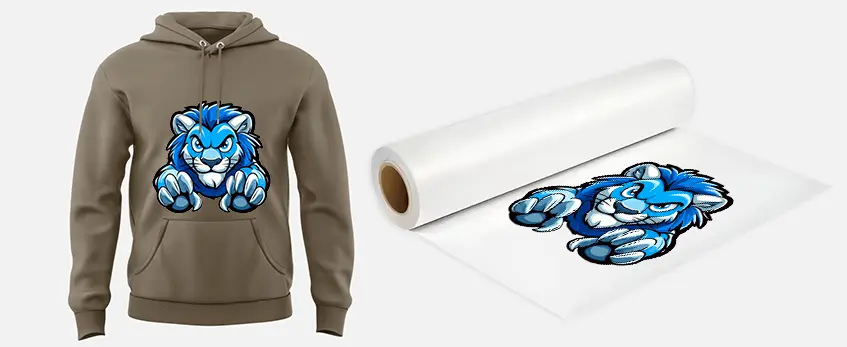
Choosing the right materials is key to getting durable, vibrant DTF hoodies. That\’s where jinlong DTF shines — their reliable films, inks, and powders are trusted by pros and beginners alike for consistent, high-quality results.
Why Choose jinlong DTF?
- Premium DTF Films: Clear, smooth, and designed for excellent ink adhesion. Check out their DTF transfer film 30cm double pro series for top performance.
- Vibrant, Durable Inks: Jinlong\’s inks offer bright colors that last wash after wash on both light and dark fabrics.
- Adhesive Powders: Perfectly formulated for strong bonding and flexibility, essential for long-lasting prints on hoodies.
DIY Printing vs. Ready-to-Press Transfers
| Option | Pros | Cons | Best For |
|---|---|---|---|
| DIY Printing | Full control of design and timing; save costs on bulk production | Requires equipment & skill; setup time | Hobbyists, scaling businesses |
| Ordering Ready-to-Press | Quick turnaround; no equipment needed; consistent quality | Higher per-piece cost | Small orders, beginners |
Whether you want to start small or jump straight into business production, jinlong DTF supports every step with quality supplies and expert advice.
For small and medium apparel shops looking to upgrade or expand, their A3 DTF printers are a smart choice — compact, efficient, and built for consistent output.
Start with quality materials like jinlong DTF to make your custom DTF hoodies stand out with rich colors, lasting prints, and a smooth finish your customers will appreciate.
FAQs About DTF Hoodie Printing
Here are answers to some of the most common questions about DTF printing on hoodies to help you get started with confidence:
What’s the best temperature for heat press DTF hoodies?
Typically, set your heat press to around 305°F (150°C) with medium pressure for 15 seconds. It ensures a strong transfer without damaging the fabric or design.
Can I print DTF on all hoodie fabrics?
Yes! DTF printing works great on cotton, polyester, and blends—making it versatile for most hoodie materials. It’s especially effective on dark or light fabrics, providing vibrant colors each time.
Are there minimum order requirements for custom DTF hoodies?
One of the biggest perks of DTF transfers is cost-effectiveness for small runs or even single custom orders. Whether it’s one hoodie or hundreds, DTF is flexible enough for your needs.
How durable are DTF prints on hoodies?
DTF prints are known for excellent wash resistance and durability, lasting 50+ washes if cared for properly. Following recommended washing instructions helps keep your design looking fresh.
Can I print complex designs with DTF?
Absolutely. DTF is perfect for full-color, detailed graphics, photos, and intricate text, thanks to the high-quality films and inks used in the process.
Do I need special equipment to start printing DTF hoodies?
Yes, essential tools include a DTF printer, heat press, and adhesive powders. For reliable supplies like high-quality films and powders, you can check trusted providers like jinlong DTF.
If you’re interested in diving deeper into any part of the DTF printing process, including the types of powders and films that make the difference, see our detailed guide on high-quality TPU powder for DTF or explore the benefits of using an A3 DTF printer for on-demand printing.
Got more questions? Feel free to reach out to get hands-on advice tailored to your DTF hoodie printing projects!


 English
 Español
 Deutsch
 Français